

The Performance of Wearable Device–Based Artificial Intelligence in Detecting Depression: Systematic Review and Meta-Analysis

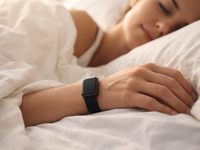
Background: In recent years, advances in wearable sensor technology and artificial intelligence (AI) have provided new possibilities for detecting and monitoring depression. Objective: This study systematically reviewed and meta-analyzed the diagnostic and predictive performance of wearable device–based AI models for detecting depression and predicting depressive episodes and explored factors influencing outcomes. Methods: Following PRISMA-DTA (Preferred Reporting Items for a Systematic Review and Meta-Analysis of Diagnostic Test Accuracy) guidelines, the PubMed, Embase, Web of Science, and PsycINFO databases were searched from inception to May 27, 2025. Eligible studies used AI algorithms on wearable device data for depression detection or episode prediction. Sensitivity, specificity, diagnostic odds ratio, and area under the curve (AUC) were pooled using a bivariate random effects model. Risk of bias was assessed using Prediction Model Risk of Bias Assessment Tool plus artificial intelligence (PROBAST+ AI), and certainty of evidence was assessed using the Grading of Recommendations Assessment, Development, and Evaluation (GRADE) tool. Results: We included 16 studies (32 datasets) with 1189 patients and 13,593 samples. For depression detection, pooled sensitivity and specificity were 0.89 (95% CI 0.83‐0.93) and 0.93 (95% CI 0.87‐0.96), with a diagnostic odds ratio of 110.47 (95% CI 33.33‐366.17) and AUC of 0.96 (95% CI 0.94‐0.98). Random forest models showed the best performance (sensitivity=0.89, specificity=0.91, AUC=0.97). Subgroup analyses indicated that study design, AI method, reference standard, and input type significantly affected diagnostic accuracy (<.05). For depressive episode prediction (3 datasets), pooled sensitivity was 0.86 (95% CI 0.80‐0.91), and pooled specificity was 0.65 (95% CI 0.59‐0.71). The overall risk of bias was low to moderate, with no evidence of publication bias. Conclusions: Wearable device–based AI models achieved high accuracy for detecting depression and moderate utility in predicting episodes. However, heterogeneity, reliance on retrospective and public datasets, and lack of standardized methods limited generalizability. Trial Registration: PROSPERO CRD420251070778; https://www.crd.york.ac.uk/PROSPERO/view/CRD420251070778
Virtual Reality Implementation in Mental Health Care Is a Marathon, Not a Sprint: Qualitative Longitudinal Study of a Virtual Reality Training Program

Background: Despite the potential of virtual reality (VR) for treatment and assessment in mental health care, its practical implementation remains limited. Much implementation research explores barriers and facilitators; fewer studies actually evaluate targeted implementation strategies and track how their effects evolve over time in mental health care practice. Objective: This study aims to examine how a structured VR training program functioned as an implementation strategy in routine mental health care and to identify how therapists’ adoption trajectories and implementation needs shifted across stages of the process. Methods: Eleven therapists from a Dutch mental health care organization completed a 6-session VR training. Semistructured interviews were conducted at 3 time points: pretraining, immediately posttraining, and 3 months posttraining. Data were deductively analyzed using theoretical thematic analysis based on the capability, opportunity, motivation – behavior model and the Theoretical Domains Framework to map stage-specific changes in implementation needs relating to VR use. Results: The training improved therapists’ perceived knowledge, skills, and confidence in using VR. Nonetheless, actual uptake of VR in clinical routines remained limited. Enduring barriers included workflow misalignment, hierarchical decision-making structures, and the absence of a shared organizational vision and sustained leadership support. The longitudinal design revealed a dynamic pattern: early adoption hinged on individual capability and motivation, whereas maintenance depended on organizational opportunity and communicated support. These stage-specific shifts clarify why training alone does not translate into routine use and which organizational levers are most important when. Conclusions: VR training for therapists is a necessary but insufficient implementation strategy in mental health care. A longitudinal approach shows that successful implementation requires pairing training with organization-level changes that address opportunity barriers over time. By shifting from static evaluations of whether training works to a process-oriented focus on what support is needed at each stage of implementation, this study advances implementation science in digital mental health and offers actionable guidance for embedding VR in routine care.
<img src="https://jmir-production.s3.us-east-2.amazonaws.com/thumbs/129adb5ec1d9301acab4db4c0c0ee16b" />

[Comment] Lived experience perspectives on the development of a Psychosis Metabolic Risk Calculator (PsyMetRiC)

In this issue of The Lancet Psychiatry, Benjamin Perry and colleagues1 present a collaboratively developed, refined, and externally validated risk prediction tool (the Psychosis Metabolic Risk Calculator [PsyMetRiC]) that is clinically available, and that can separately predict the risk of clinically significant weight gain, metabolic syndrome, and type 2 diabetes in young people with psychosis. Key to the collaborative development of PsyMetRiC has been the involvement of young people with a lived experience of psychosis, supported by the McPin Foundation and Equally Well UK.

Implementing Action-Based Cognitive Remediation for Transdiagnostic Cognitive Difficulties in a Tertiary Mental Health Hospital

Conditions: Psychiatric Disorders; Depression – Major Depressive Disorder; Schizophrenia and Other Psychotic Disorders; Anxiety and Mood Disorders; Bipolar and Related Disorders; PTSD – Post Traumatic Stress Disorder; Autism Spectrum Disorder

Interventions: Behavioral: Action-Based Cognitive Remediation

Sponsors: The Royal Ottawa Mental Health Centre

Not yet recruiting

ASD Wearables Feasibility Study

Conditions: Autism Spectrum Disorder; Wearable Device Feasibility

Interventions: Device: 14-Day Device Monitoring

Sponsors: Rady Pediatric Genomics & Systems Medicine Institute; Rady Children’s Hospital, San Diego; University of California, San Diego

Completed