

<![CDATA[Renaming borderline personality disorder fails to address the condition’s complexity; keeping the term preserves key clinical meaning, including structural traits and stress-related psychotic symptoms.]]>
ASGCT CEO David Barrett Previews the Upcoming Conference in Boston
The 29th American Society of Gene & Cell Therapy (ASGCT) meeting kicks off in Boston next week. The annual event will be a whirlwind of sessions, keynotes, fireside chats, posters, and exhibitors.
For the second year in a row, GEN spoke with David Barrett, JD, who has been the CEO of ASGCT since 2016. In this interview, we discuss his perspective on the event, if there is anything new that attendees should be looking out for, and what he, personally, is most looking forward to.
This interview has been edited for length and clarity.
LeMieux: The ASGCT meeting is an annual event. What are some of the things that will make this year’s meeting special?
Barrett: There is a lot that is special this year. First and foremost, it feels like a bit of a homecoming which is really exciting. The last time we were in Boston was in 2008. And Boston is a city and community where gene therapy, biotech, and research are all located. You can feel it when you’re in Cambridge and I think you are absolutely going to feel that when you’re inside the convention center.
The fact that the meeting is in Boston this year is also special for me because one of the very first things I did when I joined ASGCT in 2016, was to source the location for the 2020 annual meeting at the Hynes Convention Center in Boston. I was very excited and it was the first time we were going to take up an entire convention center. But that meeting, of course, did not happen; it had to be canceled because of COVID. So that makes this meeting in Boston particularly special. We finally get to have the meeting in Boston that I’ve been hoping for since 2016!
And we are growing. We are at the bigger of the two convention centers in Boston. We are going to surpass the total number of people that we had last year and I have every expectation that we’ll see significant growth year over year.
As far as other things that are that are new and interesting this year… I said this last year, but it’s worth adding it again—the science is always different. It is very consistent that we will have great science every year, and it is a wonderfully fun question mark of what exactly that science is going to look like. It’s always exciting because the science is always different year after year. So, by its very nature, it will be an exciting new conference this year.
Also, we’ll have a puppy park in the exhibit hall, so that’s really fun!
LeMieux: What are some things that will be highlighted at the meeting that ASGCT has been working on over the past year?
Barrett: ASGCT has done a lot this year. There is a lot that we have been very vocal about so far, and there is a lot that we’ll be sharing during the annual meeting.
Number one is that we partnered with Orphan Therapeutics Accelerator (OTXL) to found CGTxchange—the first and only clearing house and marketplace of its kind for cell and gene therapy assets. It is being built as we speak and we’ll have some exciting announcements during the annual meeting about assets that will hopefully be in the CGTxchange by that point. It is the culmination of a lot of work on what to do about commercially pre-viable (not non-viable) cell and gene therapies and the work that we’re doing to make those more commercially possible.
Also, ASGCT is hosting its Momentum Gala—the first formal gala at our annual meeting. That event has resonated really well with sponsors and donors. In fact, it is sold out! That event is going to be used to celebrate the launch of ASGCT Foundation, which is a separately incorporated 501C3 charitable foundation to support ASGCT’s mission to advance early career researchers and enable the development of cell and gene therapies. Also at the gala, we’ll be announcing some new initiatives to support patient access and reduce barriers to diagnosis, clinical trial participation, and treatment with cell and gene therapies.
Another major thing that’s going on is a considerable expansion of our educational activities. We recently launched a new e-learning tool and platform—the ASGCT Learning Center—a really fun project that we’ve been working on to expand how we we are getting new content to our new and expanding audiences.
We recognize that we have a really broad audience at ASGCT that is made up of cell and gene therapy basic science researchers, translational researchers, physician scientists and others in the ecosystem of drug development and administration for cell and gene therapies. And we’re looking at new ways to provide content that can help satisfy the learning needs of that really broad audience. The learning center is a big tool in our quiver to be able to do that.
LeMieux: What do you hope people take away from the meeting?
Barrett: I hope they take away a couple of things… number one, I hope they take knowledge, education, and awareness of what’s going on in the space and what has been happening over the course of the last 12 months. I hope that they take that back to their individual place of work. And I hope that, generally speaking, we fulfill our mission by expanding that knowledge base among all of the stakeholders in cell and gene therapy. Another thing that I hope people take away from this is that, after a lot of ups and downs and undulations in this field over the course of the past two to three years, that there is an extraordinary sense of excitement about the next phases in the development of cell and gene therapy drugs.
We have some really exciting new regulatory pathways. We have a lot of development of personalized gene editing technologies and techniques that can bring gene therapies much more quickly and effectively to patients who need them. We have seen significant advancements in more traditional or classic AAV gene therapies that are allowing these to be safer and more efficacious. And we’re seeing an expansion of cell-based gene therapies through an ever-expanding portfolio of indications that are reached by CAR Ts, primarily in cancer, but in an expanding outlook for the use of CAR Ts outside of cancer as well. So, I am hopeful that attendees come away with a renewed energy and vigor for the development of satellite gene therapies.
LeMieux: Is there anything specific planned at the meeting to touch on the concerns of the challenges that the scientific community is facing right now—with funding or other barriers?
Barrett: We are very excited to have Katherine Szarama, PhD—who was recently named acting director of FDA’s Center for Biologics Evaluation and Research (CBER)—participating in a fireside chat, addressing regulatory uncertainties. [Szarama replaced Vinay Prasad, MD, MPH, on May 1st.]
We have two other fireside chats focused on regulation, as well. The three fireside chats will offer attendees an opportunity to learn a little more, ask some questions, and hear from some of the individuals in those sessions specifically.
But I think that people will also see, more broadly, the ongoing work that ASGCT is doing to continue to create a partnership and a positive working relationship with the FDA to support those regulatory concerns.
LeMieux: What are you most looking forward to?
Barrett: I think I said this last year, but it really is one of my favorite components of the annual meeting. Every year, I look forward to taking some time to watch the exhibit hall being built. When the rope drops and people enter the exhibit hall for that very first reception, the hall is in pristine condition. And one of my favorite parts is watching it get to that pristine condition because it is just so exciting to see everything being built and come to a head, to have the whole field enter all at one space, and to be able to see an industry live and in person. Because so much of what we do is at our computer screens—and what we read about, hear about, or listen to people talk about. But when you actually see the field of gene and cell therapy on display, it is really exciting and satisfying.
Lastly, I will add that I’m looking forward to eating too much clam chowder while in Boston (chuckling).
The post ASGCT CEO David Barrett Previews the Upcoming Conference in Boston appeared first on GEN – Genetic Engineering and Biotechnology News.
<![CDATA[Psilocybin therapy shows fast, lasting relief for depression; clinicians discuss trial hurdles and emerging promise for PTSD and addiction in this podcast.]]>
<![CDATA[ CT-1812 shows promise in Lewy body dementia, stabilizing hallucinations and delusions while easing caregiver distress.]]>
ParcelBio Unveils Programmable mRNA Platform Backed by $13M Financing
Biotechnology company ParcelBio said this week that it has raised $13 million in a seed financing round led by Breyer Capital with participation from General Catalyst, Y Combinator, Metaplanet, SurgePoint Capital, ZAKA VC, and other investors. The financing will support the development of the company’s proprietary Amplified and Prolonged EXpression mRNA (APEXm ) platform and advance its pipeline including an in vivo CAR T program for autoimmune disease, as well as additional programs in oncology and encoded protein therapeutics.
The company, which is developing what it describes as a new class of durable mRNA medicines, will debut APEXm and share some preclinical data at the American Society of Gene and Cell Therapy annual meeting. This year’s meeting is being held in Boston, Massachusetts and will run from May 11-15. The company claims that its data will demonstrate that ParcelBio’s APEXm RNA drives significantly higher and more durable protein expression compared to another clinical mRNA design, and yields more complete target cell depletion in in vivo CAR T models.
“mRNA has transformed medicine, but today’s technologies are fundamentally limited in how much protein they can produce and for how long,” said David Weinberg, PhD, chief executive officer and co-founder of ParcelBio. His company’s proprietary technology addresses this problem by engineering RNA molecules to recruit the cell’s native RNA-stabilizing machinery, which enables higher and more durable protein expression. The company claims that its approach will result in medicines that reach thresholds that have historically been challenging for mRNA-based therapeutics. “We engineered RNA to work with the cell’s machinery rather than against it, enabling meaningful improvements in both expression and durability that we believe are essential for true disease modification,” Weinberg said.
Furthermore, ParcelBio’s platform maintains a simple, linear RNA architecture unlike circular RNA and other approaches, whose structure introduces manufacturing complexity or reduces output. Its broad applicability across proteins and cell types makes it suited for various therapeutic applications including immune programming and protein replacement.
“Most RNA platforms force a tradeoff between potency, durability, and manufacturability,” said Chris Carlson, PhD, chief scientific officer and co-founder of ParcelBio. “Our approach eliminates that tradeoff, enabling both higher peak expression and longer duration within a manufacturable system, and opening the door to entirely new classes of medicines.”
ParcelBio’s lead program focuses on in vivo CAR T therapies that target pathogenic B cells across autoimmune diseases, with the goal of achieving deep B-cell depletion for durable, drug-free remission. By enabling sustained CAR expression without viral delivery or ex vivo manufacturing, the company aims to develop scalable, off-the-shelf therapies. Additional programs leveraging the technology are currently in development in oncology and encoded protein therapeutics.
The post ParcelBio Unveils Programmable mRNA Platform Backed by $13M Financing appeared first on GEN – Genetic Engineering and Biotechnology News.
Gene Therapy Briefs: Regeneron Wins FDA Approval for First Neurosensory Gene Therapy
The FDA has granted accelerated approval to Regeneron Pharmaceuticals’ Otarmeni (lunsotogene parvec-cwha) as the first gene therapy designed to restore a neurosensory function to normal levels.
Otarmeni is an adeno-associated virus vector-based gene therapy indicated for treating children and adults with severe-to-profound and profound sensorineural hearing loss, defined as any frequency >90 decibel hearing level [dB HL], associated with molecularly confirmed biallelic variants in the OTOF gene, preserved outer hair cell function, and no prior cochlear implant in the same ear.
Otarmeni (formerly DB-OTO) is the first and only in vivo gene therapy indicated for OTOF-related hearing loss. Regeneron said it will make Otarmeni available for free in the U.S.
The FDA based its accelerated approval decision on the improvement of hearing sensitivity as measured by average pure tone audiometry (PTA) at week 24 during the Phase I/II CHORD trial (NCT05788536). Twenty participants ages 10 months to 16 years received a single dose of Otarmeni via intracochlear infusion—10 patients in one ear, the other 10 in both ears. Data from CHORD showed:
- 80% of participants (16 of 20) reported hearing improvements per pure tone audiometry assessments at ≤70 dB HL at 24 weeks, achieving the trial’s primary endpoint, while one additional participant achieved the threshold by week 48.
- 70% (14 of 20) showed an auditory brainstem response (ABR) at ≤90 decibels at 24 weeks, achieving the trial’s key secondary endpoint.
- Among participants followed to 48 weeks, all prior responders maintained a response to therapy, and 42% of all participants (five of 12) achieved normal hearing that included whispers (≤25 dB HL).
“This unprecedented breakthrough in gene therapy has already proven to be life-changing for many of the children in our clinical trial and their families,” said George D. Yancopoulos, MD, PhD, board co-chair, president and chief scientific officer of Regeneron. 1
The FDA said its accelerated approval may hinge upon verification and description of clinical benefit in the confirmatory portion of the CHOIRD trial, a first-in-human, multicenter, open-label trial designed to assess the safety, tolerability and preliminary efficacy of DB-OTO in infants, children, and adolescents with otoferlin variants.
Otarmeni is the first gene therapy, and second new molecular entity, to win FDA approval under the agency’s Commissioner’s National Priority Voucher (CNPV) pilot program.
Launched in October by FDA Commissioner Martin A. Makary, MD, CNPV awards vouchers to drug developers whose work is deemed to address a health crisis in the U.S., deliver more innovative cures, address unmet public health needs, and increase domestic drug manufacturing as a national security issue. The vouchers entitle companies to reviews of their final applications within a target timeframe of 1–2 months rather than the standard 10–12 months.
Intellia’s Lonvo-Z begins rolling BLA following positive Phase III data
Intellia Therapeutics has launched a rolling Biologics License Application (BLA) submission to the FDA seeking regulatory approval of lonvoguran ziclumeran (lonvo-z), after announcing positive topline results from the global Phase III HAELO trial (NCT06634420) in hereditary angioedema (HAE)—the first Phase III data reported for an in vivo gene editing therapy.
HAELO is a randomized, double-blind, placebo-controlled Phase III trial designed to evaluate the efficacy and safety of a one-time 50 mg dose of lonvo-z in adults and adolescents aged 16 years and older with Type I or Type II HAE. The trial’s key endpoints focused on the number of HAE attacks experienced by patients, quality of life, safety and tolerability. Eighty patients were enrolled with 52 receiving lonvo-z and 28, placebo.
HAELO met its primary endpoint. For the six-month efficacy evaluation period (weeks 5 to 28), a one-time infusion of lonvo-z reduced attacks by 87% vs. placebo, with a mean monthly attack rate of 0.26 in the lonvo-z arm vs. 2.10 in the placebo arm.
Other key findings from HAELO:
- The trial met all key secondary endpoints with statistical significance (p<0.0001). These included a 62% rate of patients who were entirely attack free and therapy free in the lonvo-z arm for the six-month efficacy evaluation period, vs. 11% of patients in the placebo arm.
- Lonvo-z showed favorable safety and tolerability data. The most common treatment emergent adverse events (TEAEs) during the primary observation period (infusion through week 28) were infusion-related reactions, headache and fatigue. All TEAEs reported as of the data cutoff (February 10, 2026) were mild or moderate, with no serious adverse events observed in the lonvo-z arm.
- As of the data cutoff, all patients who received lonvo-z at baseline or in crossover after week 28 remained long-term prophylaxis (LTP) free.
“Today’s HAELO results represent a profound milestone for Intellia, the broader CRISPR and precision medicine fields and, most importantly, the HAE community,” said John Leonard, MD, Intellia’s president and CEO. “These data affirm lonvo-z’s potential, with one dose, to offer prolonged freedom from both attacks and the need for ongoing therapy.” 2
Intellia said researchers plan to present additional clinical data from HAELO at the 2026 European Academy of Allergy and Clinical Immunology Congress (EAACI), set for June 12-15 in Istanbul, Turkey (Abstract #100217).
Lonvo-z is designed to inactivate the kallikrein B1 (KLKB1) gene in order to permanently lower kallikrein and bradykinin levels. Lonvo-z is designed as a one-time treatment that is administered in an outpatient setting.
Intellia said it is preparing for a potential U.S. launch of lonvo-z in the first half of 2027.
J. Craig Venter Dies: Pioneer in gene discovery, genomics, and synthetic biology
Craig Venter, PhD, a pioneer in gene discovery, human genomics, and synthetic biology, died April 29 in San Diego after a brief hospitalization for unexpected side effects that arose from treatment of recently diagnosed cancer. He was 79.
Venter was founder, board chair, and CEO of the institute that bears his name in La Jolla, CA. Earlier at the National Institutes of Health (NIH), he helped pioneer gene discovery using expressed sequence tags (ESTs), enabling rapid identification of large numbers of human genes and accelerating genome mapping efforts.
He went on to lead efforts that produced the first draft sequences of the human genome. He and colleagues later published the first high-quality diploid human genome, a scientific milestone that demonstrated the importance of capturing genetic variation inherited from both parents.
Venter’s work helped define and advance modern genomics, as well as launched the field of synthetic biology, where he and his teams constructed the first self-replicating bacterial cell controlled by a chemically synthesized genome—proof that genomes could be designed digitally, built from chemical components, and like a computer, booted up to run a living cell.
Through the Sorcerer II Global Ocean Sampling Expedition, Venter and his teams used metagenomics to reveal microbial diversity, reporting the discovery of millions of new genes and expanding the known universe of protein families—work that added to knowledge and insight of the ocean microbiome and its role in planetary systems.
“Venter was controversial and often challenged the scientific orthodoxy, with critics accusing him of hype and going overboard on privatization,” said John Sterling, Editor in Chief of Genetic Engineering & Biotechnology News, who has known and worked editorially with Venter over the past 35 years. “To many, he was a visionary focusing on technological acceleration and blending academic science with the zeal of an entrepreneur. Supporters saw him as a pioneer who sped up genomics by years.” 3
In addition to founding the J. Craig Venter Institute (JCVI), Venter was a serial entrepreneur who co-founded Synthetic Genomics, Human Longevity, and most recently Diploid Genomics, advancing efforts designed to translate genomics and synthetic biology into tools for health and society.
He was also a fierce advocate for robust federal science funding, as well as for partnerships that accelerate progress across government, academia, and industry.
“Craig believed that science moves forward when people are willing to think differently, move decisively, and build what doesn’t yet exist,” said Anders Dale, president of JCVI. “His leadership and vision reshaped genomics and helped ignite synthetic biology. We will honor his legacy by continuing the mission he built—advancing genomic science, championing the public investments that make discovery possible, and partnering broadly to turn knowledge into impact.” 4
Rocket Pharma selling Priority Review Voucher for Kresladi for $180M
Rocket Pharmaceuticals has agreed to sell for $180 million the Rare Pediatric Disease Priority Review Voucher (PRV) it was awarded by the FDA after the agency granted accelerated approval of Kresladi (marnetegragene autotemcel).
Kresladi is an autologous hematopoietic stem cell-based gene therapy indicated to treat children with severe leukocyte adhesion deficiency-I (LAD-I) due to biallelic variants in ITGB2 without an available human leukocyte antigen-matched sibling donor for allogeneic hematopoietic stem cell transplant.
The indication was approved in March under accelerated approval based on increase in neutrophil CD18 and CD11a surface expression. The accelerated approval of Kresladi is subject to confirmation of its clinical benefit, to be based on an evaluation of longer-term follow-up data of treated patients in the ongoing Phase I/II trial (NCT03812263) and through a post-marketing registry. The study generated positive topline data showing 100% overall survival at 12 months post-infusion (and for the entire duration of follow-up) for all nine LAD-I patients with 18 to 42 months of available follow-up.
The accelerated approval followed a resubmission of Rocket’s Biologics License Application for Kresladi. The original submission was rejected by the FDA in 2024 through a Complete Response Letter that requested additional Chemistry, Manufacturing, and Controls (CMC) information, but did not raise safety or efficacy issues about the gene therapy.
Rocket said it plans to use proceeds from the PRV sale toward advancing its prioritized cardiovascular gene therapy pipeline, including clinical-stage programs in Danon disease, PKP2-associated arrhythmogenic cardiomyopathy (PKP2-ACM), and BAG3-associated dilated cardiomyopathy (BAG3-DCM).
“The monetization of our PRV, following the FDA approval of Kresladi, provides meaningful non-dilutive capital and extends our cash runway into the second quarter of 2028,” said Gaurav Shah, MD, Rocket Pharmaceuticals CEO. “This strengthens our ability to advance key clinical milestones across our cardiovascular gene therapy pipeline, with all programs on track.” 5
Passage Bio cuts staff 75%, launches strategic review
Passage Bio said it will eliminate 75% of its staff in a cost-cutting restructuring that is part of the company’s effort to review strategic alternatives.
“The Company expects that the aggregate severance and exit costs for the Restructuring Plan will be approximately $3.3 million, which will be recorded primarily in the second quarter of 2026,” Passage Bio said in a regulatory filing. 6
Passage Bio has said it plans to review strategic alternatives that may include merger or acquisition transactions, a reverse merger, a sale of assets of the company, strategic partnerships, licensing opportunities, or other potential paths.
The restructuring followed Passage Bio receiving feedback during a Type C meeting with officials at the FDA that indicated that the company will be required to complete a randomized controlled registrational trial evaluating its lead pipeline candidate PBFT02 as a treatment for frontotemporal dementia (FTD) with granulin (GRN) mutations.
PBFT02 is a gene replacement therapy that uses an adeno-associated virus serotype 1 (AAV1) viral vector to deliver, through intra cisterna magna (ICM) administration, a functional GRN gene that encodes the progranulin protein (PGRN).
The 75% workforce cut amounts to approximately 18 people, based on the 24 full-time employees it reported as of December 31, 2025, according to its annual report.
LEO Pharma acquires Replay for $50M upfront, milestones
LEO Pharma has agreed to acquire Replay, a developer of gene therapies for rare genetic dermatological conditions, in a deal that the buyer said will add deep expertise and a next-generation gene therapy platform to its pipeline, namely Replay’s high‑payload herpes simplex virus (HSV) delivery vector.
LEO Pharma plans to acquire Replay for $50 million upfront, plus milestone payments and tiered single-digit royalties.
Replay’s gene therapy platform is designed to leverage HSV’s capacity to deliver large genes, which according to LEO makes it well suited for addressing rare, genetically driven dermatological conditions. The genetically modified HSV therapy is formulated as a topical gel that targets the deficient gene when applied directly to the skin.
“Replay’s HSV gene therapy platform holds significant promise for patients with rare genetic skin diseases, and realizing its full potential requires focused expertise in medical dermatology—an area where LEO Pharma brings decades of leadership, scale and proven execution,” LEO Pharma CEO Christophe Bourdon said. “The acquisition aligns with our strategy of investing in the most impactful opportunities in dermatology and positions LEO Pharma at the forefront of next‑generation gene therapy.” 7
LEO Pharma agreed to acquire Replay after identifying Replay as a high‑potential opportunity using its artificial intelligence (AI) scouting platform, Innoviewer. Replay’s lead pipeline drug program is a preclinical phase candidate designed to treat dystrophic epidermolysis bullosa (DEB).
MeiraGTx buys rights to XLRP treatment from J&J for $25M upfront
MeiraGTx Holdings has agreed to acquire from Johnson & Johnson (J&J) all interests in botaretigene sparoparvovec (bota-vec), a gene therapy being developed to treat X-linked retinitis pigmentosa (XLRP).
Under the companies’ asset purchase agreement, MeiraGTx agreed to pay J&J $25 million cash upfront, a one-time regulatory and commercial milestone payment tied to U.S. approval and U.S. sales performance of bota-vec for the treatment of XLRP, plus what MeiraGTx called a high double-digit royalty on global net sales starting in mid-2029.
The sale comes nearly a year after bota-vec failed the 95-patient, Phase III LUMEOS trial (NCT04671433) by missing the study’s primary endpoint of demonstrating statistically significant vision-guided mobility in patients with XLRP, as measured by a Visual Mobility Assessment (VMA) or maze.
However, MeiraGTx has emphasized results showing that subjects treated with bota-vec were 2.4x more likely to respond than untreated subjects. A Low Luminance Questionnaire – Patient-Reported Outcome (LLQ PRO) showed significant benefit in mobility and dim light function, qualities tested by the VMA—thus indication, according to MeiraGTx, that the maze was not sensitive enough to capture these benefits.
The company characterized data from the LUMEOS trial’s secondary endpoints as very strong, with clinically meaningful and statistically significant improvements shown in each of three domains of vision.
MeiraGTx is the commercial manufacturer of bota-vec and had collaborated in its development with J&J from Phase I development onward. The FDA has granted Fast Track and Orphan Drug Designations to bota-vec, while the European Medicines Agency has granted Priority Medicines (PRIME), Advanced Therapy Medicinal Product (ATMP), and Orphan Drug designations to bota-vec.
“This is a unique opportunity to gain an asset at this stage in development with data supporting a meaningful benefit in patients with no alternative treatment, many of whom are waiting for this life changing therapy and hoping for expeditious approval,” said Alexandria Forbes, PhD, MeiraGTX’s president and CEO. 8
She added that MeiraGTx intends to start filing a Biologics License Agreement (BLA) with the FDA and applications for regulatory approval in the European Union and Japan as soon as possible.
References
1. Regeneron Pharmaceuticals. Otarmeni (lunsotogene parvec-cwha) Approved by FDA as First and Only Gene Therapy for Genetic Hearing Loss; Regeneron to Provide Otarmeni for Free in the U.S. April 23, 2026. (Last accessed May 1, 2026)
2. Intellia Therapeutics. Intellia Therapeutics Reports Positive Phase 3 Results in Hereditary Angioedema, Marking a Global First for In Vivo Gene Editing. April 27, 2026. (Last accessed May 1, 2026).
3. Genetic Engineering & Biotechnology News. Genomics Pioneer and Life Sciences Entrepreneur J. Craig Venter Dies at 79. April 30, 2026. (Last accessed May 1, 2026)
4. Craig Venter Institute. J. Craig Venter, genomics pioneer and founder of JCVI and Diploid Genomics, Inc., dies at 79. April 29, 2026. (Last accessed May 1, 2026)
5. Rocket Pharmaceuticals. Rocket Pharmaceuticals Announces $180 Million Sale of Priority Review Voucher. April 28, 2026. (Last accessed May 3, 2026)
6. Passage Bio. Form 8-K, filed April 28, 2026. (Last accessed May 5,2026)
7. LEO Pharma. LEO Pharma bolsters rare skin disease focus through acquisition of Replay gene therapy platform. April 30, 2026. (Last accessed May 3, 2026)
8. MeiraGTx Holdings. MeiraGTx Announces the Acquisition of Botaretigene Sparoparvovec (bota-vec) for the Treatment of X-linked Retinitis Pigmentosa (XLRP). April 16, 2026. (Last accessed May 3, 2026)
The post Gene Therapy Briefs: Regeneron Wins FDA Approval for First Neurosensory Gene Therapy appeared first on GEN – Genetic Engineering and Biotechnology News.
ASGCT Honors Mohamed Abou‑el‑Enein as Outstanding New Investigator
Some scientists build tools. Others build bridges. Mohamed Abou‑el‑Enein, MD, PhD, does both—engineering a high‑dimensional platform that temporally maps CAR T cells, while constructing the translational infrastructure needed to move them from concept to clinic. That dual lens has now earned him two of the American Society of Gene and Cell Therapy’s (ASGCT) top honors: the 2026 Outstanding New Investigator Award and, to his lab, the Best of Molecular Therapy Award, which features the contributions of leading early-career authors to the Molecular Therapy family of journals.
This year’s Molecular Therapy recognition highlights a study from Abou‑el‑Enein’s lab, published in May 2025, that uses spectral flow cytometry to map how CAR T cells remodel during manufacturing, revealing a five‑day window when the cells are most potent. The work reflects a core principle of his group: you cannot rationally engineer what you cannot precisely measure. Their high‑dimensional analytical tools are designed to simultaneously capture the full profile of each engineered cell, information that directly shapes how next‑generation therapies are built.
“Spending my career bridging scientific discovery and patient care, both by supporting others and through our own research, makes this dual recognition especially meaningful,” said Abou‑el‑Enein. “The contribution of translational scientists has long been underestimated and under‑acknowledged, and having a committee of peers recognize its value means a great deal to me.”
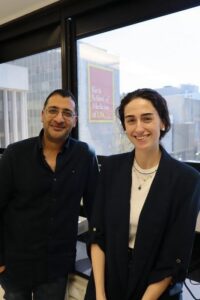
As a physician‑scientist, Abou‑el‑Enein brings comprehensive training to the problems of cell and gene therapy translation, a trajectory shaped across leading institutions globally. His path spans clinical medicine, regulatory science, biomanufacturing, and data science—training that now converges at the University of Southern California (USC), where he leads the USC/Children’s Hospital Los Angeles Cell Therapy Program and directs the institution’s cGMP manufacturing facility. His team has built a platform capable of producing a wide range of advanced therapies, from viral vectors to stem‑cell–based products. As USC’s Chuck Murry, MD, PhD, director of the Eli and Edythe Broad Center for Regenerative Medicine and Stem Cell Research noted, he brings “an eclectic mix of cell biology, biomanufacturing, and patient‑centered humanity” to the role.
The Abou‑el‑Enein lab extends that mission by developing computational platforms that unify analytical data with predictive modeling. Their newest effort—UNICORN (UNIfying Cell Therapy Outcome prediction and Regulatory Navigation)—integrates high‑dimensional analytics with machine learning to forecast therapeutic performance and streamline regulatory decision‑making for pediatric cancers and rare diseases. It’s a natural evolution of the group’s earlier work, which established a powerful analytical framework for tracking CAR T cell states over time.
Their broader analytical ecosystem includes tools for single‑cell characterization, computational modeling, and non‑viral precision genome engineering, all designed to support translation from the earliest stages of design.
As he prepares to deliver his Outstanding New Investigator lecture in Boston, Abou‑el‑Enein said the meeting is a chance to reconnect with the community that shaped his translational philosophy.
“These awards are catalysts that give me motivation to keep going,” he said. “I always remind my team… we do science because we believe that what we do will make a difference. It’s really about helping patients and making sure they have a real chance.”
The post ASGCT Honors Mohamed Abou‑el‑Enein as Outstanding New Investigator appeared first on GEN – Genetic Engineering and Biotechnology News.
<![CDATA[Get real-time psychiatry conference highlights with video interviews, session takeaways, and quick clips from APA and psychopharmacology meetings.]]>
App helps more than 260 cardiac arrest witnesses in Essex
An Essex support service, which includes an app, has helped more than 260 bystanders who saw over 200 out of hospital cardiac arrests (OHCA).
The Download: AI malaise and babymaking tech
This is today’s edition of The Download, our weekday newsletter that provides a daily dose of what’s going on in the world of technology.
We’ve entered the era of AI malaise
AI is spreading everywhere, and it is not going away. But what will it do? What effect will it have on our society? Will it make life better, or worse? How will we know? What’s the plan?
This technology may very well take our jobs—or just crash the economy instead. Our apps are all getting injections of AI, like it or not. And it is increasingly impossible to tell whether we are relying too much on AI or not using it enough.
We’re all sitting uncomfortably with AI right now. Read our essay on the strange, uncertain mood of the moment.
The era of AI malaise is an essay written by our editor-in-chief Mat Honan. It accompanies MIT Technology Review’s 10 Things That Matter in AI Right Now, our list of the big ideas, trends, and advances in the field that are driving progress today—and will shape what’s possible tomorrow.
Here’s how technology transformed babymaking
Technology is changing the way we make babies. Clinicians have improved hormonal treatments. Embryologists have devised ways to culture embryos in the lab for longer. IVF clinics today offer multiple genetic tests for embryos.
The technology has also had a huge social impact, allowing for changes in the structure of families and providing more reproductive choices for would-be parents. Now, AI and robots are set to usher in another new era for IVF.
Here’s how technology is reshaping babymaking.
—Jessica Hamzelou
This story is from The Checkup, our weekly newsletter giving you the inside track on all things biotech. Sign up to receive it in your inbox every Thursday.
How robots learn: a brief, contemporary history
For decades, researchers have been inspired by science fiction robots that can move through the world, adapt to different environments, and interact with people. But bringing these devices into the messiness of the real world has proved incredibly difficult.
Now, advances in AI are changing that. Instead of relying on rigid rules, robots are learning through trial and error, simulations, and huge amounts of real-world data. The progress represents a revolution in how machines interact with their surroundings.
It also means that Silicon Valley roboticists are dreaming big again. Here’s how we got here.
—James O’Donnell
This story is from the latest issue of our print magazine, which is all about nature. Subscribe now to read it in full.
The must-reads
I’ve combed the internet to find you today’s most fun/important/scary/fascinating stories about technology.
1 ICE plans to develop its own smart glasses
The “ICE Glasses” would identify people in real time. (404 Media)
+ ICE already uses an app with facial recognition to track citizens. (NYT $)
+ A new lawsuit wants to stop ICE using DNA to track critics. (Ars Technica)
2 AI is distorting key economic signals
It makes growth look better and the job market look worse. (WSJ $)
+ Welcome to the economic singularity. (MIT Technology Review)
3 A cyberattack paralyzed thousands of schools
And stole 275 million people’s data from edtech platform Canvas. (NYT $)
+ The digital learning software is used across the US. (CNN)
+ It’s the worst case scenario from an attack on one education platform. (Wired $)
4 The US suspects Nvidia chips were smuggled to Alibaba via Thailand
Super Micro servers containing Nvidia chips were allegedly smuggled. (Bloomberg $)
+ Through a firm linked to Thailand’s national AI initiative. (Reuters $)
5 China’s affordable AI models are increasingly worrying Silicon Valley
They’re often cheaper and more adaptable than US rivals. (Bloomberg $)
+ China is betting big on open source. (MIT Technology Review)
6 Scientists developed a new energy storage system inspired by sunburn
It stores solar energy by mimicking molecular changes in damaged DNA. (BBC)
+ Solar and wind with battery storage are becoming cost-competitive. (Reuters $)
+ Here are three other breakthrough climate technologies. (MIT Technology Review)
7 Russia’s internet crackdown is hobbling small businesses
App restrictions and internet outages are causing headaches. (Reuters $)
8 Younger researchers are more likely to produce “disruptive” science
A new study found more experience led to fewer breakthroughs. (Nature)
9 Why Richard Dawkins was mistaken to believe Claude has feelings
But his line of inquiry wasn’t altogether foolish. (The Atlantic $)
+ Why it’ll be hard to tell if AI ever becomes conscious. (MIT Technology Review)
10 The Golden Globes have new AI rules (and they’re looser than the Oscars’)
AI is permitted as an enhancement, but not as a replacement. (Gizmodo)
+ Last week, the Oscars banned AI actors and writing. (NPR)
Quote of the day
“When I am talking to these astonishing creatures, I totally forget that they are machines. I treat them exactly as I would treat a very intelligent friend.”
—Evolutionary biologist Richard Dawkins reflects on his interactions with advanced AI systems in an essay published in Unherd.
One More Thing

VIRGINIA HANUSIK
How to stop a state from sinking
In a 10-month span in 2020 and 2021, southwest Louisiana saw five climate-related disasters, including two destructive hurricanes and flash floods. But there could be a better way to protect the area: elevation.
The $6.8 billion Southwest Coastal Louisiana Project is betting that raising buildings while restoring coastal boundary lands that have long acted as natural barriers can preserve this slice of coastline.
Here’s how officials hope to protect vulnerable communities by lifting homes out of the floodplain.
—Xander Peters
We can still have nice things
A place for comfort, fun, and distraction to brighten up your day. (Got any ideas? Drop me a line.)
+ Soaking in a hot tub might offer even more health benefits than a sauna.
+ A court has officially protected America’s largest rainforest from future logging.
+ Experience the majesty of the world’s largest owl collection through these intimate, high-detail portraits.
+ A dad has turned his toddler’s random stories into high-production pop songs that are surprisingly catchy.