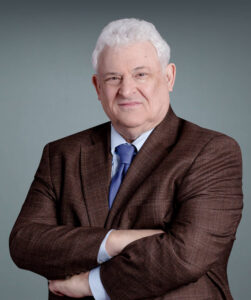
A first-in-human Phase I trial has established preliminary safety and efficacy data for a reformulated version of thiostrepton, a mitochondrially targeted covalent PRX3 inhibitor, in patients with mesothelioma and other malignancies associated with malignant pleural effusion. The results were published in Nature Communications.
Thiostrepton was originally characterized decades ago and has since accumulated substantial preclinical evidence of anticancer activity, but its poor solubility and manufacturing complexity had previously precluded clinical development. The researchers undertook both the mechanistic characterization of the compound and the chemistry work required to bring it to a first-in-human setting.
“The goal was to take this drug called thiostrepton, which has been studied for 70 years, and formulate it in a way where it could be delivered to human beings for the first time ever, and use it as an anti-cancer drug,” explained principal investigator Brian Cuniff, PhD, associate professor at the University of Vermont.
Study population and design
Rather than restricting enrollment strictly to a single tumor histology, the trial enrolled patients on the basis of a shared clinical phenotype—malignant pleural effusion—which is most commonly, though not exclusively, associated with mesothelioma. This design allowed inclusion of a small subset of patients with metastatic lung and colorectal cancers alongside the mesothelioma-predominant cohort.
“Our primary goal is in the treatment of mesothelioma, but from a utilization and development standpoint, we’re very interested in testing it in other cancers,” Cuniff said.
Fifteen patients were enrolled, consistent with a dose-escalation, first-in-human design. “Around 30% of those patients we did see tumor reduction, and then we had 67% disease control,” Cuniff said, clarifying that disease control included patients whose “tumor didn’t grow for a period of time, or their tumor shrunk a little bit.”
A completed Phase II study is expected to provide a larger dataset on efficacy later this year.
Mechanistic rationale: PRX3 inhibition
The therapeutic rationale centers on thiostrepton’s activity as a covalent inhibitor of peroxiredoxin 3 (PRX3), a mitochondrial antioxidant protein. Preclinical work from Cuniff’s group established that irreversible PRX3 inhibition impairs mitochondrial bioenergetics and increases oxidative and metabolic stress selectively within tumor cells.
“It binds to the PRX3 protein irreversibly, and inactivates that protein, and that protein is really important for keeping the mitochondria of our cells… functioning correctly,” Cuniff said. “In tumor cells, we’re essentially taking away the ability for the tumor cell to make energy, and we’re also increasing waste products that are toxic to the tumor cells.”
A key element of the preclinical dataset is a reported therapeutic window between malignant and normal cell populations. “Our evidence shows that this same effect is not occurring in normal cells, and they can tolerate that inhibition much more than tumor cells,” Cuniff said.
Beyond direct cytotoxicity, investigators describe an additional immunomodulatory component to the drug’s activity, distinguishing it mechanistically from both chemotherapy and immune checkpoint-based approaches. “It’s not an immunotherapy, it’s not a chemotherapy,” Cuniff said. “It’s basically a cytotoxic immunomodulator. It kills cells, but it also has some activity against the immune system, which we think is important for its overall activity.”
Formulation and regulatory considerations
Historically, thiostrepton’s clinical translation was limited by poor aqueous solubility and manufacturing challenges. To address this, the development team formulated the compound into a micellar solution to enable solubilization and systemic delivery, and scaled manufacturing to meet regulatory-grade standards.
“We were able to manufacture the drug in a way that would allow it for the delivery to human beings, and then we developed a formulation that would allow for safe and effective delivery of the drug,” Cuniff said. The trial was conducted in the United Kingdom under MHRA oversight, the agency’s equivalent of the U.S. FDA.
Clinical context and unmet need
Cuniff situated the findings within a treatment landscape that has seen limited innovation. Standard-of-care chemotherapy for mesothelioma remained largely unchanged for roughly three decades until the 2021 approval of an immunotherapy-based frontline regimen—the most recent major regulatory advance for the disease.
“To only have two drugs essentially be approved in a 30-, 40-year period is unlike any other cancer,” Cuniff said, attributing the slow pace of development primarily to the disease’s rarity rather than to scientific tractability. “There’s not a ton of value in developing in mesothelioma because [of] the low patient population… although it really needs development. These patients, you know, they die very quickly. There’s not a lot of options, so we need new drugs.”
With Phase II data anticipated by year’s end, the investigators intend to further define thiostrepton’s efficacy profile in mesothelioma while continuing to evaluate its applicability across other PRX3-dependent tumor types.
Research shows fluorescence lifetime imaging microscopy (FLIM) combined with a form of artificial intelligence (AI) known as deep learning can predict if a person has lung cancer-related EGFR mutations with no need for genetic testing or tissue staining.
As reported in the journal Cancer Research, the AI model was able to achieve 96.6% accuracy on a standard diagnostic test and could also distinguish between the two most important subtypes of the EGFR mutation, which matters because they respond differently to treatment and carry different survival outlooks.
“With this research we are able to take a single fluorescent image and can very accurately predict whether the mutation is present. We can do this with a single image, without special stains and without gene sequencing,” co-lead author Ahsan Akram, MBChB, PhD, a professor at the Institute for Regeneration and Repair, University of Edinburgh, told Inside Precision Medicine.
“All the cells in our body, to some degree are capable of emitting light when excited by the correct type of laser light, what FLIM does it takes this emitted light and measures the time taken for the fluorescence to be emitted. The FLIM signal therefore captures a snapshot of the metabolic activity through an ‘optical fingerprint’.”
Lung cancer is the second most common cancer in the U.S. and by far the deadliest. For many lung cancer patients, particularly non-smokers, the key question is whether their tumor carries a mutation in a gene called EGFR, encoding a protein that drives cancer cell growth. If it does, they can receive effective targeted drugs, but looking for these mutations currently requires genetic testing. This is commonly PCR or next-generation sequencing, both of which are slow, expensive, and result in the tumor tissue sample being lost after testing.
The team used FLIM to scan lung tissue samples from 85 patients and trained a deep learning model (DenseNet-169) to classify each sample as EGFR-mutant or normal. The model achieved an area under the receiver operating characteristic curve score, a standard statistical measure of diagnostic accuracy, of 0.966, outperforming all previously published methods that rely on conventionally stained tissue images. The model also distinguished between the two most common EGFR mutation subtypes, an exon 19 deletion and an exon 21 point mutation.
“The machine learning was able to extract features that are specific to the EGFR mutation, and although we don’t exactly know what these are, when we test these on samples it has never seen before we saw remarkable accuracy in the prediction,” says Akram.
Although the microscopes needed to carry out FLIM are not cheap, this technique has several advantages that counteract this including speed of testing and also allowing the sample material to be reused for other tests as destructive staining is not needed.
“Current pathways require specialized labs and next generation sequencing. These are time consuming and costly. It can take weeks to have an answer. Here, as we are taking an image using laser light the process can take minutes,” he says.
“As we are shining laser light on the sample, without any stains, this is a completely nondestructive process. The tissue sample is intact following the image and then can be used for whatever else is needed. This is particularly important in lung cancer diagnostics as often we run out of tissue to do the full suite of tests we require in a cancer diagnostic workup.”
The authors acknowledge the current FLIM imaging and analysis process is somewhat time-consuming, taking around 1-2 hours per sample, but note that faster acquisition methods are in development. If validated in larger, more diverse patient cohorts, this type of testing could shorten the amount of time from biopsy to a patient receiving targeted treatment.
“We are at the stage of compelling proof of concept with strong performance on tissue samples. The next essential step is prospective clinical validation, testing the approach on samples collected in real time within clinical pathways, and demonstrating that it performs consistently and integrates practically into NHS laboratory workflows,” says Akram.
“In parallel, we are actively exploring the extension of this platform to other cancer types and additional targetable mutations, and investigating how FLIM can be integrated into existing clinical imaging infrastructure.”
For most new parents, that’s an interaction—you get the baby’s attention, and the baby babbles back—that is expected to happen. For Sierra, that never happened with her son, Travis. Born six weeks early, Travis spent about a week in the NICU. To get out of the NICU, he had to pass a newborn hearing test. Only Travis didn’t pass.
Initially, Sierra and her husband were told that it likely was something simple and common, like fluid in his ears. But that all changed when they met with an audiologist, who, after some testing, found that Travis’s ears could hear, but his brain wasn’t getting the signal. He was deaf. 100% deaf. The type of deafness that isn’t amenable to cochlear implants or hearing aids. If a child’s hearing loss is caused by auditory nerve issues (or a missing cochlea), they likely are not eligible for a cochlear implant.
Sierra went back to her home in East Greenbush, NY, a town near Albany that’s about a three-hour drive from NYC, where, like many concerned mothers, she dove into the world of internet research. That’s when she found the story of Opal Sandy. A British toddler born completely deaf, Opal made global headlines when she became the youngest patient in the world to have a gene therapy injection in the ear. Opal’s congenital deafness was linked to mutations in the OTOF gene, critical to inner hair cell function. At just 11 months old, a 16-minute procedure would provide a functional OTOF gene—an infusion of an AAV1 gene therapy into Opal’s cochlea—that ultimately restored her hearing, even without aids.
When Sierra saw Opal’s story, something clicked. In speaking with Inside Precision Medicine, Sierra replays the moment: “I wonder if that’s what this is. There’s nobody in my family or around the father’s family that’s deaf, so what are the chances?”
Feeling hopeful, Sierra went to the audiologist and asked whether Travis could be dealing with the same thing and whether genetic testing could be done. But Sierra was shot down by the audiologist, attributing the deafness to jaundice and being born prematurely. Sierra, refusing to back down, said, “I really advocated for it. ‘Can we just rule it out?’ Opal’s story is incredible. What’s the chance? It’s really rare. So, I fought for it.”
For the ensuing months, Sierra tirelessly tried to get in touch with a doctor who could take on Travis’s case and found Larry Lustig, MD. Lustig is one of the nation’s leading experts in hearing loss, chair of the Department of Otolaryngology—Head and Neck Surgery at the Columbia University College of Physicians and Surgeons and otolaryngologist in chief at New York-Presbyterian Hospital/Columbia University Medical Center. That meant Lustig was within driving distance. He also happened to be at the early stages of a clinical trial testing a brand new OTOF gene therapy.
Gene therapy and the genetics of deafness
The inner ear, with its complex network of sensory neurons and hair cells, was shrouded in mystery for a long time because of the dearth of reliable research techniques. The majority of the diagnoses were “geographic,” meaning they were attributed to the physical locations of sensory structures.
Modern genetics transformed hearing research by identifying specific genes and chromosomal loci responsible for deafness. In the late 20th century, linkage studies mapped key loci and identified major genes like POU3F4, DIAPH1, and GJB2, which accounts for a large percentage of congenital non-syndromic hearing loss cases. As genetic testing became more common, more than half of children with hearing loss had a genetic cause, many of which were loss-of-function. Today, over 150 genes have been identified that can lead to hearing loss.
In the 1990s, Christine Petit, MD, PhD, and her team at the Institut Pasteur investigated a type of congenital hearing loss called autosomal recessive, nonsyndromic prelingual deafness, or DFNB9. Using a candidate gene approach, the DFNB9 locus was mapped to chromosome 2p23.1 in 1996 by studying a genetically isolated family from Lebanon. In 1999, Petit lab researcher Shin’ichiro Yasunaga led an effort that identified that the DFNB9 locus resided in a novel human gene, OTOF, work that was published in Nature Genetics.
Petit’s lab wrote another Cell paper in 2006 describing otoferlin as a Ca²⁺-sensor needed to transmit hair cell sensory transduction signals to the auditory nerve. That article, co-led by Isabelle Roux and Saaid Safieddine, also provided an essential tool: a mouse knockout of OTOF.
Lawrence R. Lustig, MD, Chair of the Department of Otolaryngology—Head and Neck Surgery at the Columbia University College of Physicians and Surgeons and a trial investigator
In 2009, Lustig, then at the University of California, San Francisco (UCSF), and colleagues created a mouse knockout for a gene called VGLUT3, which had almost the same characteristics as the OTOF knockout, from the deafness phenotype to the structure and function of the synapse. Three years later, Lustig’s lab restored the hearing in the VGLUT3 knockout mouse using virally mediated gene therapy—an important discovery for the treatment of genetic deafness. This success launched Lustig onto the pathway of cochlear gene therapy, and by 2019, Lustig’s team had successfully restored normal hearing in animals with OTOF-related deafness.
After Lustig began genetically restoring hearing in mice, Regeneron developed the DB-OTO program under Jonathon Whitton, AuD, PhD. That was in 2017, a time when few believed in gene therapy, and by 2023, Whitton, Lustig, and other collaborators had launched the CHORD (Children/Infants with Hearing Loss Due to Otoferlin Mutations) trial.
By the time Sierra had met with Lustig in 2024, the stage had been set for 6-month-old Travis to qualify for the CHORD trial. “When I found out that it was a genetic thing, that they were working on it, and this was the one mutation they could cure—like, what is the chance that the year I find out my son has this, they’re working on it at the same time?” said, “Everything lined up perfectly.”
The question was whether Travis was fit. To find out, the next year was filled with a battery of tests, and if Travis were a candidate for the trial, the treatment was by no means a guarantee since the CHORD trial was in its infancy—no child had been treated yet.
“It was really scary because I sat down with Dr. Lustig, and he said, ‘Hey, we don’t know the risks,’” said Sierra. “At that point, he’d never even done the surgery before. When I signed up for it, I wasn’t sure what would happen. They’re drilling into my one-year-old’s head. It’s a very scary thing as a mother to make that decision.”
About a year after first meeting Lustig, On June 16, 2025, when Travis was 18 or 19 months old, the surgery happened. By that time, Lustig had performed the operation on two other children.
Hearing, for real
Lustig and Whitton often refer to a video filmed by a mother of a child from the CHORD trial months after being treated with DB-OTO. Standing behind her daughter, the mother unexpectedly claps. To her surprise, her daughter spins around for the first time in her life and looks at her mom. The mother goes wild with joy. According to the mother, the moment was so shocking that the father didn’t believe the mother until he got home and saw it with his own eyes.
A year later, the family shared another video showing their daughter reading outdoors with her mother despite the distraction of background noise. In the video, the child stopped and said she heard an ambulance, which is barely audible. That moment wasn’t a one-off, as parents of the children who received DB-OTO could hear their parents from a distance. “If they’re in the park and your kid runs away—which happens, I have a three-year-old…that’s what they do—you can call your kid and they hear you and stop,” said Whitton. “This same parent had a child who only has implants, and they said their child runs away; they’re gone. They can’t hear. That’s a real safety issue.”
Jonathon Whitton, AuD, PhD, Vice President, Global Program Head of Genetic Medicines, Regeneron [Regeneron]
That passive listening is also incredibly important for child development. “Most things that kids learn are not things we’re trying to teach them,” said Whitton. “They overhear stuff all the time. That’s how they learn how to say curse words and things like that. They’re constantly learning from their environment, and it’s really important that kids can do that.”
The FDA granted accelerated approval to Otarmeni (lunsotogene parvec-cwha) on April 23, 2026, making it the first and only gene therapy available to treat genetic sensorineural hearing loss. Whitton, Lustig, and their colleagues will continue following participants for a decade to study durability and long-term development. But for many involved, the results already feel transformative. “This is the first approved medicine, period, for inherited deafness,” said Whitton. “So, it’s only the beginning there.”
Researchers say the FDA’s fast-track process validated the strength of the early data and accelerated momentum throughout the field. “Now we have a legitimate therapy that works,” Lustig said, adding that early results “work better than cochlear implantation.” The treatment also appears to be durable, with reports from clinical trials across multiple Chinese hospitals using an almost identical OTOF gene therapy approach suggesting benefits continue to improve “well over a year out.”
Perhaps most significantly, the success has energized efforts to develop therapies for more common forms of genetic deafness. “We’re going to be seeing a number of different clinical trials in the next couple of years,” Lustig said. “To me, that’s just an amazing place to be. I never would have thought we would have been here even five years ago.”
Buzzing with approval
The extraordinary excitement doesn’t end the results and accelerated approval of Regeneron’s gene therapy. What surprised many experts most was Regeneron’s decision to provide the therapy free of charge. The decision could reshape the economics of rare disease treatment. “It’s amazing for patients, particularly those that may not have access to them otherwise because their insurance companies wouldn’t want to pay for them,” Lustig noted.
Unlike many gene therapies that target conditions with no existing treatment, genetic deafness already has an established intervention in cochlear implants. “Cochlear implants work great, but it’s not natural hearing,” Lustig explained. “Suddenly you have this natural hearing, and if you’re going to charge $1 million a shot, it will be hard to get people to join in when you have a much cheaper alternative that we know works.”
Arthur L. Caplan, PhD, a leading bioethicist from New York University Grossman School of Medicine, called Regeneron’s free Otarmeni strategy “brilliant.” Given the small eligible population, the commercial upside is inherently limited, with a price point that would likely sit “in the seven figures.”
Arthur L. Caplan, PhD, Research Professor, Department of Population Health, New York University (NYU) Grossman School of Medicine [NYU Grossman School of Medicine]
Caplan thinks Regeneron’s scale enables the pricing decision, contrasting it with smaller biotech firms that must immediately recoup investment. In his view, “the only way to take some of these gene therapies to market is to start the work as a small entity but then get sold to someone much bigger that has the resources to be able to price a bit more reasonably.”
Caplan emphasized that the decision to make Otarmeni free is not totally purely altruistic. “There’s a point to it that is somewhat in the company’s interest,” said Caplan. “By saying we’re going to do it free, they still get to collect data.” He added that Regeneron could also achieve something broader: “redeem the reputation of gene therapy.” The field has recently faced setbacks, including inconsistent efficacy and safety concerns. In that context, the pricing strategy aims to “rehabilitate” gene therapy’s image.
Ultimately, the decision to make the therapy free is viewed as both bold and experimental. “I was surprised, but kind of pleasantly surprised,” Caplan said. And the presence of regulatory acceleration only adds to the sense that the field is shifting quickly: “it shows regulatory cooperation with the kind of innovation people want examples of.”
And for people like Sierra, the decision is life-changing. “When I first started emailing all these companies, I didn’t know how much the surgery was going to be,” said Sierra. “I was ready to take out every loan and sell everything I owned. If my kid can hear how much I love him, it’s worth it. I’d sell everything.”
Look who’s talking
In his most recent hearing tests, about nine months post-surgery, Travis has shown gradual improvement. But it’s not perfect: his right ear has mild hearing loss, and the left is more moderate to severe. Yet, there’s still a chance for it to improve.
DB-OTO has not only begun to give Travis his hearing back—he’s beginning to speak. “Before the surgery, he was completely silent and did not make any noise at all,” said Sierra. “Now he’s jibber-jabbering, as a seven- or eight-month-old hearing baby would. He’s starting to try to talk.”
Though Travis is delayed, with speech therapy and possibly hearing aids, soon he could be walking and talking, living as close to a normal life as any child could.
In vivo CAR T sounds like the existing class of Chimeric Antigen Receptor (CAR) T-cell therapies used to provide often individualized treatment for cancer. But they’re a new and emerging class of therapeutics with their own challenges and opportunities for manufacturers.
That’s according to Mo Heidaran, PhD, chief scientist at Cellx, who is due to give a talk at the upcoming Bioprocessing Summit in Boston.
“Whether something is a cell or gene therapy, from a regulatory perspective, depends on [the nature of] the product that’s administered to the patient,” Heidaran explains.
“And, in the United States, in vivo CAR Ts are gene therapy products and not cell therapies as some people talk about them.”
The better-known CAR T products are ex vivo, delivered via modification of patient cells, he explains. Whereas this emerging class of therapies involves delivery of a genetically engineered virus or lipid nanoparticle (LNP) that, in some cases, is stably integrated into the patient genome.
According to Heidaran, the risk of integration is higher when viruses are used.
“My colleagues at the FDA want to make sure people understand it’s very important these products must be [designed] to be very specific to the cell type, perhaps based on data about [some of these] therapies having off-target effects,” he says.
Most in vivo CAR T-cell therapies are in very early stages, with none currently approved for patients, although Heidaran says they are increasingly under investigation by larger companies since they are scalable for a wider range of patients. Also, they are believed to be more cost-effective and have similar logistics, as they don’t require lymphodepletion, he adds.
“Essentially the value driver is that you’re pharmaceuticalizing cell and gene therapy since it’s just a vial of the virus or LNP that you can use to treat many patients—almost like a drug or pill,” he says.
Among the challenges for this emerging class is that several ex vivo CAR T-cell therapies are already approved for patients. In vivo CAR T therapies treat some of the same indications, i.e., certain cancers and autoimmune diseases, he says.
“At some point there has to be a decision made by the FDA about how these [new] therapies compare, such as [running] a study or external control as to whether they’re superior or non-inferior to the same or similar approved ex vivo CAR T,” he says.
Other challenges facing this new industry are about batch sizes for manufacturing, as the equipment and processes for treating ten patients are different from needing to treat thousands. Also, he says, in vivo CAR T therapies need to be monitored to look for off-target effects, durability of response, or an immune response by the patient.
“Overall, to develop a safety profile, we need to define what the effective dose is that people are working to, as these therapies may require repeat administration, which is not done with ex vivo-generated CAR T,” he says.
Researchers at Johns Hopkins University have developed a machine learning-based version of the widely used Martin-Hopkins equation that simplifies the calculation of low-density lipoprotein cholesterol (LDL-C) without compromising accuracy.
The new approach, which is published in JAMA Cardiology, could make it easier for laboratories to estimate LDL-C, improving treatment decisions for patients at risk of cardiovascular disease.
“We’ve optimized the calculation of LDL cholesterol and made this equation accessible and easier for all labs to implement,” said Seth Martin, MD, MHS, senior study author and director of the Advanced Lipid Disorders Program and Digital Health Lab at the Johns Hopkins Ciccarone Center for the Prevention of Cardiovascular Disease. “Our goal is to enable clinicians and patients to make better decisions about starting treatments that prevent heart attacks and strokes, and save lives.”
LDL-C is a major cause of atherosclerotic cardiovascular disease (ASCVD) and a primary treatment target. Current guidelines recommend using LDL-C cut offs, such as 70 mg/dL or 55 mg/dL (to convert to mmol/L multiply by 0.0259) in patients with ASCVD, to guide clinical lipid management.
The gold standard for measuring LDL-C concentration is preparative ultracentrifugation but this method is expensive and time-consuming. LDL-C concentrations are therefore usually estimated in routine practice.
One of the most accurate ways to estimate LDL-C concentration is the Martin-Hopkins method, which is recommended for clinical use in the U.S., Europe, and South America. However, implementation can be difficult because it requires users to look up an adjustable factor in a large table that is based on the patient’s triglyceride and non-high-density lipoprotein cholesterol levels.
“A lipid profile with low cholesterol and high triglycerides is the ultimate stress test of the LDL cholesterol calculation,” said Martin. He explains that a 5, 10 or 20 mg/dL difference, based on various equations, could change a person’s eligibility for treatment, such as with PCSK9 inhibitors, which have been shown to significantly lower LDL cholesterol levels. “It’s these types of on-the-cusp examples that benefit most from more accurate results,” he added.
To overcome this barrier and facilitate implementation, Martin and team used a transparent machine learning approach—multivariate adaptive regression splines—to create a simplified, formula-based LDL-C equation.
They trained and tested the tool on data from 4,939,528 adults and children (mean age, 56 years; 53% women) with complete lipid panel test results. These samples, which are representative of the U.S. population, had a median LDL cholesterol level of 114 mg/dL and came from the Very Large Database of Lipids.
The researchers report in JAMA Cardiology that the machine-learning version of the Martin-Hopkins equation estimated LDL-C concentrations that were similar to the original equation, with a minimal difference of 0.5 mg/dL.
Both Martin-Hopkins equations classified 90% of samples within the correct treatment category. Among other commonly used tools for LDL-C estimation, the Sampson-NIH equation correctly classified 86%, the modified Sampson-NIH equation classified 85%, and the Friedewald equation classified 83% in the correct category.
Importantly, said Martin, the investigators found that the Martin-Hopkins equations were the most accurate for classifying high-risk patients with lower ranges of LDL cholesterol levels.
When it came to assessing people who had triglyceride levels between 200 mg/dL and 399 mg/dL and LDL cholesterol levels less than 70 mg/dL, the Martin-Hopkins machine learning equation accurately classified 84% of high-risk samples, the original Martin-Hopkins equation classified 83%, the modified Sampson-NIH equation classified 72%, the Sampson-NIH equation classified 61%, and the Friedewald equation classified 40%.
Martin and co-authors conclude: “Given its high accuracy and straightforward implementation as a single line of code in laboratory information systems, [the Martin-Hopkins machine learning equation] is an alternative option to consider implementing in practice.”
AstraZeneca has acquired exclusive global rights to develop and commercialize Dizal Pharmaceutical’s marketed lung cancer drug Zegfrovy® (sunvozertinib), through an agreement that could generate up to $1.5 billion for the spinout of the pharma giant’s onetime Chinese R&D operation.
Wuxi City, China-based Dizal has inked an exclusive license agreement with AstraZeneca to expand the development of Zegfrovy into new indications beyond the one for which it has approvals in the United States and China—namely the treatment of adult patients with locally advanced or metastatic non-small cell lung cancer (NSCLC) with EGFR exon 20 insertion mutations, whose disease has progressed on or after platinum-based chemotherapy.
Dizal has been pursuing approvals from the FDA and China’s Center for Drug Evaluation (CDE) for a new indication for Zegfrovy, as a first-line treatment for NSCLC with exon 20 insertion EGFR mutations. In May, Dizal presented at the 2026 American Society of Clinical Oncology (ASCO) Annual Meeting and simultaneously published in The New England Journal of Medicine (NEJM), positive results in the indication from its Phase III WU-KONG28 trial (NCT05668988).
In the study, Zegfrovy showed a median progression-free survival (PFS) of 10.3 months compared with 7.5 months PFS for platinum-doublet chemotherapy in untreated NSCLC patients with EGFR exon 20 insertion mutations (exon20ins).
“The efficacy of sunvozertinib was superior to that of chemotherapy as first-line treatment for advanced NSCLC with EGFR exon 20 insertions,” the researchers concluded in their study, “First-Line Sunvozertinib in NSCLC with EGFR Exon 20 Insertion Mutations,” which was published May 29 in NEJM.
Dizal also showed Zegfrovy delivering a BICR-assessed best objective response rate (BoR) of 68.1% vs. 35.4% with chemotherapy, and a median duration of response (DoR) of 11.2 months vs. 7.1 months for chemo.
Based on those results, Dizal has filed supplemental New Drug Applications (NDAs) for Zegfrovy in the first line to the FDA and China’s Center for Drug Evaluation (CDE). Both regulators have granted their Breakthrough Therapy designations to Zegfrovy in that setting.
“AstraZeneca is a leader in treating EGFR-mutated lung cancer, and we are eager to add Zegfrovy to our world-class portfolio of innovative medicines for patients whose tumors carry exon 20 insertion mutations,” Dave Fredrickson, executive vice president of AstraZeneca’s Oncology Hematology Business Unit, said in a statement. “With this agreement, we will bring a differentiated, oral targeted treatment to these patients with limited options across the globe.”
20% jump
Dizal shareholders reacted to the agreement with AstraZeneca warmly enough to send shares traded on the Shanghai Stock Exchange jumping 20%, from RMB 46.94 ($6.93) to RMB 56.33 ($8.31). But the news did not appear to wow AstraZeneca investors, as shares of the pharma giant traded on the London Stock Exchange dipped 1.95% today, from 12,610 pence to 12,364 pence. Shares traded on the New York Stock Exchange also fell 1.95% as of 2:17 pm ET, from $169.47 to $166.16.
Dizal was established in 2017 as a joint venture between AstraZeneca and China’s State Development & Investment Corp. (SDIC), with AstraZeneca spinning out the R&D operations of its China Commercial Innovation Center to Dizal as well as three preclinical candidates, one each in cardiometabolic disease, respiratory disease, and oncology, the drug that was eventually developed into Zegfrovy. Xiaolin Zhang, PhD, who headed the innovation center, was appointed Dizal’s CEO, a position he still holds.
AstraZeneca has agreed to pay Dizal $600 million upfront; up to $900 million tied to achieving development, regulatory, and sales-related milestones; plus tiered double-digit royalties on global sales of Zegfrovy. The milestone payments consist of up to $400 million in clinical development-related payments and up to $500 million in sales-related payments, Dizal disclosed in a regulatory filing to the Shanghai Stock Exchange.
In March, Dizal reported that Zegfrovy generated about RMB 576 million (about $85.057 million) in revenue last year, up 85% from 2024. Zegfrovy accounted for nearly three-fourths (72%) of Dizal’s total 2025 sales of RMB 801 million ($118.282 million).
Zegfrovy is a once-daily oral irreversible epidermal growth factor receptor (EGFR) inhibitor approved by the FDA in July 2025 based on evidence from the Phase I/II WU-KONG1B trial (NCT03974022) in patients with locally advanced or metastatic NSCLC with EGFR exon 20 insertion mutations whose disease has progressed on platinum-based chemotherapy and received Zegfrovy 200 mg once daily with food.
WU-KONG1B enrolled 202 patients with locally advanced or metastatic NSCLC with EGFR exon 20 insertion mutations who had received previous platinum-based chemotherapy. The trial was conducted at 89 sites in the United States, Argentina, Australia, Canada, China, Chile, France, Italy, Malaysia, South Korea, Spain, and Taiwan.
AstraZeneca’s licensing deal with Dizal is expected to close in the second half of this year, subject to customary closing conditions and regulatory clearances. AstraZeneca said the transaction does not impact its 2026 financial guidance to investors, which it reaffirmed on April 29 as calling for a mid-to-high single-digit percentage increase in total revenue, and a low double-digit increase in “core” earnings per share from primary ongoing business activities.
“As a leading global company with a strong lung cancer franchise, AstraZeneca will help ensure patients around the world can benefit from this innovation discovered by Dizal scientists in China,” stated Zhang.
Summer is peak tick season, and with it comes familiar threats like Lyme disease and Rocky Mountain spotted fever. But scientists say another group of tick‑borne pathogens is quietly gaining ground: nairoviruses, a diverse family of negative‑sense RNA viruses carried by ticks across Asia, Europe, Africa—and now the western United States. Several nairoviruses can infect humans, causing high fevers, severe headaches, and, in some cases, organ dysfunction. One member of the family, Crimean‑Congo hemorrhagic fever virus (CCHFV), is often fatal and considered a global‑level threat.
Nairoviruses are found in ticks that feed on wildlife, livestock, and people. Recent human infections have been documented in China and Japan, including Songling virus (SGLV), Tacheng tick virus 1 (TTV1), and Yezo virus (YEZV). A related virus, Beiji virus (BJNV), caused an outbreak involving more than 100 patients in northeastern China. And on the U.S. West Coast, researchers recently identified Pacific Coast Tick nairovirus (PCTNV) in Dermacentor occidentalis, a tick already known to transmit Rocky Mountain spotted fever. As the paper noted, “Pacific Coast Tick nairovirus… was recently identified in Mendocino, California, from tick species known to harbor human pathogens and having a large presence across the state.”
The new study, titled “Insights into the Structure and Function of the OTU Protease Virulence Factors from Emerging Human Nairoviruses,” was published in ACS Infectious Diseases and reveals how these emerging viruses may slip past human immune defenses. All orthonairoviruses encode a specialized enzyme called ovarian tumor protease (OTU), which can remove small protein tags—ubiquitin and ISG15—from human proteins. Those tags normally act as alarm signals that activate immune responses, and removing them effectively evades the immune system. As the paper explained, “OTUs exhibit varying levels of deubiquitinating (DUB) and deISGylating activities that facilitate viral immune evasion, establishing them as key virulence factors.”
In the work, researchers isolated OTU proteases from four emerging nairoviruses—SGLV, TTV1, YEZV, and PCTNV—and compared their ability to strip immune‑signaling proteins. The standout was PCTNV, whose enzyme showed the strongest ability to remove both ubiquitin and ISG15. That suggests PCTNV may be unusually adept at evading human immunity, raising concerns because the virus is carried by a human‑biting tick common along the Pacific Coast.
The team also resolved high‑resolution crystal structures of several OTU proteases. These structural insights allowed the researchers to train computational models that begin to predict which nairoviruses may pose the greatest threat. “The biochemical and structural insights provide a path forward for predicting OTU activity among current and emerging nairoviruses,” the authors wrote.
Such predictive tools could help public‑health agencies monitor new tick‑borne viruses before they spread widely. As corresponding author Scott D. Pegan, PhD, of the University of California, Riverside, noted, “This study reinforces the need to be vigilant about not just tick bites but the type of ticks that an individual has been bitten by, as they may carry diseases beyond what we have been used to looking for.”
The Federal Trade Commission settled a lawsuit against CVS Caremark, one of the largest pharmacy benefit managers in the U.S., over allegations that the company artificially inflated the price of insulin and impeded access to the lifesaving diabetes treatment.
As part of the deal, which the agency maintained will save Americans up to $8.5 billion in out-of-pocket costs over 10 years, CVS Caremark, which is owned by CVS Health, must make several changes to its dealings with employers, health plans, and pharmacies. The FTC also estimated the deal will unlock up to $4.5 billion in further savings for patients through pharmacy counter rebates.
In its complaint, the FTC alleged that CVS Caremark — as well as Cigna’s Express Scripts and UnitedHealth’s Optum Rx — created a “perverse” system of rebates that favored insulin, which was then sold at higher list prices in order to “line their pockets” at the expense of patients who were forced to pay more for the medication.
Prescription medicines purchased in the U.S. under a controversial government discount program amounted to $100 billion in 2025, a 22.8% increase from the previous year, according to the Health Resources and Services Administration, which oversees the program.
Expensive medicines represented an increasing proportion of spending in the 340B Drug Discount Program, accounting for $61.9 billion, or nearly 62% of all prescription drugs purchased through the program. Nearly $8.9 billion was spent on Merck’s Keytruda immunotherapy treatment, followed by more than $4.47 billion on Biktarvy, an HIV medicine sold by Gilead Sciences.
The data mark a steady rise in sales under the 340B program, which requires drugmakers to offer discounts that are typically estimated to be 25% to 50% — but could be higher — off all outpatient drugs to hospitals and clinics that primarily serve lower-income patients.
NEW YORK — Infections from the diarrhea-causing parasite cyclospora are surging, with state-level data suggesting that 2026 is already the nation’s worst year for reported cases.
More than 30 states have reported infections this year, and current data from them shows the number of infections surpassing the record U.S. mark of about 4,700 set in 2019. The illness is not usually life-threatening and is typically treated with antibiotics.