

IntroductionAlzheimer’s disease (AD) is an age-related and progressive neurodegenerative disorder characterized by cognitive impairment and irreversible neuronal degeneration, affecting approximately 55 million individuals worldwide. Despite extensive research efforts, the underlying pathogenic mechanisms of AD remain incompletely understood, and effective therapeutic strategies for preventing or delaying disease progression are still lacking. Increasing evidence suggests that the microbiota-gut-brain axis plays an important role in neurodegenerative diseases, including AD. However, the dynamic alterations of gut microbiota during AD progression across different transgenic mouse models remain poorly characterized.MethodsIn the present study, we investigated age-dependent changes in gut microbiota composition in three commonly used AD mouse models, including APP/PS1, 3xTg, and 5xFAD mice, using 16S rRNA gene sequencing. Fecal samples were collected longitudinally at 2, 4, 6, and 8 months of age to evaluate microbial diversity, community structure, and differential bacterial taxa during aging and disease progression.ResultsOur results demonstrated distinct and model-dependent alterations in gut microbiota composition across different stages of AD progression. Significant changes in microbial diversity and bacterial community structure were observed among the three AD mouse models and wild-type controls. In particular, dynamic alterations in Verrucomicrobiota, Proteobacteria, and Actinobacteriota were consistently identified during aging in AD mice. In addition, β-diversity, Linear discriminant analysis effect size (LEfSe), and correlation network analyses further revealed differential microbial signatures associated with different AD mouse models and age stages.DiscussionOverall, our findings provide additional evidence that gut microbiota composition undergoes dynamic alterations during aging in multiple AD mouse models and may be associated with AD-related progression. This study may contribute to a better understanding of microbiota-associated changes during AD development and provide a basis for future mechanistic studies targeting the microbiota-gutbrain axis in AD.
Applications of machine learning algorithms to detect digital addiction: a meta-analysis
Digital addiction (DA) has emerged as a significant global concern, yet traditional diagnostic methods relying on self-report questionnaires face subjective bias and threshold inconsistencies. Recent advances in machine learning (ML) offer promising alternatives for automated DA detection. This study conducted a systematic meta-analysis of 64 eligible studies (75 independent datasets; N = 165,624), employing both single-group proportion and bivariate diagnostic test accuracy (DTA) models. The pooled classification accuracy was 0.87 (95% CI [0.85, 0.90]), and the DTA framework yielded a robust AUC of 0.92, with balanced sensitivity and specificity (both 0.86). Subgroup analyses showed high accuracy across subtypes, particularly for internet (0.90) and social media addiction (0.86). Accuracy was comparable between survey-based and physiological data, though physiological markers demonstrated superior specificity (0.90). These findings underscore the potential of ML-driven tools as scalable screening instruments while emphasizing the need for representative sampling and standardized diagnostic criteria to advance digital mental health practice.
Dog-Assisted Therapy in Adolescents Attending a Child and Adolescent Mental Health Day Hospital
Conditions: Mental Health Disorders in Adolescents; Emotional Dysregulation; Anxiety Disorders; Depressive Disorders; Eating Disorders
Interventions: Behavioral: Experimental: Experimental: Dog-assisted therapy + Treatment as usual; Other: Active Comparator: Treatment as usual
Sponsors: Hospital Clinic of Barcelona; Obra Social La Caixa, Spain
Completed
Interventions: Behavioral: Experimental: Experimental: Dog-assisted therapy + Treatment as usual; Other: Active Comparator: Treatment as usual
Sponsors: Hospital Clinic of Barcelona; Obra Social La Caixa, Spain
Completed
Gene Therapy Restores Brain Function and Behavior in Fragile X Syndrome
A University of California, Riverside-led research team has developed a gene therapy that restored production of a missing brain protein, corrected abnormalities in brain circuitry, and improved behavior in a mouse model of Fragile X syndrome (FXS). The study, published in the journal Molecular Therapy Nucleic Acids, tested an adeno-associated virus (AAV)-based therapy carrying a normal human version of the FMR1 gene to produce the Fragile X messenger ribonucleoprotein (FMRP) and found that early treatment normalized several measures of brain activity while improving social behavior, exploratory behavior, and cognitive flexibility.
“In a typical brain, FMRP acts like a brake or a volume control,” said senior author Iryna Ethell, PhD, a professor of biomedical sciences at the UC Riverside School of Medicine. “Without it, neural circuits become overactive and less efficient, which contributes to many of the developmental and behavioral challenges associated with FXS.”
FXS is the most common single-gene cause of autism spectrum disorder. According to the researchers, the disorder typically manifests from expansion of CGG repeats in the 5′ untranslated region of FMR1. The mutation causes methylation and silencing of the gene, leading to a major reduction or complete loss of FMRP, an RNA-binding protein that regulates numerous messenger RNAs involved in synapse formation, maturation, and function. Loss of the protein can lead to abnormal synaptic activity and increased cortical hyperexcitability.
FXS can produce sensory hypersensitivity, seizures, anxiety, intellectual disability, developmental delays, repetitive behaviors, and social communication difficulty. Current treatments for this syndrome don’t seek to cure it, rather they are aimed at managing the associated symptoms of anxiety, hyperactivity, irritability, aggression, depression, and seizures.
The therapy developed by the research team was designed to replace missing FMRP rather than repair the original mutation. To do this, the researchers used an AAV9 viral vector to deliver human FMR1 isoform 7, one of the most abundant forms of the protein found in the brain. The therapy was tested in newborn mice lacking FMRP via intracerebroventricular injections at either a low or high doses.
The work built on earlier research that explored the potential of AAV-mediated restoration of FMRP in rodent models. These prior studies used a range of viral serotypes, promoters, delivery routes, and FMRP isoforms and showed they could partially or completely correct specific biochemical, physiological, and behavioral abnormalities. The researchers noted that studies involving mouse and rat FMRP homologs had shown that restoring the protein could improve a range of Fragile X-related deficits.
The current study showed that high-dose treatment produced the strongest positive effects in the mouse models. Electroencephalography showed normalization of baseline gamma power, improvements in responses to sound, reduced background neural activity, and improved habituation to repeated auditory stimuli. The therapy also restored abnormal patterns of brain-wave coupling that have been associated with Fragile X-related dysfunction.
Behavioral testing showed that these improvements persisted into adulthood. Mice receiving the higher dose displayed normalized exploratory behavior, improved social preference, and better performance in probabilistic reversal learning, a measure of cognitive flexibility that requires adapting when previously rewarded behaviors stop producing rewards.
“Fragile X mice tend to persist with an old solution even after the rules change,” Ethell said. “After treatment, they became much better at adapting, performing similarly to mice with normal FMR1 function.”
The researchers noted that their work showed the importance of delivering at therapy for FXS early in its development. They said that widespread distribution of the potential new gene therapy throughout the brain was necessary to achieve a therapeutic benefit. There was a clear relationship between the proportion of neurons expressing the therapeutic gene and the degree of functional recovery, which indicated that restoring FMRP in a sufficient number of cortical cells is critical for correcting any behavioral deficits.
While a promising step, the investigators said that the work was a preclinical study and that future research will now focus on developing delivery methods that can of have broad distribution across the human brain. The team also believes their approach could have broader applications.
“Beyond FXS, the findings may provide a roadmap for treating other genetic neurodevelopmental disorders caused by the loss of a single critical protein,” Ethell said. “Our study shows it may be possible to restore function across complex brain networks by replacing a missing gene. That gives us reason to be optimistic about the future of genetic medicine.”
The post Gene Therapy Restores Brain Function and Behavior in Fragile X Syndrome appeared first on Inside Precision Medicine.
Functional Outcome Prediction in Young Adults With Mental Health Symptoms Using Machine Learning and Large Language Models: Longitudinal Observational Study
Background: Functional impairments associated with mental health conditions are on the rise. Predicting functional outcomes may improve the targeting of preventive interventions. While prognostic models have primarily focused on psychosis, early recognition services require a transdiagnostic approach. Objective: This study aimed to predict global functioning within a 2-year follow-up using baseline clinical and structural magnetic resonance imaging (MRI) data in a population-based sample of young, help-seeking individuals presenting with affective and anxiety symptoms as well as attention-deficit hyperactivity disorder. Methods: We classified 357 help-seeking individuals aged 18‐35 years recruited from 9 sites as “impaired” (Global Assessment of Functioning [GAF] ≤60; n=228) or “nonimpaired” (GAF>60; n=129) at year 1 and/or year 2 follow-up. GAF classification group status at follow-up was predicted using linear support vector machine (SVM), decision tree, and large language model (LLM) Llama-3 using clinical assessments and/or structural MRI. Leave-one-site-out (SVM) or external sample (LLM) was used for validation. Results: SVM achieved balanced accuracy of 69.2% using clinical features only. Items related to baseline occupational functioning, interpersonal relationships, cognitive functioning, psychotic and affective symptoms, as well as the presence of anxiety disorder, were most predictive. The decision tree further reduced the feature set to 5 predictive items, achieving balanced accuracy of 76.6%. Although amygdala and hippocampal subregions achieved balanced accuracy of 57.1%, structural MRI did not improve the overall prediction. Llama-3 performed comparably well to SVM (balanced accuracy of 72.6%). Conclusions: Machine learning demonstrated good performance in predicting global functioning. Interestingly, the out-of-the-box LLM performed comparably well without being trained or fine-tuned, highlighting the potential of leveraging free-text data for mental health prognosis.

Network analysis of spousal support and fear of childbirth in pregnant women of advanced maternal age
BackgroundFear of childbirth is an important perinatal mental health concern, particularly among women of advanced maternal age. However, the specific interrelations between spousal support and fear of childbirth remain unclear.MethodsThis cross-sectional study recruited 279 pregnant women of advanced maternal age from a tertiary hospital in Henan, China, using convenience sampling. Spousal support and fear of childbirth were assessed using the Spouse Support Inventory and the Childbirth Attitude Questionnaire. A regularized partial-correlation network was estimated using EBICglasso, and central and bridge nodes were identified. Network stability was examined using bootstrap procedures.ResultsThe prevalence of any fear of childbirth, defined as a CAQ score ≥28 and including mild, moderate, and severe categories, was 86.4% (n = 241). Negative associations predominated between the spousal support and fear of childbirth communities. The strongest cross-community association was observed between “teaching you how to do things you do not know how to do” and “concern about fetal health.” The most central nodes were “participating in activities together to reduce your stress” and “providing you with helpful information,” whereas the strongest bridge nodes were “helping you understand why things did not go well” and “giving you encouragement.ConclusionSpecific supportive behaviors, especially informational and cognitive-appraisal support, occupied central positions in the network linking spousal support and fear of childbirth among pregnant women of advanced maternal age. Strengthening these forms of spousal support may inform the development of couple-based interventions to reduce childbirth fear and promote perinatal mental health.
Psychotherapy initiation is associated with discontinuation of psychotropic medications without dose escalation: a ten-year real-world cohort study (2014-2024)
BackgroundIncreasing psychotropic prescribing has raised concerns about long-term safety and regimen complexity in mental health care. Although psychotherapy is an established treatment, its role in medication optimization and psychotropic medication reduction in real-world practice across patient subgroups remains insufficiently characterized.ObjectiveTo evaluate whether initiation of psychotherapy is associated with short-term changes in psychotropic medication exposure and regimen complexity, and to examine differences by sex, age, and diagnostic category. Methods: A retrospective cohort study was conducted using anonymized pharmacy dispensing data from the Mental Health Service of Hospital Marina Baixa (Alicante, Spain) between 2014 and 2024. Patients with at least one active prescription for a benzodiazepine or antidepressant within 90 days before psychotherapy initiation were included. Psychotropic exposure was compared in symmetric 90-day pre- and post-therapy windows using number of active agents, total Defined Daily Doses, and prevalence of benzodiazepine and antidepressant use, with stratified analyses by sex, age group, and diagnosis.ResultsThe cohort comprised 86,502 patients and 20.76 million dispensations. The median number of psychotropic medications decreased from 5 to 2 (p < 0.001), while total dose remained stable (median Defined Daily Dose ≈ 21.7; p = 0.999). Benzodiazepine use declined from 87.6% to 67.5% and antidepressant use from 81.8% to 68.8% (both p < 0.001). Men were more likely than women to discontinue benzodiazepines (odds ratio 1.27, 95% confidence interval 1.13–1.43), and simplification increased with age (median reduction −1 in <18 years to −4 in ≥65 years). The largest benzodiazepine reductions occurred in depressive, personality, and episodic mood disorders (−23 to −27 percentage points).ConclusionsIn routine public mental health care, psychotherapy initiation is associated with substantial simplification of psychotropic treatment regimens without increasing overall medication dose, supporting a potential role in facilitating rational medication simplification.
Brain-Infiltrating T Cells Linked to Social Deficits in Autism Mouse Model
The prevalence of autism spectrum disorder (ASD) is roughly one in 36 people, with a male-to-female ratio of 4:1. The disorder is known to be influenced by multiple factors, both genetic (gene mutations and copy number variations) and environmental, such as infections during pregnancy. However, the role of immunity in genetic ASD remains unclear.
One area of interest lies in lymphocytes—cells that are known to shape neurodevelopment and behavior. But their roles in neurodevelopmental disorders are not well defined.
Now, new research shows that a subset of T cells—γδ T cells—can infiltrate the brain and contribute to changes in social behavior in a genetic mouse model that mimics behavioral features of ASD. Depleting these cells from the brain increased sociability, suggesting that targeting abnormal immune function during neurodevelopment may offer interventions for ASD.
This work is published in Science Immunology in the paper, “CXCL16-mediated recruitment of γδ T cells to the brain reduces sociability in mice.”
Infections during pregnancy can induce the release of interleukin-17A (IL-17A) from T helper 17 cells and γδ T cells. Prior research has linked this type of maternal immune activation to neurodevelopmental disorders, but there is a lack of evidence connecting IL-17A and social behaviors in genetic mouse models.
To investigate this further, a team of researchers from the Division of Allergy and Immunology in the Medical Institute of Bioregulation at Kyushu University, in Fukuoka, Japan, studied 15q11-13 duplication (15q dup) mice—a mouse model that mimics a chromosome duplication found in some humans with ASD. These mice also demonstrate reduced social interactions, behavioral inflexibility, and increased anxiety-like behaviors.
The team analyzed immune cell populations in the brains of the 15q dup mice. Their findings suggest an increase in γδ T cells in the developing brains when compared with wild-type mice.
Using single-cell RNA sequencing (scRNA-seq), the team uncovered that this was most likely due to microglia in the brain expressing the chemokine CXCL16, which promotes immune cell migration. CXCL16 was highly expressed in the brains of 15q dup mice and contributed to increased infiltration of γδ T cells.
In addition, experiments revealed that deleting IL-17A–producing γδ T cells or blocking them with antibodies after birth increased sociability and reduced anxiety-like behaviors in the 15q dup mice.
Taken together, the authors note that these findings suggest that “immune dysregulation contributes to social behavior deficits in 15q dup mice, consistent with observations in maternal immune activation models, and may represent a potential target for interventions for ASD-associated differences in social behavior.”
The post Brain-Infiltrating T Cells Linked to Social Deficits in Autism Mouse Model appeared first on GEN – Genetic Engineering and Biotechnology News.
Designing and Evaluating a Classroom-Based Mental Health Programme for Adolescents.
Conditions: Mental Health Promotion
Interventions: Behavioral: School-Based Mental Health Programme
Sponsors: Queen’s University, Belfast; Health Research Board, Ireland
Active, not recruiting
Interventions: Behavioral: School-Based Mental Health Programme
Sponsors: Queen’s University, Belfast; Health Research Board, Ireland
Active, not recruiting
A Shared Vision for Children and Young People: Advancing Partnership and Impact at SNF Nostos 2026
As the Stavros Niarchos Foundation (SNF) celebrates 30 years of visionary philanthropy, leaders from across sectors and around the world will gather at SNF Nostos 2026 (June 21–28) at the Stavros Niarchos Foundation Cultural Center (SNFCC) in Athens, Greece. There, they will explore bold ideas and practical solutions for building a better future. The Child Mind Institute is honored to participate in this milestone anniversary celebration, grateful for SNF’s longstanding partnership and commitment to advancing child and adolescent mental health globally.
Throughout the SNF Nostos 2026 week, the Child Mind Institute and the SNF Global Center for Child and Adolescent Mental Health will contribute to conversations examining how youth mental health intersects with some of today’s most pressing challenges, including education, technology, equity, and workforce development. These discussions will bring together diverse perspectives united by a shared belief that meaningful progress requires collaboration across disciplines, sectors, and borders.
During the panel, “SNF’s Global Health Initiative (GHI): Focus on Mental Health”, SNF co-president Andreas Dracopoulos will join founding president and medical director of the Child Mind Institute, Harold S. Koplewicz, MD, senior vice president of Global Programs Giovanni Abrahão Salum, MD, PhD, and other international experts to explore how sustainable support for mental health can strengthen communities and improve outcomes for children and young people worldwide. The discussion will highlight approaches that are locally led, evidence-based, and designed to meet the unique needs of diverse communities.
In addition, the SNF Global Center and its Global Youth Advisory Council (GYAC) will come together, in-person, for the first time to lead two conversations focused on advancing collaborative and community-driven approaches to mental health:
- Strengthening Mental Health Systems through Cross-Country Partnerships: Case Studies from Greece, South Africa, Brazil, and Mozambique
- Youth Voices Driving Digital Innovation in Mental Health Interventions
These conversations aim to highlight how countries and communities are building stronger systems of support through local leadership, meaningful youth participation, and innovative approaches to care.
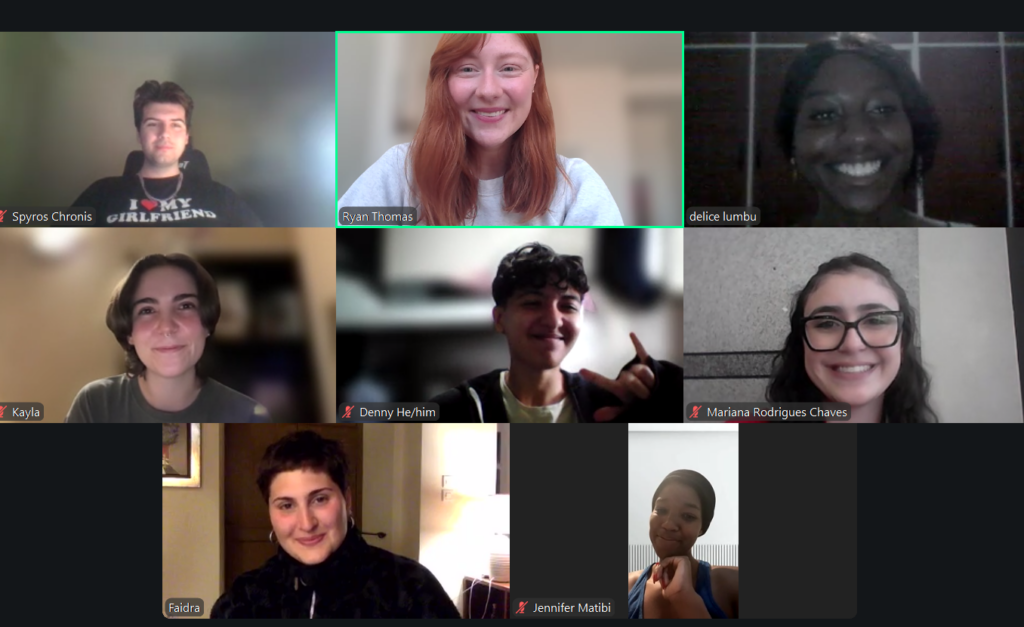
Building on the momentum of the SNF Global Center’s inaugural Global Summit on Youth Mental Health in 2025 and the ongoing work of the GYAC, SNF Nostos 2026 will also spotlight the critical role young people play in shaping the future of mental health. Across the week, youth leaders will share perspectives on how lived experience, community engagement, and innovation can help create more responsive and effective systems of support.
Additionally, a landmark Evidence-to-Policy Review examining what it means to navigate adolescence in an increasingly digital world will be presented. Developed through the Child and Adolescent Mental Health Initiative (CAMHI) in Greece, the youth-led report brings together the latest evidence, youth perspectives, and a roadmap for how governments, institutions, and communities can better support young people in Greece and beyond. Having started in Greece, CAMHI has since expanded into additional core hubs in South Africa and Brazil, as well as partnerships across multiple low- and middle-income countries. We look forward to seeing the positive impacts this expansion will make on youth mental health globally.
Finally, as a special part of the celebration, the Child Mind Institute is proud to share a video reflecting on our transformative partnership with SNF, and the exceptional changes made possible through the SNF Global Center for Child and Adolescent Mental Health. Over the past six years, we have worked together to expand access to care, strengthen mental health systems, support local leaders, and elevate youth voices across communities around the world.
“What we share with the Stavros Niarchos Foundation, is that we both believe that every child, everywhere, deserves mental health.”
Dr. Harold S. Koplewicz
SNF Nostos 2026 is a celebration of what becomes possible when people unite around a shared purpose. With humanity at the core, SNF Nostos 2026 will serve as a reminder that sustained progress begins with people — especially youth, families, communities, and the leaders committed to supporting them. Together, we can build a world where every child counts.
The post A Shared Vision for Children and Young People: Advancing Partnership and Impact at SNF Nostos 2026 appeared first on Child Mind Institute.