Turmoil at the American Diabetes Association has taken a fresh turn, with leaders blocking editors at its flagship journal from publishing an opinion piece and first-person accounts detailing a high-profile controversy at the group’s own annual meeting just last month.
Nearly five weeks after five diabetes specialists were escorted out of a convention center in New Orleans for handing out reprints of an editorial expressing concern over cuts to federal research, the ADA’s flagship journal, Diabetes Care, was preparing to publish an editorial and several accounts detailing the episode, which drew national attention and prompted the ADA to both apologize for the evictions and pledge a formal review. But the organization says it delayed publication pending the outcome of that review — even as there is disagreement about how it is being carried out.
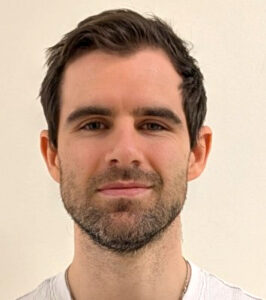
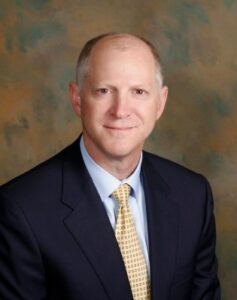
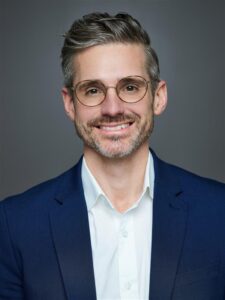
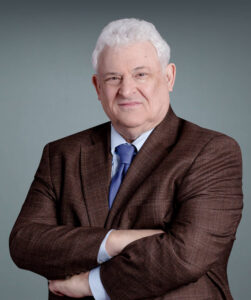
In the spiked editorial and personal accounts, now available on an open-access website, the diabetes specialists who were ejected in early June detail their treatment. Prominent ADA members, including past leaders and one who resigned in the wake of the confrontation, also express dismay over how the events were handled initially and afterward. All voice disappointment over the decision to suppress views opposing policies of the Trump administration while also disagreeing with how ADA’s leadership handled the episode and its aftermath.
The lead up to the chorus of Neil Diamond’s “Sweet Caroline” has become a ritual in stadiums and bars across America, celebrating one of the most universal human experiences: reaching out to touch another person.
For people living with paralysis after a spinal cord injury, that experience often disappears. Damage to the spinal cord not only interrupts movement but also severs the flow of sensory information from much of the body, leaving many unable to feel touch below the site of their injury.
While brain-computer interfaces (BCIs) already restore a measure of independence by translating thoughts into movement, allowing people to control robotic limbs, computers, and other assistive devices, they have long lacked something fundamental: touch. Now researchers report the strongest evidence yet that restoring artificial touch can be done safely over the long term.
In a study published in Science Translational Medicine, scientists followed five people with cervical spinal cord injuries who received tiny electrical pulses directly to the brain’s somatosensory cortex for periods ranging from nearly three years to a decade. Across more than 173 million stimulation pulses delivered over a combined 27 years of implanted use, the researchers found no serious stimulation-related adverse events while consistently restoring sensations of touch to participants’ hands.
One participant in the study described the difference after researchers restored an artificial sense of touch by stimulating his brain.
Charles Greenspon, PhD, Assistant Professor of Neurological Surgery, The University of Chicago [The University of Chicago]
Instead of merely watching a hand grasp another person’s hand, he said, it felt as though he were shaking it himself. “It’s the difference between ‘I told a robotic arm to shake your hand’ and ‘I am shaking your hand,’” Charles Greenspon, PhD, assistant professor of neurological surgery at the University of Chicago and the study’s lead author, told Inside Precision Medicine. “That degree of embodiment is completely impossible without sensory feedback because you just don’t believe it’s yours.”
Creating touch
That sense of ownership—of a prosthetic becoming part of the body—is one of the biggest remaining challenges in neurotechnology. Companies including Neuralink, Precision Neuroscience, and Paradromics have largely focused on reading signals from the brain. Today’s most advanced BCIs excel at reading neural activity, decoding a person’s intentions to move a robotic arm or computer cursor. But they are largely one-way systems, sending nothing back to the brain.
Without sensory feedback, users must rely almost entirely on vision, making movements slower, less natural, and more mentally demanding. Restoring sensation by writing information back into the nervous system has remained a much greater challenge—not because the concept is new, but because evidence that repeated brain stimulation is safe over many years has been limited.
Although involving only five participants, the study is the largest and longest safety evaluation of intracortical microstimulation in humans. The findings address a major obstacle to the next generation of BCIs: proving that the brain can safely receive artificial sensory information over many years. If confirmed in larger clinical trials, the work could accelerate the development of truly bidirectional BCIs that both decode a person’s intentions and restore the sensory feedback that makes movement feel natural.
The researchers’ approach bypasses the damaged spinal cord entirely. Participants received two tiny microelectrode arrays implanted in the region of the somatosensory cortex responsible for hand sensation. Brief electrical pulses delivered through individual electrodes produced sensations that participants perceived as coming from specific locations on their hands.
“Once that device is in, we deliver tiny electrical pulses to the brain directly, and that creates the sensations,” Greenspon said. “The brain cannot functionally tell the difference between something that occurs at your hand and travels up your arm to the brain or directly stimulates the brain.”
Built to last
The researchers also wanted to know whether the implants would continue working after years of repeated use. Like any implanted medical device, microelectrode arrays gradually degrade.
The results suggest repeated stimulation does not accelerate that process. Detection thresholds increased only gradually, and even after a decade, about 60% of the electrodes in one participant could still reliably evoke touch sensations, while about two-thirds remained functional throughout the study. Researchers also found no relationship between how heavily individual electrodes were used and how quickly they deteriorated. “No company is claiming that these implants last forever,” Greenspon said. “It’s the same as a knee replacement.”
The study’s primary goal was straightforward: determine whether years of repeated stimulation would trigger seizures, damage brain tissue, or accelerate deterioration of the implanted electrodes. Across 623 hours of stimulation, participants experienced no seizures and no serious adverse events related to the stimulation itself.
Researchers also found no evidence that the electrical pulses damaged participants’ remaining natural sensation. The only stimulation-related side effects consisted of 53 brief episodes of lingering tingling or buzzing after stimulation ended, most resolving within seconds. “It’s one of the few times where you want a null result,” Greenspon said. “We just wanted to say, ‘Look, we didn’t find anything bad.’”
That absence of problems may ultimately be the study’s most important finding, providing the evidence regulators and device developers need before sensory feedback can become a standard feature of future BCIs.
Closing the brain’s feedback loop
For people who may eventually rely on BCIs outside the laboratory, restoring touch could prove just as important as restoring movement. Without sensory feedback, every movement requires constant visual attention. Greenspon compares the experience to leaving the dentist after a local anesthetic: “You can speak perfectly… It’s because you don’t know where your tongue is.”
Artificial touch changes something more subtle as well. Rather than operating a machine, users begin to experience a prosthetic as part of themselves. Researchers believe that sense of embodiment could make future prosthetic limbs not only more dexterous but also less mentally exhausting to use.
The next major challenge is restoring proprioception—the internal sense that tells us where our limbs are without looking. Current sensory BCIs cannot reproduce that ability. Researchers also hope future systems will deliver richer sensory information, allowing users to distinguish whether an object is soft or hard, rough or smooth, or beginning to slip from their grasp.
The findings arrive as brain-computer interfaces transition from academic laboratories to commercial development. Before sensory neuroprostheses become routine treatments, researchers will still need to conduct larger clinical studies.
For decades, BCI research has focused on teaching machines to understand the brain. The next generation may depend just as much on teaching the brain to understand the machine. If that happens, the most important advance may not be giving people the ability to control a prosthetic hand. It may be giving them the feeling that the hand is their own.
That is what made the participant’s handshake remarkable. The breakthrough wasn’t that a hand closed around another person’s. It was that, for the first time, it felt like their own handshake.
Background: AI is an increasingly prominent feature of contemporary health care, with medical AI systems beginning to support diagnostic and therapeutic processes in many clinical domains. Alongside the anticipated benefits of these technologies, their introduction also raises broader questions about how clinical work and professional roles may change. In particular, medical AI systems may affect physician autonomy, a key factor influencing the acceptance and long-term implementation of new medical technologies. Objective: The aim of this study was to develop and pretest a semistructured interview guide concerning the potential effects of medical AI systems on physician autonomy. Methods: The interview guide was theoretically grounded in a 7-component model of physician autonomy proposed by Schulz and Harrison. Semistructured qualitative interviews were conducted with a sample of 7 hospital physicians. Interview recordings were transcribed and analyzed using a hybrid inductive-deductive thematic approach: themes were first identified inductively from participant responses and subsequently mapped onto the 7-component model of physician autonomy proposed by Schulz and Harrison. Data were analyzed to assess both the potential effects of medical AI systems on physician autonomy and the methodological adequacy of the interview guide. Results: Most participants did not express strong concerns about losing clinical autonomy through the introduction of AI systems. However, several autonomy-related risks were identified, including potential deskilling, automation bias, limited system explainability, and increasing economic or cost-related pressures. Participants emphasized that AI should serve as a supportive tool rather than a substitute for physician judgment. All physicians agreed that AI systems should not replace clinicians as primary clinical decision-makers. Conclusions: Medical AI was largely viewed as compatible with physician autonomy; however, participants highlighted important risks that warrant attention in future research and system design. Our preliminary findings suggest that autonomy-related concerns extend beyond the direct loss of decision-making authority and include broader professional, cognitive, and organizational dimensions. However, our inductively identified themes and subthemes did not fully reflect all components of physician autonomy, indicating the need for further refinement of how to assess physician autonomy in qualitative research.
<img src="https://jmir-production.s3.us-east-2.amazonaws.com/thumbs/863e0d120aa4d3458824761f49d8ac04" />
Attention-deficit/hyperactivity disorder (ADHD) is commonly conceptualized as a disorder of executive dysfunction or impaired motivation. In clinical practice, however, many individuals with ADHD describe a different core difficulty: they can initiate tasks appropriately, understand goals, and exert effort, yet struggle to remain engaged as time-on-task and internal strain accumulate. These failures are often abrupt, ego-dystonic, and strongly context-dependent, posing challenges for models based solely on static deficits or gradual depletion. Building on this phenomenology, we propose a constraint-level framework that conceptualizes ADHD as a disorder of operational capacity—the finite tolerance for sustaining stable mental engagement under cumulative cognitive and emotional demand. Within this framework, sustained engagement is modeled as a buffered state that remains stable while cumulative load is within tolerance but becomes increasingly fragile near saturation and may undergo nonlinear collapse into disengagement. We formalize this governing constraint as Operational Economy (OE)—a regulatory, not energetic, constraint principle—and describe a pre-volitional Global Switching Framework (GSF) that mediates rapid state transitions once engagement stability is exceeded. This formulation integrates and extends cognitive-energetic and state-regulation accounts while explicitly differentiating the OE/GSF framework from these predecessors by its emphasis on threshold-dependent dynamics, bounded tolerance, and asymmetric re-engagement. This framework offers a coherent account of clinical features such as intact initial performance with late-stage disengagement, pronounced time-on-task effects, and context-dependent hyperfocus. The framework generates falsifiable predictions regarding sensitivity to cumulative demand, stress-related acceleration of disengagement, pharmacological effects that preferentially extend engagement endurance rather than normalize peak executive performance, and individual differences across ADHD subtypes and comorbid presentations. These predictions are consistent with existing empirical findings on time-dependent variability in ADHD and provide a basis for future experimental validation.
IntroductionImmersive virtual environments offer organized social contexts for the observation of communication behaviors under standardized and interactive conditions. This study adopts a VR-based observational approach to examine pragmatic social communication behaviors exhibited during structured social scenarios in autistic children, with a specific focus on social reciprocity and context-appropriate verbal communication. MethodsThe study included twenty-five children between the ages of 5 and 12 who were diagnosed with Autism Spectrum Disorder (ASD). A structured social scenario was presented by the Virtual Reality (VR) system to elicit social communication behaviors, including greeting initiation and response, attention to speakers, turn-taking, and context-appropriate verbal responses. Social communication outcomes were assessed using selected domains of the Indian Scale for Assessment of autism (ISAA). In addition, the Social Communication Questionnaire (SCQ) and a VR-based Pragmatic Social Communication Observation Checklist (VR-PSCOC) were used to assess in-scenario behaviors. ResultsThe post-VR analysis revealed measurable changes across the assessed pragmatic social communication domains during repeated exposure to the VR scenarios. Variations were observed in the ISAA social-communication related domains, including speech-language, communication, and social relationship and reciprocity scores (p<0.001). Repeated VR exposure was associated with higher observational scores, indicating observable changes in social communication behaviors within the structured virtual environment. DiscussionThe findings indicate that the structured VR-based social scenarios provide a feasible environment for observing and characterizing social communication behaviors in children with ASD within controlled interaction settings.
Sen. Lindsey Graham’s death Saturday at age 71 following an aortic dissection has focused attention on the life-threatening condition. Details about his diagnosis and treatment are not available while a final death certificate is pending, but experts agree on both how serious it is and how suddenly it erupts after a long prelude.
One cardiothoracic surgeon had questions about the South Carolina senator’s care.
Ketogenic diets, originally developed in the 1920s to treat epilepsy, have been adapted in the past few decades as a strategy to lose weight or increase lifespan. This type of diet (a high percentage of fat, low percentage of carbohydrates, and normal or reduced amounts of protein) forces the body to burn fatty acids for energy in place of carbohydrates such as glucose. Burning these lipids produces ketone bodies—primarily β-hydroxybutyrate (BHB) and acetoacetate—as byproducts of fatty acid metabolism. The impact of ketogenic diets on the gastrointestinal tract remains poorly understood.
In recent years, scientists investigated whether this type of diet might affect the development of cancer. While some research has shown that the diet may protect against the development of colon cancer, a new study suggests that in the small intestine, a ketogenic diet may increase the risk of cancer—with a mechanism through fatty acid oxidation rather than ketone metabolism.
“Ketogenic diets have distinct effects on different tissues even within the gastrointestinal tract. I think the message here is that we need to be very careful in generalizing the effects that these diets can have, because what might be beneficial for one tissue may be detrimental for another tissue,” says Omer Yilmaz, PhD, director of the MIT Stem Cell Initiative, an associate professor of biology at MIT, and a member of MIT’s Koch Institute for Integrative Cancer Research.
A 2022 study in Nature suggested that ketogenic diets have a protective effect against colon cancer and that BHB—the most abundant ketone body—is responsible for this effect. In the new study, the MIT team wanted to explore whether ketogenic diets might have a similar protective effect in the small intestine.
The researchers fed mice who were genetically predisposed to developing intestinal cancer either a ketogenic diet, a control diet, or a high fat/high calorie diet. They found that mice on a ketogenic diet were more likely to develop tumors of the small intestine than those on a control diet. While they did not become obese, mice on the ketogenic diet developed tumors at rates similar to or even higher than those of mice on an obesogenic high fat/high calorie diet.
Additional studies revealed that ketone bodies did not play a role in tumor development. Instead, tumor growth was driven by fatty acid oxidation. This pathway activates the PPAR family of proteins, which signal stem cells to multiply more rapidly, increasing the chance that some become cancerous.
Surprisingly, the same ketogenic diet that promoted tumors in the small intestine had the opposite effect in the colon. The researchers found, similar to the earlier study back in 2022, that a ketogenic diet suppressed the development of colon tumors. However, the new findings suggest that ketone bodies are not responsible for this protective effect.
“Given how much attention has been paid to ketone bodies like BHB,both as a commercial health trend and in recent high-profile studies suggesting BHB suppresses colon cancer, we fully expected them to be the direct drivers. Instead, our experiments in genetically engineered mice revealed that these molecules are essentially metabolic bystanders. The real surprise is that tumor acceleration is driven entirely by how stem cells process and burn the heavy influx of dietary fat itself,” Yilmaz says.
The researchers now hope to further study why ketogenic diets have such different effects in the colon and the small intestine. As ketogenic diets continue to gain popularity, understanding these tissue-specific effects will be critical for guiding their use, the researchers say.
The findings carry practical implications. Because the diet’s effects—both the tumor acceleration in the small intestine and the protection in the colon—are driven entirely by fat metabolism rather than the ketones themselves, commercial ketone supplements or drinks would not be expected to mimic either the risks or the benefits discovered in this study. This may be especially relevant given that small intestinal tumors have been rising in incidence in recent decades, with the greatest impact on patients with inherited conditions that predispose them to intestinal cancer, such as familial adenomatous polyposis.
For most new parents, that’s an interaction—you get the baby’s attention, and the baby babbles back—that is expected to happen. For Sierra, that never happened with her son, Travis. Born six weeks early, Travis spent about a week in the NICU. To get out of the NICU, he had to pass a newborn hearing test. Only Travis didn’t pass.
Initially, Sierra and her husband were told that it likely was something simple and common, like fluid in his ears. But that all changed when they met with an audiologist, who, after some testing, found that Travis’s ears could hear, but his brain wasn’t getting the signal. He was deaf. 100% deaf. The type of deafness that isn’t amenable to cochlear implants or hearing aids. If a child’s hearing loss is caused by auditory nerve issues (or a missing cochlea), they likely are not eligible for a cochlear implant.
Sierra went back to her home in East Greenbush, NY, a town near Albany that’s about a three-hour drive from NYC, where, like many concerned mothers, she dove into the world of internet research. That’s when she found the story of Opal Sandy. A British toddler born completely deaf, Opal made global headlines when she became the youngest patient in the world to have a gene therapy injection in the ear. Opal’s congenital deafness was linked to mutations in the OTOF gene, critical to inner hair cell function. At just 11 months old, a 16-minute procedure would provide a functional OTOF gene—an infusion of an AAV1 gene therapy into Opal’s cochlea—that ultimately restored her hearing, even without aids.
When Sierra saw Opal’s story, something clicked. In speaking with Inside Precision Medicine, Sierra replays the moment: “I wonder if that’s what this is. There’s nobody in my family or around the father’s family that’s deaf, so what are the chances?”
Feeling hopeful, Sierra went to the audiologist and asked whether Travis could be dealing with the same thing and whether genetic testing could be done. But Sierra was shot down by the audiologist, attributing the deafness to jaundice and being born prematurely. Sierra, refusing to back down, said, “I really advocated for it. ‘Can we just rule it out?’ Opal’s story is incredible. What’s the chance? It’s really rare. So, I fought for it.”
For the ensuing months, Sierra tirelessly tried to get in touch with a doctor who could take on Travis’s case and found Larry Lustig, MD. Lustig is one of the nation’s leading experts in hearing loss, chair of the Department of Otolaryngology—Head and Neck Surgery at the Columbia University College of Physicians and Surgeons and otolaryngologist in chief at New York-Presbyterian Hospital/Columbia University Medical Center. That meant Lustig was within driving distance. He also happened to be at the early stages of a clinical trial testing a brand new OTOF gene therapy.
Gene therapy and the genetics of deafness
The inner ear, with its complex network of sensory neurons and hair cells, was shrouded in mystery for a long time because of the dearth of reliable research techniques. The majority of the diagnoses were “geographic,” meaning they were attributed to the physical locations of sensory structures.
Modern genetics transformed hearing research by identifying specific genes and chromosomal loci responsible for deafness. In the late 20th century, linkage studies mapped key loci and identified major genes like POU3F4, DIAPH1, and GJB2, which accounts for a large percentage of congenital non-syndromic hearing loss cases. As genetic testing became more common, more than half of children with hearing loss had a genetic cause, many of which were loss-of-function. Today, over 150 genes have been identified that can lead to hearing loss.
In the 1990s, Christine Petit, MD, PhD, and her team at the Institut Pasteur investigated a type of congenital hearing loss called autosomal recessive, nonsyndromic prelingual deafness, or DFNB9. Using a candidate gene approach, the DFNB9 locus was mapped to chromosome 2p23.1 in 1996 by studying a genetically isolated family from Lebanon. In 1999, Petit lab researcher Shin’ichiro Yasunaga led an effort that identified that the DFNB9 locus resided in a novel human gene, OTOF, work that was published in Nature Genetics.
Petit’s lab wrote another Cell paper in 2006 describing otoferlin as a Ca²⁺-sensor needed to transmit hair cell sensory transduction signals to the auditory nerve. That article, co-led by Isabelle Roux and Saaid Safieddine, also provided an essential tool: a mouse knockout of OTOF.
Lawrence R. Lustig, MD, Chair of the Department of Otolaryngology—Head and Neck Surgery at the Columbia University College of Physicians and Surgeons and a trial investigator
In 2009, Lustig, then at the University of California, San Francisco (UCSF), and colleagues created a mouse knockout for a gene called VGLUT3, which had almost the same characteristics as the OTOF knockout, from the deafness phenotype to the structure and function of the synapse. Three years later, Lustig’s lab restored the hearing in the VGLUT3 knockout mouse using virally mediated gene therapy—an important discovery for the treatment of genetic deafness. This success launched Lustig onto the pathway of cochlear gene therapy, and by 2019, Lustig’s team had successfully restored normal hearing in animals with OTOF-related deafness.
After Lustig began genetically restoring hearing in mice, Regeneron developed the DB-OTO program under Jonathon Whitton, AuD, PhD. That was in 2017, a time when few believed in gene therapy, and by 2023, Whitton, Lustig, and other collaborators had launched the CHORD (Children/Infants with Hearing Loss Due to Otoferlin Mutations) trial.
By the time Sierra had met with Lustig in 2024, the stage had been set for 6-month-old Travis to qualify for the CHORD trial. “When I found out that it was a genetic thing, that they were working on it, and this was the one mutation they could cure—like, what is the chance that the year I find out my son has this, they’re working on it at the same time?” said, “Everything lined up perfectly.”
The question was whether Travis was fit. To find out, the next year was filled with a battery of tests, and if Travis were a candidate for the trial, the treatment was by no means a guarantee since the CHORD trial was in its infancy—no child had been treated yet.
“It was really scary because I sat down with Dr. Lustig, and he said, ‘Hey, we don’t know the risks,’” said Sierra. “At that point, he’d never even done the surgery before. When I signed up for it, I wasn’t sure what would happen. They’re drilling into my one-year-old’s head. It’s a very scary thing as a mother to make that decision.”
About a year after first meeting Lustig, On June 16, 2025, when Travis was 18 or 19 months old, the surgery happened. By that time, Lustig had performed the operation on two other children.
Hearing, for real
Lustig and Whitton often refer to a video filmed by a mother of a child from the CHORD trial months after being treated with DB-OTO. Standing behind her daughter, the mother unexpectedly claps. To her surprise, her daughter spins around for the first time in her life and looks at her mom. The mother goes wild with joy. According to the mother, the moment was so shocking that the father didn’t believe the mother until he got home and saw it with his own eyes.
A year later, the family shared another video showing their daughter reading outdoors with her mother despite the distraction of background noise. In the video, the child stopped and said she heard an ambulance, which is barely audible. That moment wasn’t a one-off, as parents of the children who received DB-OTO could hear their parents from a distance. “If they’re in the park and your kid runs away—which happens, I have a three-year-old…that’s what they do—you can call your kid and they hear you and stop,” said Whitton. “This same parent had a child who only has implants, and they said their child runs away; they’re gone. They can’t hear. That’s a real safety issue.”
Jonathon Whitton, AuD, PhD, Vice President, Global Program Head of Genetic Medicines, Regeneron [Regeneron]
That passive listening is also incredibly important for child development. “Most things that kids learn are not things we’re trying to teach them,” said Whitton. “They overhear stuff all the time. That’s how they learn how to say curse words and things like that. They’re constantly learning from their environment, and it’s really important that kids can do that.”
The FDA granted accelerated approval to Otarmeni (lunsotogene parvec-cwha) on April 23, 2026, making it the first and only gene therapy available to treat genetic sensorineural hearing loss. Whitton, Lustig, and their colleagues will continue following participants for a decade to study durability and long-term development. But for many involved, the results already feel transformative. “This is the first approved medicine, period, for inherited deafness,” said Whitton. “So, it’s only the beginning there.”
Researchers say the FDA’s fast-track process validated the strength of the early data and accelerated momentum throughout the field. “Now we have a legitimate therapy that works,” Lustig said, adding that early results “work better than cochlear implantation.” The treatment also appears to be durable, with reports from clinical trials across multiple Chinese hospitals using an almost identical OTOF gene therapy approach suggesting benefits continue to improve “well over a year out.”
Perhaps most significantly, the success has energized efforts to develop therapies for more common forms of genetic deafness. “We’re going to be seeing a number of different clinical trials in the next couple of years,” Lustig said. “To me, that’s just an amazing place to be. I never would have thought we would have been here even five years ago.”
Buzzing with approval
The extraordinary excitement doesn’t end the results and accelerated approval of Regeneron’s gene therapy. What surprised many experts most was Regeneron’s decision to provide the therapy free of charge. The decision could reshape the economics of rare disease treatment. “It’s amazing for patients, particularly those that may not have access to them otherwise because their insurance companies wouldn’t want to pay for them,” Lustig noted.
Unlike many gene therapies that target conditions with no existing treatment, genetic deafness already has an established intervention in cochlear implants. “Cochlear implants work great, but it’s not natural hearing,” Lustig explained. “Suddenly you have this natural hearing, and if you’re going to charge $1 million a shot, it will be hard to get people to join in when you have a much cheaper alternative that we know works.”
Arthur L. Caplan, PhD, a leading bioethicist from New York University Grossman School of Medicine, called Regeneron’s free Otarmeni strategy “brilliant.” Given the small eligible population, the commercial upside is inherently limited, with a price point that would likely sit “in the seven figures.”
Arthur L. Caplan, PhD, Research Professor, Department of Population Health, New York University (NYU) Grossman School of Medicine [NYU Grossman School of Medicine]
Caplan thinks Regeneron’s scale enables the pricing decision, contrasting it with smaller biotech firms that must immediately recoup investment. In his view, “the only way to take some of these gene therapies to market is to start the work as a small entity but then get sold to someone much bigger that has the resources to be able to price a bit more reasonably.”
Caplan emphasized that the decision to make Otarmeni free is not totally purely altruistic. “There’s a point to it that is somewhat in the company’s interest,” said Caplan. “By saying we’re going to do it free, they still get to collect data.” He added that Regeneron could also achieve something broader: “redeem the reputation of gene therapy.” The field has recently faced setbacks, including inconsistent efficacy and safety concerns. In that context, the pricing strategy aims to “rehabilitate” gene therapy’s image.
Ultimately, the decision to make the therapy free is viewed as both bold and experimental. “I was surprised, but kind of pleasantly surprised,” Caplan said. And the presence of regulatory acceleration only adds to the sense that the field is shifting quickly: “it shows regulatory cooperation with the kind of innovation people want examples of.”
And for people like Sierra, the decision is life-changing. “When I first started emailing all these companies, I didn’t know how much the surgery was going to be,” said Sierra. “I was ready to take out every loan and sell everything I owned. If my kid can hear how much I love him, it’s worth it. I’d sell everything.”
Look who’s talking
In his most recent hearing tests, about nine months post-surgery, Travis has shown gradual improvement. But it’s not perfect: his right ear has mild hearing loss, and the left is more moderate to severe. Yet, there’s still a chance for it to improve.
DB-OTO has not only begun to give Travis his hearing back—he’s beginning to speak. “Before the surgery, he was completely silent and did not make any noise at all,” said Sierra. “Now he’s jibber-jabbering, as a seven- or eight-month-old hearing baby would. He’s starting to try to talk.”
Though Travis is delayed, with speech therapy and possibly hearing aids, soon he could be walking and talking, living as close to a normal life as any child could.
BackgroundA hyperthymic temperament and high perceived energy are often framed as positive dispositional traits, particularly in later life. Indeed, these characteristics are generally associated with a greater tendency to preserve autonomy and with more favorable outcomes in terms of health, engagement, and participation in community life-key dimensions of successful aging. However, the relationship between elevated perceived energy and cognitive performance in older adults remains insufficiently explored. Therefore, this exploratory study aimed to compare cognitive performance and well-being in older adults with different self-reported levels of subjective energy, and to explore potential phenotypic heterogeneity within this population.MethodsWe conducted a cross-sectional study on older adults from the general population. Participants were classified as having higher versus lower levels of perceived energy based on item 10 of the Short Form Health Survey (SF-12) questionnaire. Cognitive performance was assessed using the Addenbrooke’s Cognitive Examination-Revised (ACE-R). Depressive symptoms were evaluated with the Patient Health Questionnaire-9 (PHQ-9), biological and behavioral rhythm regulation with the Biological Rhythms Interview of Assessment in Neuropsychiatry (BRIAN), and quality of life with the SF-12 were also evaluated to characterize overall well-being.ResultsStatistically significant difference emerged in global cognitive performance between individuals with higher versus lower perceived energy (ES ACE-R p=0.012). Although subscale scores were within the normative range in both groups, individuals with higher perceived energy consistently showed significantly lower scores in language (p = 0.011) and attention/orientation (p = 0.049) compared to the lower perceived energy group. Interestingly, the higher perceived energy group also reported fewer depressive symptoms (p = 0.013), better social and behavioral rhythm regulation (p = 0.005), and higher quality of life (p < 0.001).Discussion/ConclusionsHyperenergy in older adults with preserved well-being is not associated with global cognitive impairment, but rather with subtle domain-specific performance variations, suggesting a heterogeneous underlying profile. These findings support a high-energy profile that does not appear to be associated with functional impairment, but is instead characterized by preserved or enhanced functioning and overall well-being, despite selective areas of lower performance. Longitudinal studies are needed to clarify its clinical and cognitive implications.