According to the World Health Organization (WHO), tuberculosis, caused by the bacterium Mycobacterium tuberculosis (Mtb), is the world’s deadliest single-agent caused infection, responsible for 1.23 million deaths in 2024. The bacterium’s outer cell membrane is difficult hard to penetrate, making few drugs effective in treating the disease.
“Mtb is unique,” said Sloan Siegrist, PhD, associate professor of microbiology at UMass Amherst. “Not only does it have two membranes that protect the cell from antimicrobial chemical compounds that we might use to kill it, its outer membrane is unlike any other biological barrier out there.”
Siegrist’s lab specializes in finding vulnerabilities in the mycomembrane to develop drugs that can effectively treat tuberculosis. However, traditional drug discovery has relied on low throughput experimental screens. In 2023, Siegrist, in collaboration with Marcos Pires, PhD, professor of chemistry at the University of Virginia, published Peptidoglycan Accessibility Click-Mediated AssessmeNt (PAC-MAN), a method that can test many compounds in parallel.
“Marcos and I wanted to harness measurements of known chemicals to predict compound uptake for unknown chemicals, so we brought in computational biologists and chemists, including my colleague Anna Green, PhD, from UMass Amherst’s Manning College of Information and Computer Sciences,” said Siegrist.
Green uses computation to understand patterns in biological compounds. “Small molecules can be particularly difficult to analyze computationally,” she says. “Because they come in all different sizes with a wide range of molecular connections, you can’t describe them with a single measurement, by weight, say, or size.”
Green and colleagues designed a machine learning model, the Mycobacterial Permeability neural Network (MycoPermeNet), trained on the PAC-MAN screening data. The model can predict how readily a compound permeates the mycomembrane from its chemical structure alone and points to the physical properties that help a compound penetrate Mtb’s defenses.
“The mycomembrane lets some molecules through and keeps others out,” says Green. “There must be something about this membrane, and about the chemistry of each molecule, that decides which ones get in—and our combined tools help us figure out which ones can get through, and why.”
Knowing that the protein tissue kallikrein-1 (KLK1) is effective in treating ischemic diseases is one thing. Manufacturing it as a recombinant protein has been quite another. So, when DiaMedica Therapeutics cracked the manufacturing aspect, it was well on its way toward commercializing KLK1 therapeutics.
The manufacturing breakthrough came when researchers realized that protein activity (which is essential for therapeutic benefit) was linked to certain glycosylation patterns. DiaMedica engineered the molecule to reflect those glycosylations and also made two changes to the amino acid sequence to improve manufacturability. “Then we partnered with Catalent,” Rick Pauls, president and CEO, says. “We are using its GPEx® technology with CHO cells,” which produces more cells within the same timeframe and thus lowers manufacturing costs.
Tenacity in action
This happened neither easily nor quickly. To understand the measure of this achievement, we need to look at DiaMedica’s history.
KLK1 came to DiaMedica’s attention because of liver research. “A liver physiologist cut the vagus nerve [which regulates liver metabolism] and discovered that the rats, effectively, became diabetic,” Pauls recounts. “We hypothesized that when a healthy person consumed a meal, the liver releases something that acts as an insulin sensitizer. We did some basic work and identified KLK1 as that insulin sensitizer.”
The company was founded in 2004 to develop a KLK1 therapeutic for complications related to Type II diabetes. Those trials failed. “It’s a long story,” says Pauls, that left the company “pretty close to bankrupt.”
DiaMedica, though, was tenacious. “We knew there was a human urine form of this protein that had been used for a few decades in Asia to treat acute ischemic stroke, and a porcine form treating hypertension for decades as well,” Pauls recalls. DiaMedica had the protein and the manufacturing know-how to produce active, recombinant proteins, and—with KLK1 levels low in stroke patients—a reason to pivot.
Ischemic stroke and preeclampsia
Its lead compound, DM199 (rinvecalinase alfa), is enrolling patients in Phase II/III trials for acute ischemic stroke. Called the ReMEDy2 trial, the company anticipates an interim readout near year’s end. Additionally, Phase I and II studies for preeclampsia and Phase II studies for fetal growth restriction are underway.
“This is protein restoration,” Pauls says. It targets ischemic stroke patients who have missed the three-to-four-hour post-stroke treatment window for tissue plasminogen activator (tPA) therapeutics or mechanical thrombectomy. Those patients constitute approximately 80% of acute ischemic strokes today, so “there is a huge unmet medical need,” Pauls says.
DM199 works by restoring normal levels of the KLK1 protein. KLK1, in turn, is thought to enhance the production of nitric oxide, prostacyclin, and endothelium-derived hyperpolarizing factor. Pouring through their own preclinical and clinical results, the DiaMedica team noticed that DM199 consistently enhanced blood circulation and lowered blood pressure.
That realization drove the team to also target preeclampsia, a hypertensive disease of pregnancy that Pauls says may be the company’s most exciting application for investors.
Unlike approved blood pressure therapeutics, DM199 does not cross the placental barrier, a critical safety feature that protects the fetus. After examining early clinical data, DiaMedica scientists also realized that increasing blood flow to the placenta could target the root cause of the disease and perhaps gain another few weeks of crucial time in utero for the fetus.
“Today, there are no approved treatments. Mothers are given labetalol and nifedipine to control blood pressure and to extend the baby’s time in utero for only a few days.” Results are less than ideal, and the consequences can be severe.
Pauls says, “Some 40% of babies born before 28 weeks could have long-term disabilities, and 10 to 15% will have problems with eyesight for life. There’s been a real lack of drugs in development because developers are worried about harming the baby.”
An investigator-led Phase II clinical trial is enrolling. Later this year, the company plans to initiate its own Phase II study focused on early-onset preeclampsia after recently receiving regulatory clearance to start the study in Canada.
If the molecule eventually is approved for preeclampsia, DM199 seems poised to become, perhaps, the first approved treatment that offers the potential to extend gestational days and possibly address a root cause of preeclampsia.
Leveraging the pivot
Unlike many biopharmaceutical companies, DiaMedica has been able to bypass some of the usual first steps by leveraging existing studies on KLK1, as well as existing clinical data for stroke and preeclampsia.
That allows researchers to focus on humans without the translational issues inherent in animal studies. It also helps the company identify the human subgroups most likely to benefit from these treatments and the most appropriate dosing regimen early. “Having that clinical data helps de-risk our program and gives a better possibility of success,” Pauls says, because, as he points out, “Animals are not the same as people.”
Once the company pivoted to its current indications six or seven years ago, the challenge shifted from getting and manufacturing the active form of the protein to selecting the best indications and assembling the right team members.
“In the early days, maybe we didn’t have the right level of experience with limited capital,” he admits. Today, “we’ve been able to bring people on board who have brought drugs to market.”
Readouts due in 2027
Currently, the company is focused tightly on its clinical trials. The next step for DiaMedica is to get readouts from many of those, with five readouts on various aspects of the programs expected between now and the end of 2027. Each of those readouts will report on about 30 patients and will be factors in the design of a subsequent pivotal trial.
Additionally, an interim analysis of the first 200 patients in its acute ischemic stroke trial is expected by the end of the year, Pauls says. “If we see a drug effect that’s comparable to our Phase II trial or the data with the urine form (of KLK1) from China—which treats close to a million patients per year—we’ll be looking at completing enrollment the following quarter for stroke and then for preeclampsia. DiaMedica is dedicated to offering second chances to acute ischemic stroke patients and others who haven’t had them before, all while pivoting to new opportunities itself. Now, as trials advance, Pauls says, “I think this should be a straightforward path.”
DiaMedica Therapeutics
Location: 301 Carlson Parkway, Suite 210, Minneapolis, MN 55305
Phone: (763) 496-5192
Principal: Rick Pauls, president and CEO
Number of Employees: 35
Focus: DiaMedica is a clinical-stage company developing recombinant KLK1 protein restoration therapeutics for acute ischemic stroke, preeclampsia, fetal growth restriction, and other conditions with large unmet needs.
As proteolysis-targeting chimeras (PROTACs) mature from scientific breakthrough to clinical modality, a candidate’s degradation potency is no longer enough to justify its advancement. A strong degrader is not necessarily a strong drug candidate if liabilities in exposure, safety, selectivity, manufacturability, or dosing strategy emerge later. As the field advances, success will depend on whether sponsors can integrate chemistry, pharmacology, safety, manufacturability, and clinical strategy early enough to translate promising degraders into viable medicines.
PROTACs have helped redefine what may be possible in drug discovery. By harnessing the ubiquitin-proteasome system to eliminate disease-relevant proteins, rather than simply inhibiting their activity, they have expanded the scope of targets that may be therapeutically addressable. For the past several years, much of the excitement around PROTACs has centered on this breakthrough mechanism. The field has been driven by the promise of degrading previously “undruggable” proteins, improving selectivity, and potentially overcoming resistance mechanisms that limit traditional inhibitors. But as clinical programs progress and the modality moves closer to late-stage regulatory milestones, the central question is changing.
The issue is no longer whether targeted protein degradation works. It is whether promising degraders can be translated into clinically and commercially viable therapies.
That transition marks an important phase of maturity for PROTAC development. The next wave of progress will depend on translational discipline and the ability to balance potency with developability, pharmacology, safety, manufacturability, and clinical feasibility from the earliest stages of development.
Entering a new phase of maturity
Early PROTAC innovation was rightly focused on validating the modality itself. Demonstrating that a heterobifunctional molecule could recruit an E3 ligase, drive ubiquitination of a target protein, and induce selective degradation was a foundational scientific achievement. That early work established targeted protein degradation as part of a broader wave of transformational therapeutic modalities, alongside approaches such as RNA interference therapeutics and antibody–drug conjugates, that have expanded what drug developers can target and how they think about translation.
Today, however, the field is operating under a different set of expectations. As more candidates advance through clinical development, sponsors must show not just that a PROTAC can degrade a target, but that it can do so with an exposure profile, safety margin, formulation strategy, and manufacturing pathway appropriate for clinical applications. A potent degrader in vitro may still fail to become a viable development candidate if it cannot achieve sufficient intracellular exposure, is metabolically unstable, if its degradation profile extends beyond the intended target set, or if its chemistry introduces manufacturing and formulation complications that slow advancement.
In other words, the scientific novelty of a modality can carry a program only so far before technical feasibility must be addressed for a candidate to advance. For PROTACs, that moment has arrived.
Potency alone is an incomplete metric
Degradation potency remains important. Maximum degradation, degradation half-life, and related pharmacodynamic measures are essential for understanding whether a molecule is engaging its biology as intended. But potency on its own can be misleading, particularly when it becomes the dominant criterion for candidate selection.
PROTACs are not conventional inhibitors. Their event-driven, catalytic mechanism introduces complexities that make exposure-response relationships less intuitive than those seen with traditional small molecules. Biological effects may persist after plasma concentrations decline, while higher concentrations do not necessarily lead to greater activity. In some cases, excessive exposure may even reduce degradation efficiency because of saturation effects that limit productive ternary complex formation.
This means the “best degrader” in a screening cascade is not always the best drug candidate. A molecule may demonstrate impressive degradation in a cellular assay while carrying liabilities that emerge only later, such as poor permeability, limited oral bioavailability, rapid linker metabolism, high nonspecific binding, unstable analytical performance, or off-target degradation driven by ligase biology or ternary complex behavior. If those issues are not considered early, potency can create a false sense of confidence in a degrader’s potential for clinical use.
Development workflows fall short
One reason translational issues emerge so frequently in PROTAC programs is that many development workflows still reflect assumptions built around traditional small molecules. In those models, discovery, DMPK, bioanalysis, toxicology, and chemistry, manufacturing, and controls (CMC) often proceed in a staged or partially sequential manner, with each function evaluating modality-relevant properties within its own domain before handing it forward.
With targeted protein degraders, however, early chemistry decisions can directly influence permeability, intracellular exposure, metabolic clearance, assay reliability, biodistribution, and manufacturability. Linker design, ligand selection, and overall polarity are not simply medicinal chemistry concerns; they shape how the molecule behaves across the entire development continuum. Likewise, a bioanalytical challenge may obscure the interpretation of PK/PD relationships, complicate dose optimization, or delay confidence in candidate selection.
The same is true for safety. Because PROTACs eliminate proteins rather than transiently inhibiting them, the consequences of target engagement can differ meaningfully from those associated with conventional inhibitors. On-target toxicity may emerge when complete or prolonged degradation is not tolerated, even if partial functional inhibition is acceptable. Off-target effects may arise not only from target promiscuity, but also from E3 ligase recruitment and unintended ternary complex formation. These risks cannot be addressed effectively if safety is considered only after potency and exposure have been optimized.
Traditional workflows can also underweight manufacturability and CMC considerations. PROTACs are generally handled as small molecules, but their structural complexity can create multi-step synthesis challenges, impurity-control difficulties, and formulation constraints much earlier than teams may expect. When these issues are discovered late, promising programs can lose momentum for reasons that have little to do with biology.
The core issue is not organizational design alone. It is that PROTACs expose the limits of linear decision-making. They require earlier integration because the liabilities that determine success are tightly interconnected.
PROTAC-specific development
If PROTACs require a different development model, what would it look like?
First, a successful PROTAC development plan should begin with balanced optimization across parameters rather than sequential, single-parameter optimization. Candidate selection should account not only for degradation potency, but also for permeability, solubility, metabolic stability, intracellular exposure, selectivity, formulation feasibility, and synthetic tractability. Programs that rank candidates holistically are better positioned to recognize which molecules are genuinely translatable.
Second, the PK/PD strategy should be built around the biology of degradation. Because systemic exposure does not fully explain pharmacological effect, teams increasingly need direct measures of target degradation and recovery kinetics, not just plasma concentration data. Mechanistic PK/PD models can help connect degradation durability, protein resynthesis, and dosing schedule in a way that better reflects how PROTACs work in vivo.
Third, bioanalysis should be treated as a strategic enabler rather than a downstream technical function. PROTACs can introduce assay complications, including nonspecific binding, chromatographic artifacts, and instability across matrices. Robust analytical methods are essential not only for quantitation but for making reliable decisions about exposure, disposition, and translation across study systems.
Fourth, safety assessment must expand beyond conventional assumptions. Early proteomic profiling, tissue distribution analysis, and evaluation of degradation selectivity can help identify liabilities before they become entrenched in a program. For PROTACs, understanding where degradation occurs, how long it persists, and what unintended proteins may be affected is central to designing an acceptable therapeutic window.
Finally, CMC and manufacturability should be considered earlier than many teams may be accustomed to. A molecule with compelling pharmacology but limited synthetic scalability, poor solid-state properties, or unstable formulation behavior may not be a strong development candidate. Integrating these realities earlier supports smarter program prioritization and reduces late-stage surprises.
Taken together, these elements define a development playbook centered on translation. They signal a maturation of the field, in which the emphasis shifts from demonstrating biological power to establishing overall developability, recognizing that promising degraders must ultimately succeed as integrated therapeutic candidates, not just mechanistic innovations.
Sponsors can improve the odds
For sponsors advancing PROTAC programs, translation should be a design principle from the beginning. That starts with cross-functional alignment early in discovery. Chemistry, DMPK, bioanalysis, safety, and CMC teams should work together to shape candidate criteria, so that trade-offs are recognized early, and optimization reflects the realities of development rather than the priorities of any one function.
It also means adopting more realistic success metrics. Degradation data should remain central, but it should be interpreted alongside developability, not in isolation from it. Sponsors may also benefit from building translational assays and biomarkers earlier. The ability to directly measure target degradation and connect it to pharmacodynamic effect can strengthen decision-making throughout preclinical and clinical development. In a modality where traditional exposure markers may be incomplete, translational pharmacology can provide strategic direction.
Most importantly, teams should resist the temptation to force PROTACs into a conventional small-molecule framework. These candidates may be classified as small molecules for many regulatory purposes, but functionally, they behave as a distinct modality. Treating them as such allows the development strategy to evolve in step with biology.
The next phase of PROTAC success
PROTACs have already shifted the pharmacological landscape around drugability. Their next contribution may be just as important by forcing the industry to rethink what a good development strategy looks like for complex, mechanism-driven therapeutics. As the field matures, successful drug sponsors will be those who can translate degradation into a developable, manufacturable, safe, and clinically meaningful therapy. That requires a different playbook built on integration, balanced optimization, and translational discipline. For PROTACs, that is no longer a future concern. It is the central challenge of the present.
Shanghao Li, PhD, currently serves as international marketing associate director in the Laboratory Testing Division at WuXi AppTec.
A new class of biotech buyer is emerging, as frontier AI and big tech companies acquire early-stage biology foundational platforms. How do big tech acquisitions differ from traditional pharma exits, and what are the potential implications for founders, investors and the pharmaceutical industry?
With hantavirus thrust into the public spotlight in recent months, a new effort in South Korea aims to advance vaccine development against the rodent-borne pathogen using mRNA technologies.
Korea University College of Medicine has been selected to lead a government-supported initiative focused on developing next-generation hantavirus vaccines. The program will be conducted through the institution’s Vaccine Innovation Center.
Hantaviruses are carried primarily by rodents and can infect humans through exposure to contaminated urine, droppings, or saliva. Depending on the viral strain, infection can cause hantavirus pulmonary syndrome (HPS), a severe respiratory illness, or hemorrhagic fever with renal syndrome (HFRS), a disease characterized by kidney dysfunction and bleeding complications. Although relatively rare, hantavirus infections can carry high mortality rates and remain a public health concern in parts of Asia, Europe, and the Americas.
The renewed focus on vaccine development comes amid growing interest in preparedness for emerging and re-emerging infectious diseases. While mRNA technology gained worldwide recognition during the COVID-19 pandemic, researchers have increasingly explored its application against a broader range of viral threats.
According to Korea University, the newly funded program will leverage the rapid development potential of mRNA platforms to generate vaccine candidates targeting hantavirus infection.
“The Vaccine Innovation Center is the only private-sector vaccine research and development institute in Korea established to carry forward the scientific legacy of Dr. Ho-Wang Lee, who first discovered the hantavirus,” said Hee-Jin Cheong, MD, PhD, director of the Vaccine Innovation Center. “Beginning with hantavirus vaccine development, we aim to lead infectious disease research in Korea and contribute to improving public health.”
The initiative will draw on two domestically developed technologies: self-amplifying mRNA (sa-mRNA) and a next-generation lipid nanoparticle (LNP) delivery platform. Unlike conventional mRNA vaccines, sa-mRNA contains genetic instructions that enable replication of the RNA within cells, potentially generating stronger immune responses while requiring lower doses. The platform is intended to support rapid vaccine development and manufacturing while reducing dependence on overseas intellectual property.
The project builds on research conducted over the past two years at the Vaccine Innovation Center in collaboration with Moderna. The new program will seek to translate preclinical study findings into a next-generation vaccine candidate developed in partnership with biotechnology companies.
Under the two-year project timeline, researchers will spend the first year optimizing vaccine candidates and evaluating their efficacy. The second year will focus on Good Manufacturing Practice (GMP)-compliant production and safety testing.
Researchers have increasingly viewed mRNA platforms as particularly attractive because they can be rapidly redesigned when emerging threats arise. Lessons learned from COVID-19 vaccine development have helped establish manufacturing, regulatory, and clinical frameworks that may accelerate future vaccine programs.
As concern over emerging infectious diseases continues to shape global health priorities, programs such as this one may help expand the range of vaccine technologies available to combat pathogens that have historically received limited research attention.
Over the last decade, the microbiome has shifted from a scientific curiosity to one of the most promising frontiers in biology and medicine. Whether it’s gut microbes that influence the host’s metabolism, an oral microbe that prevents cavities, or a microbial consortium that improves immunotherapy response in cancer—each discovery brings growing excitement.
As the excitement has grown, so too has the realization that identifying microbes is only part of the story. Preserving microbial viability and physiological relevance—particularly with regard to anaerobes and microaerophiles—throughout collection, transport, and cultivation is a critical prerequisite for accurately measuring microbial behavior.
The field is also shifting from descriptive microbiome research towards mechanistic understanding—using metabolic phenotyping, which directly measures microbial activity including nutrient and substrate utilization, cell growth, stress response, and more. Because only when we truly understand how microbes behave can we begin to shape them into powerful tools for healing.
Next generation sequencing (NGS) has transformed our ability to identify which species are present in a microbial community (“who’s there”) and what they may potentially be capable of. However, gene presence does not guarantee gene expression or necessarily reflect real-world activity (“what the microbes are doing”). Two strains may carry similar metabolic genes yet behave very differently under gutrelevant conditions.
These are some of the important functional questions sequencing alone can’t answer:
What metabolic pathways are actually active?
How do the microbes adapt to various environments and interact?
What is the optimal environment to produce critical metabolites?
As the field pushes toward developing live biotherapeutic products, evidence-backed probiotics, and next-gen biomarkers, understanding these functional traits is essential.
This eBook explores how researchers can move beyond correlation and towards mechanism in microbiome research—from preserving physiologically relevant microbial communities to directly measuring microbial function through phenotyping.
Vertex Pharmaceuticals will spend $10 billion to acquire Crinetics Pharmaceuticals and its drug for a rare endocrine disorder, the companies announced Monday.
Through the deal, Vertex will pick up Crinetics’ commercial drug, Palsonify, which was launched last year and which treats a rare endocrine disorder called acromegaly, as well as other drug candidates that have blockbuster potential if approved. The company is also in the late stages of developing a therapy for congenital adrenal hyperplasia.
The $10 billion price tag for Crinetics amounts to roughly $85 per share of the company’s stock. Following the news, Crinetics shares rose 101% in after-hours trading.
The infrastructure moment for AI-driven drug discovery continues to accelerate, with billion-dollar investments flowing into end-to-end platforms driven by models and compute, rather than single drug assets.
Underpinning this trend is the proliferation of AI reasoning workflows that accelerate biomedical research and large integrated datasets spanning genomics, transcriptomics, proteomics, metabolomics, and more. Together, these capabilities are enabling more powerful models of biological complexity for a new era of programmable therapeutics guided by prediction and rational design.
“This isn’t about developing therapeutics for a particular indication or target,” explained Max Jaderberg, PhD, president of Isomorphic Labs, on the Training Data podcast. Instead, the Google DeepMind spinout is building a general design engine applicable to any disease area.
Investors and pharma giants have rallied behind that vision. In May, Isomorphic announced a whopping $2.1 billion raise led by Thrive Capital. The AI drug developer has also secured major partnerships with Novartis, Eli Lilly, and Johnson & Johnson to embed AI-driven discovery workflows into pharma’s R&D pipeline.
While traditional drug discovery programs can be limited to known binding pockets revealed by structural biology, Isomorphic’s platform, known as IsoDD (Isomorphic Labs Drug Design Engine), expands the druggable landscape by probing previously inaccessible biology.
The platform’s capabilities include predicting induced-fit interactions, in which proteins change shape upon ligand binding, and identifying cryptic binding pockets that remain hidden in the absence of a ligand. IsoDD is also versatile across multiple drug modalities, including de novo antibodies and other large biologics.
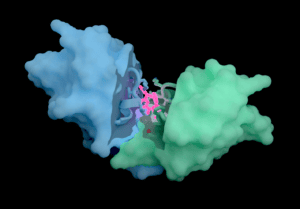
The Isomorphic Labs Drug Design Engine is able to predict the location of cryptic pockets at protein interfaces. A cryptic pocket is a ‘hidden’ binding site on a protein that is invisible under normal conditions but opens up when a specific molecule interacts with it. [Isomorphic Labs]
Isomorphic is only one vignette of DeepMind’s growing influence in life sciences. The AlphaFold developer is now building the AI scientist to accelerate the scientific method. In May, the team published a Nature study describing Co-Scientist, a multi-agent system built with Google’s Gemini that demonstrated an array of therapeutic applications, including drug repurposing, novel target discovery, and explaining mechanisms of anti-microbial resistance.
Decoupled from clinical proof
The industry’s investment in AI extends well beyond Isomorphic Labs. In recent months, a wave of major partnerships has emerged to train biological foundation models with proprietary datasets from leading pharma companies.
In May, Genesis Molecular AI and Incyte announced an expanded collaboration with a potential payoff that exceeds $1 billion. The partnership will apply the GEMS (Genesis Exploration of Molecular Space) platform for protein-ligand structure and property prediction across a wider set of difficult targets in Incyte’s pipeline, while incorporating Incyte’s proprietary data to improve GEMS’s performance.
Just two weeks later, AI biologics company Chai Discovery unveiled a licensing agreement with Pfizer that provides the pharmaceutical giant with early access to Chai-3, the company’s AI model for de novo antibody design, as well as a custom model trained on Pfizer’s proprietary data.
Meanwhile, Lilly has emerged as one of the industry’s most aggressive adopters of AI. In addition to securing its own AI-focused partnership with Chai in January, Lilly recently selected Tamarind Bio to host the inference infrastructure for TuneLab 2.0, a federated AI/ML drug discovery platform that gives biotech partners access to models trained on Lilly’s proprietary data.
Observing this massive investment into AI-native biotechs, commentators on social media were quick to note that few AI-designed drugs have reached the clinic.
In Isomorphic’s case, biotech and AI analyst Andrii Buvailo, PhD, posits that Thrive and Google’s parent company, Alphabet, have deep conviction in the company’s platform, AlphaFold lineage, and pharma partnerships, and are locking in ownership before clinical data resets the company’s valuation.
The alternative scenario, writes Buvailo on LinkedIn, is that the AI drug discovery valuation cycle has fully decoupled from clinical proof, and “we are watching capital chase computational promise on its own terms.”
Previously unsolvable
As the AI biology ecosystem grows increasingly crowded, some investors are explaining how they make their bets.
For Rohan Ganesh, a partner at Obvious Ventures, differentiation comes from pursuing problems that others are unable to tackle. He points to Obvious portfolio company, Inceptive, which is developing foundation models for sequence-based medicines that generalize across programs, including RNA interference (RNAi) therapies that silence disease-causing genes.
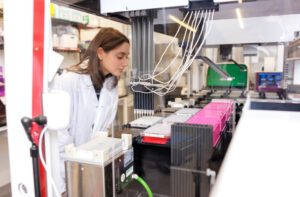
Benedetta Bernasconi, part of Inceptive Operations, observes automated RNA synthesis at the Inceptive wet lab in Palo Alto. [Inceptive]
Inceptive is led by CEO Jakob Uszkoreit, co-author of the seminal paper, “Attention Is All You Need,” which introduced the transformer architecture underpinning today’s large language models. Recently, the company announced a collaboration with Alnylam Pharmaceuticals to advance small interfering (si)RNA design by modeling target mRNAs while jointly exploring novel chemical modifications to enhance potency and efficacy. That partnership is worth up to $2 billion with upfront consideration of $30 million.
Ganesh also argues that owning business outcomes may be the most important aspect of differentiation. As an example, another Obvious-backed company, Inductive Bio, builds virtual labs that combine AI chemistry assistants, predictive ADMET (absorption, distribution, metabolism, excretion, and toxicity) and PK (pharmacokinetics) models, and human-relevant digital organ technologies to surface key risks earlier and accelerate candidate nomination timelines by months.
The platform gained external validation in February, when Inductive placed first in the OpenADMET-ExpansionRx blind challenge, a benchmarking competition in which participants predict properties of previously unseen compounds from real-world drug programs.
“A model that’s accurate but doesn’t change the pace or probability of success in the clinic is meaningless,” Ganesh told GEN.
Benedetta Bernasconi, part of Inceptive Operations, observes automated RNA synthesis at the Inceptive wet lab in Palo Alto. [Inceptive]
When Jim Tananbaum, MD, founded Foresite Capital in 2011, he believed that data, science, and machine learning were going to dominate the conversation for the foreseeable decades. Foresite was among the early investors in data generation for causal analysis and went on to back some of the leading players in the genomics space, including 10x Genomics and Element Biosciences.
A key metric of AI’s success, according to Tananbaum, is whether the technology can unlock previously intractable problems, such as neurological disease. In this vein, Foresite-backed Insitro, founded by CEO Daphne Koller, PhD, announced an expanded collaboration with Bristol Myers Squibb to advance a broadened portfolio of therapeutic programs for amyotrophic lateral sclerosis (ALS) in March.
Foresite is also among the investors of closely watched AI unicorn, Xaira Therapeutics, which launched in 2024 with more than $1 billion in funding. Xaira has spent its initial years building virtual cell models trained on scalable single-cell perturbation datasets to advance target and mechanism-of-action discovery, patient stratification, and toxicity prediction.
“Genetic, biochemical, and multiomic data go hand-in-hand in untangling the biological relationships that will be fundamental for automating discovery,” Tananbaum told GEN.
Window for innovation
Jory Bell, general partner at Playground Global, concurs that “the special sauce” is in the data, not the model. He cites portfolio company Manifold Bio, which is building an AI-driven platform that scales in vivo measurements for biologics, such as PK and biodistribution, valuable for addressing challenges in tissue-specific delivery.
“Any biotech startup these days will be using AI as a core part of workflow, so the critical question is how you actually apply the AI,” Bell told GEN.
Simon Barnett, partner at Dimension, describes an investment thesis where small, focused groups effectively using machine learning will be wildly successful, regardless of whether they pursue therapeutic assets.
Notably, Dimension led Tamarind’s $13.6 million Series A in February, betting that as biology foundation models mature, the industry will move from piecemeal adoption to large-scale deployment of integrated model ecosystems.
“Platform companies need strong, informed views on whether frontier AI labs may eventually subsume their technology,” says Barnett. “Everyone needs something uniquely valuable that confers a durable advantage, whether it’s their team, cycle time, data assets, structural positioning, or something else.”
Dimension’s early bets paid off earlier this year, when portfolio company Coefficient Bio, a roughly 10-person AI drug discovery start-up founded by former Genentech scientists, was acquired by Anthropic for $400 million.
At SynBioBeta’s annual conference in May, Eric Kauderer-Abrams, PhD, head of biology and life sciences at Anthropic, said the team has focused primarily on the technical core, training AI assistant, Claude, in scientific fundamentals spanning chemistry, structural biology, and bioinformatics.
“Our thinking with the [Coefficient] acquisition was to accelerate the other side for biotech operators,” said Kauderer-Abrams. “How do we actually plan out and manage a biotech program from start to finish and make choices along the way?”
Taken together, Dov Gertz, PhD, co-founder and CEO of Converge Bio, reiterates that modern AI, particularly deep neural networks and their derivatives, has powered a dramatic transition from predictive modeling to generative design. However, the shift is still early, having only taken hold in the past decade. “Don’t expect a generatively designed molecule to reach patients for another seven years,” he tempered on LinkedIn.
Nevertheless, now is the time to invest.
“If you wait for that first FDA approval before engaging with the technology, you’ve likely already missed the most valuable window for innovation,” wrote Gertz. “Drug discovery rewards those who can see where the field is heading, not just where it is today.”
While time will tell how these bets translate in the clinic, one belief is deepening across the industry: that AI’s most important application is to improve human health.
“Current FDA-approved treatments for ALS provide only modest benefits. There is an urgent need for a real breakthrough,” said Xinglong Wang, PhD, corresponding author of the study a professor at the R. Ken Coit College of Pharmacy.
ALS is difficult to treat because diagnosis occurs after substantial nerve cell damage. Causes of ALS are unclear. Fewer than one in 10 cases are inherited through a known genetic mutation. More than 90% of cases arise sporadically with no family history or clear genetic cause. However, nearly all cases demonstrate abnormal TDP-43 aggregation inside nerve cells, which often informs post-mortem diagnosis.
“We asked a simple question that had never been tested: is there one specific part of TDP-43 that’s causing the harm, something a drug could switch off without disturbing the rest?” Wang said.
The team found a region of TDP-43 were disease-causing mutations clustered. When this region was deleted in mice, the nerve cell death caused by TDP-43 dropped sharply while normal protein function remained intact. The researchers identified experimental drug, XL20, which could latch onto the target region in the TDP-43 protein. Notably, the drug could cross the blood-brain barrier.
In mice, the XL20 extended median survival by approximately a week, protected nerve cells and reduced muscle weakness. When XL20 was tested on human motor neurons, the specialized nerve cells in the brain and spinal cord, the experimental drug reversed damage.
Wang says XL20 represents a promising candidate for future clinical development. As ALS typically develops over months to years after symptoms first appear, earlier treatment could provide greater opportunity to slow disease progression.
Additionally, the study’s findings may have applications for other neurological diseases. The same TDP-43 pathology is central to limbic-predominant age-related TDP-43 encephalopathy (LATE), a common dementia which affects roughly one in three people over 80. TDP-43 pathology is also found in more than half of Alzheimer’s patients and is associated with faster cognitive decline.
“The same TDP-43 pathology is implicated in several other neurodegenerative diseases,” Wang said. “If future studies show this approach works in those diseases as well, it could eventually benefit a much larger patient population.”
Happy post-fourth. Hope you had a nice extended weekend, and hi from San Francisco!
Today, we’re reading about Medicare proposing staggering cuts to 340B payments, Republicans moving to preserve diversity in clinical trials, and a former surgeon general, Jerome Adams, offering counsel on peptides regulation.
The need-to-know this morning
Novartis is buying the privately held Myricx Bio for $1.1 billion upfront, picking up an antibody-drug conjugate platform designed to create cancer-fighting drugs for different solid tumors and overcome some of the limitations of existing ADCs. The deal for the U.K.-based Myricx includes milestone payments of up to $400 million and extends Novartis’ recent acquisition spree.
Anthropic CEO understands biology’s stubborn limitations
Anthropic CEO Dario Amodei is tempering his own bold predictions about AI transforming biotechnology, STAT’s Matt Herper writes. While, sure, AI could eventually compress decades of scientific progress into years, biology’s inherent complexity and glacial timelines mean that future remains years away.