

BackgroundIn January 2023, following a 20-year ban, the New South Wales (NSW) Needle and Syringe Program (NSP) Guidelines permitted NSPs to provide winged infusion sets (‘butterflies’) and larger-volume syringes (‘barrels’) commonly used for injecting methadone liquid intravenously.ApproachThe Kirketon Road Centre (KRC) integrated the distribution of ‘butterflies and barrels’ (referred to as ‘butterfly packs’) into its service delivery in April 2023 and developed resources in collaboration with the Uniting Medically Supervised Injecting Centre (MSIC) and the NSW Users and AIDS Association (NUAA). This case report presents an audit of service delivery and self-reported client outcomes following the introduction of ‘butterfly packs’.OutcomesSince April 2023, KRC has been consistently supplying ‘barrels’ and ‘butterflies’ to clients who inject methadone. The proportion of NSP visits by clients who reported methadone as the last drug injected increased significantly after the program’s introduction (from 2.2 to 4.0 methadone-related attendances per month), and so did the amount of corresponding injecting equipment and verbal education sessions. Among 18 survey respondents, the majority reported improved health or safety since accessing butterfly packs (89%).ConclusionEquipment for intravenous methadone administration can be safely and efficiently distributed by NSP programs. Access to harm reduction services should be based on vulnerability and need, with services tailored accordingly. The policy reversal allowing ‘butterflies and barrels’ and service innovations such as KRC’s program have addressed a longstanding gap, advancing equity in harm reduction for people who inject methadone in NSW.
The “steroid olympics” were a circus—and a window into our culture
Testosterone. Methenolone. Nandrolone. Human growth hormone and EPO. Meldonium, modafinil, and mixed amphetamine salts. Clomiphene, anastrozole, levothyroxine, and liothyronine. Patches and capsules, creams and pills. A whole galaxy of steroids, metabolic modulators, and synthetic hormones coursing through the blood of a few dozen swimmers, sprinters, and weightlifters. And millions of dollars up for grabs for athletes who could break world records and usher in the age of superhumanity.
On Sunday, May 24, at a $50 million arena built in a casino parking lot in Las Vegas, I witnessed a libertarian thought experiment come to life. The inaugural Enhanced Games were the first sporting competition where participants were encouraged to take performance-enhancing drugs. The founders say they’re challenging dated sporting norms and helping to build a world where we can all live better, longer lives. Critics say the event is an embarrassment, that it glamorizes the use of dangerous substances and puts lives at risk.
The open-air venue was compact and decked out in bright blue, with a six-lane, 100-meter track down one side, a four-lane Olympic-length swimming pool down the other, and a weightlifting platform and stage at the front. You could see the golden façade of the Trump Hotel looming in the background. The scene had all the trappings of an NFL game, with the too-loud music and crowd work on the big screen—a “flex cam” gave the well-muscled an excuse to unveil their biceps. Between events, adverts flashed up for the line of performance products sold by Enhanced, the company behind the event: injectable peptides that supposedly support cellular energy and skin elasticity, daily supplement powders with names like “Stronger” and “Longer.”

SAEED RAHBARAN

SAEED RAHBARAN
Australian swimmer James Magnussen was the first athlete to sign up with Enhanced but hasn’t broken any world records. He finished last in his two events in Las Vegas.
The day started with the weightlifters, under the blazing sun. But by 4 p.m., only one of them had even attempted a world-record lift. Two had pulled out injured. Some athletes were competing without taking drugs because of the money on offer, and as the competition went on, they had the better of their enhanced peers: Hunter Amstrong, a 25-year-old American swimmer and triple Olympic medalist, won the backstroke by more than a second. In the men’s 100-meter sprint, the non-enhanced US athlete Fred Kerley romped to an easy victory. “Man, they gotta do better than that,” he said of his doped opponents in his post-race interview. “They need to train a little harder, get on that shit a little bit more.”
At the bar, bodybuilders swapped before-and-after pictures and talked about their stacks, and VCs and finance bros traded LinkedIn details. Lukas Lakutsin, a 6-foot-10, 354-pound Russian bodybuilder who was milling around the entrance to the VIP suites, initially told me he didn’t use any performance-enhancing drugs. Except testosterone replacement therapy, of course. But he didn’t think that really counted. “I’m almost 34 years old,” he said. “I need to do this to stay strong.”

SAEED RAHBARAN
Jeremy Sigal, an influencer and author, wore a USA tank top that showed off hugely muscled arms adorned with prison tattoos. He told me he was proudly natural, in both his health and his personal life. “I’ve got an exceptional credit score,” he said. He has written 12 books on marketing and leadership. Later, I looked up his most recent book online. It’s called Simp to Pimp: 10 Steps to Fix Why She’s Not Banging You and lists AI as a coauthor.
What I saw in Las Vegas probably wasn’t the future of sport. But it was a perfect encapsulation of our present moment, as Silicon Valley biohackers, alt-right looksmaxxers, Make America Healthy Again boosters, and longevity-obsessed scientists all vie to remake reality in their own image. For them, the Enhanced Games offered a glimpse of a future where medical advances push the human race to new heights, and where they never have to get old.
I’ve tracked Enhanced’s journey from a crazy idea scribbled on a napkin to a public company valued at $1.2 billion. Behind the scenes, there have been power struggles, life-changing victories, and moments of total farce. As I recently, finally, watched the games unfold, two questions bounced around my head: Were they right? And what does that mean for the rest of us?
In December 2022, the Australian entrepreneur Aron D’Souza flew to Miami to spend New Year’s Eve with his friend and mentor Peter Thiel. A decade earlier, D’Souza had helped Thiel orchestrate the lawsuit that bankrupted Gawker—a stunning revenge against the gossipy New York media blog that had outed him as gay. Now he was armed with a disruptive idea that he thought Thiel, the billionaire cofounder of PayPal and Palantir, would love. It was inspired by the buff bodies he’d been seeing at the gym, highlighting a disconnect between a workout culture where the use of steroids was an open secret and a sporting establishment where it was, at least on paper, an inviolable taboo.
His initial pitch was provocative and confrontational: a grand sporting event to rival the Olympic Games, where competitors could take any substance they wanted—their body, their choice. The first time I met D’Souza, in the spring of 2024, he had founded the company and attracted some initial investment but seemed obsessed with taking on the fat cats at the International Olympic Committee and reinventing sports (even though he didn’t seem to be a huge sports fan himself). On Enhanced’s Discord server, I found a folder full of memes with names like IOC Clowns.jpg. The whole thing felt very unserious.
That would change.
D’Souza told me that Thiel had previously introduced him to Christian Angermayer, a German biotech billionaire, who would come onboard at Enhanced. He’s funded clinical trials of psychedelics through his company Atai Life Sciences and is helping bring them into the medical mainstream as a treatment for depression and anxiety. Angermayer says he spotted an opportunity to do the same thing for steroids. What he really wants is to redefine medicine, he told me. Its focus has already changed from treating disease to trying to prevent it; actively enhancing people’s health, he says, is just the next logical step.
By early 2024, Angermayer had brought his own people into key roles. The team included Michael Sagner, an anti-aging expert and private doctor who works with many of Hollywood’s leading men, and Max Martin, who has the jawline and cheekbones of an Instagram looksmaxxing influencer and the boundless enthusiasm of a puppy. (He started his own enhancement program a few years ago, when he was just 27.) Sagner would head up Enhanced’s medical commission, making sure the games were safe for the athletes. It was Martin’s job to make sure they actually happened.

LEV RADIN/ZUMA PRESS WIRE VIA ALAMY
Tensions sparked as D’Souza’s freewheeling style clashed with the more sensible image that Sagner and others were now keen to present. “It was not just his personality and his abrasive way of talking,” Sagner told me recently. “Even when he was briefed on a scientific fact, he would just completely ignore it and say something outrageous.”
But the more outrageous D’Souza got, the more attention his idea received. In February 2024, James Magnussen, a retired Australian swimmer, became the organization’s first official athlete, and Enhanced promised to pay a million dollars to him, or anyone else, who could break the world record in the 50-meter freestyle.
The notion of a “steroid olympics,” as many have dubbed the Enhanced Games, had been kicking around for decades—for instance, in a Wired article from the early 2000s and an SNL sketch from the 1980s. Two things helped finally make the Enhanced Games a reality. First, in November 2024, Donald Trump was again elected president of the United States. The Biden administration had been actively hostile to the games, but the founders saw a more receptive political environment in Trump world. Not long after the election, Enhanced announced a new tranche of funding led by 1789 Capital, a venture capital firm whose partners include Donald Trump Jr.
And second, in February 2025, an enhanced swimmer finished the 50-meter freestyle faster than anyone in human history. It wasn’t Magnussen, though. He had been injecting himself with testosterone to grow muscle, plus a cocktail of peptides that aimed to speed up recovery—but his journey hadn’t quite worked the way he’d planned.
A combination of reputational issues (no pools wanted to host his training) and physical complications (the regimen did help him get stronger, but he packed on so much muscle that it slowed him down in the water) meant he watched from the sidelines as the Bulgarian-Greek swimmer Kristian Gkolomeev—who had finished fifth at the Paris Olympics in 2024—came in two-hundredths of a second under the record and won a million-dollar payout from Enhanced. The idea has always been that breaking records would effectively prove the legitimacy of this enhancement project: Look what we can do now.

SAEED RAHBARAN

SAEED RAHBARAN
Gkolomeev, though, had a different motivation for participating: “One successful year in the Enhanced Games and I could make as much as I would in almost 10 careers,” he told me not long after setting the new record (notably, wearing a kind of “supersuit” that’s been banned by World Aquatics since 2010). Enhanced was paying its athletes a regular salary, on top of any potential bonus. And he had a young family to support and feared that the four-year stretch to the next Olympics would be long and precarious.
In May 2025, with a world record in the bag and a friendly administration in the White House, Enhanced was ready to announce its first games: They’d take place in May 2026 at Resorts World in Las Vegas.
At the same time, D’Souza made another big reveal: Enhanced Performance Products, a line of supplements available for a monthly subscription. The Enhanced Games now seemed less like a sporting event and more like a loss leader for selling testosterone injections, GLP-1s, or a range of peptides that are claimed, with little scientific evidence, to improve sleep or skin elasticity. Perhaps it was all a brilliantly executed marketing stunt.
“The games themselves now seem almost secondary to what appears to be an online marketplace for hormones, peptides, and other performance-enhancing compounds,” says Astrid Kristine Bjørnebekk, a steroids expert at Oslo University Hospital. “From my perspective, this significantly changes the nature of the project. It is one thing to organize a closed sporting event built around controversial principles, but openly marketing and commercializing substances such as testosterone, hGH, GLP-1 drugs, peptides, and other pharmacological compounds is something else entirely.”
As the games approached, more athletes joined. Some were genuinely elite. The US sprinter Kerley—who is serving a two-year ban for missing three drug tests—had won silver in the 100 meters in the Tokyo Olympics and a bronze in Paris. Ben Proud, a British swimmer, had won silver at the Paris Olympics and dozens of medals at world and European championships and the Commonwealth Games. He had been mulling over joining the Enhanced Games ever since the idea first emerged, but the tipping point seemed to come when Gkolomeev’s record was announced.
Some participants, like Magnussen and another swimmer, Megan Romano, had been tempted out of retirement. Romano hadn’t swum competitively for almost a decade. Others were at the start of their careers but ready to cash in their chips and bid goodbye to Olympic dreams for a potential six-figure payday. The $1 million payouts were reserved for records in the two flagship events—the 50-meter freestyle and the 100-meter sprint—but winning any other event would mean a prize of $250,000, with an additional $250,000 bonus for setting a world record.
Athletes would get paid even if they just showed up and finished last—as much as $50,000. This is all on top of the salaries that stretched into six figures in some cases, making the payout from the games more than many athletes make in a year.
Sport’s governing bodies reacted to each new athlete announcement with fury. World Aquatics threatened to ban for life any athlete who participated in the games, even if they didn’t take any drugs. Enhanced responded with an $800 million antitrust lawsuit against the global swimming organization, the World Anti-Doping Agency, and USA Swimming, alleging misuse of monopoly power.

SAEED RAHBARAN
In November 2025, a court in New York dismissed the case. Three days later, D’Souza, the mind behind the entire project, was out. A notice on Enhanced’s website said he had “transitioned out of the company’s day-to-day operations.” Martin would take over as CEO. “The investors basically said we need someone a bit more serious,” Sagner told me. In conversations, execs at Enhanced played down any suggestion of a feud—D’Souza was simply the ideas man, with little interest in the day-to-day dreariness of actually running a company. (Enhanced spokesperson Chris Jones wrote in a statement that “there is no tension between Aron and Enhanced that I’m aware of.” D’Souza did not respond to a request for comment.)
I got the sense that Enhanced, in its new iteration as a pharmaceutical subscription company, was almost embarrassed by the games. When I visited enhanced.com a couple of months before the event, they had been relegated to a sub-heading on the home page. D’Souza’s showmanship had helped get attention for what was becoming a run-of-the-mill telehealth business like Hims & Hers—albeit one well timed to take advantage of a shifting regulatory landscape around peptides, which Robert F. Kennedy Jr., the US secretary of health and human services, has been pushing the FDA to approve despite a lack of evidence that they’re actually effective.
Sagner is still loosely involved with Enhanced, but he says the medical commission was not consulted before it launched its line of performance products. (Jones did not respond to a question regarding this claim.) Sagner is scathing about what he sees as the “hype” around peptides. “I can tell you already, peptides do nothing,” he says—with the exception of human growth hormone and GLP-1. “The peptides that people use, black-market peptides that they buy online—they do nothing. We have tested them; 80% of them contain nothing. It’s saline solution, salt water, and some of them are contaminated.”
At the end of January 2026, a group of around 40 swimmers, weightlifters, and sprinters arrived in Abu Dhabi to start their individualized enhancement “protocol,” as Enhanced calls it. Officially, they would be taking part in a clinical trial, pending approval by the Abu Dhabi government and overseen by Guido Pieles, a Qatar-based cardiologist who has taken over the reins of Enhanced’s medical commission from Sagner.

SAEED RAHBARAN
They would be allowed to choose only from a menu of specific FDA-approved drugs. Pieles broke them down into five categories: testosterone variants and growth hormones, which can both boost muscle mass; metabolic modulators that can tweak how the body burns fat; stimulants like Adderall to improve focus; and EPO, which can increase the amount of oxygen the blood is able to carry. While Enhanced’s team might recommend particular things, the athletes would have the final say on what they wanted to take, if anything. (As Oslo University’s Bjørnebekk points out, FDA approval “does not mean the substances are inherently safe, particularly not when used for enhancement purposes.”)
There would be regular blood tests, heart scans, and brain scans and access to the best training facilities money could buy. Pieles and others say the clinical trial will help inform the line of supplements Enhanced is offering consumers, but there’s actually very little overlap between the drugs the athletes were taking and the substances the company is currently selling.
Not long after they arrived in the Middle East, the athletes were awakened by the sound of explosions at a military base near their hotel. The US and Israel had struck Iran, and the Iranian regime was responding by peppering the region with missiles. “It wasn’t a pleasant situation,” says Andrii Govorov, the world record holder in the 50-meter butterfly, who a year earlier had become one of the first swimmers to join Enhanced. Govorov had some experience in these matters—back in Ukraine, he’d had a business selling cars that helped fund his swimming career, but he’d lost it after the Russian invasion.

SAEED RAHBARAN

SAEED RAHBARAN

SAEED RAHBARAN
Swimming, sprinting, and weightlifting were the focus of the first Enhanced Games but in many ways the sports were the sideshow.
The conflict exacerbated delays in getting approval for the clinical trial and sourcing the drugs, and as a result, what was supposed to be a 12-week enhancement protocol got cut down to eight weeks. The athletes didn’t actually start taking the drugs until toward the end of March. For those who had always been clean, that represented the irreversible crossing of a line. “The first injection was very emotional, very tricky to navigate,” says Proud. “For me, that was the day I went from the Ben Proud that I always knew to a new person.”
Proud was joined in the enhancement program by his girlfriend, Emily Barclay, who had swum at college level without ever appearing at a major international event; she was working as a swimming teacher at a school in England. After that first injection, they left Abu Dhabi and spent a few days in Dubai as they reckoned with what they had done. “I just couldn’t be around the team,” Proud says. “I wanted to be by myself and feel those feelings, because it is a big deal to make that step, and I felt it.”
Those feelings were soon forgotten, though, as the drugs kicked in. Proud says he had incredible energy, and a drive to train that he hadn’t experienced before. Shania Collins, an American sprinter, says she had “increased strength, increased recovery, and increased mental clarity at practice.” Sagner and several athletes admitted there were some side effects: acne and some swelling around the joints; unwanted hair growth for the women, unwanted hair loss for the men.

SAEED RAHBARAN
One thing the athletes wouldn’t talk about, though, is what drugs they were actually taking. They all had the same reason: not wanting to encourage copycats who might take enhancements without a doctor on hand to tailor programs to their needs.
The one exception was Thor Björnsson (testosterone, deca-durabolin, anastrozole, halotestin), a hulking Icelandic deadlifter and former World’s Strongest Man who played The Mountain on Game of Thrones. Björnsson first heard about the games on Joe Rogan’s podcast and was immediately interested. The rules for strongman competitions are somewhat less stringent than those for Olympic sports, though, and he actually had to reduce the number of substances he was taking to meet Enhanced’s FDA requirements.

SAEED RAHBARAN
There is some debate over how much doping some of the athletes were actually doing. In a conversation last year, Gkolomeev told me he’d only really been “microdosing,” and he confirmed that his 2026 enhancement program was largely the same. Sagner says the doses the athletes were taking were a fraction of the amounts some Olympic athletes had been caught using in the past. I heard that a few athletes had decided not to take steroids or growth hormones and were only using modafinil, a narcolepsy medication that’s thought to improve focus.
The day before the games, I asked Angermayer what it would mean if clean athletes like Kerley and Armstrong won their events—what impact it would have on Enhanced’s business model of using sports as a showcase for its line of performance products if the people using those products didn’t actually win anything. “I know what you mean, but mostly our business model is headlines to drive attention,” he said. “Any debate is good for us.”
In early May, Enhanced began trading on the New York Stock Exchange with an initial value of $1.2 billion.
That same week, it was finally go time. The athletes and coaches left Abu Dhabi and flew to Las Vegas, where they were put up in five-star luxury at the Conrad hotel inside Resorts World while they made their final preparations.
When I got there a few weeks later, toward the end of May, I found it jarring to see these hulking presences walking around the casino in their Enhanced sportswear, weaving their way through packs of half-drunk tourists, with slot machines flashing in the background and cigarette smoke hanging in the air. I had expected the games to be a bigger deal within the city itself, but they were just one of a thousand things happening in Vegas that weekend—drowned out by a series of BTS shows at the football stadium, by the Golden Knights in the NHL playoffs, by No Doubt’s residency at the Sphere.
If this was a sporting earthquake, it was one whose tremors were mainly being felt online, where bodybuilding influencers livestreamed to their followers on Kick and Twitch, and where thousands watched on YouTube and Rumble. (D’Souza once told me he’d had “every major sports broadcaster” vying for the rights; in the end, Enhanced struck an exclusive streaming deal with Roku in the US.)

SAEED RAHBARAN
On the morning of the games, Enhanced held a medical symposium that was supposed to provide a taste of the company’s long-term objectives. The first speaker was Bryan Johnson, the longevity-obsessed entrepreneur famous for plowing his personal fortune into wild attempts to reverse his aging: receiving transfusions of his teenage son’s plasma, measuring his nighttime erections, taking more than 100 supplement pills a day. He spends $2 million per year on all this, but he looked pale and vampiric as he delivered the slightly off-brand message that, really, the most important thing was getting a good night’s sleep: “You don’t need to chase IV infusions; you don’t need to chase crystals. You don’t really need to do much of anything.”
At 2 p.m., I took two escalators from the conference room down to the arena, where spectators were filtering in. Though it had cost $50 million, it had been constructed in just three and a half weeks, and it showed; on the media tour the previous day, there were still loose screws on the floor of the bleachers.
There were a few thousand seats in an open grandstand down one side, and two rows of VIP suites on the other. No tickets were sold, so it was a strange mix of invited guests, investors, and influencers, some of whom had reportedly been flown in from Los Angeles on a chartered jet. The rapper Tyga was the biggest name to grace the “blue carpet,” although I did also spot Fabio James, a Michael Jackson look-alike who has had surgery to make the resemblance even stronger. Rumors swirled that Peter Thiel might show up; they proved unfounded.

SAEED RAHBARAN
A few hours before the doors opened, journalists got a stern message from the organizers trying to bar us from interviewing guests. Still, I talked to a Cambridge professor who wanted to use Enhanced as a case study in innovation for his MBA students, a retired Brazilian swimmer with the Olympic rings tattooed on his forearm, and a biotech investor wearing an Enron hat. Proud’s family and friends were sheltered from the blazing sun in the shadow of the big screen.
D’Souza was nowhere to be seen. Nor was he really mentioned at all—not during the introductory press conference, where Martin was introduced as the “founder of the Enhanced Games,” nor during the event itself, where the athletes showered praise on Angermayer and Martin. But the tens of millions D’Souza had banked from the stock listing likely softened any blow. Plus, he’s already moved on to his next provocative venture: an AI-powered arbitration platform designed to scrutinize the work of journalists on behalf of the rich and powerful.
As the sun set behind the hills, casting the arena in soft gold light, there were still no world records. That and the wins for clean athletes seemed to put the whole Enhanced project in jeopardy—the knives were already being sharpened online. I asked the organizers whether this threatened the legitimacy of the project.

SAEED RAHBARAN
“Our response is that enhancements help athletes improve and, in some cases, break records. And yes, some non-enhanced athletes also won—because talent and ability also matter,” Enhanced’s Jones emailed last week. “Breaking world records is incredibly hard as the margin is infinitesimal, as we witnessed. Ignoring that 13 athletes some of whom 10 years later broke personal bests is disingenuous and selective reporting.”
Megan Romano was one of them, swimming faster in the 50-meter freestyle at 35 than she had at 22. And Emily Barclay knocked two seconds off her fastest time in the 100-meter freestyle, coming in second in that event and winning the 50-meter freestyle; she went home with a check for $375,000. “No one’s ever heard of this girl,” said Enhanced swim coach Brett Hawke afterwards. “She’s retired; she’s a nobody. She comes out tonight and swims a time that would have got a bronze medal in Paris.” For all the talk of “superhumanity” and pushing the boundaries of performance, making a 35-year-old feel 22 again is probably the perfect marketing message for the products Enhanced wants to sell.

SAEED RAHBARAN
Enhanced’s executives say people should take enhancements only with medical supervision, but price could be a barrier to heeding that advice. The battery of health tests the company was giving its athletes in the run-up to the games cost $25,000 per athlete per month. The drugs themselves start at $75 a month and go up toward $200. While Jones says the products “are in line with industry price points,” there were almost certainly people watching who saw the drug-altered physiques of athletes like Gkolomeev or Magnussen and decided to find cheaper, less safe alternatives on unlicensed websites.
“Many of these substances require medical supervision and prescriptions, and several are associated with potentially serious long-term health consequences,” says Bjørnebekk. “Presenting them in this lifestyle-oriented and commercial format risks normalizing use while downplaying the medical risks and uncertainties.”

SAEED RAHBARAN
Before the night was over, Gkolomeev again had the chance to right the Enhanced ship. The final event of the night was the men’s 50-meter freestyle swim. His 2025 time had been surpassed by the Australian swimmer Cam McEvoy (without a supersuit) at the China Swimming Open a couple of months before, so he needed to lose another two-hundredths of a second to beat the new record of 20.88 seconds.
Gkolomeev was wearing the same supersuit he’d used the previous year, and he’d shaved off his mustache for a little extra streamlining. But he messed up his start—doing four kicks instead of five—and was trailing Proud at the halfway mark. His long arms levered him forward, though, and he reached the wall in 20.81. The spectators were on their feet as “WORLD RECORD” flashed red on the big screen. Martin vaulted over the glass partition from the VIP suites, beaming, to embrace Gkolomeev. They had their record.
Or did they? Online, people shared screenshots from the video feed, purporting to show that the clock had stopped before Gkolomeev’s hand touched the pressure sensor at the end of the pool. An Enhanced spokesperson gave a statement to the Guardian dismissing this as “completely unfounded internet drivel.” But hey—live by the sword, die by the sword. It’s quite possible Gkolomeev didn’t care. He had another million in the bank.
It remains to be seen if it’ll work out so well for the other athletes. Enhanced organizers recently announced a prize of $10 million for anyone who can break Usain Bolt’s 100-meter world record in 2027. They are adamant that the games will happen again next year. If they don’t, dozens of sporting careers will be over, and the athletes will join the long list of victims of VC-backed disruption.
My personal prediction is that Enhanced will pivot away from the risk and uncertainty of a flagship event—the company’s valuation plunged by almost $800 million when markets opened after what was perceived as an underwhelming set of results in Vegas. I expect you’ll see individual stunts and challenges, tightly controlled and filmed for virality and probably featuring your favorite YouTubers—think Björnsson bench-pressing Jake Paul.
D’Souza’s initial idea has served its purpose by capturing the world’s attention. But that won’t necessarily translate into success either. Though the company has had plenty of hype over the last 12 months, SEC filings published as part of its stock exchange listing reveal that it generated only $2,755 in revenue from its enhancements business in the first three months of 2026. Would what happened in Vegas be enough to juice sales?

SAEED RAHBARAN
As the athletes gathered on the stage to receive their prizes, Martin took the microphone and addressed the crowd. “Enhanced is culture,” he said. “We are at the pulse of where the world is going.” On this, at least, he’s probably right. Testosterone replacement therapy is rapidly moving into the mainstream, and while the science may still not be there on peptides, they have certainly exploded in popularity in the two years since Enhanced launched. And there are undoubtedly more substances yet to be discovered that will promise to improve people’s lives, or at least hold their appearance in stasis. The enhanced age is upon us, whether we want it or not.
As the fireworks went off and the Killers closed out the event with “When You Were Young” (“Congratulations to … whoever deserves it,” said frontman Brandon Flowers), I wondered what that might mean for us mere mortals. Invoking Hunter S. Thompson’s Fear and Loathing in Las Vegas in a story about drugs and Las Vegas may be a cliché, but it struck me that fear played a big part in all of this. Fear of missing out. Fear of getting old. Fear of never making a dime on your life’s pursuit. Fear of waking up one morning and seeing your flabby, sunken face in the mirror while everyone around you shines and grins and thrives with white-toothed, alien smiles.

SAEED RAHBARAN
But the big problem with Enhanced’s vision of superhumanity is the question of who gets to join in. “People will be able to enhance themselves if they have enough money,” Sagner had told me the night before the games. The rest of us, I fear, will just have to function as normal human beings.
Amit Katwala is a journalist and author covering science, culture, and where they collide. His latest book is Tremors in the Blood: Murder, Obsession and the Birth of the Lie Detector. He is based in London.
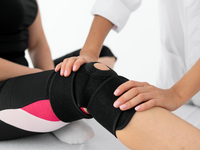
Accuracy in the Estimation of Self-Reported Knee Brace Wear Time in Young Adults With a Symptomatic Knee Following ACL Reconstruction: Secondary Analysis of a Pilot Randomized Controlled Trial
Background: Knee braces may improve symptoms and physical function following anterior cruciate ligament reconstruction (ACLR). However, their effectiveness depends on adherence, which typically relies on self-reported wear time, prone to recall and response bias. Objective measures (eg, temperature sensors), validated in footwear and orthotics research, offer a potentially more accurate alternative to self-reporting. Despite this, there is no research comparing self-reported and sensor-measured wear times in a knee brace. Objective: This study aimed to determine how well self-reported wear times reflect sensor-measured data in a slim-fit knee brace. Methods: Young adults (aged 18-45 years), 1-8 years post-ACLR, with a symptomatic knee (the 4 Knee injury and Osteoarthritis Outcome Score subscales [KOOS] score <80/100) wore a slim-fit brace during a 6-week feasibility trial. This study reports a secondary analysis of participants allocated to the brace group. Self-reported wear times were recorded in daily logs. An undisclosed, embedded temperature sensor recorded temperature every 10 minutes. A wear detection algorithm identified brace donning and doffing. These data were used to calculate aggregated measures (ie, summary measures across the entire 6-week intervention period, including cumulative wear time, average daily wear time, and total number of days worn) and repeated measures (daily wear duration, 3- and 7-day rolling averages, where wear time is averaged over consecutive days). Agreement between self-reported and sensor-based measures was assessed using concordance correlation coefficients (CCCs) and limits of agreement (LoA). Results: Of the 14 randomized participants, 10 (30% male [n=3]; mean age: 33, SD 6 years; time post-ACLR: 4, SD 1 years) had both temperature sensor and self-reported wear data. Six participants (60%) underreported average daily wear time (mean 29, SD 24 minutes across all 10 participants), while nine (90%) overreported the number of days worn (mean 9, SD 6 days across all 10 participants). Daily wear time showed moderate agreement between the sensor and self-reporting (CCC 0.70, 95% CI 0.58-0.79), but wide LoA (−223 to 217 minutes). Using 3- or 7-day rolling averages narrowed LoA (−47 to 36 minutes per day and −14 to 10 minutes per day, respectively) and slightly improved CCCs (0.74, 95% CI 0.58-0.85, and 0.73, 95% CI 0.51-0.86, respectively). Greater agreement was observed with more aggregated outcomes; for total 6-week wear time, the CCC was 0.84 (95%CI 0.50-0.95). When expressed as daily average wear time, the CCC was excellent (0.92, 95% CI 0.73-0.98), although daily LoA remained wide (−68 to 32 minutes), indicating substantial individual variability between self-reported and sensor-based measures. For the total number of days worn, the CCC was moderate (0.64, 95% CI 0.15-0.88) and LoA was wide (−10 to 22 days). Conclusions: Self-reported daily brace wear time is inaccurate compared to wear time measured by the temperature sensor. Aggregated data and rolling averages showed better agreement. Future intervention studies should consider objective adherence measures. Failing this, averaging self-reported wear time across the intervention period could improve accuracy. Trial Registration: Australian New Zealand Clinical Trials Registry ACTRN12623001027606; https://tinyurl.com/2spr7bnu
Equitable Digital Frailty Screening for Marginalized Older Adults Using Audio Computer-Assisted Self-Interview: Collaborative Development Guide and User Testing Study
Background: Older adults facing social or structural marginalization for reasons such as lower literacy, digital exclusion, financial constraints, restricted living environments, or complex health histories, face persistent barriers to much-needed health screening. Digital health tools, particularly those using audio computer-assisted self-interview (ACASI) technology, offer potential to overcome these barriers (audio-delivered and self-administrable), but their application to marginalized populations remains underexplored. Moreover, guidance is limited for developing such tools which require collaboration within cross-disciplinary teams. This paper presents development insights and user testing findings from the ASCAPE (Audio App-Delivered Screening for Cognition and Age-Related Health in Prisoners) project, which aimed to develop equitable digital frailty and cognition screening for older people in Australian prisons. Objective: This study aims to describe the collaborative development of the “ASCAPE-HS” prototype, a tablet-based ACASI-delivered Frailty Index and aging screener, and to synthesize key lessons from the project that can inform equitable digital health tool development in hard-to-reach older adults. Also, to present findings on the usability and acceptability of ASCAPE-HS in a diverse community sample. Methods: The ASCAPE-HS prototype was developed through an iterative process involving researchers, clinicians, software developers, and end users under a digital health equity framework. The prototype included a self-administered, audio-delivered Frailty Index, alongside other items relevant to aging. The design process prioritized accessibility, sociocultural relevance, and technical feasibility, with regular multidisciplinary consultation and iterative refinement. Exploratory user testing with 20 older adults (aged 47‐93 years, including n=5 who had not finished secondary schooling, n=3 people with previous imprisonment history, and n=9 with mild or moderate cognitive impairment) provided feedback on usability and acceptability. Results: A 50-item Frailty Index was developed, alongside an additional selection of holistic questions that could meaningfully capture age-related health, and transferred to an iOS app (Apple, Inc), with ACASI features. Key elements included lay wording, consistent interface, simple “tapping” response options with repeatable audio feedback, a tutorial, and artificial intelligence–generated audio guidance. Key development considerations were synthesized into a checklist for teams undertaking similar projects. Successful strategies for the collaborative design process included diverse teams abreast of emerging literature and policy with varying expectations for engagement during development, and dedicating time to flexible, iterative development processes. Acceptability (median scores ≥4 out of 5 across 6 constructs) and usability (mean System Usability Scale score 79.0, SD 8.8) were high. Conclusions: A collaborative approach can produce ACASI-based health screening tools that are well-received by older adults. We highlight the feasibility of integrating frailty and aging assessment into a usable and acceptable digital tool, and offer actionable principles for collaborative, evidence-based development of equitable health screening tools in diverse, hard-to-reach populations.
<img src="https://jmir-production.s3.us-east-2.amazonaws.com/thumbs/30699dc5ac2d0ad05f7755da3210033e" />
A plan to make drugs in orbit is going commercial
Varda Space Industries, a startup that’s been pitching its ability to perform drug experiments in space, says it has signed up the pharmaceutical company United Therapeutics in what may be remembered as a notable step toward in-orbit manufacturing.
The idea of building things in outer space for use on Earth has so far been explored mostly on board the International Space Station, and only in small-scale experiments backed by governments.
But Varda, based in El Segundo, California, is now telling drug companies it has a practical, and repeatable, way to produce novel molecules in microgravity.
“This is the first commercial path to products made in space,” says Michael Reilly, Varda’s chief strategy officer.
The scientific idea is that chemical mixtures have different properties under weightless conditions. For instance, water will hang together in a wiggly sphere, since without gravity, surface tension is the strongest force present.
The plan is to launch versions of United Therapeutics’ drugs into orbit, where they can be allowed to form solid crystals. The hope is that in microgravity, they’ll take on atomic arrangements not seen on Earth, possibly leading to new versions with improved stability or other valuable properties.
United is led by CEO Martine Rothblatt, who worked on early telecommunications satellites. Since then, she’s built a multibillion-dollar health franchise with a succession of drugs to treat a lung disease called pulmonary arterial hypertension, which her daughter suffers from, and a subsidiary developing genetically modified pigs as a source of organs for transplantation.
Rothblatt says space could be the next step if orbital conditions permit United to identify “even more amazing” versions of its drugs.
Space to reformulate
Pharmaceutical companies often try to keep their blockbuster franchises alive by creating improved versions of drugs or reformulating them—for example, making the switch from a pill to an inhaled version, as United has done with some of its products. Doing so can keep imitators at bay and create extra decades of patent protection.
Assisting drugmakers are specialist companies, such as Halozyme and MannKind, that earn profits by helping to reformulate other companies’ drugs, often taking a royalty on future sales.
That’s the business Varda has been trying to break into—by using excursions into space instead of nebulizers, patches, or nanoparticles. The company was formed in 2021 by Delian Asparouhov, a partner at Peter Thiel’s Founders Fund, along with Will Bruey, a former avionics engineer with Elon Musk’s SpaceX who is now the company’s CEO.
The pair’s bet is that space manufacturing will become viable once rocket launches become frequent enough—and cheap enough—to support a business model in which raw materials are sent into orbit, processed, and then returned to Earth in a new form.
And that’s starting to happen. To get into space, Varda has been purchasing rides from SpaceX—which now launches a rocket every two or three days, usually a reusable Falcon 9.
Those rockets have a nose cone, or payload fairing, about the size of a moving truck that gets filled with satellites or instruments, which are then released into orbit.
Starting in 2023, Varda began sending up small satellites that have a boulder-size capsule attached. The capsule contains equipment to carry out experiments, and it can detach and fall back to Earth, entering the atmosphere at a speed of around Mach 25 before slowing via air resistance and eventually drifting to land with a parachute. (Varda lands its craft in the Australian outback.)
That speedy reentry has also drawn interest from the US military, including the Air Force, which has paid Varda to fly instruments and take measurements relevant to hypersonic missile technology. Of the six craft Varda has paid to put into orbit so far, half have been dedicated to military research and half carried drug-related demonstrations.
At Varda, such “dual use” of technology is accepted as part of being in the space business, which remains reliant on government support. The company’s founders say Varda may be the only company that employs hypersonic engineers and pharmaceutical chemists under the same roof.
COURTESY VARDA
Launching industries
Actual space manufacturing still remains mostly an aspirational project. In 2021, Jeff Bezos, after his first trip aloft in a rocket, suggested that polluting industries should be moved beyond the atmosphere. “We need to take all heavy industry, all polluting industry, and move it into space. And keep Earth as this beautiful gem of a planet that it is,” he told MSNBC.
Weight is the big obstacle to such dreams. It still costs around $7,000 to launch a single kilogram of payload into orbit, which makes it impractical to, say, send cotton into space to be dyed there, or even to launch the acids and solvents needed to make a semiconductor chip.
But drugs may be among the few exceptions to this economic rule, since pound for pound, they can be as valuable as rare radioactive isotopes and fine-cut diamonds.
For instance, just one kilogram of the weight-loss drug Ozempic is worth more than $100 million at retail. (The reason your Ozempic bill is only $1,000 a month is that minute quantities of the active ingredient are present in the shots.)
That’s why Varda thinks it may eventually be able to manufacture drugs in orbit. However, its effort with United is more of a flying experiment to learn whether the company’s lung medicines will crystallize differently in microgravity.
The terms of the deal between Varda and United aren’t public, and the companies haven’t said which specific drugs the collaboration will study. But Rothblatt did confirm that United is paying Varda to help it identify new crystal forms of its drugs (also called polymorphs), which it hopes could have improved properties.
“One has to do the experiment to find out if that is so. The first part of the experiment is to see what polymorphs of these molecules can be made without the influence of gravity,” she says. “Then, once we have those polymorphs, we will test them.”
There is good evidence that crystals form differently in space. For instance, in 2017 the pharmaceutical giant Merck sent samples of its cancer immunotherapy drug Keytruda to the International Space Station, where it was found to form crystals of a single size. On Earth, the drug tended to form two different sizes at once.
That experiment offered clues for how to formulate the drug as a shot instead of administering it intravenously. Still, when Merck introduced a Keytruda injection last year, it ended up using a different approach. That means there’s still no straight-line connection between orbital discoveries and any drug here on Earth. Actual space factories are another step further from reality.
“We’ve been learning from space for years, but I can’t name anything manufactured in space, brought down to Earth, and sold,” says Reilly. “So that is a first—or it will be a first.”
Reilly says that Varda anticipates launching United Therapeutics’ drugs into orbit sometime early next year.
First Clinical Trial for a GLP-1 Gene Therapy Greenlit in Europe
Fractyl Health has received regulatory approval in the Netherlands to start the first-ever clinical trial for a gene therapy to treat type 2 diabetes. The upcoming Phase I/II clinical trial will test the safety and preliminary efficacy of RJVA-001, a gene therapy designed to locally deliver GLP-1 receptor agonist drugs with the goal of reducing the side effects associated with oral administration.
“GLP-1 medicines have changed what is possible in obesity and type 2 diabetes, but they require chronic, high-dose systemic exposure that many patients cannot or do not sustain,” said Harith Rajagopalan, MD, PhD, co-founder and CEO of Fractyl Health. “RJVA-001 takes a different path: a potential one-time, pancreas-targeted gene therapy designed to enable the body to produce GLP-1 in response to meals: physiology, not pharmacology.”
Based in Burlington, Massachusetts, Fractyl Health develops novel approaches to treating obesity and type 2 diabetes. The company’s lead program, an endoscopic procedure to maintain weight loss after discontinuing GLP-1 treatment for obesity, is currently being evaluated in a pivotal clinical trial.
RJVA-001 leverages an engineered version of the human insulin promoter to trigger the production of GLP-1 in pancreatic beta cells when glucose levels rise after eating. The gene therapy is delivered using a minimally invasive endoscopic infusion directly into the pancreas, which is guided by ultrasound.
The Phase I/II study will evaluate the safety, tolerability, and preliminary efficacy of three escalating doses of the gene therapy. Participants will include adults with type 2 diabetes who have previously responded well to oral GLP-1 treatment yet continue to experience difficulties controlling their blood sugar levels.
“With this authorization, RJVA-001 becomes the first AAV gene therapy candidate to enter clinical development for type 2 diabetes,” said Rajagopalan. “We expect to dose the first patient and report initial data in the second half of 2026.”
Later this year, Fractyl expects to expand the study to additional sites in Australia, where the company has already submitted a clinical trial application and is currently awaiting a response from regulators.
RJVA-001 will be the first candidate from Fractyl’s Rejuva platform to enter clinical development. This smart GLP-1 gene therapy platform focuses on the development of next-generation adeno-associated virus (AAV)-based gene therapies that are locally delivered to the pancreas. Another candidate developed through this platform includes a dual GIP/GLP-1 gene therapy to treat obesity, currently in preclinical development.
“For decades, we have managed [type 2 diabetes] as a chronic, progressive disease that inevitably worsens over time. With this authorization, we are preparing to test, for the first time in humans, whether a one-time, pancreas-targeted gene therapy delivered via a routine endoscopic procedure could provide durable metabolic control by enabling physiologic, nutrient-responsive GLP-1 expression at the source of disease,” said Jacques Bergman, MD, PhD, professor of gastrointestinal endoscopy and deputy chair of the department of gastroenterology and hepatology at Amsterdam UMC, and a principal investigator of the upcoming clinical trial.
“Patients who remain inadequately controlled despite maximally tolerated GLP-1 receptor agonists and multiple oral agents represent a population with significant unmet need. If successful, RJVA-001 could transform how we think about [type 2 diabetes], from a chronic disease you manage every day to one that could potentially be treated once.”
The post First Clinical Trial for a GLP-1 Gene Therapy Greenlit in Europe appeared first on Inside Precision Medicine.
Surf Therapy: A Powerful Low-Intensity Approach in Global Youth Mental Health Care
By Mai El Shoush, Partnerships Campaign Manager, Stavros Niarchos Foundation (SNF) Global Center for Child and Adolescent Mental Health at the Child Mind Institute
In Conversation with Waves for Change
The world’s oceans have long been profound forces that shape coastlines, cultures, and scientific discovery. And today, through targeted programs, they also serve as therapeutic environments transforming youth mental health worldwide.
As global health systems continue to explore solutions that minimize resource constraints while addressing child and adolescent mental health demands, innovative approaches like surf therapy are demonstrating remarkable effectiveness as low-intensity initiatives. From the beaches of California to the coastal communities of South Africa, Australia, Hawai’i, the United Kingdom, and Senegal, these programs are creating accessible entry points for young people.
Wave for Change (W4C) — a South Africa-based organization and valued implementation partner of the Stavros Niarchos Foundation (SNF) Global Center at the Child Mind Institute — has developed an evidence-based Surf Therapy program for youth in underserved communities. We spoke with their chief development officer Paula Yarrow and senior grant manager Jill Sloan about the award-winning program. As a highly regarded Cape Town‑based NGO that uses surfing as a therapeutic tool to support youth mental health, W4C offers safe spaces, evidence‑based emotional regulation tools, community mentorship, and a pathway to resilience for young people growing up in challenging environments.
The partnership includes the identification of workforce gaps and training needs for frontline workers such as NGOs, to further expand evidence-based support and brief interventions through culturally appropriate, low-intensity psychological therapy approaches. The context-specific training materials are expected to be piloted later in the year in South Africa and are intended to improve access to quality mental health care for young people.
W4C launched Surf Therapy in 2009, which has since helped more than 10,000 adolescents experiencing high-stress environments gain valuable coping skills across its hubs in the Western and Eastern Cape as well as Cape Town. Participants learn how to build positive social networks and develop self-regulation skills to support healthy emotional and behavioral responses to stress, with coaches themselves aged between 18-25. The program creates a fun, culturally relevant environment through the Take 5 model — a framework W4C has designed to be adapted for a range of sports, arts, and cultural initiatives. The model has been utilized by several leading global organizations, including UNICEF.
Waves for Change also played a key role in the founding of the International Surf Therapy Organization (ISTO), connecting practitioners, clinicians, and researchers to advance science research, raise awareness, and support surf therapy.

How does Waves for Change use evidence-based Surf Therapy and capacity building as a solution to fill the gap in youth mental health care?
Approximately 90 percent of the world’s adolescents live in low- and middle-income countries (LMICs). In the most underserved communities, adolescents may experience repeated exposure to violence, unmet basic needs, and limited access to safe spaces or trusted caregivers. Typically, there are very few mental health services that are accessible to such youth.
The more Adverse Childhood Experiences (ACEs) a child or adolescent has whilst growing up, the more likely they are to develop toxic stress — an ongoing stress state without respite. This can often lead to mental health conditions such as anxiety, depression, substance misuse, and cognitive impairment. This can also result in the development of physical health conditions such as heart disease as they grow into adulthood.
The main problem we’ve identified is that there aren’t enough trained workforces (e.g., sports coaches, youth facilitators) that are able to deliver simple, fun, structured play-based sessions with consistency at scale. Our work provides a response to this issue within the adolescent mental health promotion and illness prevention arena. Additionally, our initiatives significantly increase the number of individuals — coaches, teachers, mentors or others — who are already in contact with young adolescents and can provide them with mental health support to foster their immediate and longer-term mental health.
How has Waves for Change adapted the organization’s Surf Therapy program to develop the Take 5 model?
Waves for Change’s Take 5 training model has been incubated, tested, and rigorously evaluated within W4C’s award-winning Surf Therapy program. Take 5 distils the key components of our Surf Therapy program, providing coaches with the essential skills they need to build and sustain caring relationships with children. And it uses a simple teaching routine that creates consistently engaging, fun, structured programs for children and adolescents that suit their language, culture, and context.
Take 5 is low intensity and cost-effective — tailored for high-stress environments and the unique mental wellness needs of adolescents living in multidimensional poverty, conflict, or crisis.
How has partnering with young people to research and co-develop programs made the work more impactful?
In research studies we’ve conducted, adolescent participants (ages 10-16) reported experiencing between 6-8 adverse events every year, including violence and abuse. When asked what sorts of spaces they wanted to see at Waves for Change, the adolescents identified core components such as access to a safe space where they could have fun, be heard, and learn skills to cope. These components now form the bedrock of our Surf Therapy program. We initially worked with 9-12-year-olds and have since developed the follow-on programme for adolescents up to age 16 who have graduated the Surf Therapy programme. This is called Surf Club and is available to all Surf Therapy graduates.
Waves for Change also conducts pre- and post-intervention surveys with participants to monitor the impact of our work. Our coaches (ages 18-25) are at the frontline of delivering our services. A key role they play is to listen with care and respect to the adolescents’ concerns, and to share them with our Child Protection team for review and follow-up when needed.

What makes your partnership with the SNF Global Center at the Child Mind Institute unique?
Working with the Child Mind Institute allows Waves for Change to collaborate with and learn from colleagues doing similar work in the adolescent mental health space across South Africa, the United Kingdom, and Brazil. The partnership offers an opportunity to learn about approaches that have been successful in other health systems. It has also allowed Waves for Change to share detailed information about the training and supervision protocol used to develop key competencies in the coach workforce that leads Surf Therapy in South Africa. This has helped the Child Mind Institute to develop a comprehensive guide for other similar workforces.
Can you expand on the importance of partnerships in strengthening youth mental health care and community empowerment?
Partnerships allow for the consolidation of skills and resources so that a greater impact can be achieved. For example, at Waves for Change, we work with over 70 referral partners every year to identify young adolescents who can benefit from our Surf Therapy program. We are also partnering with the Department of Cultural Affairs and Sport to use our Take 5 model to train MOD and YearBeyond coaches and mentors, who are already reaching large numbers of children and young adolescents through their work. And we’re contributing to building the broader ecosystem of mental health support for adolescents and children by training large national NGOs, government agencies, and humanitarian organizations with our Take 5 model.
How can non-profits further help foster strong peer networks and inclusive safe spaces?
Some of the key lessons we have learnt are the following:
- In the field of youth mental health, make youth the leaders on program implementation
- Provide youth with skills, opportunities, supervision, and support so that they can grow and develop further
- Maintain a strong culture of protection, respect, and communication so that all participants feel safe, welcome, accepted, and heard
Read more about W4C’s Surf Therapy from Youth Liaison Officer, Azola Sibanda and Training Manager Jamie-Lee Davids
The post Surf Therapy: A Powerful Low-Intensity Approach in Global Youth Mental Health Care appeared first on Child Mind Institute.
Phenotype, Genetics, and Interpretation: Further Considerations on Atypical Depression
We read with great interest the recent article by Shin et al. (1). The authors leveraged the substantial Australian Genetics of Depression Study (AGDS) cohort to provide compelling evidence for the clinical and biological validity of the atypical depression subtype. Their integrative analysis of clinical features, polygenic scores (PGSs) for mental, metabolic, and circadian traits, and self-reported treatment outcomes is a significant contribution to the field. The particularly robust finding of an association between a genetic predisposition for eveningness (lower-chronotype PGS) and atypical depression, which persisted after adjustment for body mass index (BMI), is noteworthy and points to a potentially core, BMI-independent pathway.
Multimodal Prehabilitation and Rehabilitation for Men Undergoing Robot-Assisted Radical Prostatectomy
Conditions: Erectile Dysfunction Following Radical Prostatectomy; Prostate Cancer; Urinary Incontinence Following Surgical Procedure
Interventions: Drug: Tadalafil 5 mg; Behavioral: Pelvic Floor Muscle Training (PFMT); Behavioral: Aerobic Exercise Program; Behavioral: Nutritional Recommendations; Behavioral: Psychological and Wellbeing Strategies; Behavioral: Standard Perioperative Care
Sponsors: Surgical Outcomes Research Centre (SOuRCe); Generic Health; National Health and Medical Research Council, Australia; Sydney Local Health District
Not yet recruiting
Interventions: Drug: Tadalafil 5 mg; Behavioral: Pelvic Floor Muscle Training (PFMT); Behavioral: Aerobic Exercise Program; Behavioral: Nutritional Recommendations; Behavioral: Psychological and Wellbeing Strategies; Behavioral: Standard Perioperative Care
Sponsors: Surgical Outcomes Research Centre (SOuRCe); Generic Health; National Health and Medical Research Council, Australia; Sydney Local Health District
Not yet recruiting
Immune Mapping Links Sex-Specific Genetics to Autoimmune Disease
The largest study to date to examine immune differences between sexes at single-cell resolution has identified over 1,000 genetic switches that operate in distinct ways when comparing immune cells from men and women. Published today in The American Journal of Human Genetics, these findings could explain why women are much more likely to be affected by autoimmune conditions than men.
“Our findings show that the immune system needs to be studied with sex in mind,” says Seyhan Yazar, PhD, group leader of the precision immunology program at the Garvan Institute of Medical Research in Australia. “Even though we know men’s and women’s immune systems differ, many studies still overlook these differences, which can limit how well we understand disease, and in turn bias treatment options.”
Yazar’s team analyzed single-cell RNA sequencing data from over 1.25 million circulating immune cells from nearly 1,000 healthy individuals who participated in the OneK1K cohort. This Australian research program maps how individual immune cells respond to disease and pathogens to determine why some individuals respond to treatment but others don’t.
Results revealed distinct genetic and cellular profiles between both sexes. While men were found to have a higher proportion of monocytes, women showed higher levels of B cells and regulatory T cells. In men, genetic activity seemed to focus on basic cellular maintenance processes, but in women genetic activity heavily skewed towards the activation of inflammatory pathways.
“While this highly reactive immune profile gives females an advantage in fighting viral infections, it comes with a biological trade-off: a greater predisposition to autoimmune diseases,” says Sara Ballouz, PhD, senior lecturer at the University of New South Wales (UNSW). “On the other hand, male immune cells are less primed for inflammation, making men generally more susceptible to infections and non-reproductive cancers.”
Interestingly, most of the genetic switches found to be active in individuals of one sex but not the other were not found to be located in sex chromosomes. More than 1,000 sex-specific genetic switches were identified on autosomes, with many of them being directly linked to autoimmune conditions.
“This is the first time we have shown that these differences occur at the genetic control level, providing a new layer of insight into human immunity,” Ballouz says. “Having shown that female-biased genes are heavily enriched in inflammatory pathways, we now have another biological rationale for why the immune system can more easily mistakenly attack the body’s own tissues in women.”
The analysis found female-specific genetic variants that affected the expression of two genes linked to systemic lupus erythematosus (SLE), an autoimmune condition that is nine times more likely to affect women than men. Although conditions like SLE are multifactorial, uncovering the contribution of genetic variants to their development is an important step forward towards better understanding disease susceptibility between sexes.
“Our findings add strong evidence that female and male autoimmune diseases may not be the same, and the way we should treat them may not necessarily be the same,” says Yazar. “Currently, clinicians rely on a one-size-fits-all management approach for most autoimmune diseases—a more inclusive approach is needed.”
Currently, autoimmune conditions are often treated with broad immunosuppressants that reduce the activity of the entire immune system. Research is striving to move towards treatments that more precisely target each person’s unique needs, which is only possible through the identification of distinct genetic pathways driving autoimmune disease.
“If we want to realize the potential of precision medicine, we have to understand these fundamental biological variables,” says Joseph E. Powell, PhD, director of the translational genomics program at the Garvan Institute. “Treatments need to be tailored not just to the disease, but to how a patient’s immune system operates at a baseline genetic level.”
The post Immune Mapping Links Sex-Specific Genetics to Autoimmune Disease appeared first on Inside Precision Medicine.