

BackgroundDespite strong evidence for cognitive behavioral therapy for insomnia (CBT-I), uptake remains constrained by poorly understood cognitive, attitudinal, and practical barriers. This study examined determinants of willingness to enroll in sleep improvement programs among adults at risk of sleep disorders—including insomnia, obstructive sleep apnea, and comorbid psychological distress—attending a tertiary sleep clinic in China.MethodsA cross-sectional knowledge-attitudes-practices survey was conducted among 2,661 adults attending the sleep and behavioral medicine outpatient clinic at Ganzhou Hospital-Nanfang Hospital, Southern Medical University, Ganzhou, Jiangxi, China, between February 2022 and June 2025. Willingness to enroll in a structured sleep improvement program was assessed alongside sleep health knowledge, perceived need, CBT-I versus medication effectiveness beliefs, telehealth acceptability, clinical severity (Insomnia Severity Index, Epworth Sleepiness Scale, STOP-Bang), psychological symptoms (PHQ-2, GAD-2), perceived barriers, and sociodemographic characteristics. Multivariable logistic regression identified independent predictors of willingness to enrollment, with secondary analyses evaluating model discrimination and testing prespecified interactions.ResultsAmong 2,661 participants (median age 45 years, 56.5% female, median ISI = 13), 1,386 (52.1%) expressed willingness to enroll. Univariable comparisons showed no significant differences between willing and not-willing groups across demographics, clinical characteristics, or barriers (all p>0.05). However, multivariable modeling revealed that when considered simultaneously, cognitive-attitudinal factors emerged as significant independent predictors, suggesting complex interactions rather than simple bivariate associations. In multivariable models, perceived need (OR = 1.20, 95% CI: 1.16–1.25, p<0.001), beliefs that CBT-I is more effective and durable than sleep medication (OR = 1.12, 95% CI: 1.08–1.16, p<0.001), sleep health and treatment knowledge (assessed by a six-item knowledge score) (OR = 1.09, 95% CI: 1.05–1.13, p<0.001), and anxiety symptoms (OR = 1.07, p=0.005) positively predicted willingness. Paradoxically, depression symptoms (OR = 0.94, p<0.001) and insomnia severity (OR = 0.93, p<0.001) inversely predicted willingness. Model discrimination was modest (AUC = 0.543, 95% CI: 0.504–0.590). Time (mean 3.54) and cost (3.44) were most severe barriers but showed no independent association with willingness (p>0.05).ConclusionCognitive-attitudinal factors (perceived need, CBT-I beliefs, knowledge) independently predicted enrollment willingness, whereas demographics and practical barriers did not. Depression and insomnia severity paradoxically reduced willingness, creating an inverse care law. However, poor model discrimination and measurement of stated willingness rather than actual enrollment limit conclusions. Prospective validation and motivational enhancement strategies for patients with depression are needed.
Brain-Infiltrating T Cells Linked to Social Deficits in Autism Mouse Model
The prevalence of autism spectrum disorder (ASD) is roughly one in 36 people, with a male-to-female ratio of 4:1. The disorder is known to be influenced by multiple factors, both genetic (gene mutations and copy number variations) and environmental, such as infections during pregnancy. However, the role of immunity in genetic ASD remains unclear.
One area of interest lies in lymphocytes—cells that are known to shape neurodevelopment and behavior. But their roles in neurodevelopmental disorders are not well defined.
Now, new research shows that a subset of T cells—γδ T cells—can infiltrate the brain and contribute to changes in social behavior in a genetic mouse model that mimics behavioral features of ASD. Depleting these cells from the brain increased sociability, suggesting that targeting abnormal immune function during neurodevelopment may offer interventions for ASD.
This work is published in Science Immunology in the paper, “CXCL16-mediated recruitment of γδ T cells to the brain reduces sociability in mice.”
Infections during pregnancy can induce the release of interleukin-17A (IL-17A) from T helper 17 cells and γδ T cells. Prior research has linked this type of maternal immune activation to neurodevelopmental disorders, but there is a lack of evidence connecting IL-17A and social behaviors in genetic mouse models.
To investigate this further, a team of researchers from the Division of Allergy and Immunology in the Medical Institute of Bioregulation at Kyushu University, in Fukuoka, Japan, studied 15q11-13 duplication (15q dup) mice—a mouse model that mimics a chromosome duplication found in some humans with ASD. These mice also demonstrate reduced social interactions, behavioral inflexibility, and increased anxiety-like behaviors.
The team analyzed immune cell populations in the brains of the 15q dup mice. Their findings suggest an increase in γδ T cells in the developing brains when compared with wild-type mice.
Using single-cell RNA sequencing (scRNA-seq), the team uncovered that this was most likely due to microglia in the brain expressing the chemokine CXCL16, which promotes immune cell migration. CXCL16 was highly expressed in the brains of 15q dup mice and contributed to increased infiltration of γδ T cells.
In addition, experiments revealed that deleting IL-17A–producing γδ T cells or blocking them with antibodies after birth increased sociability and reduced anxiety-like behaviors in the 15q dup mice.
Taken together, the authors note that these findings suggest that “immune dysregulation contributes to social behavior deficits in 15q dup mice, consistent with observations in maternal immune activation models, and may represent a potential target for interventions for ASD-associated differences in social behavior.”
The post Brain-Infiltrating T Cells Linked to Social Deficits in Autism Mouse Model appeared first on GEN – Genetic Engineering and Biotechnology News.
An Acceptance and Commitment Therapy Psychoeducation Single Session Intervention on Childhood Anxiety for Carers of Children With a Long-Term Health Condition
Conditions: Long-term Health Conditions
Interventions: Behavioral: Psychoeducation for anxiety
Sponsors: University of East Anglia
Completed
Interventions: Behavioral: Psychoeducation for anxiety
Sponsors: University of East Anglia
Completed
Introducing the 2026 IOCDF Award Winners of the 31st Annual OCD Conference
The mission of the International OCD Foundation — to ensure that no one affected by OCD or related disorders suffers alone — requires the collaboration and dedication of countless individuals and professionals around the world. Each year, the IOCDF is honored to recognize a few of these contributors who have gone above and beyond to inspire hope, build community, and move us closer to a world where everyone has access to effective support and care.
These awards will be presented at the 31st Annual OCD Conference, sponsored by OCD Institute Texas, on Saturday, July 11, 2026.
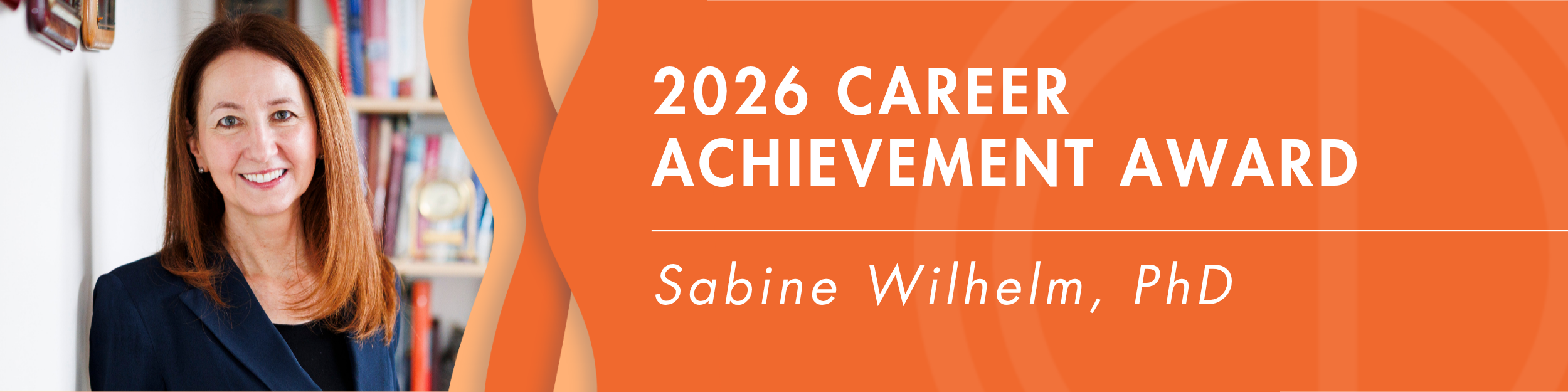
2026 Career Achievement Award Winner: Sabine Wilhelm, PhD
Highlighting the significant and notable contributions of a professional in the field of OCD and related disorders.
Sabine Wilhelm, PhD, is the Donovan-Chien Family Endowed Professor at Harvard Medical School and Chief of Psychology at Mass General Brigham. She directs both the Center for OCD and Related Disorders and the Center for Digital Mental Health at Massachusetts General Hospital. Dr. Wilhelm’s work leverages AI and technology to improve mental health care globally, focusing on developing personalized, scalable digital treatments. She has authored 375 publications and nine books. She has received major awards, including the NAMI Scientific Research Award and the Peter Ranney Innovation Award from the World Medical Innovation Forum. Dr. Wilhelm is the outgoing Chair of the IOCDF Scientific & Clinical Advisory Council after serving since 2023, and she has served on numerous committees to support the Foundation’s work to advance research and resources for OCD and related disorders.
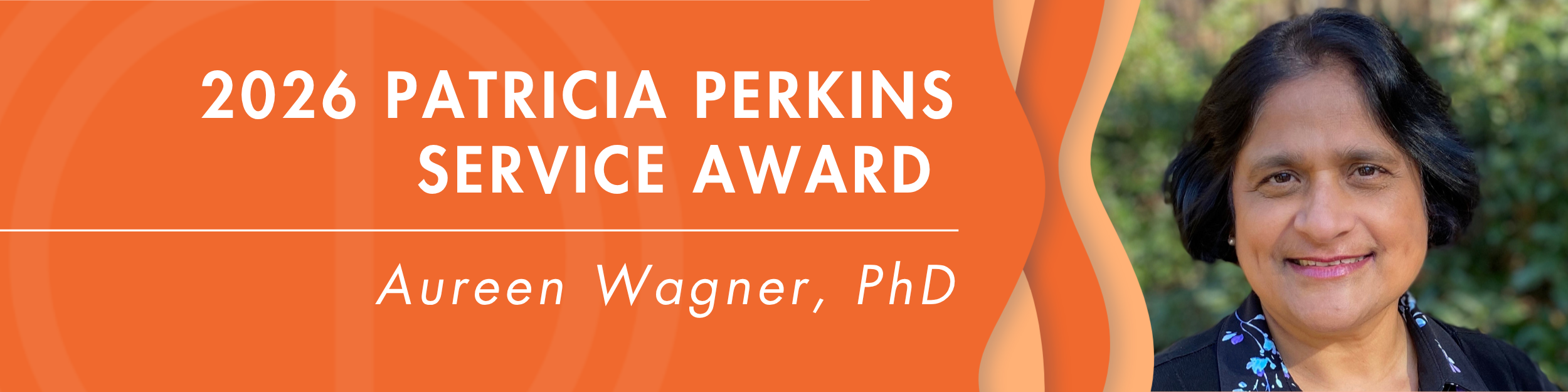
2026 Patricia Perkins Service Award Winner: Aureen Wagner, PhD
Honors any professional or IOCDF member who has stood out as a long-time (10+ years) and active contributor to the IOCDF in multiple ways. This award is named after Patricia Perkins, IOCDF co-founder, past president of the Board of Directors, and previous executive director.
Winner Bio: Aureen Pinto Wagner, Ph.D., joined the IOCDF in 1992 as a newly-minted clinical psychologist. She presented a workshop for parents at her first conference in 2000, and has been a regular presenter at most conferences since then. Dr. Wagner has contributed to several IOCDF livestreams and presented at the annual Online OCD Camp for youth and parents since its inception in 2021. She serves on the Scientific and Clinical Advisory Board of the IOCDF and has been on the faculty of the Behavior Therapy Training Institute since 2001.
Dr. Wagner is dedicated to bringing hope and help to families experiencing OCD via evidence-based, developmentally-tailored treatment, and to increasing access to treatment by training clinicians to treat OCD. With the goal of disseminating evidence-based treatment, Dr. Wagner provides workshops and consultation to clinicians and has published a treatment manual focused on child-friendly treatment titled, “Treatment of OCD in Children and Adolescents: A Professional’s Kit.”
At The Anxiety Wellness Center in Cary, North Carolina, Dr. Wagner provides in-person and telehealth treatment for youth and adults with OCD, anxiety and related conditions, as well as parenting support for families. In keeping with her mission of empowering youth and families, Dr. Wagner wrote the award-winning books “Up and Down the Worry Hill: A Children’s Book about Obsessive-Compulsive Disorder and its Treatment,” “What to do when your Child has Obsessive-Compulsive Disorder: Strategies and Solutions” and “Worried No More: Help and Hope for Anxious Children.”
2026 Hero Award Winner: Stephen Smith
Recognizes any individual that has stood out as a particularly effective advocate for OCD and related disorders or who helped raise awareness of these disorders.
Stephen Smith is the Co-founder and Chief Executive Officer of NOCD, the world’s largest OCD-specialty treatment provider for both adults and children. After emerging from a personal struggle with undiagnosed OCD and experiencing the success of Exposure & Response Prevention (ERP) therapy first-hand, Stephen made it his mission to transform the behavioral health treatment system for people with OCD and related conditions. Under his leadership, NOCD has done that. NOCD drives OCD awareness campaigns that reach millions of people each year, cares for hundreds of thousands of people with OCD, and is contracted to serve more than 140 million commercial lives nationally.

2026 Youth Hero Award Winner: Gabriella Lee
Recognizes any youth (under 18) that has stood out as a particularly effective advocate for OCD and related disorders or who helped raise awareness of these disorders. This award is presented by UNSTUCK: an OCD kids movie.
Gabriella Chaeyoon Lee is a junior at Great Oak High School in California who is dedicated to promoting mental health awareness, particularly surrounding OCD. Inspired by her personal connection to OCD through her mother’s diagnosis, she actively works to reduce stigma and support others through her school club and independent initiatives. She is passionate about creating safe and inclusive spaces where individuals feel understood and supported. She hopes to continue her advocacy and contribute to meaningful change in mental health communities.

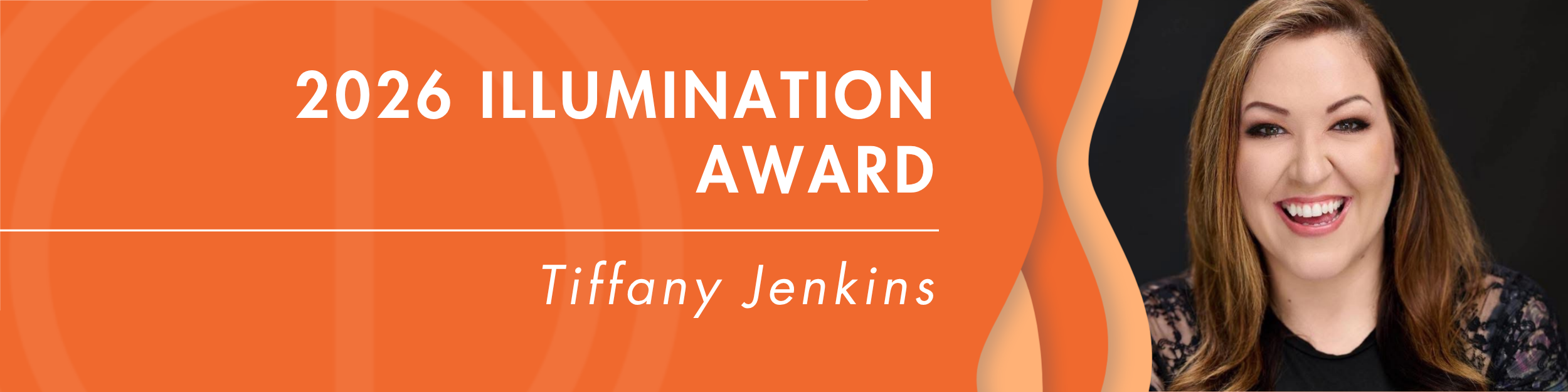
2026 Illumination Award Winner: Tiffany Jenkins
Honors media personalities who have represented OCD or related disorders in a respectful, accurate, and appropriate way, or who have challenged stereotypes and helped to fight stigma around mental health issues.
Tiffany Jenkins is a comedian, New York Times bestselling author, speaker, and podcast host with a combined social media following of over 9 million and more than one billion video views worldwide.
While widely recognized for her relatable and candid comedy, Tiffany is deeply committed to raising awareness around mental health and addiction. Drawing from her own lived experience in recovery, she travels across the United States speaking at high schools, correctional facilities, treatment centers, and conferences, where she delivers impactful, honest conversations that resonate with diverse audiences.
Above all, Tiffany is a devoted mother, bringing authenticity, resilience, and humor into both her work and her everyday life.
The post Introducing the 2026 IOCDF Award Winners of the 31st Annual OCD Conference appeared first on International OCD Foundation.
Turning Rejection Into a Roadmap: Advice for the Next Generation of Mental Health Leaders
A Conversation with Tom Osborn, Founder of Africa’s Largest Mental Health Provider Shamiri Institute
Aaliyah Nadirah Madyun, program director at the Stavros Niarchos Foundation (SNF) Global Center for Child and Adolescent Mental Health at the Child Mind Institute, recently sat down with Tom Osborn, founder of the Shamiri Institute and an International Advisory Board member at the SNF Global Center. They discussed Osborn’s remarkable journey as a young entrepreneur.
At just 18, while studying at Harvard University, Osborn founded the Shamiri Institute, which has since grown into Africa’s largest youth mental health provider — now reaching over 100,000 young people annually and having trained and employed more than 3,000 providers. In this candid conversation, Osborn shares hard-won lessons on resilience, mentorship, and well-being. He offers advice to the SNF Global Center’s Youth Council members — many of whom are launching their own mental health initiatives in communities across Greece, Brazil, South Africa, and beyond.

AM: You founded Shamiri when you were just 18. Many members of our SNF Global Center Youth Councils are now launching their own mental health organizations. What advice would you give them?
TO: I think these past three to five years post-COVID have been quite good for mental health. There’s just more dialogue, more conversation. It’s maybe one of the best times to start working in mental health. There is a big space for young people to be leaders. On the other hand, it’s also very difficult.
AM: What kind of difficulties can young people expect to encounter?
TO: It’s very difficult for a few reasons. We normally start this work because we have a lot of passion, enthusiasm, and commitment to the cause. But that is not the day-to-day of being a social entrepreneur. It’s convincing people to partner with you, to fund you, etc., which is a completely different skill set to learn. And the second part is getting a level of comfort with failure. Because the reality is, on average, nine out of ten doors that you try to open will not open; especially when you are starting. For example, if you’re in Brazil and there are 100 other young people trying to start something, there is a finite pool of opportunities and resources. So, when you are starting, part of the initial process requires you to develop resilience and a growth mindset.
AM: Could you speak about the role mentorship has played in your journey, and how young entrepreneurs can leverage mentorship to navigate the challenges of building something from the ground up?
TO: Mentorship is really crucial. Finding folks — researchers, practitioners, or just folks in the community — who can help provide guidance as you build the skills you need to be an effective entrepreneur.
AM: How would you recommend young people go about finding a mentor? It seems like that ability, identifying and cultivating a mentoring relationship, might be a skill set in itself.
TO: In my experience, there are three pathways. In many countries we have what we call accelerators, which look for young people who literally have an idea and enthusiasm, and then take them through 10–16 weeks of bootcamp where they can learn the skills to develop their idea. So, that’s one pathway. The second pathway, which really worked for me but may sound intimidating, is direct outreach to folks who have done something similar. So, you can do some research. It doesn’t have to even be related to mental health. It can be education or some broader thing. But find someone who has built something that you admire. You will be surprised how many people are willing to support and pay it forward, because we all have benefited from the help of someone else. I created an Excel spreadsheet with a list of people who I looked up to, and I reached out to them on LinkedIn. Sometimes you can even find their email. Some people said “no”, but if you reach out to 10 or 20 people, some people will talk to you. And the third pathway is . . . increasingly we have a lot of resources like the SNF Global Center Youth Councils and international organizations that deal with mental health. You can join these organizations to expand your network.
AM: Could you share your story with us and tell us how you got started?
TO: I started when I was in University as part of a research project I was doing when I was studying psychology. I needed to do something for my thesis and in the process of doing that I applied to an accelerator. I also went to my professor and asked him, ‘Do you know anyone who could connect me with?’ In fact, he helped me write my first grant and gave me the opportunity to learn those entrepreneurial skills.
AM: Starting at such a young age, one can imagine that you must have encountered many challenges and setbacks. What were the key lessons you took away from that growth period?
TO: The reality of this work, and not to discourage people but to give a factual picture, is that there are more setbacks than there are wins. Part of the process is that you learn from the setbacks. I can give you an example of some of my own setbacks. In my first year of doing this, we tried to raise money. We applied for grants, sent out proposals, etc.; but we couldn’t raise any money. So, what I did after getting the rejection is I would email and ask, “Do you have any feedback for us about why we didn’t get the funding?” or “Can we jump on a call so you can explain what we can do better?” What I learned from that was the way I was communicating what we were doing made sense in my mind, but I wasn’t putting myself in the shoes of the person who was reviewing the proposal. I only have five to ten minutes of someone’s time. So, how can I really simplify my message? For example, my first proposal was, “Shamiri does task-shifting mental health interventions for adolescent depression, anxiety, etc.” If you are in the field, you maybe get it. But if you are somebody who is just reading grants on mental health education, you don’t really get it. Now we say, “Shamiri means thrive and we enable young people to thrive.” So that invites people to ask how we’re helping people to thrive.
AM: What is another setback that surprised you?
A second example of a failure is getting buy-in from the beneficiaries that we were trying to work with. I thought, “We have this great idea, we’ve done this research, and it works. We’re going to go to schools and they’re going to be like, ‘This is great! Come work with us.’ Teachers are going to want to work with us.” But actually, in our first three years we were trying to work with 25,000 students and we ended up working with only 1,000 students. We really struggled with getting people to sign up. The lesson from that was we were thinking more from the idea this was our product, rather than thinking, “What is the problem that I am trying to solve for this person?” To give a concrete example, there are three people we need to get buy-in from: young people in schools, teachers, and parents. Just having a great product does not mean that people are going to use it. You need to figure out what the problem is. How can I solve it? How do I communicate this to users?
AM: I can imagine that dealing with failures and setbacks is extremely hard, especially for a young person. What would you say to a young person who is currently experiencing this?
TO: Finding ways to stay grounded and healthy from a well-being perspective is really crucial. Identify what matters to you and connect with those things. And ideally if you can find a way to build a routine around that, it could help. Doing this work takes a big toll. If you don’t find ways to ground yourself and get the energy to continue with this, you may burn out.
AM: Do you have some final words for our Youth Council members and other young people reading this?
TO: Those closest to the problem are those closest to the solution. I am from Kenya, which is a really young country. The median age is 19 and 70 percent of the population is under 30. If we are to solve some of these pressing problems, including mental health, those solutions are going to have to come from young people.
The post Turning Rejection Into a Roadmap: Advice for the Next Generation of Mental Health Leaders appeared first on Child Mind Institute.
Welcome to Our New IOCDF Advocates
The IOCDF is thrilled to announce our newest cohort of Advocate volunteers! We’re welcoming 13 incredible new Advocates to our program, bringing our total to 64 dedicated volunteers working together to create meaningful change for the OCD and related disorders community.
These passionate individuals join us from bustling cities and quiet rural towns across the United States and around the world. From California to Massachusetts, and from countries including Canada and Ireland, this mix of local and global perspectives ensures we can reach and represent diverse communities everywhere.
The Power of Diverse Voices
Our newest cohort has a wide range of experiences and interests. They are passionate about addressing critical topics including:
- Access to treatment
- Diversity, multicultural issues, and LGBTQIA+ inclusion
- Family issues and family accommodation
- Young adult mental health and academic challenges
- Public policy
- Research advancement
- Suicide prevention
- Nutrition, fitness, and anxiety in athletes
This diversity of focus areas ensures that we can better represent and serve the full spectrum of our community’s needs.
Meet the Spring 2026 Advocates:
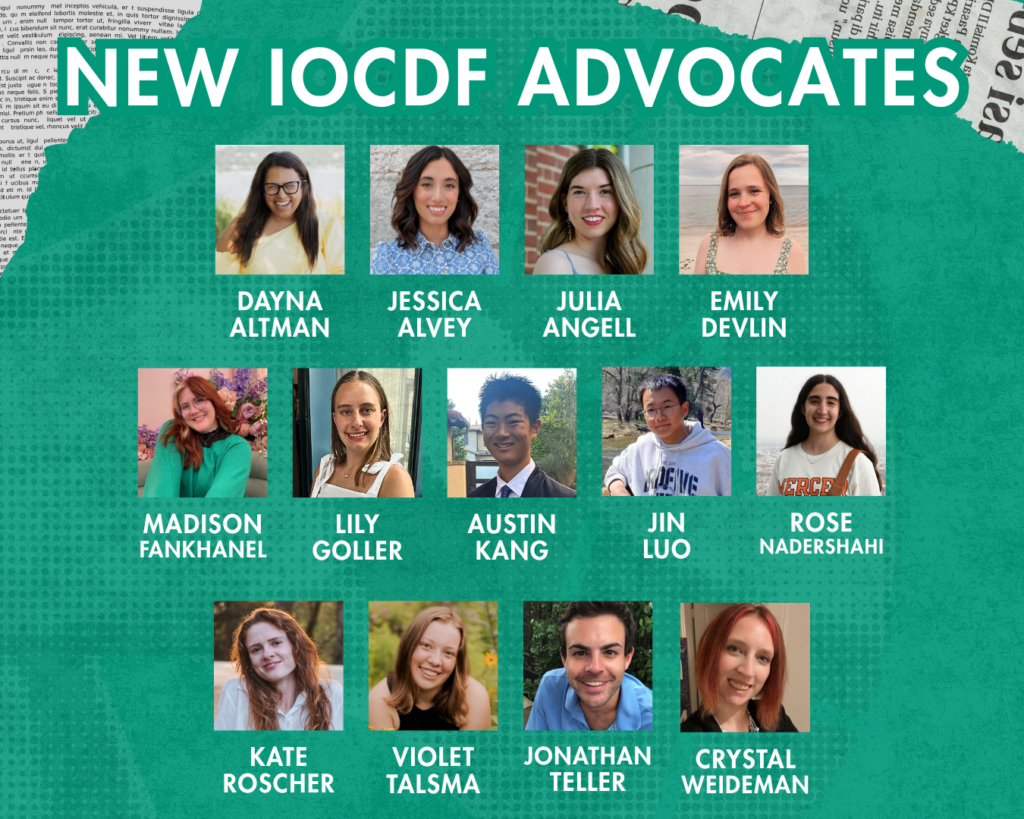
- Dayna Altman
- Jessica Alvey
- Julia Angell
- Emily Devlin
- Madison Fankhanel
- Lily Goller
- Austin Kang
- Jin Luo
- Rose Nadershahi
- Kate Roscher
- Violet Talsma
- Jonathan Teller
- Crystal Weideman
You can see the full list of IOCDF advocates at iocdf.org/advocate-program
Your Voice Matters Too
Inspired by our Advocates? You can make a difference! Here are ways to start advocating today:
Fuel Our Mission Through Fundraising
Turn your passion into action by launching a personal fundraiser. Whether for a birthday, a race, or a creative project, you can rally your friends and family to raise critical funds. Every dollar helps build a world where everyone affected by OCD can thrive. Start your fundraiser here or explore all ways to give back here.
Advocate for policy change
Your voice can shape laws that improve access to care and insurance coverage. The IOCDF Public Policy Action Center makes it simple to find the latest bills and contact your elected officials with just a few clicks. True change starts here.
Join an IOCDF Special Interest Group
Connect with people who share your experiences or professional interests. IOCDF Special Interest Groups (SIGs) provide a platform for deeper discussion.
Whether you advocate on the national stage, share your story to fight stigma, or fundraise your way, every action creates a ripple effect of hope and understanding. Your journey, your voice, and your commitment are powerful tools.
Start today and help us build a world where everyone affected by OCD feels supported, seen, and empowered. Join a dedicated community committed to raising awareness.
Welcome again to our new IOCDF Advocates, we’re grateful to have you joining our mission!
The post Welcome to Our New IOCDF Advocates appeared first on International OCD Foundation.
Prevalence and Predictors of Self-Reported Adverse Experiences in Digital Meditation Training: 2 Randomized Controlled Trials
Background: Digital meditation-based interventions (MBIs) reach vast global audiences with millions of active users, yet concerns persist about the frequency and nature of adverse experiences (ie, AExs) occurring during meditation training. Some researchers have argued that AExs are substantially underdetected and reflect iatrogenic harm caused by meditation (ie, adverse effects [AEfs]). Others contend that these experiences largely reflect common stressors that would be experienced without meditation. These competing perspectives underscore the need for further research, particularly in the context of digital MBIs, the most widely used form of meditation training. Objective: This study examined the prevalence, predictors, and subjective evaluations of AExs during a digital MBI and tested whether reported experiences may be caused by meditation practice via comparisons between meditation-exposed and nonexposed participants. Methods: Data were drawn from 2 trials of the Healthy Minds Program. Exploratory study 1 (n=315) consisted of a sample of distressed US undergraduate students to estimate the prevalence of AExs and identify baseline predictors. Preregistered confirmatory study 2 (n=594) sampled distressed US adults from all 50 states to replicate findings from study 1 and to examine participants’ subjective evaluations of AExs. Study 2 additionally compared AEx rates between participants who did and did not complete guided meditations to assess whether AExs could be caused by meditation exposure. Study 3 (n=87) used qualitative methods to analyze study 1 participants’ responses to an open-ended question regarding their strategies for coping with AExs. Results: In studies 1 and 2, 27.9% (88/315) and 10.1% (40/396) of participants, respectively, reported at least one AEx during the study period, with 6.7% (21/315) and 3% (12/396) reporting functional impairment, largely aligning with previous research. Critically, in study 2, rates of AExs did not significantly differ between participants who did and did not complete guided meditations, suggesting that these experiences were not caused by meditation practice. Higher baseline depression, anxiety, loneliness, experiential avoidance, and perceived barriers to meditation predicted more frequent AExs. In studies 1 and 2, 89.8% (79/88) and 90% (36/40) of participants who reported AExs, respectively, indicated that they were glad to have learned to meditate. Qualitative analyses showed that participants used diverse coping strategies, often using skills learned through the Healthy Minds Program. Conclusions: AExs were relatively common but occurred at comparable rates among participants who did and did not meditate, challenging claims that such experiences were caused by meditation practice in distressed individuals. Although a small subset of participants reported some degree of functional impairment, most evaluated their AExs as tolerable and described their overall MBI experience as positive. Together, these findings highlight the importance of distinguishing AExs that likely reflect epiphenomena of preexisting distress or symptoms from iatrogenic harm attributable to MBIs. Trial Registration: Study 1: ClinicalTrials.gov NCT04741529; https://clinicaltrials.gov/study/NCT04741529; Study 2: ClinicalTrials.gov NCT06282523; https://clinicaltrials.gov/study/NCT06282523
<img src="https://jmir-production.s3.us-east-2.amazonaws.com/thumbs/09106e6bad7f3f15798304e0c00626ec" />
Examining the Social and Mental Health Benefits of Virtual and In-Person Physical Activity Intervention Among Postsecondary Students: Quasi-Experimental Study
Background: Physical activity (PA) is a promising prevention approach for supporting mental health and enhancing social inclusion among postsecondary students. However, it is unclear whether similar outcomes are realized when PA programming is delivered in-person versus virtually. Objective: Using data from a multiphase research project, the purpose of the study was to examine the influence of on-campus PA programming (virtual and in-person delivery) on mental ill health symptoms (ie, anxiety and depression), social inclusion indices (ie, social connectedness, emotional ties, and social relationship quality), and well-being. Three objectives were addressed: (1) to assess pre-post change in symptoms, social inclusion indices, and well-being for virtual and in-person delivery; (2) to evaluate whether outcome change over time differed by delivery mode; and (3) to examine whether change in symptoms and social inclusion indices predicted change in well-being for both delivery modes. Methods: Physically inactive postsecondary students experiencing mental ill health participated in a 6-week structured and supervised PA program. Pre-post intervention data were collected across 3 phases, and the analytical samples included: 1. In-person delivery (n=87; 82%, 69/84 young adults; 86%, 74/86 women; 38%, 33/86 White; 20%, 17/86 Chinese; 86%, 75/87 with mental illness; 2. Virtual delivery (n=62; 69%, 42/61 young adults; 95%, 59/62 women; 34%, 21/62 White; 21%, 13/62 South Asian; 55%, 34/62 with mental illness), and 3. Data from students who received in-person or virtual delivery: (n=92; 67%, 61/91 young adults; 90%, 83/92 women; 32%, 29/92 White; 20%, 18/92 South Asian; 59%, 54/92 with mental illness). Data were analyzed using 2-tailed paired samples tests to address objective 1, a 2 (delivery mode) × 2 (time: pre-post) repeated-measures ANOVA to address objective 2, and hierarchical regression analyses to address objective 3. Results: Both virtual and in-person PA delivery were effective for symptom reduction and social inclusion improvements across all outcomes (<.001), with moderate-to-large effects. There was no significant time × delivery mode (=0.72, ²=0.04, =.60) interaction effect. Change in social inclusion indices explained unique variance in well-being, beyond covariates (gender, mental illness, and ethno-racial identity), and symptom reduction for virtual ( = 0.75, 008001) and in-person ( = 0.72, =0.16, <.001) PA delivery. Conclusions: Online distance learning is increasing across postsecondary settings worldwide, underscoring the need for accessible, technology-enabled mental health prevention interventions. The results provide support for the effectiveness of virtual and in-person PA programming for reducing symptoms of anxiety and depression, while also enhancing social inclusion indices and overall well-being. Social inclusion indices were also a key contributor to improved well-being, emphasizing the relevance of social factors in both virtual and in-person PA-based mental health prevention strategies for postsecondary students.

Tracking the longitudinal course of physiologic and mental health functioning among individuals in substance use disorder treatment
IntroductionMental health monitoring is crucial to long-term recovery in substance use disorder (SUD) treatment; however, little is known about how changes in physiological indicators align with changes in self-reported mental health over time.MethodsWe examined longitudinal associations of resting heart rate (RHR) and heart rate variability (HRV) collected via a WHOOP® photoplethysmography device with self-reported stress, anxiety, and depressive symptoms among individuals in SUD treatment. Participants (N = 59) continuously wore the device and completed at least two mental health and stress assessments during the first month of residential treatment. ResultsLinear regression results indicated favorable changes in mental health and/or physiologic metrics, with notable heterogeneity in concurrent subject-level trends. Among participants with decreased RHR (better physiological functioning), 39% (N=23) also endorsed decreased stress, 42% (N=25) decreased anxiety, and 39% (N=23) improved depressive symptoms. Of those with increased HRV (greater stress adaptability), 39% (N=23) endorsed decreased stress, 39% (N=23) improved anxiety, and 41% (N=24) reduced depressive symptoms.DiscussionConcurrent changes in physiologic and mental health metrics during the first month of treatment varied across participants. These findings highlight the importance of integrating subjective mental health measures with physiological indicators to capture clinically relevant change during early SUD treatment.
The Intersectionality of OCD and the Shame Surrounding Sexuality
By Mike Vatter
Obsessive-Compulsive Disorder (OCD) is often misunderstood as a condition involving excessive cleanliness, organization, or ritualistic behavior. In reality, OCD is a complex mental health disorder characterized by intrusive thoughts, unwanted images, fears, and compulsive behaviors intended to reduce anxiety. One of the least understood and most painful aspects of OCD occurs when intrusive thoughts intersect with sexuality, creating a profound sense of shame, confusion, and isolation.
Sexuality is already a deeply personal aspect of human identity. Many people grow up receiving messages, whether from family, religion, culture, or society, that certain thoughts, desires, or identities are inappropriate or unacceptable. When OCD enters this landscape, it can weaponize these fears and vulnerabilities. Intrusive thoughts often target what a person values most or fears most. As a result, individuals with OCD may experience unwanted sexual thoughts that feel completely inconsistent with their values, identity, or desires.
Someone with OCD may become trapped in relentless questioning: “What if I am attracted to someone I shouldn’t be attracted to?” “What if these thoughts mean something about who I really am?” “What if I am secretly a bad person?” These questions are not driven by genuine desire but by overwhelming anxiety and uncertainty. Nevertheless, the individual often feels compelled to seek reassurance, analyze their reactions, or avoid situations that trigger distress.
The shame surrounding sexuality intensifies this struggle. Society frequently treats sexual thoughts as reflections of character rather than recognizing that thoughts can occur without intent, desire, or meaning. For people with OCD, this misunderstanding can be devastating. Many become terrified that simply having an intrusive thought makes them immoral, dangerous, or fundamentally flawed. As a result, they often suffer in silence, afraid that disclosing their thoughts will lead to judgment or rejection.
The intersection of OCD and sexuality can affect people of all sexual orientations and gender identities. Some individuals experience obsessions centered on questioning their sexual orientation, regardless of whether they identify as heterosexual, gay, bisexual, or otherwise. Others experience intrusive thoughts involving taboo or unwanted sexual scenarios. In each case, the distress comes not from the thoughts themselves but from the meaning the individual fears those thoughts represent.
This experience is particularly challenging because shame thrives in secrecy. The more a person attempts to suppress, analyze, or eliminate intrusive thoughts, the stronger and more persistent those thoughts often become. OCD feeds on certainty-seeking, convincing individuals that if they can just think hard enough or find enough reassurance, they will finally feel safe. Unfortunately, the cycle rarely ends that way.
Recovery begins when individuals learn to separate intrusive thoughts from identity and intention. Evidence-based treatments such as Exposure and Response Prevention (ERP) help people tolerate uncertainty and reduce compulsive responses. Through treatment, many discover that thoughts are not actions, urges are not intentions, and anxiety is not evidence. They learn that having an intrusive thought says far less about their character than the courage it takes to face that thought without engaging in compulsions.
Understanding the intersectionality of OCD and sexual shame requires compassion, education, and nuance. It demands that we challenge cultural assumptions about thoughts and morality while recognizing the unique suffering OCD can create. When people understand that intrusive thoughts are a symptom of a disorder rather than a reflection of character, shame begins to lose its power.
Ultimately, healing occurs not when every intrusive thought disappears, but when individuals no longer measure their worth by the thoughts that enter their minds. By replacing shame with understanding and fear with self-compassion, people living with OCD can reclaim both their mental health and their sense of identity.
The post The Intersectionality of OCD and the Shame Surrounding Sexuality appeared first on International OCD Foundation.