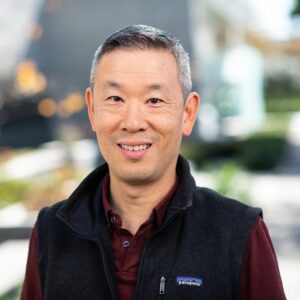
Feuer brings more than two decades of clinical leadership to inaugural role
New York, NY – The Child Mind Institute, an independent nonprofit dedicated to transforming the lives of children affected by mental health disorders, today announced Vera Feuer, MD, as the organization’s first-ever Chief Clinical Officer. A seasoned specialist in pediatric and adolescent mental health, Dr. Feuer will oversee clinical strategy, including patient care in the New York City and San Francisco Bay Area offices, and help drive innovation across treatment and research.
Dr. Feuer most recently served as Vice President of Child and Adolescent Psychiatry at Northwell Health and is a professor of psychiatry, pediatrics, and emergency medicine at the Zucker School of Medicine at Hofstra/Northwell Health. A board-certified psychiatrist, she brings more than 20 years of clinical expertise and leadership in pediatric and adolescent mental health and crisis care to the Child Mind Institute. She has helped pioneer innovative standards of care in pediatric crisis behavioral health care and suicide prevention, and she has led the development of programs for the pediatric medical community and school district partnerships to expand mental health care access for students.
“I am thrilled to join the Child Mind Institute and beyond excited to bring my extensive experience of working with youth and families, creating access to care and innovative program development, and to work with this remarkable team,” Dr. Feuer says. “Together we will deepen access to high-quality, evidence-based care and develop programs that meet the needs of kids where they are.”
Dr. Feuer will provide strategic oversight to a multidisciplinary team of more than 70 clinicians who deliver over 70,000 patient appointments annually, ensuring continued excellence in delivering care, developing school-based programs, and establishing community partnerships while expanding access to high-quality mental health services. As a member of the Child Mind Institute’s executive leadership, Dr. Feuer will be instrumental in shaping the organization’s clinical vision, providing medical expertise to improve outcomes for children and families and guiding the integration of research through data-driven approaches that advance care and innovation.
“At a time when youth mental health needs are more urgent than ever, Dr. Feuer’s exceptional leadership brings crucial guidance to meet this moment,” says Harold S. Koplewicz, MD, founding president and medical director of the Child Mind Institute. “Our mission has always been to transform how families access and experience mental health care. With Dr. Feuer at the helm as our Chief Clinical Officer, we remain steadfast in our commitment to strengthening our clinical foundation, shaping the future of mental health and helping families nationwide.”
The Child Mind Institute is dedicated to transforming the lives of children and families struggling with mental health and learning disorders by giving them the help they need. We’ve become the leading independent nonprofit in children’s mental health by providing gold-standard, evidence-based care, delivering educational resources to millions of families each year, training educators in underserved communities, and developing tomorrow’s breakthrough treatments.
The AI market is full of big promises of grand transformation. Health care is a prime target for those promises, beset as it is by financial pressures, labor shortages, and the growing burden of caring for an aging population. AI developers are targeting functions that vary widely, from curing cancer and performing surgery to streamlining routine administrative tasks.
The opportunity is genuine, but execution can be difficult. Numerous software vendors have tried to “fix” health care challenges but failed because they misunderstood the environment. “Health care is very complex,” says Steve Bethke, vice president of the solution developer market for Mayo Clinic Platform, which supports the buildout and deployment of digital solutions for health care companies through data-based insights and expert validation. “Solution developers must have a deep focus on clinical and technical capabilities, and then align their solutions to the relevant business impacts. If they miss any dimension, the solution will not be adopted or drive value.”
AI applications for health care are proliferating rapidly. The U.S. Food and Drug Administration has approved more than 1,300 AI-enabled medical devices, mostly for interpreting diagnostic images. More than half of these were approved in the past three years, with the earliest dating as far back as 1995. Non-radiological applications carry out tasks as diverse as tracking sleep apnea, analyzing heart rhythms, and planning orthopedic surgeries.
AI applications that do not count as medical devices— for example, those that handle scheduling and administrative tasks—are more difficult to track but are also rapidly increasing. AI can help coordinate complex tasks and workflows that are often conventionally managed by whiteboards and sticky notes. Such functions may well outstrip clinical uses in their impact on health systems. A recent survey of technology leaders found that 72% said their top priority for AI was reducing caregiver burden and improving caregiver satisfaction, while over half (53%) cited workflow efficiency and productivity.
Any health care-related application can potentially impact patient care, whether directly or indirectly, and AI apps that are poorly designed or inadequately trained and validated can put patients at risk. Providers recognize that risk: In the same survey, 77% said immature AI tools are a significant barrier to adoption. Regulators and lawmakers are also keeping an eye on the risks as development and adoption burgeon, though the U.S. regulatory picture is still in flux, as a 2024 report to Congress on AI in health care observes.
To tackle some of the technical challenges, many health care providers are partnering with application developers to build AI solutions. In a recent study, McKinsey found that 61% of health care organizations intend to pursue partnerships with third-party vendors to develop customized generative AI solutions as a primary strategy as opposed to building them in-house or buying off-the-shelf products.
But health care-specific AI applications must also be tailored to the nuanced clinical needs of medical providers as well as the complex business and regulatory considerations of the wider sector. This is where developers can benefit from working with a partner with a deep understanding of the health care environment to tailor applications to what providers want and need most. Doing so helps to position AI products for maximum impact and value, avoiding the pitfalls unique to the health care environment.
This content was produced by Insights, the custom content arm of MIT Technology Review. It was not written by MIT Technology Review’s editorial staff. It was researched, designed, and written by human writers, editors, analysts, and illustrators. This includes the writing of surveys and collection of data for surveys. AI tools that may have been used were limited to secondary production processes that passed thorough human review.
The budding scientist had left India for the U.S. for her Ph.D., because as she saw it, no other country offered the same opportunities for researchers. Set to finish her doctorate this summer, she also had a postdoctoral fellowship lined up in America.
Now those plans have changed. New and intrusive burdens for renewing a component of her visa — which required her to make public her social media profiles for U.S. review while she was back in India — caused her to be away from the lab for two months during the crunch time of wrapping up her degree.
A recently published paper delivers a finding that should be well known to every executive in Western pharma: China has gone from accounting for less than 8% of global clinical trials in 2010 to surpassing the United States in annual registered trial volume by 2020, reaching more than 5,000 trials per year in 2024. Eighty-eight percent of that growth, among private-sector sponsors, was driven by domestic Chinese firms, not multinationals relocating R&D.
China is not just a manufacturing base for the West’s drug supply chain. It is now a peer competitor in drug innovation — and it intends to stay that way on its own terms.
Toward that end, on April 7, China’s State Council issued Decree No. 834, the Regulations on Industrial and Supply Chain Security, effective immediately, with no transition period. Its 18 articles give Beijing sweeping new powers to investigate and sanction any foreign company whose commercial decisions are deemed to harm China’s industrial chain security. China’s 15th five-year plan has explicitly designated biotechnology and pharmaceuticals as the centerpiece of its next phase of industrial development. Decree No. 834 is the legal infrastructure through which Beijing intends to protect and leverage that ambition.
Sometimes a patient’s death is enough to send a stock tumbling. Other times, the fear of litigation that often arises whenever a new therapeutic approach emerges can send shares sinking. This past week, Erasca (NASDAQ: ERAS)—whose name is a portmanteau for “erase cancer”—ran into both, causing its share price to nosedive 53%.
The precision oncology company, whose drugs and combination therapies focus on fighting cancer by shutting down the RAS/MAPK pathway, shared preliminary positive albeit early clinical dose escalation data for ERAS-0015, pooled from two Phase I trials. The oral pan-RAS molecular glue is being developed to treat solid tumors that include non-small cell lung cancer (NSCLC) and pancreatic cancer (formally pancreatic ductal adenocarcinoma or PDAC).
ERAS-0015 achieved unconfirmed overall response rates (uORR) of 62% to 75% in KRAS G12X NSCLC patients dosed at 16–32 mg once daily, with the low percentage in second line or greater KRAS G12X NSCLC (37 patients), and the high percentage in post-ICI/platinum (second and third line) KRAS G12X NSCLC (37 patients). In pancreatic cancer, which has an overall five-year survival rate of just 13%, ERAS-0015 achieved unconfirmed overall response rates ranging from 40% to 50% in second-line positive KRAS G12X PDAC.
However, tucked in footnotes on pages 25 and 43 of its investor presentation detailing the positive data was the disclosure that a 66-year-old male patient died after his grade 3 treatment-related adverse event (TRAE) of pneumonitis progressed to grade 5 after supportive care was withdrawn at the patient’s direction. The patient, who had “heavily pretreated” metastatic pancreatic cancer, received 24 mg of ERAS-0015, Erasca said.
“The patient had pulmonary metastases, a history of right lung cryoablation, and no history of lung radiation. The patient presented to the ER approximately a month after starting ERAS-0015 with grade 3 pneumonitis that was treated aggressively with immediate discontinuation of ERAS-0015, high-dose steroids, and infliximab,” Erasca explained. “The patient requested withdrawal of supportive care and ultimately died of the event.”
“Different outcome”
Jonathan E. Lim, MD, Erasca’s chairman, CEO, and co-founder
During an April 27 conference call, Jonathan E. Lim, MD, Erasca’s chairman, CEO, and co-founder, told analysts the death was “a very rare event” as pneumonitis is a rare drug-related toxicity seen in many oncology drugs.
“The withdrawal of supportive care is really why this progressed from grade 3 to grade 5,” Lim said. “The investigator told us directly that he thought that if the patient had continued supportive care, then it might have been a different outcome. So yes, it’s very unfortunate for the patient, but that was the feedback.”
Lim added that Erasca hasn’t seen any other grade 4 or grade 5 TRAEs. He told analysts that both FDA-approved KRAS G12C inhibitors have warnings and precautions for pneumonitis in their labels—Lumakras® (sotorasib), marketed by Amgen (NASDAQ: AMGN); and Krazati® (adagrasib), marketed by Bristol Myers Squibb (NYSE: BMY). Lim also cited Revolution Medicine (NASDAQ: RVMD)’s daraxonrasib (formerly RMC-6236), which Erasca is citing as a comparator to ERAS-0015, had also reported pneumonitis at a level of 1 out of 50 patients for monotherapy.
The same day as the data release and patient death disclosure, Erasca also revealed in a regulatory filing that it had received a letter from legal counsel for Revolution, Erasca’s arch-rival developer of RAS inhibitors against cancer. Revolution told Erasca that ERAS-0015 was “substantially equivalent” to compositions claimed by Revolution in its U.S. Patent No. 12,409,225, titled “RAS Inhibitors”, and as a result, Erasca “infringes” the patent.
“The disclosure features macrocyclic compounds, and pharmaceutical compositions and protein complexes thereof, capable of inhibiting Ras proteins, and their uses in the treatment of cancers,” according to the text of the patent, which lists Revolution as its assignee.
Revolution also contended that Erasca was liable as licensee for ERAS-0015, and that Erasca “improperly” compared preclinical data of ERAS-0015 and daraxonrasib publicly.
No wrongdoing, Erasca insists
Erasca insists it did nothing wrong, stating in the filing that it “intends to contest the allegations vigorously.”
Lim echoed the company’s response in the filing during an interview with GEN, where he stated that the company believes Revolution’s assertions to be without merit.
“We have no reason to believe that ERAS 15 infringes any patent—including RevMed’s accusation, which is based on the doctrine of equivalence, rather than an accusation of direct infringement,” Lim said. “RevMed did not provide details to support its claim that others engaged in trade secret misappropriation, and we have no reason to believe any such thing occurred.”
“In addition, we believe that all of our preclinical data comparisons have been appropriate. And all of our data presented on the R&D Day were not based on head-to-head studies but on cross-trial comparisons. We made that very clear during the presentation,” Lim added.
Through a spokesperson, Revolution told GEN the company was acting to defend its inventions and the IP behind them.
“We are committed to protecting the strong foundation of innovation we have built over more than a decade through transformative science and significant investment,” Revolution stated. “While we do not comment on the specifics of ongoing legal matters, we remain confident in the strength of our intellectual property. Our focus remains on advancing our science to deliver innovative medicines that make a meaningful impact for patients.
Slumping stock
Erasca investors reacted coolly to the patient death and prospect of a legal wrangle with Revolution. Erasca shares slumped 11% from $21.49 to $19.15 the day of the data announcement and regulatory filing. The share price plunged 48% to $9.90 Tuesday and fell another 8% Wednesday to $9.11 before bouncing back17% to $10.65 Thursday as investors bought the dip, then finished Friday sliding 6%, closing at $10.03.
Despite the selloff, Erasca shares have more than quadrupled over the past six months, rocketing 314% from $2.42 on October 31 and catapulting 573% over the past year (from $1.49 on May 1, 2025).
Revolution shares rose 3% this week. After sliding nearly 3% from $135.30 to $131.67 on April 27, the stock benefited from Erasca’s slump by jumping 10% to $144.83 before fluctuating, closing Friday at $139.48.
“We view the (-)ve [negative] post‑data reaction as overdone, as ERAS‑0015 looks like a formidable competitor in the pan‑RAS landscape,” Maury Raycroft, PhD, equity analyst with Jefferies, wrote in a research note.
Raycroft cited Erasca’s comparing its 62%/75% uORR in NSCLC to the confirmed 38% ORR cited for daraxonrasib in a 2025 study by researchers from Revolution and several clinical partners. Among second and third-line treatment patients post‑ICI/platinum, efficacy appeared broadly consistent across geographies, Raycroft noted, w/ uORR of 71% in the United States (12 patients), where ERAS-0015 was studied in the Phase I AURORAS-1 trial (NCT06983743), and 73% in China (11 patients), where partner Joyo Pharmatech sponsored a trial known as STAR or JYP0015M101 (NCT06895031).
“Early durability is also encouraging, w/ progression observed in 1/27 pts in the China study and 2/12 in the U.S. study; though, follow‑up remains limited (median likely ~3–4 mos), so durability conclusions are premature,” Raycroft cautioned.
In pancreatic cancer, pooled U.S. and Chinese patient data ranged from 40% uORR at 16–32 mg (20 patients), to 42% uORR at 24–32 mg (12 patients), and 50% uORR at 32 mg once daily (two patients).
Expansion doses
“Right now, we think the lower doses at 8 and 16 milligrams, for instance, seem to be relatively underpowered against pancreatic cancer compared to 24 to 32 milligrams. So, based on the totality of efficacy, safety, tolerability, and PK data, we have determined 24 and 32 milligrams to be the recommended doses for expansion,” Lim told GEN. “So we have already begun to expand out those doses to treat patients at both 24 and 32 milligrams.”
All but one of 24 responding NSCLC patients, and 20 out of 23 responding PDAC patients, remain on treatment, including all responders treated at the 24 and 32 mg once daily recommended doses for expansion (RDEs).
Erasca said ERAS-0015 showed clinical potential for combinability with standard-of-care doses of the anti-EGFR monoclonal antibody panitumumab in fighting colorectal cancer (CRC), where EGFR is a key mechanism for acquired resistance. Through the data cutoff date of March 31, Erasca showed no dose-limiting toxicities among three patients, of which one showed an unconfirmed partial response in an efficacy-evaluable patient with metastatic CRC: “That’s really exciting to have,” Lim said.
Compelling opportunities
“For monotherapy, we think lung and pancreatic are compelling opportunities, and then for colorectal cancer, combination therapy will likely be required, so we’re focused on the combination with EGFR antibody for colorectal cancer,” Lim said.
“The fact that we have been able to successfully combine ERAS15 with panitumumab in three patients, with two of them passing the DLT window, is exciting. And we did that with a 16 milligram dose of ERAS-15, which is within the pharmacologically active dose range of 16 to 32 milligrams. It’s really exciting to have safety and tolerability that is promising with that combination and activity within the PAD.”
The Erasca-Revolution dispute appears to explain a decline early this past week in the American depositary shares of another cancer drug developer whose pipeline includes RAS-targeting therapies: Adlai Nortye (NASDAQ: ANL) shares skidded 10.5% from $14.80 to $13.25 the day of Erasca’s announcement and filing, then dropped another 8% to $12.17 Tuesday before rebounding 27% the rest of the week, closing Friday at $15.50.
Adlai Nortye is developing AN9025, an oral, small-molecule pan-RAS(ON) inhibitor designed to treat a variety of advanced solid tumors with RAS mutations. AN9025 is under study in a Phase I trial (NCT07252479) whose first patient was dosed in the United States in February. The trial is being conducted with Jiangsu Aosaikang Pharmaceutical, which holds rights to AN9025 in China, Hong Kong, and Macao.
Andrew Berens, MD, senior managing director, targeted oncology, and a senior research analyst with Leerink Partners, wrote in a research note that a conversation with Adlai Nortye management offered reasons for confidence that the company will avoid legal trouble in connection with AN9025.
“ANL’s discovery of AN9025 was conducted in-house and independently, suggesting that trade secret misappropriations are unlikely,” Berens reported. “Further, while both drugs feature a macrocyclic scaffold, according to ANL, ERAS-0015 has significantly less branch change modifications and features a bridge, while 9025 underwent numerous branch modifications and the addition of a ring to the scaffold.”
Leaders and laggards
Esperion Therapeutics (NASDAQ: ESPR) shares leaped 55.5% from $2 to $3.11 Friday after the developer of cardiometabolic and rare/orphan disease therapies said it agreed to be acquired by funds managed by the healthcare-focused investment firm Archimed in a deal valued at up to approximately $1.1 billion if Esperion achieves specified commercial-based milestones. Esperion shareholders will receive $3.16 per share in cash at closing, plus the right to participate in contingent milestone payments of up to $100 million tied to future U.S. net sales for products containing bempedoic acid and products containing bumetanide. The upfront cash consideration represents a premium of 58% to Esperion’s closing share price on Thursday. Founded in 2008, Esperion specializes in developing drugs designed to fight the risk of cardiovascular disease. Esperion’s board has unanimously approved the acquisition deal, which is expected to close in the third quarter of 2026, subject to customary closing conditions that include approval by Esperion’s shareholders and required regulatory approvals.
Novocure (NASDAQ: NVCR) shares jumped 27% from $11.93 to $15.21 Thursday following several positive announcements by the oncology drug/device developer. Novocure raised its 2026 guidance to investors, increasing its net revenue forecast range to $690 million–$710 million (from $675 million–$705 million), and adjusted earnings before interest, taxes, depreciation, and amortization (EBITDA) from a $15 million operating loss to zero (from a $20 million operating loss to zero). The company said its launch of Optune Pax®, a wearable device designed to deliver its Tumor Treating Fields (TTFields) therapy for adults with locally advanced pancreatic cancer concomitant with gemcitabine and nab-paclitaxel, was successful, with 800+ prescribers certified and 160+ prescriptions received through March 31. TTFields are alternating electric fields designed to cause cell death by disrupting cancer cell replication. Novocure finished Q1 with net revenue of $174.055 million, up 12% year-over-year from $154.994 million.
Sangamo Therapeutics (NASDAQ: SGMO) shares plummeted 35% from 20 cents to 13 cents on Wednesday after the genomic medicine developer said it will begin trading its shares on the OTCQB Venture Market on May 5, under its existing ticker symbol SGMO. The switch comes after Nasdaq notified Sangamo that its common stock will be delisted from the Nasdaq Capital Market due to non-compliance with Nasdaq’s minimum $1 per share bid price requirement. While Sangamo said it intends to request a hearing from Nasdaq to appeal the delisting determination, that hearing will not stay the suspension of trading of Sangamo’s common stock. Sangamo said the shift is not expected to result in material impacts to its business or operations: “Sangamo remains focused on pursuing opportunities to raise additional capital, including an assessment of all strategic options to maximize the value of its assets.” To that end, the company said, it is negotiating “multiple potential business development transactions.”
uniQure (NASDAQ: QURE) shares climbed 19% from $16.73 to $19.95 Thursday after the gene therapy developer offered regulatory updates that included having been granted a granted a Type B meeting with the FDA to occur in the second quarter: “The company expects to discuss key elements of a potential Phase III trial design and to receive feedback on the proposed statistical analysis plan for the four-year analysis expected in the third quarter.” uniQure added that it held a pre-submission meeting with the U.K.’s Medicines and Healthcare Products Regulatory Agency (MHRA) and plans to submit a Marketing Authorization Application (MAA) for AMT-130 for the treatment of Huntington’s disease in the third quarter. The company said it expects to submit an MAA based on a three-year analysis from its ongoing U.S. and European Phase I/II clinical trials.
A federal appeals court has restricted access to one of the most common means of abortion in the U.S. by blocking the mailing of mifepristone prescriptions.
Friday’s unanimous ruling from a three-judge panel of the New Orleans-based 5th U.S. Circuit Court of Appeals is requiring that the abortion pill be distributed only in person and at clinics, overruling regulations set by the federal Food and Drug Administration.
In the first week of the landmark trial between Elon Musk and OpenAI, Musk took the stand in a crisp black suit and tie and argued that OpenAI CEO Sam Altman and president Greg Brockman had deceived him into bankrolling the company. Along the way, he warned that AI could destroy us all and sat through revelations that he had poached OpenAI employees for his own companies. He even confessed, to some audible gasps in the courtroom, that his own AI company, xAI, which makes the chatbot Grok, uses OpenAI’s models to train its own.
The federal courthouse in Oakland, California, was packed with armies of lawyers carrying boxes of exhibits, journalists typing away at their laptops, and a handful of concerned OpenAI employees. Outside, protesters lined the streets, carrying signs urging people to quit ChatGPT, boycott Tesla, or both. Musk looked calm and comfortable, slipping in the occasional quip in his distinct South African accent. But he also was full of remorse.
“I was a fool who provided them free funding to create a startup,” Musk told the jury. He said when he cofounded OpenAI in 2015 with Altman and Brockman, he was donating to a nonprofit developing AI for the benefit of humanity, not to make the executives rich. “I gave them $38 million of essentially free funding, which they then used to create what would become an $800 billion company,” he said.
Musk is asking the court to remove Altman and Brockman from their roles and to unwind the restructuring that allowed OpenAI to operate a for-profit subsidiary. The outcome of the trial could upend OpenAI’s race toward an IPO at a valuation approaching $1 trillion. Meanwhile, xAI is expected to go public as a part of Musk’s rocket company SpaceX as early as June, at a target valuation of $1.75 trillion.
This week’s testimony revolved around a central question of the trial: why Musk is suing OpenAI. Musk argued he was trying to save OpenAI’s mission to develop AI safely by restoring the company to its original nonprofit structure. OpenAI’s lawyer, William Savitt, who once represented Musk and his electric-car company Tesla, countered that Musk was “never committed to OpenAI being a nonprofit” and instead was suing to undermine his competitor.
Who is the steward of AI safety?
During his direct examination early in the week, Musk painted himself as a longtime advocate of AI safety. He said he cofounded OpenAI to create a “counterbalance to Google,” which was leading the AI race at the time. He said that when he asked Google cofounder Larry Page what happens if AI tries to wipe out humanity, Page told him, “That will be fine as long as artificial intelligence survives.”
“The worst-case scenario is a Terminator situation where AI kills us all,” Musk later told the jury.
Savitt stood at the lectern and argued that Musk was not a “paladin of safety and regulation.” As he cross-examined Musk in his sharp, surgical cadence, Savitt pointed out that xAI sued the state of Colorado in April over an AI law designed to prevent algorithmic discrimination.
Musk’s lawyer, Steven Molo, sprang to his feet to object. He asked the judge if he, too, could weigh in on ChatGPT’s safety record.
The lawyers then entered a heated debate about who was the true guardian of AI safety.
The sparring continued the next morning. “We all could die as a result of artificial intelligence!” said Molo, suggesting that OpenAI could not be trusted to build AI safely.
“Despite these risks, your client is creating a company that’s in the exact space,” Judge Yvonne Gonzalez Rogers said sternly, referring to xAI. “I suspect there’s plenty of people who don’t want to put the future of humanity in Mr. Musk’s hands.”
When the lawyers began talking over each other, the judge snapped. “This is not a trial on whether or not artificial intelligence has damaged humanity,” she said.
When did Musk think he was being duped?
As Savitt continued to cross-examine Musk, he pressed on the idea that Musk had never been committed to keeping OpenAI a nonprofit. He also claimed that Musk waited too long to sue OpenAI, filing after the statute of limitations ran out.
Musk explained why he sued in 2024 rather than earlier, describing “three phases” in his views of OpenAI. In phase one, he was “enthusiastically supportive” of the company.” In phase two, “I started to lose confidence that they were telling me the truth,” he said. In phase three, “I’m sure they’re looting the nonprofit.”
In 2017, Musk and other OpenAI cofounders discussed creating a for-profit subsidiary to raise enough capital to build artificial general intelligence—powerful AI that can compete with humans on most cognitive tasks. Musk wanted a majority interest in the subsidiary and the right to choose a majority of the board members. He also pitched having Tesla acquire OpenAI. (He left OpenAI in 2018.)
“I was not opposed to there being a small for-profit that provides funding to the nonprofit,” he told the jury, “as long as the tail didn’t wag the dog.”
But it was only in late 2022, Musk testified, that he “lost trust in Altman” and his commitment to keeping the company a nonprofit. The key moment came, he said, when he learned that Microsoft would invest $10 billion in OpenAI.
“I texted Sam Altman, ‘What the hell is going on? This is a bait and switch,’” he told the jury. Microsoft would give $10 billion only if it expected “a very big financial return,” he said.
Is Musk just trying to kill competition?
But Savitt argued that Musk was really suing to undermine OpenAI as a competitor to his empire of tech companies. While he was on the board of OpenAI, Musk was also running Tesla and his brain-implant company, Neuralink. He founded xAI in 2023.
Savitt pulled up an email that Musk had sent to a Tesla vice president in 2017 after hiring Andrej Karpathy, a founding member of OpenAI, to work at Tesla.“The OpenAI guys are gonna want to kill me. But it had to be done,” he wrote.
When asked about it, Musk was flustered. He claimed Karpathy had already decided to leave OpenAI when he recruited him to work at Tesla. “I believe it’s a free world,” he said.
Savitt pulled up another email that Musk sent to a cofounder at Neuralink in 2017. He wrote that they could “hire independently or directly from OpenAI.” When pressed about it, he sounded frazzled. “It’s a free country,” he said. “I can’t restrict their ability to hire people from other companies.”
Savitt also pointed out that Tesla, SpaceX, Neuralink, and X were socially beneficial for-profit companies, like OpenAI. He stressed that xAI was also a closed-source, for-profit company.
But Musk claimed that xAI was not a real competitor to OpenAI. “We’re not currently tracking to reach AGI first,” he told the jury.
In fact, Musk admitted that xAI uses OpenAI’s technology. In response to Savitt’s relentless questioning, he said xAI “partly” distills OpenAI’s models. Some people in the courtroom gasped.
Distillation is a technique where a smaller AI model is trained to mimic the behavior of larger, more capable models, so it can run faster and more cheaply while performing nearly as well. But OpenAI and other AI companies have pushed back against the practice. In February, OpenAI accused the Chinese AI company DeepSeek of distilling its AI models. In August 2025, Wired reported that Anthropic had blocked OpenAI’s access to Claude for violating the company’s terms of service, which prohibit, among other things, reverse-engineering its services and building competing products.
“It is standard practice to use other AIs to validate your AI,” argued Musk.
Next week, Stuart Russell, a computer scientist at UC Berkeley, will testify about AI safety. Brockman, who has been taking notes during Musk’s testimony, will also testify.
This story is part of MIT Technology Review’s ongoing coverage of the Musk v. Altman trial. Follow@techreview or @michelletomkim on X for up-to-the-minute reporting.
Background: Conversational agents (artificial intelligence [AI]–based chatbots) offer a novel approach to health interventions by providing personalized, adaptive interactions that improve over time based on user engagement. In nutrition education, given the wide variation in knowledge, skills, and abilities across participants, AI-based chatbots have the potential to enhance accessibility, engagement, and behavior change. Food is Medicine (FIM) interventions, which aim to improve food security and diet quality among multicultural, at-risk populations, often face challenges related to sustained engagement and use. Objective: This paper describes the design, development, and iterative refinement of a bilingual AI-driven nutrition chatbot integrated into an FIM intervention for high-risk pregnant women receiving care at obstetric clinics in Houston, Texas. Methods: The chatbot was developed using an iterative process informed by behavioral theory, human-centered design (HCD), and plan-do-study-act (PDSA) quality improvement cycles. The conversational agent was embedded within an ongoing 2-arm randomized controlled trial (N=200) comparing standard FIM nutrition education to FIM plus AI-driven nutrition chatbot support. HCD activities took place prior to deployment and involved community advisory group members and implementation stakeholders. Postdeployment refinements were guided by 2 PDSA cycles and informal question-and-answer sessions conducted with intervention arm participants. Qualitative feedback was collected using structured scripts to identify facilitators of and barriers to chatbot engagement. Results: The chatbot was developed using the GPT-3.5 Turbo application programming interface. An initial prototype built in Python using Gradio enabled rapid testing but lacked flexibility for modifications. To improve scalability and logging capabilities, the system was rebuilt using PHP, HTML, JavaScript, and SQL. To further understand usage patterns, participants who interacted with the chatbot at least once or not at all (classified as low users; n=32) were engaged in question-and-answer sessions. Of these participants, all were female (32/32, 100%), 88% (28/32) identified as Hispanic or Latino, and 90% (29/32) preferred Spanish. Two PDSA cycles guided iterative refinements. Cycle 1 identified low initial engagement, whereas cycle 2 focused on improving content clarity and cultural relevance through physical reminder prompts. Qualitative findings identified key barriers to engagement, including high cooking self-efficacy with perceived lack of need for support, low technology self-efficacy, and low urgency due to competing priorities. Conclusions: Embedding a bilingual AI-driven nutrition chatbot within an FIM intervention was feasible and featured critical design and implementation considerations for engaging high-risk pregnant populations. Findings show the importance of HCD and iterative refinement to address engagement barriers. This work provides actionable guidance for integrating conversational agents into FIM programs, with implications for future evaluation of clinical outcomes, long-term engagement, and scalability. Trial Registration: ClinicalTrials.gov NCT07165990; https://clinicaltrials.gov/study/NCT07165990
<img src="https://jmir-production.s3.us-east-2.amazonaws.com/thumbs/a63127d3ad7741a792dfe16a916ed09f" />
T cells are critical members of the immune system but there are limits to their defensive capabilities. When fighting cancer cells, T cells often burn out and become dysfunctional. A major focus of current cancer immunotherapy efforts is rescuing T cells from this state and getting them back into cancer-fighting shape. The new Cell study led by scientists in the lab of Ananda Goldrath, PhD, a professor of molecular biology at UCSD, and their collaborators elsewhere, suggests that a potential solution to T-cell exhaustion might have to do with protein recycling.
Specifically, their finding has to do with proteostasis, the network of cellular processes that orchestrates the proper construction, movement, and destruction of proteins in cells. A component of this network features a type of recycling function where healthy cells continuously dismantle old and damaged proteins to preserve energy and reuse building blocks to make new proteins. According to the paper, the scientists uncovered an impaired protein recycling function as the surprise culprit in T-cell exhaustion.
“We found that exhausted T cells’ recycling programs are falling apart, leading to damaged and misfolded proteins that pile up with nowhere to go,” said Nicole Scharping, PhD, a post-doctoral fellow in the Goldrath lab and lead author on the paper. Additionally, the scientists also uncovered a way to reverse the accumulation of misfolded proteins by fixing the broken recycling function and restoring normal proteostasis. As Scharping explained, the issue can be resolved with a “tag and sort” fix. This is accomplished using E3 ligase enzymes which act as labelers at a recycling facility, tagging worn-out proteins so the cell knows to break them down.
“In exhausted T cells, many of these enzymes get switched off, and recycling grinds to a halt,” said Scharping. After examining thousands of proteins, the scientists honed in on NEURL3, RNF149 and WSB1 as the E3 ligases responsible for rescuing T cell recycling functions. “When we restored specific E3 ligases, the buildup cleared, and the T cells regained their function and worked better at clearing tumors.” While the new study was conducted in mice, the researchers indicate that similar strategies could be employed for immunotherapy treatments in human cancer.
Importantly, the findings may have implications in other diseases as impaired protein processing is not unique to exhausted T cells. “We think this loss of proteostasis resembles what occurs in neurons in other protein aggregate diseases such as Parkinson’s and Alzheimer’s,” said Goldrath. “Rescuing these cells from exhaustion could improve the ability of T cells to respond to both chronic infection as well as tumors.”