Nature Biotechnology, Published online: 18 May 2026; doi:10.1038/s41587-026-03167-4
Author Correction: RIP-PEN-seq identifies a class of kink-turn RNAs as splicing regulators


Radically different
Nature Biotechnology, Published online: 18 May 2026; doi:10.1038/s41587-026-03167-4
Author Correction: RIP-PEN-seq identifies a class of kink-turn RNAs as splicing regulators
There’s a schism in America’s drug business, playing out in punchy direct messages, feisty group chats, and the occasional heated in-person exchange.
The problem is China. Fledgling startups and pharmaceutical giants alike are addicted to Chinese drugs, filling their pipelines with would-be blockbusters developed at enviable speed and bought on the cheap. They’ve spent some $60 billion on Chinese molecules in the first three months of 2026 alone, according to state figures. That’s on pace to double last year’s total, which was already 10 times larger than the one from 2021.
No one disagrees that it’s good business. And more drugs moving swiftly through development means hope for patients around the world desperately awaiting new medicines.
But, according to more than a dozen interviews with industry executives and investors, the question of whether to partner with Chinese firms — or see them as rivals — is tearing biotech apart, pitting peers and partners against one another and souring relationships in an otherwise close-knit corporate community.
Regenxbio (NASDAQ: RGNX) shares nosedived 43% over two days late last week, reaching 52-week lows on consecutive days, despite generating positive pivotal Phase III data for its Duchenne muscular dystrophy (DMD) gene therapy candidate RGX-202.
While the data was encouraging enough to enable discussion of Regenxbio bringing a second DMD gene therapy to the market, investors and analysts concluded it was not encouraging enough to pose a competitive threat to the developer of the first marketed DMD gene therapy, Sarepta Therapeutics (NASDAQ: SRPT), or to Solid Biosciences (NASDAQ), whose DMD gene therapy candidate SGT-003 is in Phase III as well as Phase I/II trials.
Even worse, investors were jolted by Regenxbio’s disclosure that the FDA had recommended the company conduct a randomized controlled trial (RCT) to assess RGX-202 in DMD during talks with agency officials. Regenxbio sought to reassure investors in its first-quarter earnings press release by noting past FDA guidance that externally controlled trials “may be adequate for demonstrating substantial evidence of effectiveness, especially when the treatment effect is sufficiently large enough to overcome limitations of externally controlled trials.”
Regenxbio plans to discuss its data with FDA officials at a future meeting. The agency has offered to review the RGX-202 data and alternative proposals, according to the company.
“RGX-202 pivotal data point to potential entry of second DMD gene theory, but a possibility of RCT requirement makes market entry timing unclear,” Kostas Biliouris, PhD, a managing director on the biotechnology research team of Oppenheimer & Co., wrote in a research note.
If the FDA does not insist on an RCT, RGX-202 could gain accelerated approval in 2027, Biliouris noted. Otherwise, the gene therapy is looking at not reaching the market for at least three additional years.
“Completing an RCT study as a precursor to filing or a precursor to approval means that it’s very unlikely that any new gene therapy would be approved until 2030. And I think that scenario is really untenable for the [DMD] community,” Simpson said. “It’s the opposite of regulatory flexibility.”
These regulatory and competitive concerns sent investors scrambling to sell Regenxbio shares late last week. The shares tumbled 38% from $10.04 to $6.24 Thursday, then slid another 8% Friday, sinking to $5.72 at the closing bell.
Regenxbio’s stock woes came despite the company announcing positive results from its pivotal Phase III portion of the Phase I/II/III AFFINITY DUCHENNE® trial (NCT05693142) of RGX-202. The company said the trial met its primary endpoint as 93% of participants (28 of 30) reached at least 10% microdystrophin expression at Week 12. A 31st participant refused a muscle biopsy and, as a result, did not have a Week 12 biopsy available for evaluation.
Microdystrophin expression averaged 71.1% across all participants, and 41.6% in older boys, aged >8 years, with 80% of participants achieving >40% microdystrophin expression, Regenxbio said.
“High unmet need remains for Duchenne patients as current options face limitations related to efficacy, safety, and access. The untreated Duchenne population continues to grow in the United States and globally. Physicians and patients need new next-generation options,” Curran M. Simpson, president and CEO, told analysts on the company’s first quarter earnings call.
Regenxbio acknowledged two reports of treatment-related serious adverse events (~6.5% of treated patients): An 8-year-old patient developed subacute myocarditis, while a 10-year-old patient showed a case of asymptomatic liver injury.
“Both were easily managed and resolved within weeks without sequelae,” Simpson told analysts.
Biliouris acknowledged RGX-202’s positive microdystrophin but said it will not likely have a material impact on Sarepta and its marketed DMD gene therapy Elevidys® (delandistrogene moxeparvovec-rokl).
“RGX-202’s functional benefit remains unclear without RCT data, limiting the likelihood of AA [accelerated approval] given an already fully approved DMD gene therapy,” Biliouris said.
He added that RGX-202’s safety profile could deteriorate once the gene therapy reaches the market and is being administered to patients, as happened with Elevidys after some 800 had been treated with the therapy, prompting Sarepta to halt shipments of Elevidys for non-ambulatory patients and pause a Phase III trial.
The halt—plus a label update limiting Elevidys use to ambulatory patients—explains why the gene therapy’s net product revenue plunged 73% year-over-year in Q1, to $102 million from $375 million. Elevidys generated $898.7 million in 2025 revenue—it ranks second on GEN’s just published A-List of Top 10 Best-Selling Gene Therapies—which was 9.5% above 2024’s $820.8 million.
The Q1 sales decline has sent Sarepta’s stock into decline: From $23.06 on May 6, before releasing Q1 results after that day’s closing bell, Sarepta shares have slumped 22.5%, to $17.88 on Friday.
Elevidys sparked a showdown with the FDA last summer when the agency briefly demanded Sarepta also pause Elevidys shipments to ambulant patients following the second patient death tied to Elevidys, then reversed itself after, according to news reports, pleas to Congress, the FDA, and President Donald Trump by conservative leaders and DMD patient advocates—who launched a Change.org petition that garnered 1,900 signatures.
Despite the slumping sales and resulting stock decline, Biliouris noted that Sarepta and Elevidys have a significant competitive advantage over challengers: A 3-1/2 year first to market advantage, with statistically significant functional benefits reported from randomized trials, as well as what the analyst called “compelling” three-year positive topline follow-up data from ambulatory DMD patients in the 52-patient active arm in Part 1 of Sarepta’s EMBARK trial (Study SRP-9001-301, NCT05096221).
That data showed significant improvements in North Star Ambulatory Assessment (NSAA), Time to Rise (TTR), and 10-meter walk/run (10MWR).
“Even if RGNX secures AA, we expect minimal impact given the large DMD market size (can accommodate multiple companies) and potential Elevidys monopoly in the non-ambulatory market,” projected for 2027 and later, Biliouris wrote.
According to Sarepta, Duchenne affects approximately 1 in 3,500 to 5,000 males born worldwide—some 300,000 people worldwide, according to research and patient care group Cure Duchenne. In the United States, about 15,000 young men and a few young women live with DMD, according to Parent Project Muscular Dystrophy estimates. A 2019 study found that most people with DMD become non-ambulatory around ages 10–12 and need assisted ventilation at around 20 years of age.
Andrew Tsai, equity analyst with Jefferies, said Sarepta’s three-year data, including muscle MRI data, has only begun to be promoted by the company this year. Since it can take six months to go from “start form” initiating the treatment process to infusion with Elevidys, Tsai reasoned, “we expect momentum to rebuild progressively/steadily in Q3/Q4, restoring confidence in the ambulatory DMD oppty.”
Some ~80% of ambulatory DMD patients remain untreated, Tsai noted, while Sarepta told investors in its Q1 earnings presentation that more than 1,300 patients have been treated with Elevidys in commercial settings or clinical trials as of May 5.
“While Elevidys’ safety perception has changed, we think marketing efforts on muscle MRI data, long-term three-year EMBARK data, and no deaths in ambulatory DMD could entice patients/caregivers and physicians to adopt Elevidys more, widening the moat,” Tsai wrote.
Maury Raycroft, PhD, a colleague of Tsai and equity analyst with Jefferies, wrote that Regenxbio’s data “reinforces microdystrophin as a surrogate, which is constructive for SLDB [Solid Biosciences].”
However, Raycroft added that Regenxbio’s safety events (notwithstanding immunosuppression) and limited regulatory clarity absent a pivotal RCT “play into SLDB’s strengths,” such as its use of a steroid-only prophylactic immunomodulation regimen (no safety issues to date) and its ongoing Phase III IMPACT DUCHENNE trial (NCT07160634), which is an RCT, thus a derisking factor from a regulatory standpoint.
“We believe RGNX is relying on and will require reg[ulatory] flexibility, which incorporates add’l risk and limitations, especially w/ FDA leadership in flux,” Raycroft wrote. “We caught up w/ SLDB, who also pointed out that RGNX could run into challenges to run an RCT given their immunosuppressive regimen.”
That regimen consisted of sirolimus, eculizumab, and steroids that included prednisone, researchers from Regenxbio and clinical partners reported in a poster presented at the International Congress of the World Muscle Society, held October 7–11, 2025, in Vienna.
On May 7, Solid announced it had dosed the first patient in the IMPACT DUCHENNE trial in Australia, at the Children’s Hospital at Westmead. The multi-country, placebo-controlled, randomized, double-blind trial has a pre-specified primary endpoint of change from baseline at 18 months in time to rise from supine (TTR) velocity, based on a Type C meeting with the FDA.
“With the initiation of a randomized, placebo-controlled clinical trial, we are reinforcing our conviction in SGT-003 and our long-standing commitment to generating well-controlled, high-quality data,” Gabriel Brooks, MD, Solid’s chief medical officer, said in a statement.
Solid shares dipped 2% on news of the dosing, from $7.20 to $7.07. Since then, the shares have yo-oed, climbing 9% to $7.72 on May 12 but sliding 10% since then, to $6.92 on Friday.
In its Phase I/II INSPIRE DUCHENNE study (NCT06138639), SGT-003 has also been administered to 46 patients, with approximately 30 participants dosed as of year-end 2025, Solid said.
“Families living with Duchenne continue to face difficult treatment decisions in a setting of significant unmet medical need,” Brooks added. “Solid remains focused on helping inform the Duchenne community of potential additional treatment options through the responsible and rigorous clinical evaluation of SGT-003.”
Two gene therapy developers saw their stocks enjoy significant gains after Martin A. Makary, MD, resigned as FDA commissioner.
Makary’s resignation on May 12 capped nearly a week of speculation that he was about to exit the agency after a turbulent 13-month tenure. That tenure was marked in part by the elimination of 3,500 FDA positions as part of the Elon Musk-led Department of Government Efficiency (DOGE)-directed federal job cuts—as well as more frequent rejections of biologics license applications (BLAs) for new therapies, particularly gene therapies in rare disease indications.
Those rejections were carried out by the agency’s Center for Biologics Evaluation and Research (CBER) during the two tenures of Vinayak (Vinay) Prasad, MD, as Center director. Prasad resigned the first time in August 2025 after less than three months at the CBER helm, after he led the FDA’s confrontation with Sarepta over patient deaths tied to Elevidys (see Regenxbio item, above). The second resignation was announced in March and took effect on April 30, after he led the FDA’s hardline stance and public criticism against uniQure (NASDAQ: QURE)’s Huntington’s disease (HD) gene therapy candidate AMT-130.
While uniQure stock roller-coastered after Prasad’s second resignation, the stock jumped 21% in the four trading days between May 8, when an unnamed-source report about Makary being fired first surfaced in The Wall Street Journal, and May 13, the day after he resigned. uniQure rose 14.5% from $24.15 to $27.66 the day of the WSJ report, plateaued on May 10, dipping two cents to $27.64, then resumed their climb, rising 5% to $29.10 the following day before inching up another 0.2% to $29.17 on Wednesday.
An even bigger winner among stocks, however, was Replimune Group (NASDAQ: REPL). The developer of oncolytic immunotherapies saw its shares rocket 59% after news surfaced of Makary exiting the FDA.
Replimune has found itself in the FDA’s crosshairs over its biologics license application (BLA) for its lead product candidate RP1 (vusolimogene oderparepvec) in combination with nivolumab to treat advanced melanoma, instead issuing two complete response letters (CRLs)—one in April 2025, the other last month.
On April 10, the FDA rejected Replimune’s BLA for a second time, issuing a complete response letter (CRL) contending that the data set upon which the agency’s breakthrough therapy designation was awarded was not sufficient to allow for RP1 approval—an assertion Replimune vehemently rejects.
Replimune responded to the second BLA by criticizing the FDA for an inconsistent review process, saying the agency contradicted earlier guidance to the company and assessed the resubmitted BLA through a different review team that replaced the team that previously interacted with the company.
Replimune also defended the combination therapy’s data in the Phase II IGNYTE trial (NCT03767348)—a 34% response rate with a median duration of 24.8 months and a favorable safety profile, the basis of the combo’s breakthrough therapy designation.
Following the first news report of a Makary firing in the works, Replimune shares jumped 22% from $3.34 to $4.07. After slipping 8% to $3.74 the following trading day (May 11), Replimune rose 9% to $4.09 the following day after Makary resigned—then vaulted 30% to $5.30 on Wednesday.
“Broadly, we see multiple options for experienced leaders who could help stabilize the Agency following the many leadership transitions, and believe the tendency toward the administration’s “Right to Try” could draw a next leader who is more permissive on drug approvals near-term positive on the space,” Brian Abrahams, MD, head of global healthcare research with RBC Capital Markets, wrote in a research note.
Abrahams put forward six possible permanent successors to Makary:
“If Makary’s ouster indeed stemmed from political disagreements (vapes, abortion), the next Commissioner could harbor more ideological views—which could compromise perceived Agency credibility—and just by virtue of having another change, this would likely exacerbate the mixed messages companies have been receiving around FDA’s bar for their drugs, one of the key regulatory challenges the sector has faced,” Abrahams cautioned.
The post StockWatch: Regenxbio Tumbles Despite Positive Pivotal Data for DMD Gene Therapy Candidate appeared first on GEN – Genetic Engineering and Biotechnology News.
A new study from scientists at Northwestern University Feinberg School of Medicine sheds light on how amyotrophic lateral sclerosis (ALS) unfolds in the body. Specifically, they found that the disease proceeds through a “domino-like” sequence of events that begins with an early breakdown inside motor neurons that is followed by a damaging inflammatory response. Insights from this study could help explain why the disease worsens over time, why some patients progress faster than others, and how future treatments could be more personalized. Details of the work are available in a new Nature Neuroscience paper titled “Integrated single-cell and spatial transcriptomic profiling in ALS uncovers peripheral-to-central immune infiltration and reprogramming.”
On average, patients with ALS live three years after symptoms begin, although some can survive closer to 10 years. Exactly what drives these differences in survival is unclear. “This study reveals that ALS is not a single event but a domino-like cascade that begins inside motor neurons with TDP-43 pathology and is then amplified by a damaging immune response in the bloodstream and spinal cord,” said David Gate, PhD, director of the Abrams Research Center on Neurogenomics at Feinberg and co-corresponding author on the study.
Specifically, the study found that immune cells converge at sites of motor neuron loss and TDP-43 pathology with distinct inflammatory patterns depending on the type of ALS and how quickly the disease progresses. As Evangelos Kiskinis, PhD, an associate professor of neurology and neuroscience at Feinberg and a co-corresponding author on the study, explained it, “the intensity of spinal cord inflammation” determines “how fast the disease progresses and how long they survive.”
To gain these insights, the scientists analyzed blood and spinal cord samples from living and deceased patients with both genetic and non-genetic forms of ALS, as well as controls. As part of the study, they used single-cell RNA sequencing technology to analyze blood from 40 living ALS patients and used spatial transcriptomics to analyze spinal cord tissue from 18 deceased participants. They also compared patients with non-genetic ALS to those with the genetic form of the disease to assess how immune activity differs across ALS types and disease stages. Lastly, they examined RNA from postmortem samples of 237 ALS patients to better understand the inflammatory responses within the central nervous system.
Using these methods, “we found the immune cells we detected in the blood of people living with ALS were inflamed, and we found the genes that mediate their inflammatory response in the spinal cord at the site of motor neurons,” Gate said. “These inflamed immune cells were associated with ALS pathology, giving some credence to our theory that the immune system is detrimental. It’s responding to pathology, and it’s causing the disease to be worse.”
Additionally, patients whose disease advanced quickly had more activity in certain immune genes, while those with the genetic form of the disease had a different set of altered immune genes. In the spinal cord, these activated immune cells gathered directly at the locations of motor neuron loss and near the toxic protein buildups associated with ALS. “We saw that people with worse clinical ALS had more expression of complement genes, which are proteins that become activated as the body’s first-line immune defense against a pathogen or damage to the body,” Gate said.
Now that they have identified a direct link between the immune system and ALS, Gate and his lab plan to study samples from a wider pool of patients. “Our next step is to map exactly how this immune reaction spreads throughout the entire motor circuit: from the brain, down through the spinal cord and out to the muscles,” he said. “By profiling the motor circuit in depth, we’ll get a much clearer picture of where and when inflammation drives faster progression.”
Meanwhile, Kiskinis and his team will test for a causal relationship between TDP-43 dysfunction and inflammation. “We’re trying to really define what is the mechanism that links TDP-43 dysfunction in nerve cells with inflammatory reactions,” he said.
The post Multiomic ALS Study Links Peripheral Immune Infiltration to CNS Inflammation appeared first on GEN – Genetic Engineering and Biotechnology News.
BOSTON – The CEO of the American Society for Gene and Cell Therapy (ASGCT), David Barrett, JD, presented highlights from the Society’s latest Landscape Report on Cell, Gene and RNA Therapy for the first quarter (Q1) of 2026.
The ASGCT report is developed in conjunction with Citeline, a subsidiary of Norstella (a pharmaceutical intelligence provider covering drug development from preclinical to commercialization).
Barrett said there are currently 42 gene therapies approved worldwide, along with 38 RNA therapies and 76 (non-genetically modified) cell therapies, which are steadily growing the field. Two cell therapies were approved in Japan in Q1.
There was a small increase in deal-making, and a significant 30% increase in startup funding compared to the same period in 2025. “I think that signals and underscores a rebounding sector,” said Barrett.
Of the eight gene therapies approved over the past 12 months, half were in the United States, with three more in China. “The regulatory pace is starting to pick up, another strong indicator for the future of our field,” Barrett said. It is a similar picture in RNA therapies. “We see a steady uptick over the course of the last year,” he added.
Zooming out, Barrett estimated that there are more than 4,200 therapies currently in development, from preclinical through pre-registration. The vast majority of those (more than 4,130) are gene and genetically modified cell therapies, including about 1,300 RNA therapies.
In the field of gene-modified cell therapies, CAR T continues to lead the pipeline for ex vivo gene therapies, with natural killer (NK) and T-cell receptors gaining traction. Not surprisingly, genetically modified cell therapy overwhelmingly targets cancers, but Barrett noted growth in the percentage of these therapies targeting immunological diseases, including lupus, multiple sclerosis, and HIV.
Barrett also noted growth and “a promising future” in the clinical trials pipeline. There are currently 350 Phase I, 319 Phase II, and 41 Phase III trials in gene therapy (up from 35 a year ago). “Hopefully, we will see a number of completed trials and FDA decisions in the near term,” said Barrett. A growing proportion of gene therapy trials (exceeding 60 percent) is for non-oncology indications.
In the RNA space, “RNAi therapies are jumping,” said Barrett. The same cannot be said, however, for mRNA. “Unsurprisingly, mRNA therapies continue to slide quarter over quarter,” a symptom of “shaken confidence” in that space, he continued. RNA therapies are targeting primarily non-oncology indications, especially in rare diseases.
On the business front, Barrett noted there has been “a nice uptick” in Q1 in start-up funding compared to the same quarter last year, which he deemed “a really promising indication.” The number of start-ups historically has tended to hover between 5-20. For Q1, that number was 26.
The Q1 report tracks various business catalysts anticipated through the end of 2027, including increased interest and uptake in expedited review designations—fast track, RMAT, orphan drug breakthroughs and other accelerated approval pathways.
“FDA is getting a lot done… and hopefully we’ll see the same moving forward,” Barrett said.
The full Landscape Report is available online from the ASGCT website.
The post ASGCT Q1 Landscape Report Paints Positive Picture for Gene and RNA Therapy appeared first on GEN – Genetic Engineering and Biotechnology News.
BOSTON – Geneticist Beverly Davidson, PhD, received the 2026 Outstanding Achievement Award from the American Society of Gene and Cell Therapy (ASGCT). Davidson is currently the chief scientific strategy officer at the Children’s Hospital of Philadelphia (CHOP) and a former president of ASGCT.
Some of the research Davidson presented was conducted at a new biotech company she co-founded called Latus Bio, which earlier this month announced it had raised $97 million in a Series A round. The company develops novel AAVs to specifically target central nervous system (CNS) disorders, with a lead program in Huntington’s disease (HD).
After thanking her mentors—Bill Kelly, MD, Michael Welsh, MD, and Kathy High, MD—Davidson turned her attention to presenting new advances in engineered gene therapies. Throughout her career, she has focused on improving adeno-associated viruses (AAVs) for CNS gene therapies, with a particular emphasis now on HD. Key elements include selecting the right cargo and developing the appropriate delivery vehicle. Her goal is to scale lab research in neurons, mouse models, and non-human primates (NHPs) to treat patients, including adults with HD.
Major hurdles to tackling genetic diseases of the brain include scalability and a lack of potency, Davidson said. The search for alternative AAV serotypes to AAV2 that could target neuronal cells began back in 2000. IV administration does not provide sufficient targeting to the brain. Even AAVs that have been engineered to enter the brain from the blood have high peripheral exposure and a high cost of goods per patient, which significantly lowers scalability and impact. (In one study, liver biodistribution of AAV was many orders of magnitude higher than in the CNS.)
Davidson focused on HD, the late-onset, dominantly inherited genetic disease. The identification of the gene harboring the HD mutation in the early 1990s by a consortium of researchers was one of the biggest success stories in human genetics. Even more remarkable was the underlying disease mechanism—the expansion in exon 1 of the gene of a triplet repeat sequence (CAG) producing an abnormally long string of glutamine residues in the huntingtin protein.
One of the major challenges in devising a gene therapy for HD is ensuring that the therapeutic reaches the right network—the deep brain and cortical areas. Therapies have to reach the right circuit, and the right cells in those circuits, Davidson said. Over the years, her group has tailored AAVs for delivery to the brain, inserting peptides into exposed loops of the virion to allow for targeting and unbiased diversity for blood-to-brain delivery. Nowadays, she said, machine learning approaches can be applied for further capsid improvements.
Davidson’s CHOP lab developed a method for screening AAVs with enhanced potency for CNS therapies. After generating huge libraries containing tens of millions of novel capsids, the group performed serial enrichments to identify the most attractive capsids. After screening pools of injected capsids into two species of monkeys, a winning capsid emerged: AAV-DB-3.
Davidson’s group infused AAV-DB-3 into NHPs, looking for targeting to the putamen (base of the forebrain) and caudate regions. Those results were published in Nature Communications in 2025. “AAV-DB-3 really stood out for its ability to transduce deep layer cortical neurons that are important” in HD, Davidson said. Moreover, the results were achieved with relatively low doses and only required a single infusion per hemisphere, outperforming the widely used AAV5.
With a promising delivery vehicle identified, Davidson next addressed the therapeutic strategy, which takes aim at the somatic expansion of the CAG repeat. This codon grows longer over time in certain cells in the brain, sometimes expanding to hundreds of repeats.
MSH3 is a DNA repair protein that is required for CAG repeat expansions, as seen in mouse models of HD and other triplet repeat disorders, including myotonic dystrophy. Research led by Paul Ranum, PhD, who is a co-founder of Latus Bio, posted in a preprint on bioRxiv earlier this year, modeled the impact of lowering levels of MSH3 on somatic instability.
Ranum and colleagues used an artificial microRNA showed to lower MSH3 levels in NHPs by 48-94 percent. Computational modeling suggests that this would reduce somatic instability and delay onset of HD symptoms by many years. Early studies using a well-known HD mouse model, the Q111 mouse, to assess biodistribution, quantify knockdowns, and assess the impact on somatic CAG repeat expansion. AAV-DB-3 expression is highest in the striatum and cortex at 16 weeks, dropping MSH3 levels by 50%.
Davidson closed by emphasizing the need to ensure scalability for treatment beyond ultra-rare disorders. Latus hopes to file an Investigational New Drug application for its HD therapy, LTS-201, in the second half of 2026. At least two other biotech companies are also targeting MSH3 by other means.
The post ASGCT 2026: Beverly Davidson Offers Vehicle and Route for Huntington’s Disease Gene Therapy appeared first on GEN – Genetic Engineering and Biotechnology News.
BOSTON — In a potentially significant advance for the genome editing field, researchers from the biotechnology company Caszyme and the Vilnius University Institute of Biotechnology in Lithuania have developed a potent and compact variant of Cas12l nuclease. Giedrius Gasiūnas, PhD, Caszyme co-founder and CEO, presented highlights of the research at ASGCT.
The work represents “a great example of the potential of continued mining for novel Cas effectors within the bacterial metagenomic diversity dark matter,” said Rodolphe Barrangou, PhD, Editor in Chief of The CRISPR Journal, which will shortly be publishing a paper on the Lithuanian team’s results.
“We need more diverse effectors to address the technical shortcomings of the CRISPR toolbox,” Barrangou continued. “This study is a great illustration of the potential of mining bacterial diversity.”
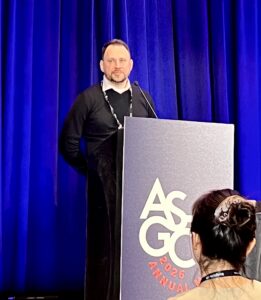
The Lithuanian team, including veteran gene editor Virginijus Siksnys, PhD—winner of the 2018 Kavli Prize with Jennifer Doudna, PhD, and Emmanuelle Charpentier, PhD, for CRISPR gene editing—used a hybrid approach to optimize Cas12l. By combining cryo-electron microscopy (cryo-EM) structure-guided design with artificial intelligence (AI) protein language models, the team was able to engineer a variant (Asp2Cas12l M82) that overcomes the known efficiency limitations of the Cas12l family.
Although Cas9 has widespread utility, including clinical applications, researchers have long considered its relatively large size and requirement for G-rich protospacer adjacent motifs (PAMs) problematic. The Cas12l family, discovered in the Armatimonadota bacterial phylum, offers a more compact size (867 amino acids) and recognition of a C-rich PAM site.
But wild-type Cas12l enzymes exhibit lower editing efficiencies and higher target-to-target variation compared to Cas9. According to Gasiūnas, the new M82 variant is “reliable, precise and adaptable,” and shows promise for a wide range of therapeutic applications.
“Through our continued work exploring novel Cas systems, Caszyme is focused on advancing technologies that move beyond promise into practical use.”
The engineering of the M82 variant proceeded in two steps. First, the Caszyme researchers solved the 3D structure of Asp2Cas12l complexed with an sgRNA and DNA to high resolution (2.51 Å). This revealed a unique “bracelet” architecture whereby the nuclease encircles the DNA target via interlocking helical bundles and a proline-rich string.
Next, the team introduced arginine substitutions at dozens of positions in the molecule to enhance electrostatic attraction to the negatively charged DNA backbone. This work included the production of an M67 variant, which provided a 7-fold improvement in indel editing over the wild-type nuclease.
To engineer further refinements, the Caszyme group turned to AI, specifically the ESM-2 protein large language model. This model predicted evolutionary hotspots considered likely to preserve or enhance function. Integrating these AI-derived substitutions—Q572R in the bridge helix and F607S in the RuvC domain—resulted in the final M82 Cas12l variant, illustrating the value of AI-supported engineering rather than deploying protein-directed evolution.
Gasiūnas presented data showing that M82 possesses good activity across recalcitrant gene targets, reducing the target-to-target variation that plagues many novel nucleases. In head-to-head comparisons in HEK293T cells, M82 demonstrated an average indel editing rate of 67.4%, nearly identical to that of Cas9 at overlapping target sites. This potency was consistently maintained across several delivery formats, including plasmid DNA, mRNA, and ribonucleoprotein complexes.
The Caszyme group also showed excellent M82 efficiency in homology-directed repair (HDR). In experiments targeting the AAVS1 locus, M82 facilitated a site-specific gene insertion frequency of 39%, outperforming Cas9 in the same context. Using single-stranded donor templates, HDR rates reached as high as 56%. Gasiūnas suggested that the staggered cut produced by Cas12l may inherently steer DNA repair toward precise correction rather than stochastic indels. With regard to safety, Caszyme found that M82 Cas12l maintained a high degree of on-target precision. Secondary editing signals were largely detected at or near the lower limits of assay sensitivity, suggesting a low risk of off-target cleavage.
The compact size of the M82 variant makes it an attractive candidate for adeno-associated virus-mediated delivery, which has strict limits on cargo size. “It is no secret that the CRISPR space has faced challenges and concerns in recent years,” Gasiūnas said. “However, we are confident in M82’s ability to create headroom for scientists to stand up and innovate within.”
Cas12l is not the only compact Cas nuclease gaining attention, of course. In a talk preceding Gasiūnas’ presentation, Zhaoshi Wu, PhD, co-founder and chief technology officer of Shanghai-based Castalysis Bioscience, presented an update on Cas12n, details of which were first published in Molecular Cell in 2023. The nuclease was touted as being the first independent CRISPR-Cas complete gene family uncovered by Chinese scientists within China’s territory.
Touted as a next-gen ultra-compact gene editing system, Cas12n (branded as alphaCas) consists of just 450 amino acids, and possesses structural similarity to TnpB. Cryo-EM structural analysis led the Chinese investigators to optimize the molecule for non-viral in vivo delivery. Preclinical experiments showed robust genome editing in a mouse model by targeting PCSK9 using lipid nanoparticle delivery, resulting in sharp drop in serum LDL levels.
Wu said his company is on target to begin its first clinical before the end of 2026. But he faced an uncomfortable moment during audience questions. Fyodor Urnov, PhD, challenged Wu’s claim that an inherent advantage of Cas12n was its safety profile compared to Cas9. Urnov pointed out that Intellia Therapeutics has two ongoing Phase III in vivo trials using CRISPR-Cas9 that show no immunogenicity concerns using LNP delivery.
Urnov later congratulated Wu on the rest of the company’s data and wished them success.
The post ASGCT 2026: AI-Optimized Cas12l Gene Editor Offers Compact Cas9 Alternative appeared first on GEN – Genetic Engineering and Biotechnology News.
This is today’s edition of The Download, our weekday newsletter that provides a daily dose of what’s going on in the world of technology.
China’s short drama industry is fueled by bite-sized, melodramatic, and smutty shows built for smartphone scrolling. Now, many are being made entirely with AI: no actors, camera operators, cinematographers, or CGI specialists required.
An average of 470 AI-generated short dramas were released every day in January. Production timelines have shrunk from months to weeks, while costs have dropped by up to 90%. Storytelling is also increasingly driven by performance data.
The format is rapidly expanding overseas while reshaping the work of writers and production crews. Read the full story on AI’s dramatic impact on China’s short drama industry.
—Caiwei Chen
The World Health Organization’s latest global statistics report reads less like a progress update than a warning sign. Progress on some of the world’s biggest health threats is stalling, and in some cases reversing altogether.
There were 1.3 million new HIV cases in 2024, malaria is resurging, vaccination rates are slipping in the Americas, and 42.8 million children are suffering from severe malnutrition. The world is now far off track from meeting many of the UN’s major health goals by 2030.
Here’s what the numbers reveal about the state of global health.
—Jessica Hamzelou
This story is from The Checkup, our weekly newsletter giving you the inside track on all things biotech. Sign up to receive it in your inbox every Thursday.
The must-reads
I’ve combed the internet to find you today’s most fun/important/scary/fascinating stories about technology.
1 As their trial goes to the jury, Musk and Altman face lying accusations
Lawyers hammered the rivals’ credibility in their closing arguments. (WSJ $)
+ Musk was accused of “selective amnesia.” (Reuters $)
+ The pair are in court over OpenAI’s future. (MIT Technology Review)
+ And their trial has made everyone look bad. (Wired $)
2 AI data centers are straining America’s power grid
Nevada is redirecting electricity from Lake Tahoe to AI. (Ars Technica)
+ Utah is getting a giant data center despite water shortage fears. (Guardian)
+ No one wants a data center in their backyard. (MIT Technology Review)
3 OpenAI is mulling legal action against Apple over its ChatGPT integration
It hasn’t got the expected benefits from its deal with Apple. (Bloomberg $)
+ OpenAI is frustrated by the promotion of the ChatGPT integration. (NYT $)
4 Anthropic has agreed terms for a $30 billion funding deal
At a $900 billion valuation, which leapfrogs OpenAI’s. (The Information $)
+ Dragoneer, Greenoaks, Sequoia, and Altimeter are leading the round. (FT $)
6 Washington and Beijing will hold formal talks on AI safety
They’ll discuss guardrails on AI. (CNBC)
+ And a protocol to stop nonstate actors getting powerful models. (NYT $)
5 Alphabet and Amazon are using “unprecedented” borrowing to fund AI
They’re tapping the foreign debt market at new levels. (FT $)
+ People can’t agree on what the AI bubble is. (MIT Technology Review)
7 Big Tech has turned to Sesame Street to deflect scrutiny of screen use
Sparking accusations of encouraging children’s tech dependence. (Reuters $)
8 Anthropic’s feud with the White House threatens other businesses
Figma and Tenable say it will harm their ability to sell software. (Bloomberg $)
9 Autonomous agents staged a digital crime spree during a safety test
The “AI Bonnie and Clyde” then deleted themselves. (Guardian)
10 A poop app analysis app offered to sell photos of users’ stools
The images were used for AI training. (404 Media)
Quote of the day
—Danielle Hughes, North Lake Tahoe resident and CEO of Tahoe Spark, tells Fortune that residents are being sidelined as their energy supplier prioritizes data centers.
One More Thing

Just before Christmas, a pastor preached a gospel of morals over money to several hundred members of his flock. But the preacher wasn’t religious, and his congregation wasn’t a church. It was All Tech Is Human, a nonprofit devoted to ethics and responsibility in tech.
Founded in 2018, the organization has built a fast-expanding community for people who believe technology should focus less on profits and more on the public interest. It’s also drawing people searching for meaning and connection in a digital world.
Find out why thousands of people are turning to tech ethics communities for guidance and connection.
—Greg M. Epstein
We can still have nice things
A place for comfort, fun, and distraction to brighten up your day. (Got any ideas? Drop me a line.)
+ Go behind the scenes of the new Lucas Museum of Narrative Art.
+ Marvel at this robot folding and launching paper planes as quickly as possible.
+ Watch the moving moments rescued animals reunite with the humans who saved them.
+ Peer into the heart of a barred spiral galaxy in this stunning new capture from the James Webb Space Telescope.
Nature Biotechnology, Published online: 15 May 2026; doi:10.1038/s41587-026-03138-9
Cas12 nucleases can use guide DNA instead of guide RNA, which switches their targets from DNA to RNA.
Nature Biotechnology, Published online: 15 May 2026; doi:10.1038/s41587-026-03130-3
Many long noncoding RNA–DNA binding peaks detected using common assays arise from technical artifacts.