

BIO 2026: CEO Calls for U.S. Biotech Urgency and International Competitiveness

SAN DIEGO — Biotechnology is entering one of the most transformative periods in its history. But, according to Biotechnology Innovation Organization (BIO) CEO John Crowley, outdated regulations, rising development costs, and global competition threaten to slow progress unless policymakers act.

At the 2026 BIO International Convention in San Diego this week—which drew “roughly 20,000 attendees,” according to the organizers—Crowley outlined a vision for the future of biotechnology centered on accelerating clinical research, embracing artificial intelligence, and maintaining U.S. leadership in a rapidly evolving global bioeconomy.

The grassroots gauntlet

Crowley’s personal journey as a father shaped his path into biotechnology. In the late 1990s, two of his children were diagnosed with a rare form of muscular dystrophy. He left Bristol-Myers Squibb’s marketing department to co-found a biotechnology company with an Oklahoma academic researcher over scientific progress.

The struggle to get funding was immense. Crowley reflected on his first BIO convention in 2000 amidst the excitement of the Human Genome Project: “I came and there were tens of thousands of people partnering as there is today, still a quarter of a century later. Being the 31-year-old CEO of a small startup in Oklahoma City with no money, literally nobody signed up to meet with me and nobody accepted my meeting request.”

Crowley recalled going to the main stage, where a gentleman, rendered quadriplegic through a horse accident, came out on the stage and said, “Biotechnology—it’s a great big word that just means hope. It’s my hope that someday I can hold my wife’s hand on the beach or throw a ball to my kids.”

Crowley, empty-handed, returned to Oklahoma City and was able to scrounge up the funds for his startup, Novazyme Pharmaceuticals, which was ultimately funded by home equity loans and credit card advances to develop rare disease treatments. Just one year later, Novazyme was acquired by Genzyme Corporation for $225 million.

The experience engrained in Crowley two main concepts: first, developing therapeutics doesn’t always start in big pharma but, rather, often has grassroots origins; second, and relatedly, it’s an almost impossible battle for anyone outside of big pharma to fight.

“That’s the way so much of our science happens,” Crowley said. “It comes out of great universities, and it’s a scientist and entrepreneur—and increasingly, families, patients, and patient advocates—leading the way and going through the whole journey, running that gauntlet of making medicines.”

Modernizing clinical trials and accessible AI

To achieve the vision of maximizing the development and reach of biotechnology, Crowley identified a handful of problems, including the need to change the current system of clinical trials. Crowley praised the FDA’s new “Project Trailblazer” initiative to modernize experimental therapy human testing. He argued that clinical trials have become excessively burdensome and costly, limiting innovation and delaying patient access to new treatments.

Over the past year, Crowley and BIO have worked with regulators and industry stakeholders to identify development bottlenecks. “The FDA needs to continue to be the gold standard of the world,” he said, while emphasizing that modernization is necessary to make the agency a stronger “beacon of innovation.” BIO has proposed several reforms, including measures designed to streamline trial approvals and improve the efficiency of regulatory review.

Describing recent discussions among BIO’s board of directors, which includes executives from both major pharmaceutical companies and small biotechnology startups, Crowley said there were two major strategic topics that emerged that dominated the conversation: China and AI.

For AI, the question wasn’t about whether it could revolutionize biotechnology; rather, it had to do with making AI capabilities accessible to companies of all sizes. Crowley noted a major disparity. “Our biggest companies have the resources and the focus to think about AI. They’ve got hundreds or more people focused on this. Our small companies don’t have those resources,” he said.

Crowly continued, “It’s also a challenge because in our industry we would work on such long timelines, and it’s hard for an entrepreneur and biotech of a small or a mid-sized company who’s invested years to get to…starting Phase III, and all of a sudden you’ve got this massive disruptive technology. That’s exactly what AI is going to be.”

The solution, according to Crowley, is for BIO to be at the forefront to enable the rapid implementation of AI into drug development paradigms, clinical trials, and the regulatory review process.

Challenging China

Crowley’s most stressed point was that the United States must remain competitive against growing international rivals, particularly China. “Drug development has just gotten too costly and burdensome, and it takes too much time,” said Crowley. In this [global] bioeconomy where we need to compete and outcompete countries like China, these are reforms that are needed.”

He characterized biotechnology as a matter of national security and argued that the United States should treat the industry as a strategic asset. While supporting bipartisan efforts in Washington to strengthen domestic biotechnology capabilities, he cautioned against policies that could create unintended consequences or limit access to potentially life-saving technologies.

“The world is a better, safer, healthier, and more prosperous place when the United States and its allies continue to lead in biotechnology,” Crowley said.

China has identified biotechnology as a strategic priority through multiple national development plans and has invested heavily in scientific infrastructure, manufacturing capacity, and research capabilities. Crowley argued that the most effective response is not isolation but improving the competitiveness of the U.S. innovation ecosystem.

Crowley repeatedly returned to what he described as “man-made problems” holding the industry back. While scientific challenges will always exist, Crowley said barriers such as complex regulations, insufficient research funding, delays in patient access, and rising out-of-pocket healthcare costs are obstacles that policymakers can address. “We can’t come to this convention and cure every cancer,” he said. “But if we get together with policymakers and lawmakers, we can pretty quickly solve a lot of these man-made problems if we have the will.”

50 years down, 50 years ahead

As biotechnology celebrates more than 50 years of innovation, Crowley argued that the industry’s future will depend not only on scientific breakthroughs but also on its ability to modernize the systems that govern how those breakthroughs reach patients.

“I hope you see, when you’re here at this convention, that it captures that entrepreneurial spirit,” said Crowley. “It has to be grounded in great science and research, and it’s an exciting time to be in biotech, not just reflecting about all our successes and our many failures and challenges along the way in 50 years and looking out in the months, years, and next 50 years about what biotechnology can do to extend and enhance life and to alleviate an enormous amount of human suffering.”

With advances in gene editing, genomic medicine, artificial intelligence, and cell therapies accelerating simultaneously, Crowley believes the next era of biotechnology could surpass anything seen before—provided the industry can remove the barriers standing in its way.

The post BIO 2026: CEO Calls for U.S. Biotech Urgency and International Competitiveness appeared first on GEN – Genetic Engineering and Biotechnology News.
Novel Feeder Cell Line Dramatically Expands NK Cell Production

Allogeneic natural killer (NK) cells appear promising as an adoptive cell therapy (ACT) that targets cancer. They’re limited, however, by production methods that can’t readily produce these cells in therapeutically relevant quantities.

Researchers led by Sang-Ki Kim, DVM, PhD, professor, Kongju National University in Korea, and CSO at Vaxcell Bio, along with Seung-Hwan Lee, PhD, professor, University of Ottawa, appear to have solved that bottleneck with an engineered version of the feeder cell line known as ARH-77, a B-lymphoblast cell line that stimulates NK cells. Even in its unmodified form, ARH-77 cells expanded NK cells extracted from peripheral blood samples 681-fold after 28 days. In contrast, K562, the cell line typically used, enabled 155-fold expansion during that time.

That expansion pales in comparison to that of the engineered cell line. The now-modified ARH-77 cells, modified to express four specific stimulatory ligands, expanded NK cells by 101,241-fold in 28 days. Making the same modifications to the K562 cells, however, improved production only 4.4-fold. In each of the cell lines, purity and cytotoxicity were considered equivalent.

Kim, Lee, and colleagues chose the ligands B7-H6, CD137L, IL-15, and IL-15Rα to provide multi-axis stimulation to enhance NK cell activation and proliferation as well as to enhance persistence. For example, B7-H6 stimulates production and exhibits early cytotoxic benefits, but those benefits dissipated by week four. CD137L appears to compensate for that attenuation, the scientists report. Notably, the feeder performance was consistent across donors.

While these ligands were more effective than other ligands the team considered, they stress that more work is needed to “formally establish the added value of each ligand.” They also want to evaluate the engineered ARH-77 in terms of in vivo persistence and anti-tumor activity against additional models. Large-scale manufacturing constraints also should be considered in future studies.

Because feeder cell performance is considered stable across the donor population, Kim and Lee suggest their engineered ARH-77 cell line may be a reliable option for NK cell expansion as therapeutic production scales up. As the scientists note, “These findings establish ARH-77 as a promising alternative feeder cell platform that could enhance the scalability, consistency, and potency of allogeneic NK cell manufacturing for clinical adoptive immunotherapy.”


The post Novel Feeder Cell Line Dramatically Expands NK Cell Production appeared first on GEN – Genetic Engineering and Biotechnology News.
Recoded E. coli Promises More Scalable Weight Loss Drug Production

The manufacturing of weight loss drugs at large scale could get cheaper and more sustainable thanks to an engineered strain of Escherichia coli (E. coli) bacteria.

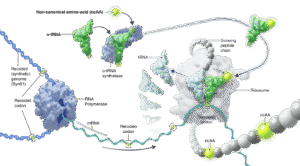
The fully recoded E. coli, designed to use only 61 codons to synthesize proteins, is now being rolled out as a new method for manufacturing peptides with non-natural chemistries.

That’s according to Constructive Bio, the company that recoded the E.coli and now hopes this synthetic strain will transform the production of some high-volume hard-to-manufacture protein/peptide therapeutics.

“Our key message is that we’re able to produce long peptides containing non-canonical amino acids to deliver therapeutic proteins at scale by biomanufacturing,” explains Rob Salmon, PhD, head of bioprocess at Constructive Bio.

“And our key differentiator is there’s currently a market in, for example, weight loss drugs.”

According to Salmon, glucagon-like peptide-1 (GLP-1) agonists for weight loss are currently produced using chemical synthesis approaches such as solid phase peptide synthesis, which is hard to scale and generates high volumes of toxic waste.

By contrast, the synthetic E. coli strain can potentially produce these peptides using fermentation via standardized industrial processes, he says.

“We want to fit into standardized industrial unit operations and, through that, scale to thousands of liters of product that we can sell to the market,” he explains.

The strain was developed as part of research into reducing the number of codons needed to synthesize proteins in an organism from 64 to 61, allowing slots for three new non-canonical amino acids, according to the company.

A schematic demonstrating how non-canonical amino acids are incorporated into a protein or peptide chain using the ribosome in Constructive Bio’s Syn61 strain of E. coli. [Constructive Bio]

Constructive Bio was founded in 2022 to take the strain forward into industrial applications, including optimizing for applications such as antibody fragments or the long peptides used for GLP-1 agonist therapies.

Since then, the optimized strain has been taken through some industrial fermentations and demonstrated promising titers, he explains, adding that he will present results at the upcoming Bioprocessing Summit in Boston.

“We’re challenging some of the assumptions from chemists that biology can’t be used to do this,” he says.

The post Recoded <i>E. coli</i> Promises More Scalable Weight Loss Drug Production appeared first on GEN – Genetic Engineering and Biotechnology News.

Scaling Stem-Cell Manufacturing for Therapies

Human pluripotent stem cells (hPSCs) have long been viewed as one of regenerative medicine’s most promising raw materials. Now, as more than 100 clinical trials evaluate hPSC-derived therapies for diseases ranging from Parkinson’s disease to heart failure and type 1 diabetes, attention is turning toward a crucial challenge: how to manufacture these cells reliably and economically at industrial scale.

According to Kevin Cyrys and Robert Zweigerdt, PhD, both of Hannover Medical School in Germany, the field has entered a new phase. Rather than simply demonstrating that stem cells can be grown in bioreactors, researchers are increasingly focused on creating robust production platforms that can deliver consistent quality across facilities and patient populations.

“Human pluripotent stem cells can serve as an unlimited, renewable ‘raw material’ for essentially any therapeutic cell product,” the authors wrote, highlighting the technology’s potential to overcome limitations associated with donor-derived tissues and organs.

The manufacturing challenge is substantial. While some therapies, such as treatments for age-related macular degeneration, require only tens of thousands of cells per dose, others may demand billions of cells for a single patient treatment. Conventional laboratory-scale methods are unlikely to meet such requirements efficiently.

To address this gap, developers are increasingly adopting three-dimensional suspension cultures in bioreactors. Compared with traditional two-dimensional cell culture systems, bioreactors provide tighter control over temperature, oxygen levels, pH, and carbon dioxide while supporting automated, closed-system manufacturing compatible with good manufacturing practice (GMP) standards.

The field has already demonstrated notable progress across multiple therapeutic areas. Researchers have developed scalable processes for producing cardiomyocytes, pancreatic islet cells, hepatocyte-like cells, neural tissues, and immune effectors derived from hPSCs. Some cardiac manufacturing platforms have reported production of billions of cardiomyocytes in liter-scale bioreactors, while immune-cell manufacturing programs have successfully expanded induced pluripotent stem cell-derived natural killer cells in 1–10 L systems while maintaining product quality.

Yet scaling production involves more than increasing cell yields. “Industrial-scale success depends on more than headline totals,” Cyrys and Zweigerdt note, citing the importance of volumetric productivity, production time, reproducibility, and integration of expansion, differentiation, and downstream processing into a coherent GMP-ready workflow.

Looking ahead, Cyrys and Zweigerdt argue that the next generation of stem-cell manufacturing will be defined by data-driven process control. They predict that AI-enabled systems will help move the industry from retrospective quality analysis toward real-time decision support, ultimately improving comparability between batches and strengthening product definitions across manufacturing networks.

Despite ongoing challenges involving cost, quality control, and regulatory compliance, the authors conclude that stem-cell bioprocessing has already crossed an important threshold. Scalable culture systems are no longer the primary obstacle. Instead, the focus has shifted toward engineering reliable industrial processes capable of transforming complex stem-cell biology into reproducible therapeutic products.

The post Scaling Stem-Cell Manufacturing for Therapies appeared first on GEN – Genetic Engineering and Biotechnology News.

WHO Selects NIBRT as Training Hub to Help LMICs Build Biopharma Capacity

Ireland’s National Institute for Bioprocessing Research and Training (NIBRT) will help biopharma engineers hone their automation and AI skills as part of a new World Health Organization (WHO) network.

The WHO named the University College Dublin-based organization as its newest training center, explaining it will provide engineers with context-specific skills courses aligned with “regional priorities, regulatory environments.”

NIBRT spokesman Killian O’Driscoll tells GEN, “Following a competitive application process, NIBRT has now been designated as the WHO Training Center for the European Region. NIBRT will work with partners and stakeholders to identify the skills gaps within the region and provide the appropriate training solutions, which will involve a blend of online, classroom, and practical training on biopharma manufacturing.”

Engineers who take part will be taught how to use advanced bioprocessing technologies in a variety of manufacturing settings, according to O’Driscoll, who says the plan is to use the organization’s syllabus as a foundation.

“Training will cover all aspects of biopharma manufacturing based on NIBRT’s award-winning curriculum, including drug substance, drug product, QC, engineering, digitalization, etc. Automation, digitalization, AI, and related areas are a core component of the NIBRT curriculum and will form part of the training solutions,” he adds.

LMIC capacity

The WHO established the Biomanufacturing Workforce Training Initiative in 2023 to address critical skills gaps across the biomanufacturing value chain and enable countries to translate technological advances into sustainable local production.

NIBRT is now one of seven institutions selected. The rest of the network consists of the Institut Pasteur de Dakar in Senegal, the Council for Scientific and Industrial Research in South Africa, the Oswaldo Cruz Foundation in Brazil, the Translational Health Science and Technology Institute in India, Egypt’s Center for Continuing Professional Development, and Peking University in China.

The initiative directly supports World Health Assembly resolution WHA74.6, which called on member states to strengthen local production of medicines and other health technologies to prepare for emergencies.

This will be a focus of NIBRT’s training activities, according to O’Driscoll.

“One of the key actions the WHO identified following the COVID-19 pandemic was to increase biopharma manufacturing capabilities within lower-middle-income countries (LMICs). The WHO’s Biomanufacturing Workforce Training Initiative addresses critical skills gaps in the biomanufacturing value chain to support sustainable local production of vaccines and biotherapeutics in LMICs,” he says.

In a press statement, director-general, Tedros Adhanom Ghebreyesus, PhD, said, “We have designated regional training centers in each of WHO’s six regions to build the skilled workforce needed to sustain local production of vaccines and biologics. They will operate as part of a coordinated global network, delivering context-specific training aligned with regional priorities, regulatory environments, and languages.”

The post WHO Selects NIBRT as Training Hub to Help LMICs Build Biopharma Capacity appeared first on GEN – Genetic Engineering and Biotechnology News.

STAT+: A dispatch on AI from BIOtech’s big summer bash

You’re reading the web edition of STAT’s AI Prognosis newsletter, our subscriber-exclusive guide to artificial intelligence in health care and medicine. Sign up to get it delivered in your inbox every Wednesday. 

I’m writing to you from a hotel room in San Diego, four hours before this newsletter is scheduled to send.

I’m also still reeling from this absolutely crazy story my colleague Lizzy Lawrence wrote. Imagine STAT executive editor Rick Berke reading of the top of the story out loud to a group of STAT reporters over dinner at a waterfront restaurant, and my jaw dropping as I realize what’s going on.

Continue to STAT+ to read the full story…

Medra Launches Reasoning Layer for Drug Discovery Robotics

As AI infrastructure for drug discovery continues to proliferate with reasoning workflows capable of generating hypotheses, candidate molecules, and experimental plans, Medra CEO Michelle Lee, PhD, argues that physical AI is the solution to addressing the next bottleneck: experimental validation at scale. 

“Building foundation models in biology that can predict and cure disease will take thousands of years of data generation,” Lee explained in an interview with GEN Edge. “The more I looked at the field, the more I realized that this data problem is actually a robotics problem.”   

In a new collaboration with the Defense Advanced Research Projects Agency (DARPA), Medra has launched AI Experimentalist, the scientific reasoning layer of its robotics platform. The system translates high-level research goals expressed in natural language into executable workflows that span the entire experimental cycle, from literature review, wet-lab execution, data analysis, and protocol refinement. 

In a blog post, Medra presents an example where scientists prompt to “build an Epidermal Growth Factor Receptor (EGFR) blocking antibody assay cascade.” AI Experimentalist can propose small optimizations in execution, including testing linear DNA templates in parallel, optimizing expression conditions, and feeding results immediately into the next run, for compounding time savings from days to hours. 

Partners can access AI Experimentalist through physical AI labs deployed on site at customer facilities or operated remotely through Medra’s flagship science laboratory, Medra Lab 001 (ML001), which unveiled in April and touts running experiments 24/7. Medra describes the 38,000 square foot facility as the largest autonomous lab in the United States. 

Artisanal nature 

In contrast to industrial automation, which has been powerful for repeatable tasks, such as combinatorial chemistry and screening, physical AI equips the same hardware with sensors to enable intelligent decision-making. 

While many robotics players in biology are focused on the manufacturing step, Medra has the ambitious goal of accelerating end-to-end drug discovery campaigns. 

“The artisanal nature of science is actually what makes certain experiments work and others fail,” said Lee. She noted that seemingly subtle variables, such as the angle of a pipette or the precise timing of mixing reagents, can have an outsized impact on experimental outcomes.  

Medra is currently working with partners across academia, biopharma, and government to run and develop assays across a wide array of applications, including antibody discovery, protein engineering, gene editing, and cell biology. 

Looking ahead, Lee says the bottleneck is not robotic capability, but integration and deployment. AI Experimentalist addresses this challenge through a multi-agent architecture and model-agnostic harness that allows Medra to incorporate new biological AI models and scientific agents. Among them are NVIDIA Nemotron models for protocol editing and optimization and the newly launched NVIDIA BioNeMo Agent Toolkit. 

“The flexibility of physical AI will be incredibly key in making scientific discovery truly autonomous,” asserts Lee. 

The post Medra Launches Reasoning Layer for Drug Discovery Robotics appeared first on GEN – Genetic Engineering and Biotechnology News.

STAT+: Ophthalmology venture grabs investors’ attention, raises $330 million 

A startup developing treatments for eye diseases has raised $330 million from investors as it readies for late-stage testing.

Ollin Biosciences is about to begin a Phase 3 trial of a treatment for both diabetic macular edema and wet age-related macular degeneration. The conditions affect millions of Americans and can lead to vision loss. 

Ahead of the trial, Ollin told STAT it had raised the Series B funding from an assortment of established biotech investors, a pension fund, and even crossover investors — a breed of private investors who will take a stake in a company shortly before it moves over to the stock market. TCGX and ARCH Venture Partners co-led the funding round, which was one of the largest Series B rounds for a biotech company in the last two years. 

Continue to STAT+ to read the full story…

California Still Golden Despite Job Losses: Industry Group

SAN DIEGO—California’s three life sciences clusters all lost jobs last year, yet the industry remains a major engine of innovation and economic growth, according to a report released by the state’s largest life sciences organization to coincide with the Biotechnology Industry Organization (BIO) International Convention being held here.

BIOCOM California quantified the economic impact of the Golden State’s life sciences industry as generating $394 billion in economic output in 2025—a figure that goes beyond the direct impact of the 406,505 people employed by life sciences employers across the state. The impact figure includes indirect impact (activity generated through suppliers, vendors, and subcontractors supporting the industry) and induced impact (the household spending generated by workers employed in both life-sci organizations and supporting industries).

When indirect and induced impact are accounted for, the life sciences sustain 1,079,365 jobs statewide, the report stated.

However, all three of the state’s top-tier life-sci clusters—the San Francisco Bay Area, San Diego, and the Los Angeles/Orange County region—saw decreases in employment within the industry last year, according to the report.

San Francisco ranks second in the latest edition of GEN’s nationally-quoted A-List of Top 10 U.S. Biopharma Clusters, unchanged from a year ago, while San Diego slid one position to sixth, and LA/Orange County slipped one notch to eighth.

“Continued biotech winter”

“California, like the other states in the country, are still showing the effects of the pandemic and the recovery from that, because it was such a large run up of investment and hiring and building of new space, followed by a pretty significant drop off in 2022, 23,” Tim Scott BIOCOM California’s president and CEO, explained in an interview with GEN conducted at the organization’s booth within the convention’s exhibition floor.

“And then we have the continued biotech winter that’s been caused mostly through the instability at the federal level in terms of policy,” Scott added.

He cited NIH funding cuts, the delay in re-authorizing the Small Business Innovation Research (SBIR) and Small Business Technology Transfer (STTR) seed funding programs, tariffs, and the “most favorite nation” drug pricing framework championed by the Trump administration as a vehicle for lowering drug prices: “All of these things have led the industry and the investors in the industry to pause.”

Most of the life-sci job decline was concentrated in the Bay Area and San Diego regions, which together accounted for 88% of job losses.

The San Francisco Bay Area saw its life-sci workforce slide 2.7% from 2024 to 137,779 jobs last year, driven mainly by decreasing employment in scientific/research tools, biotechnology, and biopharmaceuticals. The San Diego region finished 2025 with 61,866 jobs, a 2.55% decline from the previous year, due primarily to the loss of jobs in the R&D in physical, engineering, and life sciences and electromedical and electrotherapeutic apparatus manufacturing sectors.

Greater Los Angeles, which BIOCOM California defines as Los Angeles, San Bernardino, and Ventura counties, saw its employment base shrink 0.5% year-over-year, to 143,153 last year, with the largest employment decrease coming in drug wholesaler positions. Orange County’s life-sci workforce also dipped by 0.5%, sliding to 57,213 jobs, driven by cuts in scientific/research tools and medical devices and equipment employment—though Orange County also saw increases in biotechnology and research and testing jobs.

“Significant driver”

“In spite of the slight decrease in growth this year, we’re still at about $400 billion in economic output for California in the life sciences. That’s the second largest industry in California,” Scott said. “It’s still a significant driver of economic activity and of innovation.”

Another driver of innovation, NIH funding, stayed flat last year compared to 2024 at $5.23 billion for all of California. But the number of NIH awards statewide fell 8.5% from 9,384 in 2024 to 8,587 in 2025.

Life science manufacturing jobs fell by 2.1% last year to 143,572 jobs, though they still accounted for more than one-third (35.3%) of all of the industry jobs in the state. Across 31 life science industry sub-sectors, 23 recorded job losses, with the largest declines in medical laboratories and R&D within the physical, engineering, and life sciences job category.

But the state’s life-sci manufacturing segment is eventually expected to grow as drug developers either strive to meet growing demand, reshore their production in the United States to avoid tariffs, or both. Gilead Sciences began construction in September 2025 of a new 180,000 square-foot development and manufacturing facility, part of a companywide $32 billion U.S. investment strategy. Two months later, Novartis opened a 10,000-square-foot radioligand therapy (RLT) manufacturing facility for cancer treatments in Carlsbad, CA, the pharma giant’s third U.S.-based RLT site.

While biopharmas and contract manufacturers have announced hundreds of billions of dollars in new projects, projects announced for California remain mostly under construction, so hiring levels have not yet risen to account for the new manufacturing activity, Scott said.

Potential challenges loom

Two more potential challenges loom for California life science companies—one from Washington, the other from Sacramento.

Scott said BIOCOM California is paying attention to federal efforts aimed at further scrutinizing activity between U.S. and Chinese biopharmas.

Earlier this month, Reps. John Moolenaar (R-MI), chairman of the Select Committee on China, and Congresswoman Debbie Dingell (D-MI), introduced the Biotech Investment National Security Act (BINSA). BINSA would amend the Comprehensive Outbound Investment National Security (COINS) Act, enacted last year, by adding pharmaceutical and biological product development to the list of sectors subject to screening of investments by the U.S. government.

The measure would subject U.S. pharmaceutical licensing deals, joint ventures, and equity investments with Chinese covered foreign persons to U.S. Treasury Department review, as well as explicitly cover licensing deals involving technology and intellectual property. BINSA also requires the Secretary of War (formerly Defense) to assess within 60 days whether U.S. capital investment in Chinese biotechnology negatively affects national security and military readiness.

“We’re trying to find the balance between protecting American interests with regard to intellectual property and also competing with China. And we’re balancing that with cooperating with China,” Scott said. “You can imagine a politician in Washington, D.C., wants to really protect our interests. A biotech entrepreneur in California wants to go anywhere in the world to find resources to be able to move their drug toward the clinic.”

In Sacramento, Gov. Gavin Newsom, who leaves office at year’s end when his second term expires, has proposed permanently limiting the amount of business tax credits that a corporation can claim each year. Starting in 2027, corporate taxpayers would be allowed to claim a maximum of either $5 million or 50% of their pre-credit tax liability, whichever is greater. The limit would not affect taxpayers with less than $5 million in credits.

According to California’s Legislative Analyst’s Office (LAO), recent tax collection data shows that fewer than 100 corporate taxpayers in California would be affected. LAO has estimated that the proposal would raise $850 million in 2026–27, since the cap would only apply to part of the fiscal year, and $1.7 billion to $1.8 billion annually between 2027–28 and 2029–30.

However, the R&D credit likely accounts for most of the proposal’s fiscal effect, according to the LAO, since the R&D credit accounts for the overwhelming majority of business credit usage and carry-forward balances. And the roughly 100 affected businesses include many of the largest biopharma giants, Scott said.

“That is a really big tool for engaging pharma and encouraging investment in California. Without the R&D tax credit, companies are less likely to want to invest in California,” Scott asserted. “The R&D tax credit has had a direct effect on driving the growth of the biotech industry in California.”

The post California Still Golden Despite Job Losses: Industry Group appeared first on GEN – Genetic Engineering and Biotechnology News.

Gene Editing Pioneer Sangamo Files for Chapter 11 Bankruptcy; Agrees to Sell Assets

A journey that has lasted more than 30 years for Sangamo Therapeutics, a pioneering gene editing biotech company in the Bay Area, has reached an unwanted milestone as the company filed for Chapter 11 bankruptcy protection.

Concurrent with its starting voluntary Chapter 11 proceedings in the U.S. Bankruptcy Court for the District of Delaware, Sangamo simultaneously entered into two separate asset sale agreements: Eli Lilly has agreed to acquire Sangamo’s capsid delivery platform, zinc finger nuclease (ZFN) platform, modular integrase (MINT) platform, and prion disease program, ST-506. Astellas Pharma has agreed to take over Sangamo’s Fabry disease program, isaralgagene civaparvovec (ST-920)

To clinch the deals, Lilly and Astellas have agreed to be “stalking horse” bidders when Sangamo’s assets are sold in a future bankruptcy court auction. The stalking horse bids do not include the clinical-stage ST-503 program to treat chronic neuropathic pain, the giroctocogene fitelparvovec program to treat hemophilia A, and Sangamo’s cell therapy and regulatory T cell (Treg) assets. Sangamo said these are expected to remain available to interested bidders at the auction.

“We believe this process provides a clear framework to pursue value-maximizing transactions,” said Sandy Macrae, Sangamo’s CEO. “Our priority is to execute a disciplined and efficient sale process while supporting all of our stakeholders. We are also pleased to have signed agreements with two large pharmaceutical companies to serve as stalking horse bidders in the process, underscoring the strategic interest in our assets.”

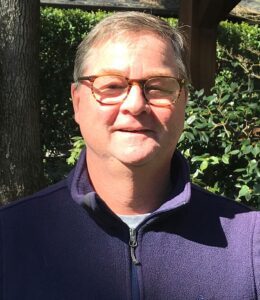
Ed Lanphier, founder, Sangamo Therapeutics

Founded by Ed Lanphier in 1995, Sangamo became an early developer of zinc-finger nucleases (ZFNs), one of the first established gene editing platforms. In 2005, Sangamo scientists led by Fyodor Urnov, PhD, Phil Gregory, PhD, and Mike Holmes, PhD, demonstrated the use of ZFNs to engineer a base substitution in human DNA. The term “genome editing” was born around that report. Sangamo’s technology became the first gene editing platform to enter the clinic, initially for patients with human immunodeficiency virus (HIV), followed by a series of rare genetic diseases. 

More recently, the biotech branded itself as a “genomic medicine” company. In 2023, Sangamo trumpeted promising clinical data from its first-in-human Phase I/II STAAR trial (NCT04046224) in Fabry disease. All 25 patients dosed in the STAAR study have continued to show sustained, elevated α-Gal A levels, up to three years for the longest-treated patient. However, later that year, Sangamo deferred additional spending on planning a future Phase III program for ST-920, absent a collaboration partner or additional external funding.  

Sangamo made the move as part of a restructuring that included a similar deferral of spending on chimeric antigen receptor-modified regulatory T-cell (CAR-Treg) therapies, the elimination of 40% of its U.S. workforce, and the narrowing of its pipeline. Sangamo said it was refocusing its spending on developing epigenetic regulation therapies treating neurological diseases, as well as novel adeno-associated virus (AAV) capsid delivery technologies. 

In 2024, Sangamo shares surged 69% after it reached alignment with the FDA on a regulatory pathway to Accelerated Approval for ST-920 in advance of submitting a biologics license application (pre-BLA). However, Dennis Ding, an equity analyst with Jefferies, argued that the news posed little threat to the developer of the sole marketed drug for the rare disorder, Galafold® (migalastat), marketed by Amicus Therapeutics.  

Last month, Sangamo said it remained in the process of completing a rolling BLA submission to the FDA for Accelerated Approval of ST-920 based on the mean annualized estimated glomerular filtration rate (eGFR) slope at 52-weeks across all dosed patients in the study. Two-year eGFR data may serve as confirmatory evidence for traditional approval, Sangamo said the FDA affirmed. 

Sangamo was also advancing the Chemistry, Manufacturing and Controls (CMC) module, ahead of completion of the rolling BLA submission for ST-920, which the company said it expected this summer (subject to the ability to secure adequate additional funding), while it was continuing to commercialize the Fabry gene therapy. 

In reporting first-quarter results, Sangamo said that it had submitted preclinical and clinical modules for review, while also submitting its antibody assay companion diagnostic, designed to screen patients for eligibility with ST-920, to the FDA’s Center for Devices and Radiological Health (CDRH).  

Sangamo reported a $31-million net loss on revenue that plunged 78% year over year to $1.4 million from $6.4 million. Sangamo said $5 million of that decrease reflected Pfizer’s termination early last year of its collaboration with Sangamo to develop a hemophilia A gene therapy, giroctocogene fitelparvovec.  

The termination occurred six months after Sangamo and Pfizer partnered to report positive Phase III data for giroctocogene fitelparvovec. The gene therapy met its primary endpoint in the Phase III AFFINE trial (NCT04370054) compared with Factor VIII (FVIII) replacement. 

Sliding doors 

Speaking several years ago with The CRISPR Journal, a peer-reviewed journal and sister publication of GEN, Sangamo founder Edward Lanphier reflected on the company’s bright beginnings. In 199495, he recalled, he became aware of research being done by Jeremy Berg, PhD, and Srinivasan Chandrasegaran, PhD, on engineering zinc finger proteins (ZFPs).  

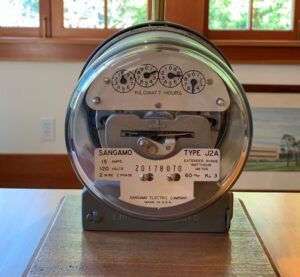
A watt-hour meter, an electric usage measuring device designed and patented by the great-grandfather of Sangamo Therapeutics founder Ed Lanphier

“While it was certainly unclear what making novel DNA-binding proteins might do, novel DNA sequences represented the other half of this equation—an agnostic vector plus a platform for developing novel transgenes. I became quite interested in that, and thus in starting Sangamo,” Lanphier remembered.

After founding Sangamo in 1995, Lanphier joined the company full-time two years later. Sangamo’s name was derived from some fascinating family historyLanphier’s great-grandfather, a Yale-educated electrical engineer, founded a company in Sangamon County, IL, during the 1890s. 

He designed and patented “the watt hour meter—the thing that sits on the side of buildings and goes around and around recording electricity,” Lanphier recalled. The Sangamo Electric Company manufactured various electronic components before being sold in the 1970s to Schlumberger.

Lanphier remembered “this incredibly cool logo from Sangamo Electric. I asked my dad, ‘‘What do you think?’’ He said, ‘‘That would be great!’’ And so, I started Sangamo Biosciences.” 

While ZFNs showed immense promise as a commercial gene editing platform, they were difficult and expensive to manufacture. The dramatic arrival of CRISPR in 201213 quickly pushed ZFNs onto the fringes of the clinical gene editing space. 

“When the [gene editing] movie is written, I know it is going to focus exclusively on the Broad and Berkeley and Charpentier and their work. But it is completely unfair—not to me but to Fyodor and Ed [Rebar] and Philip and Mike Holmes and Jeff Miller and the dozens of people who did create this field.” 

Lanphier was asked why Sangamo never joined the CRISPR revolution a decade ago. “My perspective was always that [CRISPR] is bacterialit is nonspecific, it is immunogenic. It’s a great research tool. It’s going to give a lot of visibility to genome editing. When people actually want to use it therapeutically, that’s when they will end up talking to us.”  

Alas for Sangamo, that eventuality did not materialize.

The post Gene Editing Pioneer Sangamo Files for Chapter 11 Bankruptcy; Agrees to Sell Assets appeared first on GEN – Genetic Engineering and Biotechnology News.