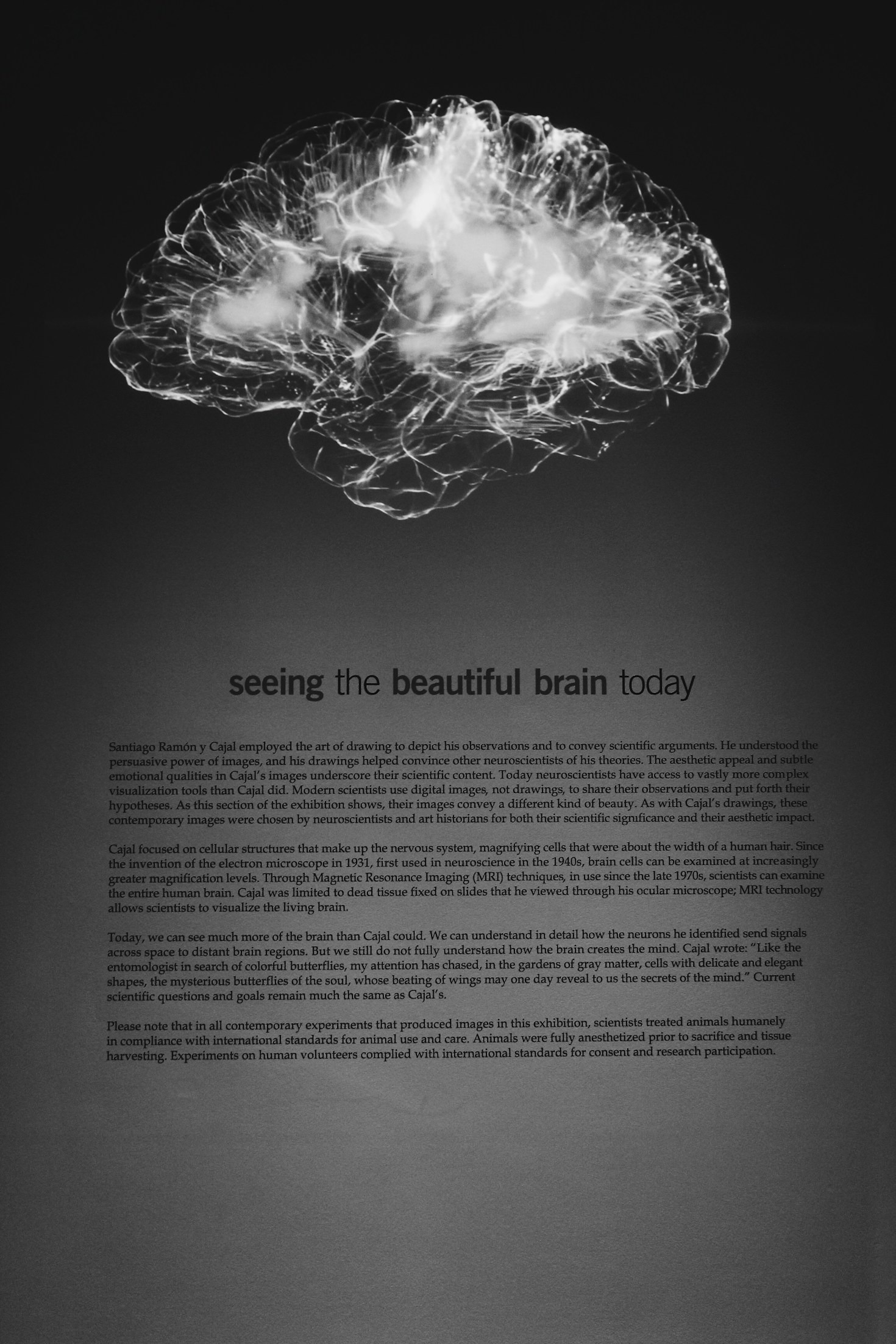
We’re proud to share that Relatix Bio has applied for funding from the UK’s Advanced Research and Invention Agency (ARIA) under their Trust Everything, Everywhere programme. This initiative explores how trust can be built across the digital and physical worlds, and we believe this conversation must include those whose minds work differently.
Our proposal focuses on one of the most pressing and least understood challenges of the digital age: how people with neurodevelopmental and neurodiverse conditions — including autism, ADHD, schizophrenia, borderline traits, and psychopathy — experience, interact with, and build trust in AI systems. In a world increasingly mediated by algorithms, the ways these systems interpret, respond to, and store our most personal thoughts and data matter profoundly.
Throughout history, individuals living with stigmatised neurocognitive conditions have been marginalised or misrepresented — by institutions, by society, and now, potentially, by AI. Some may over-trust technology that feels neutral or supportive; others may under-trust it due to past harm or bias. We want to ensure that digital systems meet people where they are — building trust rather than eroding it. Protecting privacy, and supporting quality of life, health and wellbeing.
Through our work, Relatix Bio aims to lead the way in ethical and inclusive neuro-AI design: protecting privacy, removing stigma, and defining standards for responsible data handling in the era of AI. Our goal is to make sure that the next generation of AI-driven tools — from chatbots to diagnostics — truly serve everyone, regardless of how their brain is wired.
We know how often in the past things have gone wrong — from chatbots unintentionally encouraging depressive or paranoid thoughts, to credit and gambling platforms optimising for addiction or impulsive behaviour. These systems were built without safeguarding those with neurodevelopmental conditions, who may react differently to AI optimised interactions. Many respond by disengaging digitally, and may be feeling that an AI-driven world is a minefield — because it wasn’t built for them.
Join us in shaping a radically different future where cognitive diversity and digital trust can coexist, and AI tools are built to truly support and facilitate. To learn more about our mission or to collaborate contact our team.