
BackgroundAfghan youth continue to face chronic war-related trauma, terrorist violence, and severe disruptions to education and social support systems, resulting in high rates of posttraumatic stress disorder (PTSD), depression, anxiety, and hopelessness. There is a critical need for culturally responsive, low-intensity, and feasible psychological interventions that can be delivered in low-resource and unstable settings.ObjectiveThis study conducted a preliminary evaluation of the efficacy, acceptability, and mechanisms of change associated with Memory-Focused Therapy (MFT), an integrative intervention targeting autobiographical memory processing, acceptance-based regulation, and future self-construction among youth affected by the Kaaj Education Center attack in Kabul, Afghanistan.MethodsA single-group repeated-measures design was used with 26 participants assessed at baseline, post-intervention, and three-month follow-up. Standardized measures of PTSD, depression, anxiety, stress, cognitive avoidance, cognitive fusion, resilience, and posttraumatic growth were administered. MFT was delivered in 12 structured group sessions. Additionally, qualitative data from semi-structured interviews and therapist field notes were analyzed using thematic analysis.ResultsQuantitative analyses showed significant reductions in PTSD symptoms, depression, anxiety, stress, cognitive avoidance, and cognitive fusion from baseline to post-intervention, alongside significant increases in posttraumatic growth. Several of these improvements were maintained at follow-up. Qualitative findings reflected four overarching themes: (1) facilitator experiences and implementation challenges in high-risk contexts, (2) improvements in cognitive and emotional processing, (3) growth in meaning, relationships, values, and future orientation, and (4) exposure to traumatic memories and reduced avoidance.ConclusionFindings provide preliminary evidence that MFT is a feasible, acceptable, and potentially effective intervention for trauma-affected Afghan youth. By integrating trauma memory processing, present-moment emotional regulation, and future-oriented meaning-making, MFT appears to support improvements in psychological coherence, self-continuity, and resilience. Further controlled and longitudinal studies are needed to confirm these effects and examine underlying mechanisms.
Millions of People in Canada Are Finding AI-Enabled Support for Mental Health Effective Amid Ongoing Questions Around Trust.
(OTTAWA) July 8, 2026 — New polling shows approximately six million people in Canada used AI-enabled tools for mental health support in the past year and most find them effective. Today, the Mental Health Commission of Canada (the Commission), in partnership with Mental Health Research Canada (MHRC) and Pollara Strategic Insights, releases the first nationally representative data on how people in Canada engage with digitally supported mental health tools, including AI and virtual care, across every province and demographic.
Quick Facts:
- 1 in 7 people in Canada used AI mental health tools in the past year
- Three out of four who used AI and virtual mental health services found them effective for their well-being
- Only 14 % trust AI tools, just 2% trust them completely
- 40 % of AI users said they were more likely to seek professional care
- Nearly half (45%) who accessed mental health care did so virtually, in whole or in part
WHY IT MATTERS
People in Canada are turning to AI as a convenient way to access mental health support. AI-enabled tools may offer greater convenience and accessibility. Among those surveyed, AI is being used because it is:
- Free or low-cost; 46% of AI users cite this as the reason they use it during a time when financial stress is itself a cause for anxiety.
- Always available; 44% of AI users cite 24/7 access.
- Immediate and convenient; it can be used from anywhere without travelling or waiting for an appointment. For someone in rural Canada, it saves time and travel costs.
- Seemingly private; 39 % of AI service users cite private, anonymous support as a reason for use, while privacy and data protection remain key public concerns.
AI is most used for general well-being (42%), companionship (36%), and mild-to-moderate stress (36%), and 40% of AI users said they were more likely to seek professional care.
WHO IS USING IT AND HOW MUCH DO THEY TRUST IT?
Use is higher among people in Canada under 35 (27%; 29% among men aged 25–34), newcomers to Canada (28%), racialized people in Canada (23%), and 2SLGBTQI+ communities (20%), populations that may experience greater barriers to traditional care.
Overall, trust remains low, particularly for AI-enabled tools, where only 2% of people in Canada trust them completely. People in Canada over 55 show the lowest adoption and trust.
VIRTUAL CARE: EFFECTIVE AND MORE TRUSTED BUT FALLS SHORT OF IN-PERSON SERVICES
45% of people in Canada who used mental health services in the past year did so virtually, with 75% reporting positive outcomes. However, nearly 1 in 3 prefer a hybrid model that combines virtual and in-person services. The data signals what people in Canada need: well-designed tools for safer digital mental health care that they can trust.
THE COMMISSION OFFERS GUIDANCE FOR THE DIGITAL MENTAL HEALTH ERA
The Commission is Canada’s trusted resource for safe digital mental health — assessing apps and tools, setting evidence-based standards, and leading the national conversation on guidance for AI in mental health and substance use health care.
As virtual services and AI-enabled tools continue to expand rapidly across the mental health landscape, there is a growing need for evidence-based insight into how people in Canada engage with, understand, and perceive them. The Commission partnered with MHRC to leverage their ongoing national polling initiative and provide timely insights into usage, attitudes, and concerns related to e-mental health and AI.
The polling is clear: people in Canada want to close the gap between availability and trust. The Commission is working with the Canadian Centre on Substance Use and Addiction and collaborators, provincial governments, technology developers, and health system partners to establish guidance for AI.
“Six million people in Canada have already used AI for mental health support and most found it convenient and effective for their well-being. It is critical that AI is safe and equitable to increase public trust and reduce harms.” – Lili-Anna Pereša, President and Chief Executive Officer, Mental Health Commission of Canada
“The people turning to digitally-supported mental health tools are often those facing some of the greatest barriers to care. Making sure these tools are safe, effective, evidence-based and human-centred is a matter of equity. Ongoing research is essential to understanding where they help and where safeguards are needed.”– Akela Peoples, Chief Executive Officer, Mental Health Research Canada
About Mental Health Commission of Canada
As an independent, not-for-profit with charitable status, the Commission collaborates with leading experts and organizations nationally and internationally, including with people with lived and living experience, to develop national guidelines, standards and strategies, promote innovation and best practices, reduce stigma, increase mental health literacy, and support all levels of government to improve mental health outcomes for everyone living in Canada. The Commission is Canada’s trusted resource for digital mental health best practices with the e-Mental Health Strategy for Canada, app assessment, e-modules for e-mental health implementation, and AI guidance for mental health and substance use health.
About Mental Health Research Canada
As an independent national charity, MHRC works hard to enable a future where mental health in Canada is transformed using evidence, data and stakeholder engagement. We unite researchers, communities, and people with lived experience to bridge gaps in care through national population polling, rapid data reporting, and partnerships that inform policy to improve outcomes. Learn more at www.mhrc.ca
About the Polling
Conducted by Pollara Strategic Insights in partnership with Mental Health Research Canada and the Mental Health Commission of Canada, this national poll (n=3,519) is the first representative data on AI use for mental health in Canada. Full findings: https://mentalhealthcommission.ca/AI-polling-report
About the Funding
The views in this report solely represent the views of the Mental Health Commission of Canada. Production of this report is made possible through financial contribution from Health Canada.
Media Contact
Heather Bakken, Pendulum Group
email: heather@pendulumgroup.ca
cell: 613-406-5432
The post Millions of People in Canada Are Finding AI-Enabled Support for Mental Health Effective Amid Ongoing Questions Around Trust. appeared first on Mental Health Commission of Canada.
Hair cortisol as psychotherapy process parameter – an inpatient pediatric psychosomatic study
IntroductionPediatric-psychosomatic inpatient therapy is an essential part of the German health care system for the treatment of mental disorders in children and adolescents. However, empirical research in this field remains scarce and limited to psychological parameters. This longitudinal naturalistic study aimed to evaluate the efficacy and sustainability of inpatient psychosomatic therapy in children and adolescents by examining both psychological outcomes and biological markers.MethodsA total of 58 patients were assessed at seven time points before, during, and after treatment. Hair cortisol concentration (HCC) was measured as a neuroendocrine parameter of long-term stress regulation. Psychometric data were collected using five validated questionnaires.ResultsFindings indicated significant improvements in perceived stress, depressive and anxiety symptoms, family functioning and internalizing symptoms in the course of inpatient treatment. Overall, these effects remained stable at three- and six-month follow-ups, with only transient increases in depressive symptoms and family problems. HCC showed a significant decrease from admission to discharge and remained stable across follow-ups.DiscussionThese results support the efficacy of inpatient pediatric psychosomatic interventions on both psychological outcomes and neuroendocrine stress regulation and highlight the value of integrating biological markers into psychotherapy research.
Case Report: Delirium and complications resulting from the abuse of compound liquorice tablets
BackgroundCompound liquorice tablets is a cough-suppressing compound formulation containing opium powder and liquorice. With the strict regulation of traditional opioids, this medication has emerged as a novel alternative for substance abuse due to its easy accessibility and low cost; however, its addiction potential and severe adverse complications remain underrecognized and insufficiently addressed in clinical practice.Case summaryThe patient is a 29-year-old male who began self-medicating with compound liquorice tablets for a dry cough after COVID-19 infection. His daily dosage gradually escalated to 200–600 tablets within two years, resulting in established drug dependence. Two days after discontinuing the medication, he developed delirium manifested as confusion, disorientation, visual hallucinations and psychomotor agitation, accompanied by palpitations, hypertension, tremors, rhinorrhea, vomiting, severe hypokalemia, and bilateral lower limb edema. Organic brain diseases were excluded by systematic examinations. According to the ICD-10 diagnostic criteria, he was diagnosed with opioid-induced mental and behavioral disorders, hypokalemia and hypertension. We implemented a benzodiazepine tapering regimen to control delirium and sympathetic excitation associated with withdrawal symptoms, combined with antidepressants and antipsychotics to improve mood, anxiety, and psychotic symptoms, Under the guidance of a cardiologist, we actively managing hypertension and correcting internal environmental disturbances. Following comprehensive management, the patient’s withdrawal symptoms and delirium resolved, with stable emotional state and blood pressure, resulting in successful withdrawal.ConclusionThis is the first reported case of delirium caused by withdrawal from compound liquorice tablets. It provides preliminary insights for clinical identification, diagnosis, and multidisciplinary management of dependence on compound liquorice tablets, as well as related withdrawal symptoms and complications. This case also alerts to the emerging risk of abuse associated with new substances such as compound liquorice tablets and underscores the need for stricter prescription controls and patient education regarding the risks of abuse.
South Korea’s hottest new bachelors are chip workers
Baek, a 35-year-old manager at the South Korean semiconductor titan SK Hynix, was enrolled in Sunoo, a matchmaking company based in Seoul, a year ago. In a move typical of anxious South Korean parents, his mother signed him up, hoping to find a good wife for her son.
Lately, says Baek (who asked to be referred to by his last name to protect his privacy), he and his coworkers are having better luck finding dates than they used to, perhaps because of the dazzling bonuses they just got. Flush with eye-popping profits from the AI chip boom, SK Hynix struck a landmark deal last year with its labor union to pay out 10% of operating profits to employees, which translates to an extra $476,000 per employee this year. A similar agreement and sizable lump sum followed for Samsung workers this May.
With their newfound wealth, chip workers like Baek have become the most sought-after bachelors and bachelorettes in South Korea. “I have a coworker who’s perpetually going on blind dates, and he’s been getting so many recently,” says Baek. “For the past few months, I’ve been getting many blind dates too, perhaps because of the bonuses I got.”
Lately, young South Koreans joke online that the best outfit to wear on a blind date is an SK Hynix uniform.
The AI chip boom is changing the social fabric of South Korea by minting a new elite of “silicon-collar” workers earning about 20 times as much as the average South Korean. Although it’s helping some chip workers to find relationships, it’s also fueling fears of a deepening wealth disparity—and a loud public debate about inequality.
Love in the time of chips
South Korea is the epicenter of the chip boom fueling the AI race. Samsung and SK Hynix supply the vast majority of the world’s high-bandwidth memory (HBM) chips, which power Nvidia’s AI accelerators—the GPUs used to train AI models. As AI companies spend hundreds of billions of dollars on building data centers around the world, demand for HBMs is rising beyond what suppliers can keep up with, driving their prices to unprecedented levels. Samsung and SK Hynix are raking in record profits as a result.
South Korea’s economy now orbits the two chip giants. In May, both companies topped $1 trillion in market value. And chip exports helped fuel a 1.7% surge in South Korea’s gross domestic product in the first quarter of 2026. South Korea’s main equity index, Kospi, has nearly tripled over the past year, becoming the best-performing market in the world.
Swimming in cash, chip workers are going on shopping sprees in department stores near the “semicon belt” fabs—splurging on everything from lavish furniture and electronic appliances to jewelry and watches. They’re also snapping up homes near the commuter-shuttle routes that ferry workers to campus. And they’re shelling out for matchmakers.
“Quite a lot of people ask me if I can introduce them to chip workers,” says Lee Sung-mi, a matchmaker at Sunoo, who has been playing Cupid for chip workers for years. “In fact, people who once rejected them are asking to be matched with them again, now that their salaries and bonuses have shot so far above what everyone else earns.”
One woman who lives in Gangnam, a ritzy district in Seoul lined with luxury high-rises and designer boutiques, previously turned down a chip worker at SK Hynix because his fab was too far out in Icheon, a rural city about 50 miles southeast of Seoul that’s dotted with rice farms and manufacturing plants. But in May, she asked her matchmaker to set them up again. They’ve now been dating for a month.
In South Korea, matchmaking companies evaluate their clients on a long list of criteria such as education, job, income, looks, and family background, including whether their aging parents have saved enough for retirement. In an economy where housing prices and child care costs are soaring, competition for jobs is fierce, and the social safety net is thin, a good job is the ultimate dating credential—all the more coveted at a time when many young South Koreans are forgoing marriage and children altogether, seeing family life as an unaffordable dream.
Every client at Sunoo gets a spouse rating, determined by an algorithm that assigns scores for each criterion. Since their hefty bonuses were announced, the job ratings of Samsung employees have risen from 80 to 84, while those of SK Hynix employees climbed from 78 to 82. Scores above 90 are reserved for doctors and lawyers. Long prized as paragons of prestige and wealth, they’re now close to being overtaken by chip workers. A score of 99, the highest possible rating, is earmarked for heads of state.
Their new status is reshaping how chip workers themselves approach dating. “Chip workers from Samsung and SK Hynix are enrolling in our services because they feel more financially ready,” says Lee. “They’re also becoming pickier, as they feel like they’re now in a good position. The women want to meet men with higher incomes and better jobs, and the men want to meet younger and better-looking women with better jobs.”
An SK Hynix engineer in her 40s, who was once desperate to get married as soon as possible, started turning down men she would’ve dated before the chip boom. Lately, showered with more matches, she’s been sifting through her suitors more carefully. “She now has peace of mind and wants to take her time to meet someone better,” says Lee.
A mixed blessing
While chip workers enjoy the fruits of their labor, the bonus bonanza is stoking anxieties among other South Koreans. “When wealth disparity is no longer a mere difference of income but, rather, a difference in identity … it can fuel social conflict,” says Se-eun Jung, an economist at Inha University.
Earlier this month, the Bank of Korea warned that the chip boom will create a “K-shaped” economy, where a handful of workers race ahead while everyone else falls behind. The windfall, the bank said, is flowing to high income earners and then barely trickling out to the broader economy. Such polarization could erode people’s motivation to work by narrowing the path to upward mobility, it cautioned.
Workers in other industries are venting online about feeling demoralized by the ballooning wealth gap. “The one-billion-won ($650,000) bonuses have crushed my motivation to work. I have no energy when I teach,” an employee of the Seoul Metropolitan Office of Education wrote on Blind, an app where employees can discuss their workplaces anonymously. Others are giving up the job hunt, lamenting that years of working at a small company could never match a year’s bonus at Samsung.
In a Facebook post in May, presidential policy chief Kim Yong-beom proposed paying an “AI dividend” to citizens by taxing AI profits. The idea sparked a heated public debate over whether the government should redistribute gains from the chip boom. Some argue that the industry is indebted to the society that has educated its engineers, subsidized its infrastructure, and provided tax credits. Others counter that the profits are already being shared with the public as stocks.
Then there’s the question of how long this new social class will last. The semiconductor industry is notoriously cyclical; AI spending may cool, or rival chipmakers could catch up. There’s also the risk that chip workers will be replaced by automation. Samsung announced in March that it plans to fully automate its fabs by 2030, drawing backlash from chip workers.
Although he doesn’t know how long the boom will last, chip workers like Baek are riding high. “These days, we say we want to work hard and bury our bones here [at SK Hynix],” he says. “And I hope I can find [a wife] similar to me.”
Virtual Reality–Based Relaxation Training and Symptom Improvement Among Inpatients With Depressive Disorders: Retrospective Nonrandomized Comparative Study
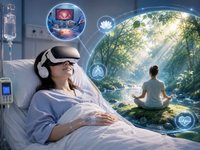
Background: Virtual reality (VR) is increasingly used for adjunctive relaxation training in psychiatric care. However, evidence remains limited among hospitalized patients with depressive disorders, particularly in routine inpatient settings in China, and little is known about whether improvement varies by session frequency. Objective: This retrospective study examined whether adjunctive VR-based relaxation training was associated with changes in depressive and anxiety symptoms among inpatients with depressive disorders and whether improvement differed by session frequency. Methods: We conducted a retrospective, nonrandomized natural-group comparison using complete anonymized medical records from patients hospitalized in Lishui Second People’s Hospital between January 1 and December 31, 2022. Patients met () diagnostic criteria for depressive episodes or recurrent depressive disorders and were screened using predefined criteria. The analytic sample included 133 inpatients: 63 (47.4%) received adjunctive VR-based relaxation training plus usual care and 70 (52.6%) received usual care only. Usual care included pharmacotherapy and physiotherapy. The VR intervention consisted of 25-minute immersive relaxation sessions delivered approximately 3 times per week. Symptoms were assessed at admission and discharge using the 17-item Hamilton Depression Scale and Hamilton Anxiety Rating Scale. Response was defined as a reduction of 50% or more from baseline, and remission was defined as a total score of 7 or less. Baseline characteristics, outcome scores, response and remission rates, and exploratory session-frequency subgroups were compared. All analyzed variables were checked against complete medical records; no missing values were identified, and no imputation was performed. Results: The VR and control groups did not differ significantly in baseline depressive or anxiety scores. At discharge, adjunctive VR-based relaxation training was associated with lower depressive and anxiety symptom scores than usual care alone. The VR group also showed higher response rates for both depressive and anxiety symptoms and a higher anxiety remission rate, whereas depression remission was similar. Exploratory session-frequency analyses suggested that anxiety improvement may be more consistently associated with VR exposure than depression remission; however, the pattern was not strictly linear and should be interpreted cautiously because treatment frequency was linked to hospitalization duration and routine care factors. Conclusions: This study is innovative in evaluating structured VR-based relaxation training as an adjunct to routine inpatient depression care and in providing preliminary observations on session-frequency patterns in a real-world Chinese psychiatric setting. Unlike many previous VR studies conducted in noninpatient, nonclinical, or short-term experimental contexts, this study reflects everyday clinical practice among hospitalized patients with depressive disorders. The findings contribute practical evidence for integrating immersive relaxation into comprehensive inpatient care, particularly when additional anxiety relief is desired. Because the study was retrospective and nonrandomized, the findings indicate associations rather than causal effects and should be confirmed in prospective randomized controlled trials.
<img src="https://jmir-production.s3.us-east-2.amazonaws.com/thumbs/3f676641d2a71ff688fdee4dc02b8592" />
“Mirror, mirror, on the wall, without you, I will fall”: investigation into body dysmorphic disorder from an attachment perspective
ObjectiveBody dysmorphic disorder (BDD) is a prevalent concern among young adults. However, the underlying mechanisms of BDD development remain elusive. This study aims to investigate the intricate relationship between attachment styles and BDD symptoms, with appearance-based rejection sensitivity (ARS) as a mediating factor and gender as a moderator.MethodsA total of 815 young adults participated, completing a battery of questionnaires including the Revised Adult Attachment Scale (RAAS), Appearance-Based Rejection Sensitivity Scale (ARSS), and Scale of Body Image (SBI).ResultsData indicated a positive association between attachment anxiety and BDD symptoms, with ARS found to mediate this link. Furthermore, gender differences were observed to moderate the relationship between ARS and BDD symptoms.ConclusionThis study sheds light on the foundational mechanisms of BDD, tracing its origins to early caregiver-infant bonds and highlighting the enduring impact of ambivalent care on body image perceptions. Additionally, the identification of ARS as a specific contributing factor to BDD onset underscores its significance in understanding and addressing this disorder. By considering the influence of social norms and cultural context, gender differences in the association between ARS and BDD symptoms are elucidated.
Exercise interventions are most consistently supported for depressive disorders: an umbrella review of diagnosed depressive and anxiety disorders
BackgroundExercise is increasingly discussed as part of lifestyle-based and multimodal care for mood and anxiety disorders, but review-level evidence often mixes formally diagnosed clinical populations with symptom-defined or medically mixed samples.MethodsWe conducted an umbrella review of systematic reviews, meta-analyses, and network meta-analyses of structured exercise interventions for adults with depressive or anxiety disorders. Six databases were searched from inception to 1 March 2026. Primary outcomes were depressive and anxiety symptom severity, remission, and response; secondary outcomes were acceptability and tolerability. Review quality was appraised with AMSTAR 2, and primary-study overlap was quantified with corrected covered area (CCA), including overall and symptom-cluster analyses. The synthesis was designed to summarize review-level credibility and clinical interpretability rather than to generate a second-order pooled efficacy estimate.ResultsNine reviews met eligibility criteria; four supplied directly extractable primary overall review-level estimates for core psychiatric symptom outcomes. AMSTAR 2 appraisal rated one review as high, three as low, and five as critically low. Recalculated overall overlap was slight (112 primary-study occurrences, 89 unique primary studies; CCA = 3.23%), although cluster-level analyses identified localized redundancy, particularly within anxiety-disorder-specific reviews. In major depressive disorder, one clinically focused review reported a large reduction in depressive symptoms for aerobic exercise versus non-exercise comparators (Hedges’ g = -0.79, 95% CI -1.00 to -0.57; I² = 21%). Across diagnosed depressive and/or anxiety disorders, broader review-level estimates also favored exercise for depressive symptoms (SMD = -0.97, 95% CI -1.28 to -0.66) and anxiety symptoms (SMD = -0.66, 95% CI -1.09 to -0.23), but heterogeneity was high. Anxiety-disorder-specific evidence was less secure: the primary DSM-IV anxiety-disorder pooled estimate showed no clear benefit over selected controls (SMD = 0.02, 95% CI -0.20 to 0.24). Acceptability estimates were close to null, and adverse-event reporting was too sparse to support confident safety conclusions.ConclusionExercise is best supported as an adjunctive, patient-centered component of care for depressive disorders. Anxiety-disorder-specific efficacy remains uncertain when comparator rigor, diagnostic heterogeneity, and localized overlap are considered, and safety reporting needs substantial improvement.Systematic Review Registrationhttps://www.crd.york.ac.uk/PROSPERO/, identifier CRD420261364264.
Health outcomes across socioeconomic strata B, C, and DE among Brazilian adults living in moderate social vulnerability
ObjectivesThis study examined whether socioeconomic status was associated with anxiety symptoms, depressive symptoms, BMI, waist-to-hip ratio, and quality of life among Brazilian adults living in areas of moderate social vulnerability. In addition, we described anxiety and depressive symptoms, BMI and waist-to-hip ratio, and quality of life in individuals living in moderate social vulnerability.MethodsThis is a cross-sectional study. In a socially vulnerable cohort, interviews captured demographics, comorbidities, medications, anxiety and depressive symptoms, and quality of life, followed by measurement of anthropometric characteristics.ResultsAmong 299 socially vulnerable adults, 8% had moderate–severe depressive symptoms and 7% had moderate–severe anxiety symptoms; ~50% showed increased risk of cardiometabolic diseases (i.e., waist-to-hip ratio greater or equal to 0.90 for men and 0.85 for women, respectively). Poor quality of life affected 4–12% across domains. Mental health, anthropometrics (waist-to-hip ratio, BMI), increased risk of cardiometabolic diseases and quality of life in physical, social and environmental domains did not differ by socioeconomic status (B, C, DE; all P>0.05). Poor psychological quality of life was more frequent among participants in higher socioeconomic status (B: 8%; C: 6%; DE: 4%, P = 0.0157). Linear regression analyses showed no statistically significant differences across socioeconomic status in depressive symptoms, anxiety symptoms, BMI, waist-to-hip ratio, or quality of life scores in any domain (all P>0.05).ConclusionsOur findings suggest that, among Brazilian adults living in moderate social vulnerability and classified within socioeconomic status B, C, and DE, mental health, BMI, waist-to-hip ratio, and quality-of-life indicators were similar across socioeconomic strata. However, these results should be interpreted as reflecting intra-group socioeconomic differences within a moderately vulnerable population and should not be generalized to individuals from the highest socioeconomic status.
Effects of Virtual Reality on Postoperative Pain Management Following Minimally Invasive Gynecologic Surgery: Randomized Controlled Trial
<strong>Background:</strong> Postoperative pain and anxiety remain common concerns after minimally invasive gynecologic surgery despite advances in surgical techniques and analgesic strategies. Virtual reality (VR) has been investigated as a potential nonpharmacological intervention for pain management; however, evidence in gynecologic postoperative settings is limited. <strong>Objective:</strong> This study aims to evaluate the efficacy and safety of VR technology compared with standard postoperative analgesia for pain and anxiety management in patients undergoing minimally invasive gynecologic surgery. <strong>Methods:</strong> This randomized controlled trial was conducted at Sun Yat-sen Memorial Hospital of Sun Yat-sen University in China. A total of 131 patients undergoing laparoscopy or combined hysteroscopy for benign gynecologic diseases were randomly assigned in a 1:1 ratio to either a VR group (n=68) or a control group (n=63). All patients received a standardized general anesthesia protocol intraoperatively. The control group received conventional analgesic therapy after surgery, and the VR group received a 20-minute VR intervention 6 hours postoperatively. The pain and anxiety levels were evaluated using a visual analog scale at 6 and 7 hours postoperatively. The primary outcome was the change in pain scores between 6 and 7 hours. Secondary outcomes included maximum pain score, anxiety score changes, length of hospital stay, hospitalization costs, and occurrence of adverse events. Analyses were performed according to the intention-to-treat principle. <strong>Results:</strong> There was no statistically significant difference in the primary outcome between the VR and control groups (mean difference 0.169, 95% CI −0.271 to 0.608; <i>P</i>=.45). Similarly, no significant differences were observed in the maximum pain score (mean difference 0.839, 95% CI −0.101 to 1.779; <i>P</i>=.08), and no improvement was observed in the anxiety score (mean difference 0.042, 95% CI −0.365 to 0.449; <i>P</i>=.84). No significant differences were found in length of hospital stay, hospitalization costs, or incidence of adverse events, including dizziness, nausea, and vomiting (all <i>P</i>>.05). <strong>Conclusions:</strong> A single 20-minute VR intervention did not provide additional analgesic or anxiolytic benefit compared with standard postoperative care after minimally invasive gynecologic surgery. VR was well tolerated, and its role in postoperative recovery requires further investigation. <strong>Trial Registration:</strong> Chinese Clinical Trial Registry ChiCTR2400091244; https://tinyurl.com/4b92a9td