

IntroductionA growing body of literature is focusing on third-generation antipsychotics and their unique characteristics, but few studies have examined gender as a crucial factor in response profiles. The present study aims to address this gap by analyzing the outcomes of 12-month naturalistic treatment with cariprazine to elucidate changes in specific psychopathological domains between men and women.MethodsThe present 12-month longitudinal naturalistic study involved a sample of individuals diagnosed with schizophrenia according to the DSM-5-TR treated with cariprazine at the outpatients’ psychiatric services of a major university and community hospitals in Italy. The assessments conducted included sociodemographic data, the Structured Clinical Interview for the DSM-5 (SCID-5), and the Positive and Negative Symptom Scale (PANSS) Total and Subscale scores, as well as the PANSS-derived Marder factors. The PANSS was administered at three time points: before starting the treatment with cariprazine (T0), after 6 months (T1), and after 12 months (T2).ResultsFifteen male and 17 female subjects were assessed at the three time points. The mean dose of cariprazine was 4.2 ± 1.3 mg for men and 4.0 ± 1.5 mg for women. Both genders exhibited improvements in all PANSS subscale symptoms after 6 and 12 months of cariprazine treatment compared to the baseline, with the only exception of the Uncontrolled hostility/excitement Marder factor among men. Progressive improvements through time points in symptom subscales were found in both sexes, reaching numerical differences in every PANSS subscale in both sexes at T2. Gender specifc response profiles emerged after 6 and 12 months of treatment in the PANSS subscales and items in men and women.DiscussionCariprazine exhibited significant efficacy in both sexes, with no significant differences between men and women despite a gender specific response profile emerged. Additional studies are needed to further investigate the efficacy profile and long-term outcome of cariprazine treatment by gender.
Evaluation of Benign Joint Hypermobility and Serum Prolidase Levels in Children Diagnosed With Attention-Deficit/Hyperactivity Disorder (ADHD) Compared to Healthy Controls
Conditions: ADHD; Benign Joint Hypermobility Syndrome; ADHD – Attention Deficit Disorder With Hyperactivity; ADHD – Combined Type; ADHD – Inattentive Type
Sponsors: Antalya Training and Research Hospital
Completed
Sponsors: Antalya Training and Research Hospital
Completed
Long‑Range Gene Networks Uncover 641 New Schizophrenia‑Associated Genes
Schizophrenia’s genetic landscape just expanded dramatically. A new study in Nature Genetics identifies 641 previously unrecognized genes associated with schizophrenia, thanks to a modeling framework that captures how distant genetic variants regulate gene expression through co‑expression networks. The work reframes schizophrenia not as a collection of isolated genetic hits, but as a disorder shaped by long‑range regulatory relationships across the brain. The study is titled, “Co‑expression‑based models improve eQTL predictions for transcriptome‑wide association studies and highlight new schizophrenia‑associated genes.”
The research team, led by Giulio Pergola, PhD, at the Lieber Institute for Brain Development (LIBD), developed two trans‑aware predictive models—INGENE and MODULE—that quantify how variants far from a gene influence its expression through co‑regulated partners. Traditional transcriptome‑wide association studies (TWAS) focus almost exclusively on cis‑expression quantitative trait loci (cis–eQTLs), variants within ±1 Mb of a gene. But as the paper noted, “Most transcriptome‑wide association approaches primarily model local (cis) genetic effects, leaving much of gene regulation unexplained.” By contrast, the new models incorporate distal (trans) regulatory effects, capturing regulatory relationships that behave more like social networks than neighborhood blocks.
Using RNA‑seq data from six human post‑mortem brain regions and genetic data from more than 102,000 individuals, the team integrated cis‑based predictors (CIS, EpiXcan) with their new trans‑based frameworks. The combined approach improved gene‑expression prediction for 18,744 genes, and when applied to Psychiatric Genomics Consortium (PGC3) datasets, it identified 766 schizophrenia‑associated genes, including 641 not previously detected by TWAS.
Pergola said the field has been “looking for the light under the lamppost, focusing only on genes close to disease‑associated DNA variants.” By illuminating long‑range interactions, he explained, “we’ve essentially turned on lights across the entire neighborhood, revealing how distant genetic variants coordinate to build the genetic basis of schizophrenia.”
The findings converge on pathways involved in glutamate signaling, neuronal communication, immune processes, and neurodevelopment—biological systems repeatedly implicated in psychiatric risk. MODULE‑derived trans‑single nucleotide polymorphisms (SNPs) showed particularly strong enrichment for schizophrenia‑associated variants, and many overlapped with cis‑eQTLs for transcription factors such as GATAD2A, RERE, IRF3, and SP4, all previously prioritized in schizophrenia GWAS.
Daniel Weinberger, MD, CEO and director of LIBD, emphasized the shift in perspective: “Schizophrenia risk isn’t just about individual genes acting one after another—it’s about how networks of genes work together. Understanding these coordinated genetic programs brings us closer to precision psychiatry.”
By demonstrating that trans‑regulatory architecture is both detectable and biologically meaningful, the study provides a roadmap for expanding TWAS beyond local effects. It also underscores the importance of integrating multi‑region brain transcriptomics with large‑scale genetic cohorts to reveal disease‑relevant regulatory relationships.
The post Long‑Range Gene Networks Uncover 641 New Schizophrenia‑Associated Genes appeared first on GEN – Genetic Engineering and Biotechnology News.
Gene Therapy Restores Brain Function and Behavior in Fragile X Syndrome
A University of California, Riverside-led research team has developed a gene therapy that restored production of a missing brain protein, corrected abnormalities in brain circuitry, and improved behavior in a mouse model of Fragile X syndrome (FXS). The study, published in the journal Molecular Therapy Nucleic Acids, tested an adeno-associated virus (AAV)-based therapy carrying a normal human version of the FMR1 gene to produce the Fragile X messenger ribonucleoprotein (FMRP) and found that early treatment normalized several measures of brain activity while improving social behavior, exploratory behavior, and cognitive flexibility.
“In a typical brain, FMRP acts like a brake or a volume control,” said senior author Iryna Ethell, PhD, a professor of biomedical sciences at the UC Riverside School of Medicine. “Without it, neural circuits become overactive and less efficient, which contributes to many of the developmental and behavioral challenges associated with FXS.”
FXS is the most common single-gene cause of autism spectrum disorder. According to the researchers, the disorder typically manifests from expansion of CGG repeats in the 5′ untranslated region of FMR1. The mutation causes methylation and silencing of the gene, leading to a major reduction or complete loss of FMRP, an RNA-binding protein that regulates numerous messenger RNAs involved in synapse formation, maturation, and function. Loss of the protein can lead to abnormal synaptic activity and increased cortical hyperexcitability.
FXS can produce sensory hypersensitivity, seizures, anxiety, intellectual disability, developmental delays, repetitive behaviors, and social communication difficulty. Current treatments for this syndrome don’t seek to cure it, rather they are aimed at managing the associated symptoms of anxiety, hyperactivity, irritability, aggression, depression, and seizures.
The therapy developed by the research team was designed to replace missing FMRP rather than repair the original mutation. To do this, the researchers used an AAV9 viral vector to deliver human FMR1 isoform 7, one of the most abundant forms of the protein found in the brain. The therapy was tested in newborn mice lacking FMRP via intracerebroventricular injections at either a low or high doses.
The work built on earlier research that explored the potential of AAV-mediated restoration of FMRP in rodent models. These prior studies used a range of viral serotypes, promoters, delivery routes, and FMRP isoforms and showed they could partially or completely correct specific biochemical, physiological, and behavioral abnormalities. The researchers noted that studies involving mouse and rat FMRP homologs had shown that restoring the protein could improve a range of Fragile X-related deficits.
The current study showed that high-dose treatment produced the strongest positive effects in the mouse models. Electroencephalography showed normalization of baseline gamma power, improvements in responses to sound, reduced background neural activity, and improved habituation to repeated auditory stimuli. The therapy also restored abnormal patterns of brain-wave coupling that have been associated with Fragile X-related dysfunction.
Behavioral testing showed that these improvements persisted into adulthood. Mice receiving the higher dose displayed normalized exploratory behavior, improved social preference, and better performance in probabilistic reversal learning, a measure of cognitive flexibility that requires adapting when previously rewarded behaviors stop producing rewards.
“Fragile X mice tend to persist with an old solution even after the rules change,” Ethell said. “After treatment, they became much better at adapting, performing similarly to mice with normal FMR1 function.”
The researchers noted that their work showed the importance of delivering at therapy for FXS early in its development. They said that widespread distribution of the potential new gene therapy throughout the brain was necessary to achieve a therapeutic benefit. There was a clear relationship between the proportion of neurons expressing the therapeutic gene and the degree of functional recovery, which indicated that restoring FMRP in a sufficient number of cortical cells is critical for correcting any behavioral deficits.
While a promising step, the investigators said that the work was a preclinical study and that future research will now focus on developing delivery methods that can of have broad distribution across the human brain. The team also believes their approach could have broader applications.
“Beyond FXS, the findings may provide a roadmap for treating other genetic neurodevelopmental disorders caused by the loss of a single critical protein,” Ethell said. “Our study shows it may be possible to restore function across complex brain networks by replacing a missing gene. That gives us reason to be optimistic about the future of genetic medicine.”
The post Gene Therapy Restores Brain Function and Behavior in Fragile X Syndrome appeared first on Inside Precision Medicine.
Functional Outcome Prediction in Young Adults With Mental Health Symptoms Using Machine Learning and Large Language Models: Longitudinal Observational Study
Background: Functional impairments associated with mental health conditions are on the rise. Predicting functional outcomes may improve the targeting of preventive interventions. While prognostic models have primarily focused on psychosis, early recognition services require a transdiagnostic approach. Objective: This study aimed to predict global functioning within a 2-year follow-up using baseline clinical and structural magnetic resonance imaging (MRI) data in a population-based sample of young, help-seeking individuals presenting with affective and anxiety symptoms as well as attention-deficit hyperactivity disorder. Methods: We classified 357 help-seeking individuals aged 18‐35 years recruited from 9 sites as “impaired” (Global Assessment of Functioning [GAF] ≤60; n=228) or “nonimpaired” (GAF>60; n=129) at year 1 and/or year 2 follow-up. GAF classification group status at follow-up was predicted using linear support vector machine (SVM), decision tree, and large language model (LLM) Llama-3 using clinical assessments and/or structural MRI. Leave-one-site-out (SVM) or external sample (LLM) was used for validation. Results: SVM achieved balanced accuracy of 69.2% using clinical features only. Items related to baseline occupational functioning, interpersonal relationships, cognitive functioning, psychotic and affective symptoms, as well as the presence of anxiety disorder, were most predictive. The decision tree further reduced the feature set to 5 predictive items, achieving balanced accuracy of 76.6%. Although amygdala and hippocampal subregions achieved balanced accuracy of 57.1%, structural MRI did not improve the overall prediction. Llama-3 performed comparably well to SVM (balanced accuracy of 72.6%). Conclusions: Machine learning demonstrated good performance in predicting global functioning. Interestingly, the out-of-the-box LLM performed comparably well without being trained or fine-tuned, highlighting the potential of leveraging free-text data for mental health prognosis.

When OCD Is Loud, Trust Your Higher Power
by Annabella Hagen, LCSW
When I met Marie, she shared how faith and her connection with a Higher Power had always been important in her life. Her parents taught her that faith could be an anchor during hard times.
But Marie also had a genetic predisposition to obsessive compulsive disorder (OCD). When doubts and fears began to take over, she slowly lost confidence that she could ever feel peace again. Without knowing it, the more she tried to reason with the thoughts, fight them, or seek reassurance, the stronger they became.
Her OCD changed themes as she grew up. The voice within whispered different fears at different times:
“You may hurt the kids you’re babysitting.”
“You caused your granny’s pneumonia because you didn’t wash your hands well enough.”
“Am I going blind?”
“Why do these ugly images come into my head in sacred places? I must stop them.”
She tried to “fix” her doubts. But the more she focused on them, the more they grew. They distracted her from what mattered most — including her relationship with her Higher Power. She blamed herself for not feeling close to God. She felt ashamed and spiritually broken.
Many people with OCD blame themselves for their unwanted thoughts. They panic.
“Why would I think this?”
“What does this say about me?”
“Am I a terrible person?”
No matter what Marie did, she could not find certainty. She could not get enough reassurance. She wished she could control her thoughts and feelings. Because she couldn’t, she became very hard on herself. Her self-compassion slowly disappeared.
But here is something important: every human being — whether they have OCD or not — experiences disturbing thoughts, images, or impulses at times. Research going back decades, including studies like Rachman and de Silva (1978), shows that intrusive thoughts are common in the general population.
The difference is not the content of the thoughts. The difference is how often they come, how intense they feel, and how much distress they cause.
When someone without OCD has a strange thought, they may feel uncomfortable and say, “That was weird,” and move on.
But someone with OCD feels a strong need to solve the doubt. They may analyze it, argue with it, pray repeatedly, seek reassurance, or try to push it away. Without realizing it, these efforts make the thoughts louder and more frequent. This is how the OCD cycle grows.
Understanding this can bring hope. It means the problem is not your faith. It is the pattern.
And the good news is that OCD is not only genetic or neurological. It is also behavioral. That means you can learn to respond differently!
Thoughts and feelings are like the weather. They come and go. When we fight them or try to control them, they often stay longer.
You can learn to let them be.
Through Exposure and Response Prevention (ERP), you can practice moving toward what matters most — your faith, your family, your values — even when doubt is present. Instead of trying to silence the thoughts, you can choose not to follow the urge to fix them.
The first step is awareness.
You may already notice the unwanted thoughts. But can you notice how you respond?
Ask yourself gently:
- Do I try to get rid of emotional pain right away?
- Do I avoid situations because they trigger anxiety and doubts?
- When I feel an urge, do I automatically act on it?
- Can I see that thoughts are just thoughts, not facts?
These small moments of awareness begin to weaken the cycle.
As you practice new responses, you can begin shaping new pathways in your brain. Slowly, you can move closer to the connection with your Higher Power that you have been longing for.
Thoughts come and go. What matters most is what you choose to do.
You can act in faith and trust your Higher Power, even when the OCD voice is loud. That voice feels powerful, but it is not your identity. It does not define your relationship with God.
Change takes time. It takes practice. But it is possible. And it is worth it!
And you can find your way back!
Remember, OCD may try to use your faith as a weapon, your faith is not the problem—the disorder is. OCD is a health condition that seeks certainty where faith invites trust.
If you find yourself in a cycle of “loud” thoughts and repetitive compulsions—like over-praying, seeking constant reassurance, or fearing you’ve lost your connection to the divine—know that healing is possible.
To help more individuals like Marie navigate these challenges, the International OCD Foundation has released a comprehensive new brochure specifically for people of faith.
Download the “OCD is Not What You Think It Is” Brochure here or visit the Faith & OCD Resource Page to find more specialized support and information.
The post When OCD Is Loud, Trust Your Higher Power appeared first on International OCD Foundation.
Network analysis of spousal support and fear of childbirth in pregnant women of advanced maternal age
BackgroundFear of childbirth is an important perinatal mental health concern, particularly among women of advanced maternal age. However, the specific interrelations between spousal support and fear of childbirth remain unclear.MethodsThis cross-sectional study recruited 279 pregnant women of advanced maternal age from a tertiary hospital in Henan, China, using convenience sampling. Spousal support and fear of childbirth were assessed using the Spouse Support Inventory and the Childbirth Attitude Questionnaire. A regularized partial-correlation network was estimated using EBICglasso, and central and bridge nodes were identified. Network stability was examined using bootstrap procedures.ResultsThe prevalence of any fear of childbirth, defined as a CAQ score ≥28 and including mild, moderate, and severe categories, was 86.4% (n = 241). Negative associations predominated between the spousal support and fear of childbirth communities. The strongest cross-community association was observed between “teaching you how to do things you do not know how to do” and “concern about fetal health.” The most central nodes were “participating in activities together to reduce your stress” and “providing you with helpful information,” whereas the strongest bridge nodes were “helping you understand why things did not go well” and “giving you encouragement.ConclusionSpecific supportive behaviors, especially informational and cognitive-appraisal support, occupied central positions in the network linking spousal support and fear of childbirth among pregnant women of advanced maternal age. Strengthening these forms of spousal support may inform the development of couple-based interventions to reduce childbirth fear and promote perinatal mental health.
Brain-Infiltrating T Cells Linked to Social Deficits in Autism Mouse Model
The prevalence of autism spectrum disorder (ASD) is roughly one in 36 people, with a male-to-female ratio of 4:1. The disorder is known to be influenced by multiple factors, both genetic (gene mutations and copy number variations) and environmental, such as infections during pregnancy. However, the role of immunity in genetic ASD remains unclear.
One area of interest lies in lymphocytes—cells that are known to shape neurodevelopment and behavior. But their roles in neurodevelopmental disorders are not well defined.
Now, new research shows that a subset of T cells—γδ T cells—can infiltrate the brain and contribute to changes in social behavior in a genetic mouse model that mimics behavioral features of ASD. Depleting these cells from the brain increased sociability, suggesting that targeting abnormal immune function during neurodevelopment may offer interventions for ASD.
This work is published in Science Immunology in the paper, “CXCL16-mediated recruitment of γδ T cells to the brain reduces sociability in mice.”
Infections during pregnancy can induce the release of interleukin-17A (IL-17A) from T helper 17 cells and γδ T cells. Prior research has linked this type of maternal immune activation to neurodevelopmental disorders, but there is a lack of evidence connecting IL-17A and social behaviors in genetic mouse models.
To investigate this further, a team of researchers from the Division of Allergy and Immunology in the Medical Institute of Bioregulation at Kyushu University, in Fukuoka, Japan, studied 15q11-13 duplication (15q dup) mice—a mouse model that mimics a chromosome duplication found in some humans with ASD. These mice also demonstrate reduced social interactions, behavioral inflexibility, and increased anxiety-like behaviors.
The team analyzed immune cell populations in the brains of the 15q dup mice. Their findings suggest an increase in γδ T cells in the developing brains when compared with wild-type mice.
Using single-cell RNA sequencing (scRNA-seq), the team uncovered that this was most likely due to microglia in the brain expressing the chemokine CXCL16, which promotes immune cell migration. CXCL16 was highly expressed in the brains of 15q dup mice and contributed to increased infiltration of γδ T cells.
In addition, experiments revealed that deleting IL-17A–producing γδ T cells or blocking them with antibodies after birth increased sociability and reduced anxiety-like behaviors in the 15q dup mice.
Taken together, the authors note that these findings suggest that “immune dysregulation contributes to social behavior deficits in 15q dup mice, consistent with observations in maternal immune activation models, and may represent a potential target for interventions for ASD-associated differences in social behavior.”
The post Brain-Infiltrating T Cells Linked to Social Deficits in Autism Mouse Model appeared first on GEN – Genetic Engineering and Biotechnology News.
Designing and Evaluating a Classroom-Based Mental Health Programme for Adolescents.
Conditions: Mental Health Promotion
Interventions: Behavioral: School-Based Mental Health Programme
Sponsors: Queen’s University, Belfast; Health Research Board, Ireland
Active, not recruiting
Interventions: Behavioral: School-Based Mental Health Programme
Sponsors: Queen’s University, Belfast; Health Research Board, Ireland
Active, not recruiting
Introducing the 2026 IOCDF Award Winners of the 31st Annual OCD Conference
The mission of the International OCD Foundation — to ensure that no one affected by OCD or related disorders suffers alone — requires the collaboration and dedication of countless individuals and professionals around the world. Each year, the IOCDF is honored to recognize a few of these contributors who have gone above and beyond to inspire hope, build community, and move us closer to a world where everyone has access to effective support and care.
These awards will be presented at the 31st Annual OCD Conference, sponsored by OCD Institute Texas, on Saturday, July 11, 2026.
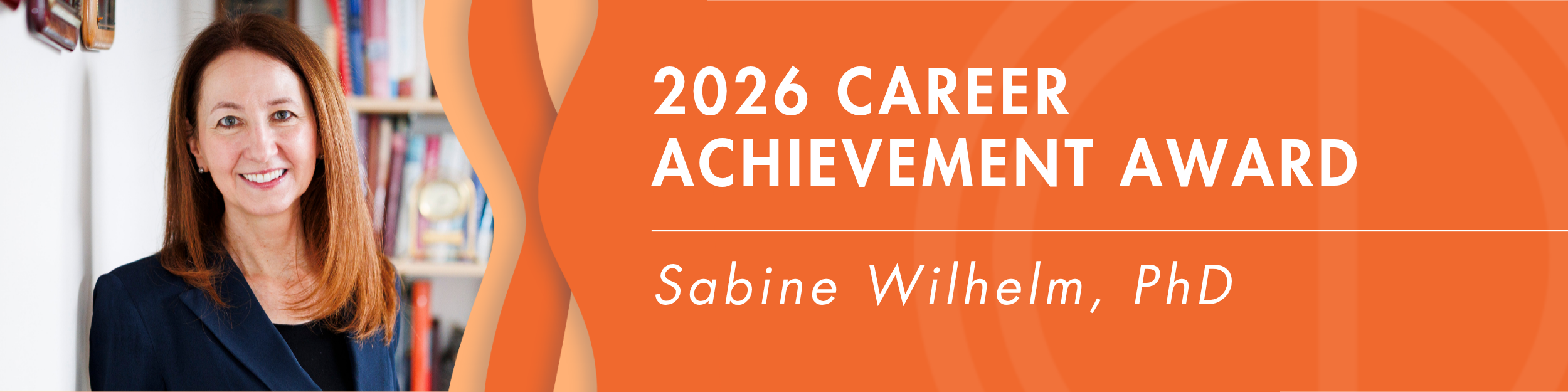
2026 Career Achievement Award Winner: Sabine Wilhelm, PhD
Highlighting the significant and notable contributions of a professional in the field of OCD and related disorders.
Sabine Wilhelm, PhD, is the Donovan-Chien Family Endowed Professor at Harvard Medical School and Chief of Psychology at Mass General Brigham. She directs both the Center for OCD and Related Disorders and the Center for Digital Mental Health at Massachusetts General Hospital. Dr. Wilhelm’s work leverages AI and technology to improve mental health care globally, focusing on developing personalized, scalable digital treatments. She has authored 375 publications and nine books. She has received major awards, including the NAMI Scientific Research Award and the Peter Ranney Innovation Award from the World Medical Innovation Forum. Dr. Wilhelm is the outgoing Chair of the IOCDF Scientific & Clinical Advisory Council after serving since 2023, and she has served on numerous committees to support the Foundation’s work to advance research and resources for OCD and related disorders.
2026 Patricia Perkins Service Award Winner: Aureen Wagner, PhD
Honors any professional or IOCDF member who has stood out as a long-time (10+ years) and active contributor to the IOCDF in multiple ways. This award is named after Patricia Perkins, IOCDF co-founder, past president of the Board of Directors, and previous executive director.
Winner Bio: Aureen Pinto Wagner, Ph.D., joined the IOCDF in 1992 as a newly-minted clinical psychologist. She presented a workshop for parents at her first conference in 2000, and has been a regular presenter at most conferences since then. Dr. Wagner has contributed to several IOCDF livestreams and presented at the annual Online OCD Camp for youth and parents since its inception in 2021. She serves on the Scientific and Clinical Advisory Board of the IOCDF and has been on the faculty of the Behavior Therapy Training Institute since 2001.
Dr. Wagner is dedicated to bringing hope and help to families experiencing OCD via evidence-based, developmentally-tailored treatment, and to increasing access to treatment by training clinicians to treat OCD. With the goal of disseminating evidence-based treatment, Dr. Wagner provides workshops and consultation to clinicians and has published a treatment manual focused on child-friendly treatment titled, “Treatment of OCD in Children and Adolescents: A Professional’s Kit.”
At The Anxiety Wellness Center in Cary, North Carolina, Dr. Wagner provides in-person and telehealth treatment for youth and adults with OCD, anxiety and related conditions, as well as parenting support for families. In keeping with her mission of empowering youth and families, Dr. Wagner wrote the award-winning books “Up and Down the Worry Hill: A Children’s Book about Obsessive-Compulsive Disorder and its Treatment,” “What to do when your Child has Obsessive-Compulsive Disorder: Strategies and Solutions” and “Worried No More: Help and Hope for Anxious Children.”

2026 Hero Award Winner: Stephen Smith
Recognizes any individual that has stood out as a particularly effective advocate for OCD and related disorders or who helped raise awareness of these disorders.
Stephen Smith is the Co-founder and Chief Executive Officer of NOCD, the world’s largest OCD-specialty treatment provider for both adults and children. After emerging from a personal struggle with undiagnosed OCD and experiencing the success of Exposure & Response Prevention (ERP) therapy first-hand, Stephen made it his mission to transform the behavioral health treatment system for people with OCD and related conditions. Under his leadership, NOCD has done that. NOCD drives OCD awareness campaigns that reach millions of people each year, cares for hundreds of thousands of people with OCD, and is contracted to serve more than 140 million commercial lives nationally.

2026 Youth Hero Award Winner: Gabriella Lee
Recognizes any youth (under 18) that has stood out as a particularly effective advocate for OCD and related disorders or who helped raise awareness of these disorders. This award is presented by UNSTUCK: an OCD kids movie.
Gabriella Chaeyoon Lee is a junior at Great Oak High School in California who is dedicated to promoting mental health awareness, particularly surrounding OCD. Inspired by her personal connection to OCD through her mother’s diagnosis, she actively works to reduce stigma and support others through her school club and independent initiatives. She is passionate about creating safe and inclusive spaces where individuals feel understood and supported. She hopes to continue her advocacy and contribute to meaningful change in mental health communities.

2026 Illumination Award Winner: Tiffany Jenkins
Honors media personalities who have represented OCD or related disorders in a respectful, accurate, and appropriate way, or who have challenged stereotypes and helped to fight stigma around mental health issues.
Tiffany Jenkins is a comedian, New York Times bestselling author, speaker, and podcast host with a combined social media following of over 9 million and more than one billion video views worldwide.
While widely recognized for her relatable and candid comedy, Tiffany is deeply committed to raising awareness around mental health and addiction. Drawing from her own lived experience in recovery, she travels across the United States speaking at high schools, correctional facilities, treatment centers, and conferences, where she delivers impactful, honest conversations that resonate with diverse audiences.
Above all, Tiffany is a devoted mother, bringing authenticity, resilience, and humor into both her work and her everyday life.

The post Introducing the 2026 IOCDF Award Winners of the 31st Annual OCD Conference appeared first on International OCD Foundation.