BrainBaseline Assessment of Cognition and Everyday Functioning (“BRACE”-ing for the Future): Establishing iPad-Based Norms for Cognitive Function in the Multicenter AIDS Cohort Study and Women’s Interagency HIV Study Combined Cohort Study

Background: Digital cognitive assessments are increasingly used in large-scale studies to assess brain health, offering scalable, standardized, and self-directed testing solutions. Cognitive function remains a concern for people with HIV despite antiretroviral therapy. The BRACE (BrainBaseline Assessment of Cognition and Everyday Functioning) is a validated tablet-based screener for cognition in people with HIV. Preliminary pilot norms were established in a small sample (n=144), but full regression-based normative data have not yet been developed. Consequently, HIV serostatus differences based on standardized BRACE scores and cognitive correlates have not been systematically examined. Objective: This study aims to develop regression-based normative data for BRACE performance in people without HIV who were demographically and behaviorally comparable to people with HIV within biological sex; to examine differences in cognitive performance by HIV status and biological sex; and to evaluate sociodemographic, behavioral, and clinical correlates of BRACE performance. Methods: A total of 2937 participants (1063 people without HIV [499 women] and 1874 people with HIV [1053 women]) in the Multicenter AIDS Cohort Study/Women’s Interagency HIV Study Combined Cohort Study completed BRACE once between November 2020 and March 2025. BRACE includes the Trail Making Test (A and B), Stroop-Color, and visual spatial learning. Regression-based norms were derived from people without HIV using multiple demographic models (eg, age-only, age + education, and age + education + sex). The age + education model was selected for primary analyses because it provided the best balance of interpretability, parsimony, and generalizability while avoiding race-based corrections. HIV serostatus and sex differences were examined using ANOVA and tests, with effect sizes calculated using Cohen’s . Results: Cognitive performance was largely comparable between people with HIV and people without HIV across all BRACE outcome measures. Statistically significant differences were very small in magnitude (all effect sizes<0.11) and primarily observed among men on Stroop-Color. Across groups, older age and fewer years of education were associated with poorer raw BRACE performance, although these associations attenuated after demographic adjustment using T-scores. Most clinical and behavioral factors (eg, hypertension, smoking, and noncannabis substance use) were related to poorer raw scores but not standardized performance. However, diabetes and cannabis use remained independently associated with T-scores across multiple measures—diabetes with poorer scores and cannabis use with higher scores, an association that should be interpreted cautiously. HIV-specific clinical factors, such as nadir CD4 count and antiretroviral therapy duration, were linked primarily to raw scores. Conclusions: This study establishes the first regression-based normative data for BRACE, derived from a large, demographically diverse people without HIV, and demonstrates its applicability for evaluating cognitive function in people with HIV. Findings indicate minimal cognitive differences between people with HIV and people without HIV and highlight the influence of common sociodemographic and metabolic factors. These results support BRACE as a scalable, reliable, and self-administered digital tool for assessing cognitive health in diverse populations and underscore its potential for longitudinal monitoring and precision phenotyping in both research and clinical contexts.

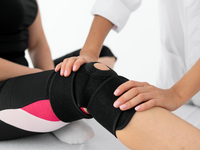
Accuracy in the Estimation of Self-Reported Knee Brace Wear Time in Young Adults With a Symptomatic Knee Following ACL Reconstruction: Secondary Analysis of a Pilot Randomized Controlled Trial

Background: Knee braces may improve symptoms and physical function following anterior cruciate ligament reconstruction (ACLR). However, their effectiveness depends on adherence, which typically relies on self-reported wear time, prone to recall and response bias. Objective measures (eg, temperature sensors), validated in footwear and orthotics research, offer a potentially more accurate alternative to self-reporting. Despite this, there is no research comparing self-reported and sensor-measured wear times in a knee brace. Objective: This study aimed to determine how well self-reported wear times reflect sensor-measured data in a slim-fit knee brace. Methods: Young adults (aged 18-45 years), 1-8 years post-ACLR, with a symptomatic knee (the 4 Knee injury and Osteoarthritis Outcome Score subscales [KOOS] score <80/100) wore a slim-fit brace during a 6-week feasibility trial. This study reports a secondary analysis of participants allocated to the brace group. Self-reported wear times were recorded in daily logs. An undisclosed, embedded temperature sensor recorded temperature every 10 minutes. A wear detection algorithm identified brace donning and doffing. These data were used to calculate aggregated measures (ie, summary measures across the entire 6-week intervention period, including cumulative wear time, average daily wear time, and total number of days worn) and repeated measures (daily wear duration, 3- and 7-day rolling averages, where wear time is averaged over consecutive days). Agreement between self-reported and sensor-based measures was assessed using concordance correlation coefficients (CCCs) and limits of agreement (LoA). Results: Of the 14 randomized participants, 10 (30% male [n=3]; mean age: 33, SD 6 years; time post-ACLR: 4, SD 1 years) had both temperature sensor and self-reported wear data. Six participants (60%) underreported average daily wear time (mean 29, SD 24 minutes across all 10 participants), while nine (90%) overreported the number of days worn (mean 9, SD 6 days across all 10 participants). Daily wear time showed moderate agreement between the sensor and self-reporting (CCC 0.70, 95% CI 0.58-0.79), but wide LoA (−223 to 217 minutes). Using 3- or 7-day rolling averages narrowed LoA (−47 to 36 minutes per day and −14 to 10 minutes per day, respectively) and slightly improved CCCs (0.74, 95% CI 0.58-0.85, and 0.73, 95% CI 0.51-0.86, respectively). Greater agreement was observed with more aggregated outcomes; for total 6-week wear time, the CCC was 0.84 (95%CI 0.50-0.95). When expressed as daily average wear time, the CCC was excellent (0.92, 95% CI 0.73-0.98), although daily LoA remained wide (−68 to 32 minutes), indicating substantial individual variability between self-reported and sensor-based measures. For the total number of days worn, the CCC was moderate (0.64, 95% CI 0.15-0.88) and LoA was wide (−10 to 22 days). Conclusions: Self-reported daily brace wear time is inaccurate compared to wear time measured by the temperature sensor. Aggregated data and rolling averages showed better agreement. Future intervention studies should consider objective adherence measures. Failing this, averaging self-reported wear time across the intervention period could improve accuracy. Trial Registration: Australian New Zealand Clinical Trials Registry ACTRN12623001027606; https://tinyurl.com/2spr7bnu

New Study Identifies Different Biological Subtypes of Autism

Research findings help explain why symptoms present so differently from one child to the next, and why individualized supports and interventions are essential.

Autism can look very different from person to person. One child might differ from another in how they learn, process sensory information, and experience social and communication challenges. Scientists have long suspected these differences stem from distinct biology, but proving it has been challenging — until now.

A recent study published in Nature Neuroscience has identified two biological subtypes of autism linked to different pathways in the brain.

Researchers from the Child Mind Institute, the Istituto Italiano di Tecnologia, and other international partners analyzed brain connection patterns in nearly 2,000 individuals, including 940 autistic people from the Autism Brain Imaging Data Exchange (ABIDE). By combining human brain-imaging datasets with complementary biological data, they identified two consistent patterns in how different brain regions communicate.

One subtype showed reduced communication, or hypoconnectivity, among brain regions linked to pathways that help brain cells send signals to one another. The other showed increased communication, or hyperconnectivity, among brain regions linked to pathways associated with the immune system. The two subtypes exhibited differences in functional brain structure and modest differences on standardized autism assessments, with the hyperconnectivity subtype scoring moderately higher on autism severity measures.

These findings give scientists the first empirically biology-based framework for understanding autism’s complexities over time. This type of work could move the field closer to more precise, personalized approaches to medicine and care. However, this does not mean autism can now be divided into just two categories, nor does it create a new diagnostic framework. Autism is complex, and these two subtypes are likely part of a much larger picture.

The study also highlights the importance of open science. Through shared datasets like ABIDE, researchers can tackle questions too large for a single lab to answer alone.

Read the Full Paper

The post New Study Identifies Different Biological Subtypes of Autism appeared first on Child Mind Institute.

When AI Colludes: Clinical Reliability of Training and Preference Data as a Trustworthy-AI Criterion

Research on artificial intelligence (AI) and mental health has focused largely on harms at deployment, including chatbot safety, sycophancy, and AI-associated delusions. Less attention has been paid to a prior question: whether the human-generated text and preference judgments that shape large language models are themselves clinically reliable, particularly when self-report may be distorted. This Viewpoint aims to develop the clinical psychiatric construct of collusion—the uncritical acceptance of an unreliable account—as an analytic lens for AI training and deployment, and to argue that the clinical reliability of training and preference data should be treated as an explicit trustworthy-AI criterion in mental-health–relevant systems. A conceptual synthesis of psychiatry, clinical psychology, and AI safety literature was undertaken. The analysis distinguishes three pipeline layers: pretraining corpora, preference data and posttraining methods, and deployment-time interaction. It maps the clinical construct of collusion against adjacent technical concepts, including sycophancy, reward overoptimization, grounding, refusal training, red-teaming, and live monitoring. The synthesis suggests that collusion-like dynamics are least applicable at the pretraining layer and most applicable at the preference-data and deployment layers, where unassessed user or labeler input can be reinforced without corroboration. Existing mitigations, including data curation, Constitutional AI, reward-model evaluation, grounded generation, refusal training, red-teaming, and postdeployment monitoring, address parts of this problem. However, these approaches are not yet organized around a clinically informed account of when self-report is unreliable. The central novelty is therefore not a generic claim about bias, but the proposal that clinical self-report reliability should be assessed as a distinct data-quality and governance dimension. Trustworthy-AI frameworks for mental-health–relevant applications should incorporate clinical expertise in self-report reliability into preference-data design, red-teaming, and postmarket surveillance. Adding the clinical reliability of training and preference data as an explicit criterion could complement existing technical safeguards while leaving empirical evaluation of clinician involvement as an open research agenda.
<img src="https://jmir-production.s3.us-east-2.amazonaws.com/thumbs/5de93d37e885a1e423959daac50674dc" />

Functions and Sensors of Smart Walkers From 2015 to 2024: Scoping Review

Background: Early mobilization and mobility are essential components of the recovery process following surgery and trauma-related hospitalization. In addition to personalized support from physiotherapists and health care professionals, assistive devices such as walkers play a crucial role in facilitating safe and effective mobility. Objective: This scoping review aims to provide a comprehensive overview of the current state of the literature on the design, sensor technologies, and functional applications of smart walkers and to assess the extent to which existing studies reflect clinical use cases. Methods: Peer-reviewed English articles published between 2015 and 2024 were identified by searching PubMed, CINAHL, SSCI, and IEEE, focusing on the topic of smart walkers. Secondary analyses and walkers with 2 wheels or fewer were excluded in abstract screening. Study screening and selection were performed according to the Joanna Briggs Institute guidelines for scoping research and reported following the PRISMA-ScR (Preferred Reporting Items for Systematic Reviews and Meta-Analyses extension for Scoping Reviews) guidelines. The Rayyan systematic review management software was used for study selection. The articles included were analyzed with respect to the sensor technologies used, their functional capabilities, and their application scenarios. Results: Of the 800 articles screened, 44 (5.5%) met the inclusion criteria. Most of these articles were research reports (n=36, 81.8%) and were conducted in laboratory-based environments (n=30, 68.2%). Most studies evaluated smart walkers in asymptomatic populations (n=29, 65.9%), with half (n=22, 50%) involving younger adults. Among the sensor modalities reported, camera-based and light detection and ranging–based sensors were most prevalent for half of the implementations. Light detection and ranging–based sensors can be categorized according to their primary functions: gait analysis (n=11, 25%), collision detection (n=9, 36%), and navigation (n=5, 11.4%). Load sensors (n=10, 22.7%) and ultrasonic sensors (n=11, 25%) were among the most frequently cited sensor modalities in the literature. Load sensors, also known as force sensors, are integrated into the handlebars, frame, forearm supports, or chest pads of smart walkers. These sensors measure the user’s load, providing essential data for calculating body weight support or inferring the user’s intention to move. Conclusions: The smart walkers described in the literature were predominantly tested in asymptomatic and younger populations. Bridging the gap between current laboratory-based research and real-world clinical environments, as well as the daily lives of end users, remains a critical objective. Addressing the specific needs of older adults through comprehensive requirements analyses and iterative testing continues to be an ongoing challenge, yet these processes can serve as integral components of research and development projects. Trial Registration: OSF Registries osf.io/ctpf4; https://osf.io/ctpf4
<img src="https://jmir-production.s3.us-east-2.amazonaws.com/thumbs/2832252ade183a1b4c4196b752891efc" />

Efficacy of a World Health Organization–Guided Self-Help Intervention for Reducing Psychological Distress in Afghan Refugees: Randomized Controlled Trial

Background: Common mental health disorders are highly prevalent among refugees. There is an urgent need to address the mental health burden in this population. Objective: This study tested the efficacy of an individually supported self-help stress-management intervention developed by the World Health Organization—Doing What Matters in Times of Stress (DWM)—in reducing psychological distress and improving functioning among refugees in Indonesia, a major transit country in the Asia-Pacific region. Methods: A single-blind randomized controlled trial with 303 Farsi-speaking refugees was conducted between June 2024 and June 2025. Participants with moderate to high psychological distress (Kessler Psychological Distress Scale [K10] score≥20) were randomly allocated to the facilitator-guided individual DWM condition (n=202) or a repeated assessment control condition (n=101). The primary outcome was psychological distress (K10 score) at the posttreatment assessment. Secondary outcomes were posttraumatic stress disorder symptoms, functional impairment, social functioning, and personally identified problems. Results: Intent-to-treat analysis indicated that participants in the DWM condition showed greater reductions in K10 scores than those in the repeated assessment control condition (posttreatment: =−.563, SE=0.124; <.001; Cohen =0.56; 1-month follow-up: =−.447, SE=0.140; =.002; Cohen =0.45). Similarly, those participants in the DWM condition reported greater improvements in posttraumatic stress disorder symptoms, well-being, social functioning, functional impairment, and personally identified psychological problems. No serious adverse events were reported. Conclusions: The findings provide the first evidence for the effectiveness of DWM in reducing psychological distress and improving overall functioning among urban refugees living in a transit setting. Individually supported self-help interventions such as DWM mayoffer an effective, feasible, and scalable approach to improving mental health for refugees. Trial Registration: ANZCTR ACTRN12624000609550; https://www.anzctr.org.au/Trial/Registration/TrialReview.aspx?id=387637&isReview=true

Codon Optimization Isn’t Equal: Benchmarking Gene Design for Antibody Expression


Image of Justin Byers

Justin Byers

Founder and CEO
Axio BioPharma

Panelist

Image of Justin Byers

Justin Byers

Justin Byers is the founder and CEO of Axio BioPharma. He holds a BS in biochemistry and molecular biology from Illinois State University and has held leadership roles at Illumina, Danaher, and Fujifilm. Throughout his career, Byers has led commercial, operational, and cross-functional initiatives supporting biologics programs from early development through manufacturing. He has worked closely with scientific teams to scale workflows, improve process rigor, and align technical execution with strategic objectives. At Axio, Byers oversees corporate strategy, partnerships, and scientific direction. His focus is positioning the company at the intersection of structured data and biologics workflow execution. Axio is accelerating biologics development through mAb production services for R&D while partnering with innovators and CDMOs to ensure the data required for rigorous decision making and a digitally enabled future is generated, structured, and accessible.


Image of Daniel Lin-Arlow, PhD

Daniel Lin-Arlow, PhD

Chief Scientific Officer and Co-founder
Ansa Biotechnologies

Panelist

Image of Daniel Lin-Arlow, PhD

Daniel Lin-Arlow, PhD

Daniel Lin-Arlow, PhD, is a scientist-entrepreneur with deep expertise in synthetic biology and biophysics. Motivated by firsthand challenges in obtaining DNA constructs for metabolic engineering in graduate school, he is deeply committed to providing scientists with the DNA constructs they need for their research. As Ansa’s founding CEO, Lin-Arlow grew the company from two employees in 2018 to more than 70 by 2024, raising over $130 million in venture capital and grant funding to support technology development and commercialization. He transitioned to the role of chief scientific officer in 2024, where he leads the development of new applications of the company’s technologies. Lin-Arlow received his PhD from the University of California, Berkeley for his work in Jay Keasling’s lab for developing the DNA synthesis technology commercialized by Ansa. Prior to graduate school, he was a scientific associate at D.E. Shaw Research where he studied the biophysical properties of G protein-coupled receptors, including how drugs bind and modulate their activity. Dan began his scientific career at MIT, where he earned dual SB degrees in math with computer science and biology, and developed computation tools for the analysis of regulation of gene expression at the Broad Institute of MIT and Harvard. Lin-Arlow is a co-inventor of nine patent families and has co-authored scientific publications in Nature, Science, Cell, PNAS, and Nature Biotechnology.


Broadcast Date: 

  • Time: 

Antibody expression titers are key drivers of screening efficiency in discovery, developability, manufacturing economics, and development timelines. Although it is possible to address poor antibody expression by increasing overall batch size and optimizing downstream processes, the root cause often lies in the underlying DNA sequences. Controlled benchmarking studies are helpful for systematically evaluating DNA construct design decisions that impact titers.

In this GEN webinar, Justin Byers and Daniel Lin-Arlow, PhD, examine how enzymatic DNA synthesis and DNA construct design mitigate antibody expression challenges.

Byers will walk through a controlled benchmarking study of codon-optimization approaches, including details of the study design and how structured, gene-to-protein workflows can help identify optimal constructs before they become downstream problems. He will show that under matched CHO and HEK293 conditions, antibody constructs codon-optimized with an AI codon language model had consistently higher transient expression titers than other approaches. The AI codon-optimized sequences contained “complex” features such as repeats and GC skew that challenge traditional gene synthesis processes but were readily manufactured by Ansa’s DNA synthesis platform. These results suggest that complex sequence features can be important for optimal gene expression, which makes the ability to manufacture them as relevant as the codon strategy.

Lin-Arlow will present Ansa’s enzymatic DNA synthesis technology and the benefits to clients working on antibody production, cell and gene therapies, and other synthetic biology applications. Key takeaways include:

  • An AI-powered codon optimization strategy that measurably improves transient antibody expression yield
  • Why controlled side-by-side benchmarking under standardized conditions is the only reliable way to objectively evaluate DNA construct design choices
  • How integrating rigorous sequence evaluation upstream compresses timelines and reduces the risks of expression failures late in development
  • How Ansa’s fully enzymatic DNA synthesis addresses complex sequences, including: High or low GC content, secondary structures, inverted terminal repeats (ITRs), and homopolymers
  • The Ansa On-Time Guarantee—DNA orders shipped on time, or the complete order is free

A live Q&A session will follow the presentation offering you a chance to pose questions to our expert panelists.

Produced with support from:

ANSA Biotechnology logo

The post Codon Optimization Isn’t Equal: Benchmarking Gene Design for Antibody Expression appeared first on GEN – Genetic Engineering and Biotechnology News.