

Higher levels of human flourishing were moderately associated with helping strangers and volunteering time but showed little association with financial donations.
<img src="https://jmir-production.s3.us-east-2.amazonaws.com/thumbs/5211dfaf3332077614d21f8fc76b15f2" />
Examining Social Media User Types and the Impact on a Reproductive Health Web-Based Intervention for Young People in Francophone West Africa: Randomized Factorial Design Using Latent Class Analysis
Background: Web-based interventions present an opportunity for addressing reproductive health outcomes among young Francophone West Africans, but little is known about how social media use impacts such interventions. Objective: This study aimed to identify social media use patterns among young French-speaking West Africans and assess the impact on a reproductive health intervention delivered on Facebook. Methods: French-speaking social media users (aged 15‐24 years) were recruited from Senegal, Côte d’Ivoire, and Burkina Faso via social media advertisements. Using a factorial design for a multiarm parallel study, participants were randomly assigned via block randomization to 4 conditions: comparison (standard content), peer role models (personal narratives from similarly aged peers), online influencers (popular online figures), and a mixed peer role model and online influencer strategy. Participant blinding was implemented. Respondents completed pre- and post- self-administered online surveys between December 2023 and February 2024. Latent class analysis using maximum likelihood estimation was used to examine social media use patterns and related outcomes: contraceptive knowledge, provider awareness, and online service use. Results: In total, 353 participants were randomized to each group, with a final analytic sample of 262 participants. Two social media user types were identified from the completed study: selective users (daily use of WhatsApp and Facebook) and multiplatform users (daily use of WhatsApp, Facebook, Instagram, YouTube, and TikTok). Being 20-24 years old, compared with 15‐19 years, was associated with increased odds of multiplatform use (odds ratio [OR] 3.61, 95% CI 1.46‐9.36; =.008). Furthermore, residing in Senegal was associated with a greater likelihood of multiplatform use, compared with Côte d’Ivoire (OR 0.27, 95% CI 0.08‐0.88; =.03) and Burkina Faso (OR 0.23, 95% CI 0.07‐0.76; =.02). Among selective users (daily users of WhatsApp and Facebook), the peer role model approach demonstrated a 1.84-unit increase in contraceptive knowledge (OR 1.84, 95% CI 0.27‐3.41; =.02), a 1.81-unit increase in provider awareness (OR 1.81, 95% CI 1.15‐2.47; <.001), and a 1.49-unit increase in service use (OR 1.49, 95% CI 0.06‐2.93; =.04), compared with the comparison group. For multiplatform users, the peer role model approachwas associated with a decrease in provider awareness (OR 0.33, 95% CI −0.64 to −0.01; =.04). Unlike the peer role model approach (n=70), generally, online influencer (n=63) and mixed approaches (n=57) did not yield significant outcomes, relative to the comparison group (n= 72). There were no adverse events reported. Conclusions: This study applies latent class analysis in a novel way for this population: examining how a comprehensive measure of social media use moderates digital interventions. This approach is underused in other social media studies in sub-Saharan Africa. Findings suggest that a one-size-fits-all approach in web-based interventions is not ideal, and online peer-to-peer communication is still an important strategy for certain social media users. Trial Registration: ClinicalTrials.gov NCT07636629; https://clinicaltrials.gov/study/NCT07636629

Snacking Behaviors in Relation to Stress and Physical Activity Using Automated Dietary Assessment: Observational Study
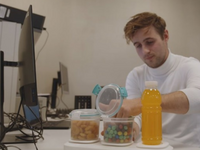
<strong>Background:</strong> Snacks contribute 19% to 34% of daily energy intake, yet studying snacking behaviors faces challenges due to self-report biases. The SnackBox, an automated dietary assessment tool, enables structured measurement of snacking in seminaturalistic settings. <strong>Objective:</strong> This study explored the relationships between snacking and perceived stress (case study 1) and physical activity (case study 2) using the SnackBox technology. <strong>Methods:</strong> Forty-seven office workers (n=29, 61.7% female; mean age 28.8, SD 4.1 years) used the SnackBox at work and home for 2 weeks. The device recorded snack consumption (grams and time). Participants reported perceived stress via ecological momentary assessments and wore a Chill+ band and a Garmin wearable to track physical activity. <strong>Results:</strong> Across the study period, 1455 ecological momentary assessments, 2933 hours of wearable data, and 2199 snacking events were recorded. Participants consumed a daily average of 769 (SD 772) kcal from snacks. Stress did not significantly impact snacking likelihood (<i>χ</i><sup>2</sup><sub>1</sub>=0.2; <i>P</i>=.69). Snacking was more likely before vigorous physical activity (odds ratio 2.00; SE 0.39; <i>P</i><.001). <strong>Conclusions:</strong> The SnackBox demonstrated utility as a technology probe for exploring relationships between snacking and physiological and contextual factors. This approach enhances our understanding of snacking and supports personalized interventions and predictive models. <strong>Trial Registration:</strong> ISRCTN Registry ISRCTN45046481; https://www.isrctn.com/ISRCTN45046481
Type 1 Diabetes-Induced Kidney Disease Treated with Phase III Trial Drug
Those living with type 1 diabetes not only face the challenges of living with a chronic illness, but they also contend with the potential of developing secondary conditions, including kidney disease. Nearly a third of patients with type 1 diabetes develop kidney disease, resulting in diabetes as the leading cause of kidney disease worldwide. With such a broad impact, and few approved therapies, research into therapeutic strategies to help patients prevent or recover from diabetes-induced chronic kidney disease is much needed.
Research on type 2 diabetes suggests that inhibitors against the SGLT2 protein improve function and reduce damage to kidneys. Thought the mechanism behind this protective effect remains unclear, an SGLT2 inhibitor, dapagliflozin, has shown success in clinical trials led by Petter Bjornstad, MD, physician-scientist and executive director of the University of Washington Medicine Diabetes Institute.
Bjornstad & colleagues have developed their clinical trial to assess the effects of dapagliflozin in adolescents. Their new paper published in Science Translational Medicine shows the results of a section of their phase III data from the Adolescent Type 1 Diabetes Treatment With SGLT2i for hyperglycEMia & hyPerfilTration (ATTEMPT) trial.
The authors described this analysis of the broader trial as “a multimodal view of how the kidney of a person with T1D responds to SGLT2 inhibition.”
Data from 98 children aged 12 to 21, was analyzed to detail the effects of dapagliflozin in combination with insulin therapy on kidney function and physiology. Participants in both a placebo-control group and the treatment group were treated for 16 weeks, then underwent “sequential kidney biopsies, multiparametric kidney MRI, and plasma/urine proteomics,” though biopsies were only carried out in patients over 18 years of age.
Molecular profiles of the serialized biopsies showed a reversal of molecular hallmarks including transcriptional shifts using single-cell RNA seq, downregulation of glycolysis, gluconeogenesis, and oxidative stress markers, and reduced inflammatory gene expression.
“These molecular changes paralleled clinical improvements, including attenuation of hyperfiltration, improved glycemic control, and normalization of medullary oxygenation,” the authors wrote.
Analysis of proteomics in urine samples showed similar results. The tissue changes included decreased injury markers and increased numbers of protective proteins, suggesting that dapagliflozin has a reversing effect on diabetes-induced kidney damage.
“Cross-cohort comparison against healthy controls showed that over 55% of dapagliflozin-responsive genes shifted toward healthy control expression patterns,” indicated the authors.
Not only were kidney markers improved in treated patients, but these patients also showed overall improvement including improved blood sugar control and more normal kidney function.
“Because adjunctive SGLT2 inhibition is considered for people with T1D in the future, our results offer mechanistic reassurance that the drug engages kidney-protective pathways similar to those in type 2 diabetes,” they wrote.
In addition to determining the mechanistic impacts of dapagliflozin in kidney disease using a subset of data from a clinical trial, the authors point out that this work has a broader impact for other clinical trials with multiple data streams.
“Our study showcases the power of deep phenotyping in clinical trials to elucidate drug mechanisms in vivo,” they point out.
“Ultimately, combining rigorous clinical trials with translational science approaches will accelerate the development of therapies to reduce the burden of DKD in T1D,” concluded the authors.
The post Type 1 Diabetes-Induced Kidney Disease Treated with Phase III Trial Drug appeared first on Inside Precision Medicine.
Turning Solar Power Into Protein
According to projections from the United Nations, global food demand could increase by around 60 percent by 2050, while only about two percent additional agricultural land is expected to become available. Researchers at the Technical University of Munich (TUM) report that they are exploring new approaches to safeguard food security. A team at the TUM Campus Straubing has developed a process for producing crucial amino acids from carbon dioxide, hydrogen, and renewable energy.
Viktoria Lehmann, a doctoral candidate at TUM, describes one potential application for biotechnologically produced amino acids.
“A dairy cow needs far more than the grass growing in its pasture. High milk yields require supplemental protein, which is typically supplied through animal feed. These feeds are enriched with amino acids, the chemical building blocks of proteins,” she explains. “Across livestock production systems worldwide, millions of tons of amino acids are used as feed additives. However, their production consumes large amounts of land, water, and other resources. We wanted to find a more resource-efficient way to meet this protein demand.”
In a recently published study “Plug and Play – Enzymatic Amino Acid Production from Methanol and Carbon Dioxide” in Nature Communications, the team demonstrated its approach. The concept behind it: solar energy is converted into electricity using photovoltaic systems. This electricity is used to generate hydrogen, which, together with carbon dioxide, is converted into methanol—an alcohol widely used in industry as a chemical precursor. Specialized enzymes then convert the methanol step by step into amino acids. Which amino acid is produced depends on the specific enzymes used.
“Plants use sunlight to build biomass, but they are relatively inefficient at doing so. We are investigating an alternative pathway in which renewable energy is first converted into chemical energy carriers and then into valuable protein building blocks,” notes Volker Sieber, PhD, professor of chemistry of Biogenic Resources and Rector of the TUM Campus Straubing. “In the long term, this approach could help make more productive use of available land and enable a more sustainable production of amino acids.”
A modular platform technology
In 2023, the researchers demonstrated the production of the amino acid L-alanine from green methanol. Their latest work expands the approach to a total of seven amino acids. “Our modular plug-and-play concept can be compared to a construction kit,” says Vivian Willers, PhD, whose doctoral research laid the foundation for the study. “What started with a single amino acid is increasingly evolving into a platform technology for producing protein building blocks from renewable energy.”
The team successfully produced the amino acids glycine, serine, L-aspartic acid, L-valine, L-glutamic acid, and L-proline. In the future, this technology could help reduce dependence on protein-rich feed ingredients such as soy, which are not always produced sustainably. These amino acids are also key components of nutrient media used in cultured meat production. As a result, the researchers see applications extending well beyond conventional agriculture.
While the team was able to demonstrate the entire process chain—from carbon dioxide via methanol ultimately to amino acids—the current production volumes are still too low for commercial use. The researchers are working to further improve the performance of the enzymes involved.
“Our work is primarily a proof of technological feasibility,” points out Sieber. “We have shown that a broad range of biologically relevant amino acids can be produced from CO₂-based methanol. This opens up new possibilities for the sustainable production of protein building blocks.”
The post Turning Solar Power Into Protein appeared first on GEN – Genetic Engineering and Biotechnology News.
Designing an mHealth App for Stroke Rehabilitation in Indonesia: Mixed Methods Design Science Research Study
Background: Indonesia has the second-highest prevalence of stroke in Southeast Asia, with 4,918,487 people (1.7% of the population) living with this condition as of 2025. This is attributable to the living conditions in Indonesia, where limited health care workers and facilities are available to assist with stroke rehabilitation via mobile health (mHealth) interventions. Objective: This study designed an mHealth app to facilitate stroke rehabilitation in Indonesia. Methods: In this mixed methods study, interviews were conducted with 10 experts (doctors, therapists, and medical students) and 8 patients who have experienced a stroke to explore the need for stroke rehabilitation management apps. Using a design science research approach, we conducted 3 iterative design cycles, each comprising design, development, and evaluation, to construct an mHealth app for stroke rehabilitation. The first iteration produced a low-fidelity app prototype informed by intervention theory. The prototype, which comprised 13 features for patients and 12 for medical personnel, was evaluated through interviews with medical personnel. The second iteration produced a design for a high-fidelity app prototype based on feedback from the first iteration. The third iteration yielded an improved app based on feedback from the second iteration. Results: This study identified app features that support patient rehabilitation, including patient training programs with progress monitoring in functional, speech, and occupational therapy, along with consultations and home visits to connect rehabilitating patients with medical personnel. Other features of the app include onboarding, gamification, users’ authentication, user profile management, schedule reminders, activity targets, therapeutic progress reports, and educational materials and videos. The prototypes received a System Usability Scale score of 71.83 (“good”) and average scores of 2.32 (system usefulness), 2.39 (information quality), 2.42 (interface quality), and 2.35 (overall). Conclusions: This study provides guidance for health care facilities and regulators to improve the quality of rehabilitation services for patients with stroke in Indonesia.
<img src="https://jmir-production.s3.us-east-2.amazonaws.com/thumbs/708b1a22cb56eb2892c998e0f1e9294a" />
AI Software Among Commercially Insured Populations: Cross-Sectional Study of Patient and Plan Characteristics
We describe the adoption of AI software among commercially insured adults from 2018 to 2023 and find rapid growth but variable use across patients, plans, and regional characteristics, highlighting the need for research and policy to support equitable and beneficial adoption.
<img src="https://jmir-production.s3.us-east-2.amazonaws.com/thumbs/d5282b6e148a41891a9fed98c4e8566b" />
Medical Students’ Perceptions and Attitudes Toward English as a Medium of Instruction at the Faculty of Medicine and Pharmacy of Rabat: Cross-Sectional Study
Background: The global adoption of English-medium instruction (EMI) in higher education has introduced complex implementation challenges, the severity of which often depends on the resources available within specific educational contexts. Evidence remains limited in public medical schools in under-resourced, non-Anglophone countries, which serve a socioeconomically and educationally diverse student population. In such settings, the direct transfer of existing EMI integration models presents significant practical challenges. Objective: This exploratory, observational, monocentric study aimed to investigate medical students’ perceptions and attitudes toward EMI implementation at the Faculty of Medicine and Pharmacy of Rabat (FMPR) in Morocco and to evaluate their readiness for EMI adoption. Methods: A cross-sectional survey was administered to 102 second-cycle medical students at FMPR. The 23-item questionnaire included Likert-type scales and multiple-choice questions across 4 domains: demographic data, self-reported English language proficiency, language perceptions and attitudes, and EMI needs. Bivariate, univariate, and multivariate logistic regression analyses were conducted to determine the effects of the explanatory variables on EMI choice. Results: The sample comprised 65 female and 37 male participants. Most reported using English speaking and listening skills “often” on a daily basis, while writing skills were reported as being used “rarely.” Participants rated their general English proficiency and their academic listening and reading skills as “good.” Overall, 82.4% (84/102) of students were strongly in favor of implementing EMI at FMPR. Bivariate analysis showed significant positive associations between EMI choice and age (=.04), course year (<.001), interest in learning English (=.006), and the belief that English should be the language of higher education (=.02). Preference for EMI increased alongside course year, peaking at 96.4% (27/28) among students in the third and fourth years. Multivariate logistic regression confirmed that being in the fourth vs third course year (adjusted odds ratio 22.12, 95% CI 2.56‐190.84; =.005) and having an interest in learning English (adjusted odds ratio 5.12, 95% CI 1.05‐25.03; =.04) were significant positive predictors of EMI choice. Conclusions: Medical students at FMPR exhibit highly positive perceptions and attitudes toward the potential implementation of EMI, despite variations in their self-reported English readiness. These findings provide actionable insights for the successful integration of EMI that extend beyond the Moroccan context, offering a valuable framework for medical institutions in other under-resourced, low- and middle-income, non-Anglophone settings across the Global South.

Why Young People Fail to Report Harmful Online Experiences
Research shows that 80% of youth who experience negative online interactions never report them. Here’s what parents can do to help.
Most parents assume that if something bad happened to their child online, they’d hear about it. But new research suggests that may not be the case.
In a study of over 1,000 youth ages 9–15 with mental health or neurodevelopmental concerns, researchers from the Child Mind Institute found that one in four experienced a negative online interaction — including cyberbullying, sexual harassment, or doxxing — in the past year. Among those who experienced an incident, nearly 69% said it happened more than once. Yet only 20% reported it.
The problem isn’t that young people don’t care or don’t know something is wrong. There are real, identifiable barriers getting in the way.
Why youth stay silent
The study identified three major barriers preventing young people from reporting harmful online experiences:
- They don’t know how. Many find the reporting process confusing and don’t understand how to use the tools on the platforms they frequent.
- They’re unsure if their experience qualifies. Young people often struggle to determine whether the incident is serious enough to report. When intent and severity are unclear, many default to staying quiet.
- They’re worried about the consequences. Embarrassment, fear of retaliation or escalation, and worries about anonymity are commonly reported. These emotional barriers were especially pronounced in young participants with anxiety or mood challenges.
What parents and caregivers can do
The study found that family dynamics can play an important role in both a child’s likelihood of experiencing online harm and how they respond to it.
Inconsistent discipline and poor supervision were linked with higher rates of negative online encounters. On the other hand, youth from families with open and supportive communication were more comfortable seeking help when something went wrong online. And when given the choice, most preferred telling a trusted adult rather than using platform reporting tools.
Here’s what parents can do:
- Keep communication open. Don’t wait for something to go wrong. Create space for low-pressure conversations about both positive and negative online experiences.
- Make it safe to speak up. To be able to talk openly about their issues with you, youth need to believe that it won’t result in punishment, judgment, or loss of their devices.
- Help them know what counts. When researchers presented hypothetical scenarios, youth were clear about what should be reported. But with their own real experiences, they hesitated. Talk through real and imagined scenarios to help them build confidence recognizing situations in which they should speak up.
- Learn the tools together. Sit down together and get familiar with the blocking, privacy, and reporting features on the platforms they regularly use.
Creating safer digital spaces
The responsibility for online safety shouldn’t fall entirely on children or their families.
If we want young people to report unwanted experiences, the tools and systems around them need to be clearer, safer, and easier to use. Platforms need reporting tools designed with young users in mind. Policies and safety guidance should be written in clear, developmentally appropriate language. This way, children will have a better understanding of what kinds of experiences should be reported and what happens after a report is submitted.
Based on research published in JAACAP Open.
Read the full study
The post Why Young People Fail to Report Harmful Online Experiences appeared first on Child Mind Institute.
Gene Regulation Map Uncovers Heart Failure Targets
Scientists have created the most detailed map to date of single-cell gene regulation in heart failure. Published today in Science, the study integrates multiple layers of genomics data to identify new therapeutic targets for the world’s leading cause of death.
“Our goal is to use this atlas to discover targets that we can act on therapeutically,” said Neil C. Chi, MD, PhD, professor of medicine at UC San Diego School of Medicine. “Right now, one of the biggest limitations in cardiology is not the lack of tools, but the lack of targets. This kind of data changes that.”
While previous genetic studies have uncovered many genetic changes linked to heart failure, more than 85% of them were found in noncoding DNA regions, making it difficult to understand how they contribute to the condition and develop targeted therapeutics. Because of this, treatment options for heart failure remain limited.
“What makes this study unique is the ability to integrate multiple layers of genome regulation in the same cells,” said Bing Ren, PhD, professor emeritus of cellular and molecular medicine at UC San Diego School of Medicine and scientific director and CEO of the New York Genome Center. “These technologies allow us to look beyond which genes are active to understand how the genome is organized and controlled, revealing regulatory elements and interactions that were previously inaccessible.”
The researchers analyzed more than 750,000 individual heart cells from 36 participants with and without heart failure. Results revealed that heart failure is associated with major shifts in cell composition, with a reduction in the number of cardiomyocytes and an increase of fibroblasts and immune cells. In failing hearts, over 10,000 genes showed altered expression patterns and more than 50,000 DNA regions showed changes in chromatin states that altered the ability of proteins to interact with them.
Compared to other cell types, fibroblasts and cardiomyocytes showed the most extensive remodeling of their gene regulation networks. These cells also showed several distinct cell states as they progressed from healthy to diseased—in the case of fibroblasts, transforming into activated fibroblasts and myofibroblasts that contribute to scarring and fibrosis.
“These intermediate states are where the disease is actively unfolding,” said Chi. “If we can understand and target those transitions, we may be able to intervene earlier and more effectively.”
Integrating the single-cell atlas with genome-wide association data, the team showed that genetic changes are concentrated in specific regulatory regions active in certain cell types, particularly in cardiomyocytes. These findings suggest that targeting cardiomyocyte genes may be more effective than targeting genes found on other cell types when treating heart disease.
“This is a higher-order view of disease biology,” said Chi. “Instead of just asking which genes are turned on or off, we’re now understanding how their regulation is controlled across the genome—and that’s where most disease risk actually resides. By connecting genetic risk, gene regulation and cell-specific disease processes, this study provides a blueprint for precision therapies in heart failure. It opens the door to targeting the right mechanisms in the right cells at the right time.”
The post Gene Regulation Map Uncovers Heart Failure Targets appeared first on Inside Precision Medicine.