Shilpa Commissions Integrated ADC Drug Substance GMP Manufacturing Facility

India-based Shilpa Biologicals commissioned an antibody–drug conjugate (ADC) GMP manufacturing facility, purpose-built and designed to meet global regulatory approval standards including U.S. FDA, EMA, and other major health authority requirements. The facility is fully operational, with GMP qualification protocols now underway.

According to Sridevi Khambhampaty, CEO, Shilpa Biologicals, “The manufacturing of highly potent compounds has been a core pillar of Shilpa’s identity, and this ADC drug substance facility adds a new sophisticated dimension to the capabilities of the Shilpa group. We now offer global biotech and pharma partners a uniquely integrated ADC facility built with the knowledge of our existing high potency manufacturing excellence.”

“India has the scientific talent and now, with this facility, the infrastructure to be a serious and trusted partner in global ADC drug substance manufacturing,” said Vishnukant Bhutada, managing director, Shilpa Medicare. “We are ready to partner with the world’s leading oncology innovators.”

The post Shilpa Commissions Integrated ADC Drug Substance GMP Manufacturing Facility appeared first on GEN – Genetic Engineering and Biotechnology News.

APOE4-Linked Alzheimer’s Risk Lower Than Estimated in Japanese People

Research led by Niigata University suggests that the Alzheimer’s disease risk associated with carriage of the APOE4 gene variant is not as high in Japanese populations as earlier studies reported.

A study published in 1997 suggested that Japanese people who carried two APOE4 alleles had a more than 30-fold increased risk for developing Alzheimer’s disease compared with people with two copies of the more common APOE3 allele.

Writing in the journal Molecular Neurodegeneration, co-lead author Takeshi Ikeuchi, MD, PhD, a professor at Niigata University, and colleagues challenge this earlier statistic. Results from a new meta-analysis carried out by Ikeuchi and team suggest that Japanese APOE4 homozygotes are actually at approximately 12-15-fold increased risk of developing Alzheimer’s compared to those carrying two copies of APOE3.

APOE (apolipoprotein E) is a protein that transports lipids in the blood and brain and helps with neuronal repair after injury. The E4 variant increases Alzheimer’s risk because it alters the way lipids are processed and is associated with greater amyloid‑beta and tau accumulation, more neuroinflammation, and earlier onset of disease symptoms compared with other variants.

Depending on the population, the most common APOE gene variant is E3, which has an average global frequency of around 80%, followed by E4 at around 13% and then E2 at around 7%. While E4 is known to increase the risk for Alzheimer’s disease, E2 is protective in those who carry it with one copy linked to an approximate halving of Alzheimer’s risk and two copies can reduce risks by as much as 85% compared with having two copies of E3.

In European populations, about whom the most genetic information is available, carriage of two copies of the APOE4 allele is linked to an approximate 10-15-fold increase in Alzheimer’s risk. However, this is not the case in all populations. East Asian populations were previously thought to be at higher risk, linked to the earlier Japanese study and also higher estimates in Korean populations. But African or African American populations are thought to have a lower risk linked to being an APOE4 homozygote with an estimated 5-7 fold higher risk than a APOE3 homozygote.

For the current meta-analysis, Ikeuchi and colleagues included 21 Japanese case–control studies that spanned from the early 1990s to the 2010s and reported APOE genotypes in Alzheimer’s patients and controls.

They found that being an APOE4 homozygote substantially increased Alzheimer’s risk in Japanese people, but less than previously thought. Pooled risk increases for E4/E4 vs E3/E3 were 15.5 for early‑onset, 12.5 for late‑onset, and 13.5 for all Alzheimer’s disease, indicating about a 12–15‑fold risk increase for people carrying two copies of APOE4 overall.

Earlier meta-analyses had reported risk increases of 21.8–33.1, so this study revises the Japanese E4 homozygote effect downward to a figure similar to that seen in European populations.

“Accurate risk estimates are essential for both research and clinical practice,” said Ikeuchi in a press statement. “As the field moves toward earlier diagnosis and prevention of Alzheimer’s disease, reliable genetic risk information will become increasingly important.”

The post <i>APOE4</i>-Linked Alzheimer’s Risk Lower Than Estimated in Japanese People appeared first on Inside Precision Medicine.

The Download: metric weaknesses and AI elephant warnings

This is today’s edition of The Download, our weekday newsletter that provides a daily dose of what’s going on in the world of technology.

The inevitable weakness of metrics

There are plenty of useful things a metric can reveal. There are even more that it can obscure or corrupt.

Like a lot of people bitten by the self-quantifying bug, I started gathering personal data to pursue a nebulous collection of goals and desires. I wanted to feel better physically and emotionally, get outside more, and bring order to the messiness and uncertainty of my daily existence.

But external metrics and data can never capture what’s truly important. Worse, they inevitably redefine your core sense of what’s important, whether you’re aware of the trap or not.

Dive into the dangers of quantifying our lives with metrics.

—Bryan Gardiner

This story is from the next edition of our magazine, which is all about engineering. Subscribe now to get a copy when it lands!

Elephant alert! AI warning systems aim to avoid deadly clashes

India is home to about 60% of the world’s wild Asian elephants, and around 80% of their habitat lies outside protected areas. That brings them into close contact with people, and clashes can turn lethal: there have been some 3,000 human casualties in the last five years and over 1,000 elephant deaths since 2014.

In response, state forest departments, NGOs, and locals are designing, testing, and deploying a range of AI systems that cut response and warning times to minutes—or even seconds. They range from wildlife eyes in Maharashtra to infrared drones in Chhattisgarh.

Find out how they work in our interactive map.

—Kanika Gupta

The must-reads

I’ve combed the internet to find you today’s most fun/important/scary/fascinating stories about technology.

1 The US has allowed Anthropic to release Mythos 5 to “trusted” orgs
About 100 US companies and federal agencies now have access. (Semafor)
+ The White House said appropriate safeguards were now in place. (WSJ $)
+ The US had restricted both models over national security concerns. (BBC)
+ Which raised new questions about AI safety. (MIT Technology Review
 
2 A Chinese AI model has matched Mythos in finding security bugs
Security researchers say Zhipu AI is poised to reset the AI race. (WSJ $)
+ It’s sparked alarm that US restrictions are boosting China’s progress. (NYT $)
+ Although it still can’t match Anthropic or OpenAI on general tasks. (Verge)
+ In the AI race, China is eyeing a come-from-behind victory. (WP $)
 
3 Apple is seeking approval to buy chips from a blacklisted Chinese firm
It’s lobbying the White House for clearance to buy from ChangXin. (FT $)
+ ChangXin is on a Pentagon list of firms with Chinese military ties. (WP $)
+ Chipmakers are profiting off AI at the expense of everyone else. (WSJ $)
+ The US is banning imports of more Chinese technology. (Reuters $)
+ But Chinese tech companies feel optimistic. (MIT Technology Review)
 
4. South Korea plans to train its entire military as “drone warriors”
It wants to train all 500,000 personnel. (Reuters $)
+ And produce 110,000 drones by 2029. (Ars Technica)
 
5 Google has limited Meta’s use of its Gemini AI models
Meta wanted more compute than Google could provide. (FT $)
+ The cap has disrupted and delayed some Meta AI projects. (Bloomberg $)

6 Zuckerberg wants Meta to work with Polymarket and Kalshi
Meta wants its own prediction market, but without real-money bets. (NYT $)
+ The partnerships could hedge risks and accelerate development. (Reuters $)
 
7 Extreme heat is putting already hot data centers under pressure
Severe weather is now the leading cause of loss for data centers. (CNBC)
+ Heat waves also mess with your brain. (MIT Technology Review)

8 Android phones alerted millions moments before Venezuela’s earthquakes
They gave users between seconds and up to two minutes’ notice. (NYT $)

9 Scientists think Uranus and Neptune may not be the icy giants we imagined
They may have a magma ocean brewing on the inside. (Gizmodo)

10 Too much sleep may be as harmful as too little
A new study suggests 6.4–7.8 hours is the sweet spot. (Economist $)

Quote of the day

“This kind of powerful weapon that can alter the landscape of cyberwarfare can’t remain solely in American hands.” 

—360 Security CEO Zhou Hongyi tells a cybersecurity conference in Beijing why Chinese AI firms need to match the capabilities of their rivals in the US, The Wall Street Journal reports.

One More Thing

teenage girls on their phones

GETTY


Why Generation Z falls for online misinformation

Research shows that young people are more likely to believe and pass on misinformation if they feel a sense of common identity with the person who shared it in the first place. 

Offline, teenagers are likely to draw on the context that their communities provide. Social media, however, promotes credibility based on identity rather than community. And when trust is built on identity, authority shifts to influencers.

As young people participate in more political discussions online, those who have successfully cultivated identity-based credibility could become de facto community leaders, attracting like-minded people and steering the conversation. While that has the potential to empower marginalized groups, it also exacerbates the threat of misinformation.

Find out what we can all learn about how young people evaluate truth online.

—Jennifer Neda John

We can still have nice things

A place for comfort, fun, and distraction to brighten up your day. (Got any ideas? Drop me a line.)

+ The Euclid space telescope has captured the most detailed image yet of the Milky Way.
+ Here’s a lovely, lilting medieval bardcore cover of Daft Punk’s electronic classic Veridis Quo.
+ A toilet plunger becomes an unlikely engineering breakthrough in this quest to build a better blowgun.

Opinion: STAT+: The U.S.-China biotech crackdown may hurt the scientists America needs the most

I spent nearly two decades covering the biotech and pharma sector, first in Washington, D.C., and then in Beijing. My first story, published in 2007, covered the U.S. Food and Drug Administration’s decision to open its inaugural overseas office in China, a fast-emerging market I later covered for 12 years.

In that time, I saw a lot of discussion about what the growth of China’s biotech sector would mean for the U.S. Never have I been more concerned about that discourse than I am now.

In recent years, China has become a biotech innovator, accounting for 34% of roughly 14,088 new drugs in global clinical development, leading the United States’ 27%. China is now contributing to 40% of new drugs entering clinical stage each year, according to data provider Pharmcube. The company also noted that China’s out-licensing deals rose nearly tenfold from 2021 to 2025, to an record $137.7 billion. Amid all of this are concerns about stolen intellectual property and the China government’s state-run companies.

Continue to STAT+ to read the full story…

STAT+: Sword Health contracted to provide AI-supported physical therapy for an entire country

Can artificial intelligence-powered care solve medical problems at national scale? A modest-sized European country is about to find out.

Portugal’s National Health Service this month inked a deal with digital health company Sword to make its physical therapy care available to the country’s entire population of 10 million people. After receiving a referral from a doctor, patients will receive unlimited access to Sword’s virtual therapy, which leans heavily on artificial intelligence to help guide and supervise care.

Founded a decade ago in Portugal, Sword Health has become one of the most prominent digital health companies offering chronic condition care in the United States. The new deal comes amid growing debate about how the government should support and pay for AI-based care stateside.

Continue to STAT+ to read the full story…

A Two-Part Intervention to Target Cardiovascular Health

Conditions: Autism; Adverse Childhood Experience; Stress; Cardiovascular (CV) Risk

Interventions: Behavioral: Lifestyle Medicine; Behavioral: Cognitive Behavioral Therapy (CBT); Behavioral: Lifestyle Medicine with CBT Group

Sponsors: University of California, Los Angeles; Health Resources and Services Administration (HRSA)

Not yet recruiting

Insilico, SK Launch Up-to-$2.5B Neuroimmune AI Drug Collaboration

Insilico Medicine will partner with SK Biopharmaceuticals to discover new artificial intelligence (AI)-based drug candidates for disorders affecting the neuroimmune area of the central nervous system (CNS), through a collaboration that could generate up to $2.5 billion for the AI-based drug developer.

Insilico agreed to apply its Pharma.AI platform, which addresses target validation, generative chemistry, and molecule optimization, along with its preclinical drug discovery expertise, to discover, design, and optimize candidates for neuroimmune indications against targets that will originate with SK.

SK will contribute its development and clinical capabilities in neuroimmune disorders, steering the late-stage development and commercialization of all resulting programs.

“Some of the collaborations we do are very focused on target discovery, but here it’s more focused on the delivery of the real drug,” Alex Zhavoronkov, PhD, Insilico’s founder, co-CEO, and chief business officer, told GEN in an interview at his company’s exhibition-hall booth during the Biotechnology Innovation Organization (BIO) International Convention, held recently in San Diego.

“Basically, we are being brought in to develop a drug, to discover and take it to a certain point, after which the partner takes it over. And they usually have a lot of choices to do it with other partners,” Zhavoronkov explained. “But they trust AI. They like AI. They like the way we design drugs and like our speed and efficiency.”

Headquartered in Seongnam, South Korea, SK Biopharmaceuticals is a global biotech focused on the research, development, and commercialization of new therapies for CNS disorders and beyond, including radiopharmaceutical and targeted protein degradation therapies. In 2020, SK became the first Korean pharma to independently develop and commercialize a novel drug in the United States, the epilepsy treatment Xcopri® (cenobamate), after it won FDA approval a year earlier.

Beyond epilepsy

“This collaboration represents an important milestone in expanding our growth beyond epilepsy into new CNS therapeutic areas, building on the deep CNS expertise we have established through the successful development and commercialization of cenobamate,” Donghoon Lee, SK Biopharmaceuticals’ president and CEO, said in a statement. “By combining Insilico’s AI-powered drug discovery platform with SK Biopharmaceuticals’ clinical development and U.S. commercialization capabilities, we believe we can accelerate the discovery of innovative CNS therapies for patients.”

“Beyond a single program, we see this collaboration as a scalable and repeatable growth platform that can be leveraged for future target discovery and development opportunities,” Lee added.

SK Biopharmaceuticals is part of the SK Group, South Korea’s second-largest family-owned chaebol or conglomerate, after Samsung Group, and a chaebol whose holdings include the vaccine developer SK Bioscience, the contract development and manufacturing organization (CDMO) SK Pharmteco, and SK Hynix, a supplier of high bandwidth memory (HBM) chips that power the AI processors of Nvidia and AMD. SK Hynix and a sister chaebol company, SK Telecom, are investors in Rebellions, a Korean dedicated fabless design company specializing in manufacturing AI neural processing units optimized for data centers and large language models.

Insilico’s AI-based drug development background complemented SK’s focus on leveraging AI and digital technologies across drug discovery, development, and treatment, SK Biopharmaceuticals concluded.

“Very difficult space”

“After you have done this,” Zhavoronkov said, pointing to a graphic showing Insilico’s AI-based pipeline, “people know that we can do this. The question is, can we do it in neuroimmunology? That is a very difficult space, one of the most difficult disease areas to tackle, given the need to develop molecules with properties that include high levels of safety and brain penetration.”

Insilico’s pipeline includes one candidate designed to treat CNS disorders—ISM8969, a Phase I oral brain penetrant NLRP3 inhibitor, which the company is co-developing with Hygtia Therapeutics under an exclusive global license and co-development collaboration. Both companies hold 50% worldwide rights to ISM8969, with Insilico eligible to receive up to $66 million in upfront and milestone payments from Hygtia, an incubatee of Shenzhen Pengfu Fund of Fosun Health Capital and Fosun Pharma.

Insilico is leading initial clinical development of ISM8969, from IND submission through execution of the Phase I trial (NCT07581431) for the drug’s initial indication of Parkinson’s disease. Hygtia will lead subsequent global clinical studies, regulatory submissions, and commercialization activities.

Discovered using the company’s generative AI platform Chemistry42, ISM8969 has shown strong efficacy, favorable safety, and robust blood-brain barrier (BBB) penetration, leading to marked anti-inflammatory activity in preclinical studies, according to Insilico.

Unlike other drug developers that concentrate on a few therapeutic areas, Insilico maintains a pipeline of 40+ programs across a wide variety of indications, including idiopathic pulmonary fibrosis (IPF), cancer, obesity and metabolic diseases, pain, and inflammatory diseases, including inflammatory bowel disease.

Longevity focus

“We focus on aging. That’s what we care about,” Zhavoronkov declared. “Most of the programs that we like to work on are focused on longevity.”

Furthest along in clinical studies is rentosertib (formerly called ISM001-055), a small molecule designed to treat idiopathic pulmonary fibrosis (IPF) by targeting Traf2- and NCK-interacting kinase (TNIK), a serine/threonine kinase whose activation plays a crucial role in cellular processes that include signal transduction pathways essential for fibrosis development.

Rentosertib has completed a 12-week Phase IIa trial (NCT05938920) conducted across 22 sites in China, with results published in Nature Medicine, and is in a separate Phase II trial in the United States. In the Chinese trial, rentosertib met its primary endpoint of safety and tolerability across all dose levels, and showed positive results for the secondary efficacy endpoint, wherein a dose-dependent forced vital capacity (FVC) improvement was seen.

“We’re preparing for the next step. When that gets announced, it’s going to be a big deal. Hopefully sooner than later. Like, much sooner than much later,” Zhavoronkov said.

As in later this year?

“It’s in the second half, but maybe closer to the earlier second half,” he replied.

The U.S. trial has not progressed as quickly as the Chinese trial. “We have not seen a trial slower than that in our history. Enrollment is just extremely slow because our criteria for enrollment are very high. Also, there are not that many [IPF] patients compared with China, where it was just much faster,” Zhavoronkov said.

Given the slow speed of the U.S. trial, he said, it would be more worthwhile to just start a Phase IIb or Phase III following more data from China. “It’s a game of chess, so to speak. You need to time it [an additional trial], and you need to properly adjust to the realities of enrollment.”

In April, Insilico received investigational new drug (IND) clearance from China’s Center for Drug Evaluation (CDE) to begin a Phase I study of inhalable rentosertib in IPF—the company’s 13th pipeline program to receive IND clearance. The study will evaluate the safety, tolerability, and pharmacokinetic (PK) profiles of rentosertib inhalation solution—first through a randomized, double-blind, placebo-controlled trial in healthy participants involving single and multiple ascending dose cohorts; then through a non-randomized, open-label evaluation in IPF patients who will receive multiple doses. Approximately 80 people are expected to be enrolled.

“Most promising”

“IPF is the most promising disease for longevity therapeutic testing because the patients are old. And even normal people up to 65, they start losing force valve capacity quite a bit, like the amount of air you can breathe out of your lungs. And it’s like 30, 40 milliliters a year. IPF patients can lose up to 400 milliliters,” Zhavoronkov said. “That’s the critical measure of lung function, and that’s what we measure in the study.”

Insilico researchers chronicled the drug’s discovery and early development in Nature Biotechnology in March 2024, detailing a novel target discovered by Insilico’s target identification engine, PandaOmics, and a novel molecular structure designed by its generative chemistry engine, Chemistry42. Both are specific-function platforms within the company’s AI platform, Pharma.AI.

“We are making massive progress on the AI side,” Zhavornkov said.

Massive enough that users should expect to see either tweaks in the platform or new platforms? “100%, you’re going to see a complete rewall,” he replied, as in a secure, self-contained AI environment or “walled garden” pursued by AI developers during commercial inflection points.

“We have so many new next-generation tools right now that it’s actually very difficult to productize them. Because at the lab level and at the platform level, we see superintelligence already. I’m talking about, we can probably go from prompt to drug in some areas: You basically prompt it, and you could make it and potentially take it,” Zhavoronkov explained. “I think we’re there. It’s just, fortunately, you have to do all the nitty-gritty testing and then clinical studies.”

Insilico’s other Phase II program is ISM5411, a gut-restricted molecule designed to treat inflammatory bowel disease (IBD) by taking aim at another anti-aging target, PHD 1/2. Unlike with rentosertib, clinical studies for the PHD1/2 inhibitor have found it easier to recruit patients in the United States than in China, where fewer patients are diagnosed with the disease.

The program, formerly called ISM012-042, was shown in preclinical studies to restore intestinal barrier function and alleviate gut inflammation in multiple experimental colitis models, while exhibiting favorable safety and pharmacokinetic profiles, according to a 2024 study published in Nature Biotechnology. The program is one of two that target PHD 1/2; the other is a small molecule designed to treat anemia of chronic kidney disease, for which Greater China rights have been outlicensed to TaiGen.

Longevity-linked targets

PHD 1/2, TNIK, and NLRP3 are three of numerous longevity-linked targets for the drug candidates within Insilico’s growing pipeline. Among the others that are targets of candidates in the clinic or IND-cleared:

  • ENPP1 (ectonucleotide phosphodiesterase 1), a target of a program designed to treat anti-PD-1/-L1 resistant cancers, and has won IND clearance.
  • KAT6 (lysine acetyltransferase 6 ) and KIF18A (kinesin family member 18A), targets of MEN2312 and MEN2501, respectively, are both Phase I cancer-fighting candidates outlicensed to Menarini Group through collaborations launched in 2024 and 2025.
  • MAT2A (methionine adenosyltransferase 2α), a target of a Phase I small molecule candidate designed to treat MTAP -/- (methylthioadenosine phosphorylase deficient) cancer.
  • QPCTL (glutaminyl-peptide cyclotransferase-like protein), a target of a first-in-class Phase I oral small molecule cancer immunotherapy for cold tumors being co-developed in partnership with Fosun.
  • TEAD (transcriptional enhanced associate domain), a target of ISM6631, a Phase I “pan-TEAD” (TEAD 1/2/3/4) inhibitor designed to treat mesothelioma and solid tumors that include epithelioid hemangioendothelioma (EHE), meningioma, glioblastoma, liposarcoma, and pancreatic cancers.
  • USP1 (ubiquitin-specific protease 1), a target of a Phase I BRCA-mutated cancer drug outlicensed to Exelixis under a 2023 collaboration.

“Our differentiation from everybody else is novelty—novelty of the target,” Zhavoronkov said. “Nobody I know in our industry has such a large number of absolutely novel targets that have never been in the clinic before or that are novel for indication. But with novelty comes a great risk. And pharma doesn’t want to take that risk up until a certain point.”

“Very often, you need to spend a long time in the process of discovery and then development in order to license a drug,” he added. “Once you license a drug, usually in Insilico’s case, some of the pharma companies actually like to get some access to AI technologies, and then it would be structured as a licensing class collaboration.”

Second multi-billion-dollar collaboration

SK Biopharmaceuticals is the second multi-billion-dollar collaboration announced by Insilico this year. The first was an up-to-$2.75 billion discovery and development partnership with Eli Lilly, to which Insilico granted an exclusive global license to develop, manufacture, and commercialize what the companies described in an announcement only as “potentially best-in-class, novel oral therapeutics in preclinical development for certain indications,” without detailing the therapeutic areas where the companies plan to partner.

“Those are early preclinical drugs that have incredible properties. I like to use the term maximally multi-parameter optimized molecule or MMOMs,” Zhavoronkov said.

Lilly agreed to pay Insilico $115 million upfront, as well as development, regulatory, and commercial milestones plus tiered royalties on future sales. The deal continued and expanded a relationship that began late in 2023, when Lilly inked a licensing agreement allowing it to access Insilico’s Pharma.AI software suite.

The Lilly collaboration will allow Insilico and Zhavoronkov to work with Jiye Shi, PhD, the pharma giant’s senior vice president of discovery technology & platforms and early molecule discovery, who has specialized in research on integrating machine learning and AI into the pharmaceutical pipeline. Previously at UCB, he led a computational biology team that used machine learning and computational design to create bimekizumab, a humanized interleukin-17A and F antagonist hailed as one of the first, if not the first, AI-based dual-targeting monoclonal antibodies to reach the market, where it is sold as Bimzelx® (bimekizumab-bkzx).

In February, Shi and Zhavoronkov co-authored a paper outlining a vision for a “prompt-to-drug” pipeline, where AI not only generates novel hypotheses and designs optimized drug candidates but also orchestrates synthesis, validation, and clinical planning in a closed-loop system.

“The realization of a true ‘prompt-to-drug’ pipeline, in which a natural language request initiates a fully autonomous drug development program, is no longer a distant aspiration. With the development of modular AI platforms, humanoid-in-the-loop robotics, and multi-agent systems, the foundational components for this vision are already operational,” wrote Shi, Zhavoronkov, and co-author David Gennert, PhD, a medical writer who at the time was Insilico’s senior scientific writer and editor.

Insilico’s collaboration with SK, Zhavoronkov said, reflects how AI “has transformed from being a fairy tale or a promise, to being a real tool that is used routinely to discover and develop drugs.”

“This is basically production level,” he added. “We’re not trying to do a pilot here.”

The post Insilico, SK Launch Up-to-$2.5B Neuroimmune AI Drug Collaboration appeared first on GEN – Genetic Engineering and Biotechnology News.


Genome Editing at the Turning Point—Bringing CRISPR to Clinical Reality


Image of Laura Sepp-Lorenzino, PhD

Laura Sepp-Lorenzino, PhD

Former CSO
Intellia Therapeutics

Panelist

Image of Laura Sepp-Lorenzino, PhD

Laura Sepp-Lorenzino, PhD

Laura Sepp-Lorenzino, PhD, is scientific advisor and former chief scientific officer at Intellia Therapeutics, a clinical-stage genome editing company developing potential curative CRISPR-based medicines. Previously, she was vice president and head of Nucleic Acid Therapies at Vertex Pharmaceuticals and part of External Innovation. She also held roles at Alnylam Pharmaceuticals and Merck & Co. In addition, she currently serves as the director of the American Society of Gene and Cell Therapy (ASGCT).


Image of Shengdar Tsai, PhD

Shengdar Tsai, PhD

Associate Member,
Department of Hematology
St. Jude Children’s Research Hospital

Panelist

Image of Shengdar Tsai, PhD

Shengdar Tsai, PhD

Shengdar Tsai, PhD, is an associate member in the Department of Hematology at St. Jude Children’s Research Hospital. His lab’s research focuses on developing genome editing technologies for therapeutics, with a special interest in editing human HSCs for treatment of hemoglobinopathies such as sickle cell disease and T cells for cancer immunotherapy. In 2020, he was chosen as one of the American Society for Gene and Cell Therapy (ASGCT) Outstanding New Investigators.


Broadcast Date: 

  • Time: 

Complex biologics such as bifunctional antibodies are opening new therapeutic possibilities in oncology, but these molecules present CRISPR is now a household term. Stories of genome editing therapies like Casgevy and Baby KJ have been headlines in our inboxes for years. Despite those cases, and the optimism they bring, genome editing has had significant challenges moving into the clinic.

This GEN Live show will bring together a panel of leading experts to break down the latest advances, innovations, and challenges shaping genome editing. The discussion will cover a lot of bases: CRISPR breakthroughs, emerging gene editing platforms, clinical trial milestones, regulatory shifts, access, off-target effects and safety considerations, and the growing role of large-scale population genomics in guiding precision therapies. Please join us to learn more and—because we plan to take questions from the audience—please bring your questions for our panelists, too!

Produced with support from:

seqWell logo

The post Genome Editing at the Turning Point—Bringing CRISPR to Clinical Reality appeared first on GEN – Genetic Engineering and Biotechnology News.

Rhythm-Based Video Games: Exploring the Cognitive and Learning Potential


By Florencia Assaneo, PhD, Research Fellow, Stavros Niarchos Foundation (SNF) Global Center for Child and Adolescent Mental Health at the Child Mind Institute


Educational challenges for Latin American children

Primary education in Latin America has faced a steady decline over recent decades, contributing to what many organizations now describe as an educational crisis. International institutions such as the Economic Commission for Latin America and the Caribbean (ECLAC), the United Nations Educational, Scientific and Cultural Organization (UNESCO), as well as the World Bank Group have all called for urgent action to address worsening learning outcomes across the region. The situation is particularly concerning in Mexico. Results from the 2022 Programme for International Student Assessment showed that Mexico scored well below the Organization for Economic Co-operation and Development (OECD) average in reading, mathematics, and science — placing the country among the lower-performing educational systems evaluated globally.

The consequences of this crisis extend far beyond the classroom. Educational difficulties during childhood are closely linked to long-term social and mental health outcomes. Research has shown that additional years of basic education are associated with lower rates of depression and anxiety (Kondirolli & Sunder, 2022), as well as higher levels of resilience and perceived control over one’s life (Niemeyer et al. 2019). In this sense, poor academic performance in primary school can have lasting effects that continue into adulthood, limiting employment opportunities, increasing vulnerability, and negatively affecting overall well-being.

Can rhythm-based video games improve learning?

Open-access interventions that strengthen children’s cognitive and academic abilities could have enormous value in low- and middle-income countries, where educational resources are often limited. Our work explores whether the ability to coordinate movements with rhythmic sounds — such as clapping, tapping, or dancing to music — can be leveraged to support children’s learning and cognitive development through engaging digital tools.

Over the last decade, multiple studies have shown that children who are better at synchronizing their movements to rhythm also tend to perform better on a wide range of cognitive and language-related tasks. These include reading, phonological awareness, processing speed, rapid naming, and other foundational abilities linked to academic success. Researchers have assessed these rhythmic coordination skills in multiple ways, from walking to the beat of music to tapping along with a steady rhythm or coordinating movements while playing musical instruments. Across these different approaches, one result consistently emerges: children who are better at aligning movement with sound also tend to show stronger cognitive performance.

Building on these study findings, my current fellowship project, supported by the Stavros Niarchos Foundation (SNF) Global Center for Child and Adolescent Mental Health at the Child Mind Institute, seeks to better understand how these rhythm synchronization abilities develop during childhood and whether they could eventually be strengthened through interactive digital interventions. Specifically, we are studying the developmental stage at which these abilities become established in children, and whether individuals with stronger rhythmic coordination also show advantages in attention and language-related skills. Understanding when these abilities emerge is particularly important because it may help identify the developmental window during which they are most malleable and therefore most responsive to training or intervention.

Public school “Américas Unidas” in Querétaro, Mexico.
From left to right: Rebeca Hernández Soto, associated researcher at the lab; M. Florencia Assaneo; principal of the public primary school; and Moramay Ramos Flores, a PhD student working on the project. At the public school “Américas Unidas” in Querétaro, Mexico. 

In parallel, we are using functional magnetic resonance imaging (fMRI) — a non-invasive brain imaging technique that allows us to observe which brain regions become active during different tasks — to explore the relationship between rhythmic synchronization and the brain’s reward system. Importantly, these same reward-related regions are also strongly engaged during video game play. If the pathways within this reward system are similarly activated during rhythmic coordination, this could mean that children who initially struggle to synchronize movements with sound may be able to strengthen these abilities through a carefully designed video game experience. One possible future application could involve an open-access mobile game in which children synchronize taps or hand movements to musical rhythms while progressing through increasingly challenging levels and unlocking rewards or visual customizations.

Overall, the current project seeks to generate the scientific evidence necessary to determine whether rhythm-based digital interventions could become a viable tool for supporting children’s cognitive development. This work has the potential to contribute to the future development of accessible and scalable tools that can strengthen foundational cognitive skills linked to academic performance in children. These tools can be applied to children in Mexico and, more broadly, across low- and middle-income countries (LMICs), expanding access to education resources and interventions.

The power of collaboration between the SNF Global Center and UNAM

Our laboratory at Universidad Nacional Autónoma de México (UNAM) is primarily dedicated to basic neuroscience research. Based at UNAM’s campus in Querétaro, our team brings together researchers and students from different disciplines — including neuroscience, psychology, physics, engineering, and data analysis — united by a shared interest in understanding how rhythm and brain dynamics shape human cognition and behavior. Here, we have access to excellent infrastructure for fundamental research, including neuroimaging facilities and high-performance computational resources. However, translating basic scientific discoveries into interventions capable of improving people’s daily lives is often much more challenging and requires strong cross-sector collaboration.

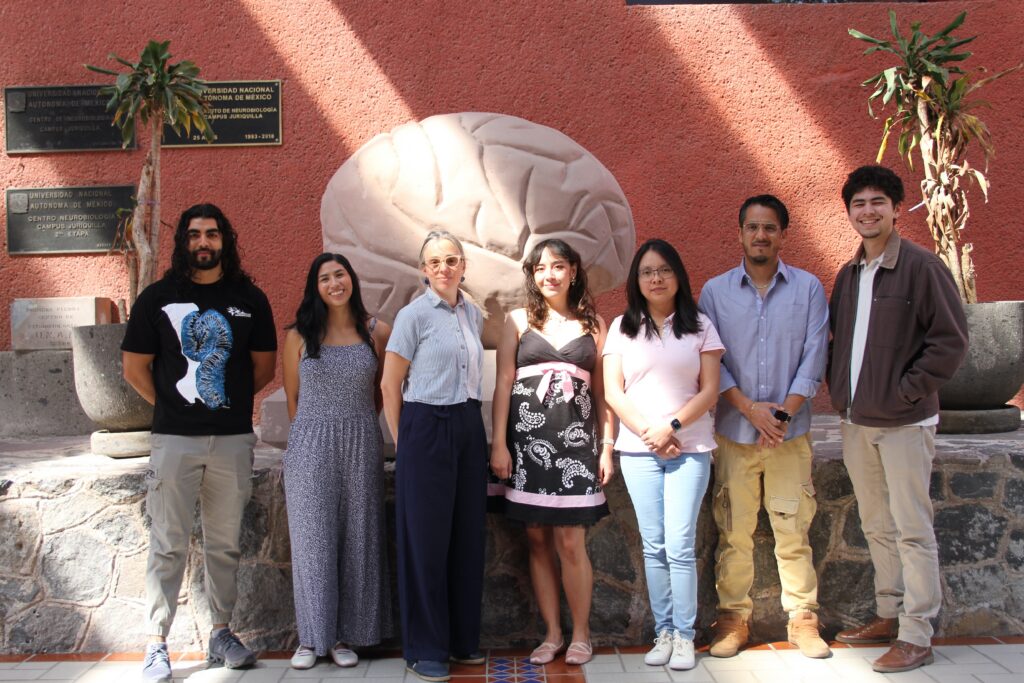
Members of the research team at the laboratory facilities on UNAM’s Querétaro campus.  

The work I’m conducting as part of the SNF Global Center Research Fellowship has encouraged us to begin thinking beyond the laboratory. This current fellowship has given us the opportunity to test the core scientific assumptions behind our proposed open-access intervention. If the pilot project proves successful, the next stages of the work will become considerably more ambitious, involving both the technological development of the intervention and its large-scale implementation and evaluation in school settings. Advancing toward those goals will likely require the support of larger international organizations and cross-sector collaborations. In this context, the opportunities provided by the SNF Global Center at the Child Mind Institute to share, disseminate, and give visibility to our work are extremely valuable, helping create the connections and momentum necessary to move from foundational research toward real-world impact.

More broadly, this kind of collaboration highlights the importance of building bridges between global institutions and local research communities. By combining international support with local expertise and close engagement with schools and communities, it becomes possible to develop solutions that are both scientifically rigorous and genuinely connected to the realities of the populations they aim to serve.

Learn more about the Research Fellowship

The post Rhythm-Based Video Games: Exploring the Cognitive and Learning Potential appeared first on Child Mind Institute.

The Download: brain-melting heatwaves and unprecedented OpenAI restrictions

This is today’s edition of The Download, our weekday newsletter that provides a daily dose of what’s going on in the world of technology.

Heat waves mess with your brain. Scientists are trying to figure out why.

—Jessica Hamzelou

It’s been hot in London this week. Really hot. A dangerous heat wave has hit Western Europe. On Wednesday, the UK recorded its highest ever June temperature at 36.1 °C (about 97 °F). But as the weather app on my phone confirmed, it felt like 39 °C.

Much of Western Europe is suffering, bringing awful consequences for agriculture, infrastructure, and the health system. But heat can also affect the brain.

Studies have confirmed that as temperatures rise, people seem to get more irritable and more violent. And they have shown that firefighters find it harder to focus immediately after heat exposure. Rising temperatures can also have particularly disastrous outcomes for children and people with mental health disorders.

Research on lab animals suggests that excessive heat can alter the function of chemical signals in our brains. But we still need a better understanding of the mechanisms behind these effects.

Here’s what scientists are learning about extreme heat’s impact on the brain.

This story is from The Checkup, our weekly biotech newsletter. Sign up to receive it in your inbox every Thursday.

For more on Europe’s heat wave, read our stories on why soaring temperatures are shutting down power plants and what they mean for the grid.

The must-reads

I’ve combed the internet to find you today’s most fun/important/scary/fascinating stories about technology.

1 The Trump administration has asked OpenAI to limit its next model release
It wants to vet the first GPT 5.6 users before a wider launch. (Bloomberg $)
+ OpenAI said each of the initial partners will be government-approved. (FT $)
+ It’s the first US firm to be told to restrict an AI model before release. (Axios)
+ Anthropic is also still feuding with Washington. (MIT Technology Review)

2 Apple and Xbox have hiked prices, blaming AI-driven chip costs
Some MacBooks, iPads, and Xboxes are going up in price by over 20%. (BBC)
+ Apple’s shares plummeted after the announcement. (NBC)
+ AI data center demand has pushed up memory and storage prices. (WSJ $)
+ The shortages have been dubbed “RAMaggedon.” (The Verge)
 
3 Colossal and the US are building an endangered species “biovault”
It aims to cryptopreserve over 2,300 plant and animal samples. (Wired $)
+ It comes amid growing threats to endangered species protections. (NYT $)
+ Colossal is also growing chickens in artificial eggshells. (MIT Technology Review)
 
4 The US has banned Polestar from selling its EVs due to anti-China rules
The Sweden-based company is majority-owned by China’s Geely. (CNN)
+ The ban is because its connected-vehicle tech is linked to China. (Reuters $)
+ What happened to China’s overseas EV factory boom? (Rest of World)
 
5 China is betting on humanoids to beat its demographic decline
It wants the robots to narrow the labour gap. (FT $)
+ Gig workers are training humanoids at home. (MIT Technology Review)
 
6 The “fingerprints” of a black hole’s event horizon have been detected
The discovery was made by studying ripples in space-time. (AFP)
 
7 OpenAI is now expected to delay its IPO until next year
It’s been spooked by choppy global markets and SpaceX’s slump. (NYT $)
 
8 Data centers have moved to the forefront of environmental lawsuits 
The litigation is linked to energy sources, water consumption, and air pollution. (Guardian)

9 A master gene that turns on human development has been uncovered
It results in cells forming a human body. (New Scientist $)

10 Grok’s most popular feature? Smut
It accounts for “well over half” of the chatbot’s traffic. (The Information $)

Quote of the day

“The most advanced AI is built by a handful of American companies, on American soil, under American law, and what the rest of us are permitted to do with it can change on a Friday afternoon.”

—Nathan Benaich, AI investor at London-based venture firm Air Street Capital, tells the Financial Times about the geopolitical reality of US AI dominance.

One More Thing

data archaeology concept

MAX-O-MATIC


How technology helped archaeologists dig deeper

In 1991, construction workers in Manhattan unearthed hundreds of coffins. Further investigation revealed that the remains were between 200 and 300 years old, and they were all African and African American.

This discovery came at an inflection point in scientific history. Breakthroughs in chemical and genetic analysis allowed researchers to figure out where many of these people were born, the physical challenges they faced, and even the routes they took from Africa to North America.

Today, archaeologists are using techniques they could only dream of then: lasers, 3D photography, lidar, satellite imagery, and more. These tools are revealing where people came from, how ancient cities were built, and the lives of those who built them.

Read the full story on how archaeology is changing our understanding of the past.

—Annalee Newitz

We can still have nice things

A place for comfort, fun, and distraction to brighten up your day. (Got any ideas? Drop me a line.)

+ Tantalise your taste buds with this culinary tour of the planet’s rarest fruits.
+ This Daft Punk and Justice mashup is the French EDM collab that fans never got.
+ Daredevils have delightfully transformed playground equipment into a series of terrifying oversized rides.
+ The gadget department of your childhood dreams comes to life in this rocket-powered pen disguised as a spy weapon.

Top image credit: Sarah Rogers/MITTR | Photos Getty

Please send your childhood dreams to hi@technologyreview.com

You can follow me on LinkedIn. Thanks for reading!

—Thomas