Placebo effects have puzzled and intrigued researchers for decades but, despite playing an important role in modern trial design and treatment development, they remain relatively mysterious. With the development of new treatments in psychiatry, especially psychedelic-assisted psychotherapy, placebo effects are under the spotlight. In this issue, The Lancet Psychiatry presents two Review articles by Matthew Burke and colleagues on reconceptualising placebo and nocebo effects.
Effectiveness of Behavioral Activation Group Therapy for Patients With Depression at the Community in Thanh Hoa
Conditions: Depression – Major Depressive Disorder
Interventions: Behavioral: Behaviral activation group therapy
Sponsors: Hanoi Medical University
Completed
Interventions: Behavioral: Behaviral activation group therapy
Sponsors: Hanoi Medical University
Completed
Efficacy and Underlying Mechanisms of Group-Based Natural Psychotherapy for Anxiety Disorder
Conditions: Obsessive – Compulsive Disorder
Interventions: Behavioral: Group-based Natural Psychotherapy
Sponsors: Beijing HuiLongGuan Hospital; Institute of Psychology, Chinese Academy of Sciences; Fourth People’s Hospital in Hefei
Active, not recruiting
Interventions: Behavioral: Group-based Natural Psychotherapy
Sponsors: Beijing HuiLongGuan Hospital; Institute of Psychology, Chinese Academy of Sciences; Fourth People’s Hospital in Hefei
Active, not recruiting
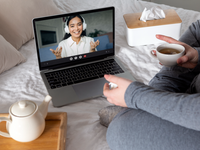
Willingness of Patients With Mental Disorders to Engage in Online Psychotherapy: Multicenter Cross-Sectional Survey
<strong>Background:</strong> China faces a high prevalence of mental disorders but low treatment uptake, a gap driven by limited awareness and unevenly distributed mental health resources. While online psychotherapy has the potential to expand access, patient willingness remains insufficiently explored. <strong>Objective:</strong> This study aimed to investigate the willingness of Chinese patients with mental disorders to engage in online psychotherapy and to identify associated factors. <strong>Methods:</strong> A multicenter, cross-sectional survey was conducted using a structured questionnaire to assess the attitudes and willingness of patients with mental disorders in China to engage in online psychotherapy. Willingness to engage in online psychotherapy was assessed using a 0 to 100 rating scale, with higher scores indicating greater willingness. Univariate analysis, correlation analysis, and multivariate linear regression analyses were used to identify factors influencing willingness. <strong>Results:</strong> Among 361 eligible participants, the mean willingness score for online psychotherapy was 70 (SD 28.56). In total, 86.4% (n=312) of participants preferred short-term therapy (1 to 10 sessions), while 92.5% (n=334) expected the cost per session to remain less than CNY ¥400 (US $55.50). Participants most preferred therapist-guided online individual therapy (n=142, 39.3%). Convenience (124/361, 34.3%) and perceived anonymity (“no one will know about the illness”; 119/361, 33.0%) were the 2 most commonly reported perceived benefits of online psychotherapy. The leading barrier was concerns about data security and privacy (108/303, 35.6%), followed by difficulty in establishing therapeutic rapport (60/303, 19.8%). The regression analysis revealed that age, self-stigma, satisfaction with current psychiatric medications, and satisfaction with previous online psychotherapy significantly influenced patients’ willingness to seek online psychotherapy. <strong>Conclusions:</strong> This multicenter study reveals a high level of willingness to engage in online psychotherapy among Chinese patients, with self-stigma as a key barrier. These findings support the development of tailored services, stigma reduction interventions, and infrastructure investment to enhance mental health care delivery.
Supreme Court conversion therapy decision could ripple through medicine
The U.S. Supreme Court ruling this week against Colorado’s ban on licensed mental health providers engaging in gender and sexuality “conversion therapy” could narrow the authority of state medical boards to regulate aspects of health providers’ care that involves speech, according to legal experts. The implications could extend far beyond matters related to LGBTQ+ rights to other forms of talk therapy, telehealth, and physician advice on Covid-19, vaccines, or reproductive care.
Because the therapist who challenged the law, Kaley Chiles, engages in talk therapy — without prescribing medications or having any physical contact with patients — the majority decided that the Colorado law constitutes a restriction on her speech due to her particular viewpoint, or opinion. In an 8-1 decision, the judges sent the case back to a lower court for a higher level of judicial scrutiny, which will likely result in the ban being overturned.
Help-Seeking in the Age of AI: Cross-Sectional Survey of the Use and Perceptions of AI-Based Mental Health Support Among US Adults
<strong>Background:</strong> Anecdotal evidence suggests that an increasing number of people are turning to generative artificial intelligence (GenAI) tools or artificial intelligence (AI)-assisted chatbots to discuss and manage mental health concerns. However, systematic data on the use and perception of such tools remain scarce. <strong>Objective:</strong> This study aimed to examine how young and middle-aged adults in the United States use GenAI and AI-assisted mental health chatbots as mental health resources and assess their preferences for these tools relative to human mental health professionals. <strong>Methods:</strong> An anonymous online survey was conducted in October 2025 among US adults in a commercial online panel sample of US adults aged 18-49 years (N=1805). Respondents were asked about the sources they typically turn to when facing mental health concerns, their frequency of using GenAI tools or chatbots for mental health support, and whether the frequency of seeing human mental health professionals had changed since they started using AI tools for mental health support. Attitudes toward AI-based mental health support were assessed and compared with attitudes toward human mental health professionals. <strong>Results:</strong> In this sample, of the 1805 respondents, 638 (35.2%) reported using AI tools at least once a week in a typical week for mental health support, and 99 (5.5%) were classified as “heavy users” who reported regularly spending hours discussing their mental health concerns through AI. However, nearly 60% of respondents reported that they would turn first to family (1078/1805) and friends (1046/1805) when facing mental health concerns. Respondents who screened positive for moderate to severe depressive or anxiety symptoms were more likely to use AI-based mental health support compared to those without these symptoms (adjusted odds ratio 1.71, 95% CI 1.36-2.15) and those with suicidal ideation were more likely to be heavy AI users (adjusted odds ratio 2.42, 95% CI 1.49-3.95). Among those who had ever seen a human mental health professional (n=511), 28.4% (145/511) reported a perceived decline in visit frequency to human mental health professionals since they started using AI tools for the same purpose. Participants expressed more favorable attitudes toward human mental health professionals than toward AI-based tools. However, among heavy AI users, perceptions of AI-based mental health support and human counseling were nearly equivalent in positivity. <strong>Conclusions:</strong> AI appears to be an important component of the mental health help-seeking landscape among respondents in this sample. Although most respondents still preferred human professionals, a subset reported relying on AI tools for comparable support. Ongoing monitoring and ethical guidelines are needed to ensure that AI technologies expand access to care while being safely and effectively integrated into the broader continuum of mental health services.