

Elevated densities of CD163+ perivascular macrophages have been reported in schizophrenia post-mortem brain tissue, particularly in regions involved in neurodevelopment, dopaminergic signaling, and blood–brain barrier (BBB) regulation. However, the biological significance and developmental lineage of these findings remain unclear. While CD163 is linked to regulatory and scavenging functions, macrophage activation states form a continuum and cannot be inferred from any single marker. This Perspective outlines a structured, testable research framework to determine whether this accumulation reflects altered responsiveness to persistent intracellular, inflammatory, systemic, or treatment-related signals. To test this, we propose sequential methodological aims, including defining CD163+ cell localization and phenotypes in predefined brain regions, and assessing viral and non-viral molecular signals using spatial transcriptomic and cell-specific methods. This framework also involves comparing macrophage activation states across schizophrenia and other psychiatric and non-psychiatric control groups, using single-cell and single-nucleus sequencing. By not presuming a specific infectious aetiology, this approach will provide a general methodology to investigate macrophage-related mechanisms across diverse potential triggers. Within this model, HSV-1 is evaluated strictly as an illustrative proof-of-concept candidate for testing intracellular pathogen responses, rather than an exclusive cause, as epidemiological associations have been inconsistent and localization of viral materials within these cells has not been demonstrated. Similarly, Bacille Calmette–Guérin (BCG)-associated trained immunity is introduced strictly as a preliminary, ex vivo/in vitro approach to probe macrophage reprogramming and plasticity. Ultimately, this framework provides a systematic approach for investigating macrophage-related mechanisms and their potential drivers in schizophrenia without presupposing a specific underlying aetiology.
Who can access testosterone hormone medication in the U.S.?
Get your daily dose of health and medicine every weekday with STAT’s free newsletter Morning Rounds. Sign up here.
Greetings from Brooklyn, where the wildfire smoke is so thick you can chew it. Stay safe, everyone.
There’s a lot of hype around perimenopause. Don’t buy it.
Perimenopause has entered the chat. Perimenopause—and its better-known relative, menopause—used to be considered taboo. Not anymore, thanks at least in part to TV doctors and social media influencers. Perhaps it’s my age, but these days, both my algorithm and my conversations with friends increasingly swing toward perimenopause.
Menopause is defined as the life stage that occurs a year after a person has had their last period. Perimenopause is the sometimes years-long period before that point, which can also feature all the symptoms we’d typically associate with menopause.
Today, information about perimenopause is more prevalent and accessible than ever. If you’re a woman in your 40s and you’re not feeling 100%, chances are there’ll be someone online ready to tell you you’re in perimenopause. And that you might want to start spending your money on blood tests, apps, and supplements or demanding hormone replacement therapy. But as regular readers might have guessed by this point, it’s not that simple.
Perimenopause tends to start around the age of 46 or 47. It’s during this time that many women start to experience some symptoms like hot flashes, irregular or unusually heavy periods, or anxiety, for example. And it can be heavy going. “Often symptoms are at their worst in the perimenopause,” says Mary Ann Lumsden, former president of the International Menopause Society.
That’s because hormones can fluctuate wildly. Levels of estrogen, progesterone, luteinizing hormone, and follicle-stimulating hormone can roller-coaster before leveling off after menopause. And that’s why, despite what some marketers will claim, there is no test for perimenopause.
“You can’t interpret hormone [measures] because they change so much,” says Lumsden. “And that is quite normal.”
That doesn’t mean women should have to put up with symptoms. But exactly how those symptoms are treated is another topic that has been clouded by misinformation.
Last week, I told a friend about some unusually bad pelvic pain I’d experienced. Her immediate advice was to find out if I was perimenopausal and, if I was, to request hormone replacement therapy (HRT) as soon as possible. If my doctor wouldn’t prescribe it, she continued, I should simply find another doctor who would.
This line of thinking has been heavily promoted on social media platforms, says Paula Briggs, a former chair of the British Menopause Society who currently leads the menopause service at Liverpool Women’s Hospital. But it’s not helpful.
HRT is essentially designed to top up or replace hormones like estrogen and progesterone, which naturally decline around menopause. There are lots of different drugs that can be taken in lots of different ways and at various doses.
While it does come with some risks and won’t suit everyone, HRT can be immensely helpful for many menopausal women. Not only can it help with many of the common symptoms of menopause, but it can also help prevent osteoporosis and maintain muscle strength.
But these drugs were trialed in, and approved for, menopausal women, says Lumsden. They won’t have the same effects in perimenopausal women. “If you give standard HRT, it may well get swamped by [the woman’s] own hormone production,” she says.
HRT can also cause abnormal bleeding in perimenopausal women, says Briggs.
She’s concerned about the messaging on perimenopause that is being promoted on social media. Particularly worrisome, she says, is the way younger women are being encouraged to assume they are perimenopausal and seek out HRT treatment.
“It’s almost cult-like, this idea that everybody must have HRT,” she says.
And then there are the supplements. There’s been an explosion in marketing for vitamins and supplements specifically targeted to middle-aged and menopausal women. But the evidence for these, too, is either limited or nonexistent. “I can’t see a mechanism for a lot of them,” says Lumsden.
Women who take these supplements don’t always know what they’re getting. Some of Lumsden’s patients have told her they take testosterone supplements to manage their symptoms. But blood tests revealed no increase in testosterone levels. “Whatever they’re getting, it’s not testosterone,” she says.
At any rate, not all the symptoms women experience in midlife can be blamed on hormones. The lengthy lists of perimenopause symptoms shared on social media include fatigue, brain fog, aches and pains, digestive issues, and more. “These do not link closely to the obvious menstrual cycle changes and hormone changes … across menopause,” says Nanette Santoro, a professor of obstetrics and gynecology at the University of Colorado Anschutz who studies menopause.
If you’re experiencing any symptoms, it’s worth getting them checked out to make sure they’re not being caused by something else. My own pelvic pain, for example, is almost definitely the result of endometriosis—a condition that can be made worse by HRT, Lumsden tells me.
At any rate, by the time women reach their 40s, many are already juggling care for children and aging parents, often while holding down a job (and dealing with pressures from societies that don’t appear to value older women). It’s an exhausting time—and not all of that exhaustion can be blamed on hormones.
As Santoro puts it: “Attributing everything unpleasant that happens to a woman over 35 to perimenopause is not based on any scientific evidence.”
This article first appeared in The Checkup, MIT Technology Review’s weekly biotech newsletter. To receive it in your inbox every Thursday, and read articles like this first, sign up here.
Pete Hegseth’s announcement of annual testosterone screenings for service members divides medical experts
Medical experts are divided on Defense Secretary Pete Hegseth’s announcement that U.S. service members will undergo testosterone deficiency screenings with their annual physical exams.
“War fighters aged 30 and older are going to be tested annually as part of their periodic health assessment,” said Hegseth in a video, posted with the caption “The High-T Department of War.” Elective testosterone testing will be available to younger service members, too, and if recommended, testosterone replacement therapy would be at the individual’s discretion.
Parkinson’s Genetic Drivers Show Greater Variation Across Ancestries
Results from one of the largest and diverse genetic studies of Parkinson’s disease to date reveal that genetics may play a much greater role in the condition than previously recognized, especially in some ancestries that have historically been underrepresented in clinical studies. Published in The Lancet Neurology, the findings highlight the importance of representative genetic data for the development of targeted treatments that are effective across diverse populations.
Parkinson’s disease is a progressive neurodegenerative condition that affects more than 10 million people worldwide. While decades of research have uncovered key genetic drivers, most cases arise from a complex combination of genetic and environmental factors that can vary widely across populations and individuals.
“The genetic architecture of Parkinson’s disease varies considerably across ancestries, yet most previous genetic studies have focused on individuals of European ancestry,” write the authors of the study, led by Christine Klein, MD, professor of neurogenetics at the University of Lübeck. “This large-scale, multi-ancestry genetic study offers crucial insights into the population-specific genetic architecture of Parkinson’s disease.”
Klein’s team analyzed genome and exome sequencing data from nearly 100,000 individuals across 11 ancestries, using retrospective data from the Global Parkinson’s Genetic Program (GP2). In particular, the study focused on 18 genes with a well-established link to Parkinson’s disease, including both causal and risk variants.
While some genetic contributors were shared across ancestries, the analysis revealed that certain ancestry-specific differences are larger than previously thought. For instance, risk variants of GBA1, the most common across all ancestries, were present in just about 4% of individuals with east Asian ancestry, compared to nearly 53% of those with African ancestry.
The study also identified the first carriers of causal variants in the LRRK2 gene of African ancestries, highlighting the need to include underrepresented populations in large-scale genetic studies. Overall, 2% of Parkinson’s patients were found to carry a single causal genetic variant across 16 genes, ranging from 0.4% among individuals from African ancestry to 10.7% for those with Ashkenazi jew ancestry.
These findings have important implications for ongoing clinical trials evaluating targeted therapies aimed at Parkinson’s patients carrying GBA1 and LRRK2 variants. Without representative data accounting for the broad differences seen across ancestries, precision medicine approaches will fail to be effective for the global population.
Standard genetic screening panels are mainly built using data from individuals of European ancestry, meaning certain variants more common in other populations might end up being overlooked. If key genetic drivers go undetected, patients from underrepresented populations are generally more likely to be locked out of targeted clinical trials evaluating the next generation of Parkinson’s therapeutics.
“Whereas clinical trials targeting GBA1 and LRRK2 variant carriers are primarily performed in Europe and the U.S.A., increased ancestral diversity in Parkinson’s disease research will be crucial to improve diagnostic accuracy, enhance our understanding of disease mechanisms across populations, and ensure equitable application of and access to emerging genetically informed therapies,” Klein and colleagues conclude.
The post Parkinson’s Genetic Drivers Show Greater Variation Across Ancestries appeared first on Inside Precision Medicine.
Parkinson’s Drug Candidate Enhances Levodopa Therapy While Reducing Side Effects
Scientists have identified a compound that could improve the benefits of levodopa treatment for patients with Parkinson’s disease while delaying or preventing side effects that commonly develop with long-term use. The discovery was made at Sinopia Biosciences, a spinout of the University of California San Diego that analyzes large biological datasets to identify novel therapeutic approaches for preventing and managing side effects of existing drugs.
Preclinical findings published today in Science Translational Medicine suggest the drug candidate could significantly enhance the performance of the most effective and widely used treatment for Parkinson’s. If confirmed in clinical trials, the approach could represent a major advancement in the treatment of this increasingly prevalent neurodegenerative condition.
Levodopa can dramatically improve Parkinson’s symptoms, especially during the early stages of the disease. Over time, however, its effects start wearing off between doses, and within five years of treatment, about 40% of patients develop dyskinesia—a complication involving erratic and involuntary movements. Amantadine is currently the only approved drug to treat dyskinesia induced by levodopa, but its psychiatric and vascular side effects significantly limit its use.
“Virtually every Parkinson’s patient takes levodopa,” said Aarash Bordbar, PhD, chief executive officer, chief scientific officer and co-founder of Sinopia Biosciences. “But patients face two major problems with the drug: the reappearance of Parkinson’s symptoms and dyskinesia. There is no drug that can be added to levodopa to address both simultaneously in a robust manner, and that’s what our drug candidate is doing.”
Bordbar’s team analyzed transcriptomics data to understand how levodopa changes gene expression patterns in the striatum, a brain region involved in movement control. The results were compared with a dataset of gene expression changes induced by existing drugs, allowing the researchers to identify compounds that activated the same transcriptional programs responsible for levodopa’s motor benefits while opposing gene expression programs linked to dyskinesia side effects.
“Maximizing clinical benefits of therapeutics while minimizing adverse effects is a central challenge in drug development,” said Bordbar. “By focusing on the pharmacology of an effective drug rather than disease biology alone, the approach prioritizes pathways with demonstrated clinical relevance, increasing translational potential.”
The team identified a promising candidate in trapidil, a drug that has been used for over 50 years in Japan to treat angina. The drug targets PKA-III, a protein involved in movement and dopamine responses within the brain. The researchers then designed a new compound based on trapidil and tested it in mouse and macaque models of Parkinson’s disease.
Results showed that the drug candidate could offer a dual benefit to Parkinson’s patients, simultaneously improving the motor benefits of levodopa while delaying or preventing treatment-related complications—potentially benefiting both long-term users and patients who are newly starting levodopa therapy.
Based on these findings, Bordbar believes there’s a high chance Sinopia’s drug candidate will succeed in clinical trials. This is further supported by the fact the compound is based on a drug that has been safely used for decades. The company is currently completing the toxicology studies required ahead of the first-in-human clinical trial, which is expected to begin next year.
The post Parkinson’s Drug Candidate Enhances Levodopa Therapy While Reducing Side Effects appeared first on Inside Precision Medicine.
Oxytocin promotes socially triggered cataplexy
Nature Neuroscience, Published online: 14 July 2026; doi:10.1038/s41593-026-02352-7
In people with narcolepsy, cataplexy is often triggered by strong emotions in social situations. Mahoney et al. show that such cataplexy is mediated by oxytocin-responsive neurons in the amygdala that target brainstem regions regulating motor tone.
Attention-deficit/hyperactivity disorder and chronic pain: a scoping review of epidemiology, clinical phenotypes, mechanisms, and treatment
IntroductionEmerging evidence suggests a potential association between attention-deficit/hyperactivity disorder (ADHD) and chronic pain; however, extant findings are dispersed across disciplines and have not yet been comprehensively synthesized. This scoping review aimed to systematically map the epidemiological evidence, clinical phenotypes, proposed neurobiological mechanisms, and reported therapeutic interventions related to comorbid ADHD and chronic pain.MethodsA comprehensive literature search was conducted in PubMed, PsycINFO, and the Cochrane Library from database inception to December 28, 2025. Human studies examining the association between ADHD (diagnosed or symptom-defined) and chronic or recurrent pain were also included. Fifty studies met the eligibility criteria, including observational studies (cross-sectional and longitudinal), case reports and series, and one interventional study.ResultsEpidemiological studies have consistently reported significant associations between ADHD symptoms or diagnoses and chronic pain in both the general population and clinical samples. Higher ADHD symptom burden was associated with greater pain severity and pain-related functional impairment. Comorbidity was observed not only in widespread pain syndromes, such as fibromyalgia, but also in site-specific conditions, including chronic low back pain, orofacial pain, and migraine. Proposed mechanisms involve dopaminergic and noradrenergic dysfunction affecting motor regulation, sensory processing, and descending pain modulation systems. Several case-based reports have described improvements in pain outcomes after ADHD-targeted pharmacotherapy. However, controlled trials remain scarce.DiscussionCurrent evidence suggests that ADHD traits may be relevant in a subset of individuals with chronic pain, particularly those with treatment-resistant presentations. Although causality and treatment efficacy remain unconfirmed, consideration of neurodevelopmental characteristics may enhance clinical assessments and inform future research on individualized mechanism-based treatment strategies.
Stem Cell Therapy Shows Promise in First Human Parkinson’s Disease Trial
A landmark Phase I/II clinical study led by researchers at Skåne University Hospital and Lund University has shown that transplanting stem-cell-derived dopamine progenitor cells into the brain is feasible. Eight patients with Parkinson’s disease (PD) received transplants of STEM-PD, a cryopreserved, off-the-shelf dopaminergic progenitor product derived from human pluripotent stem cells. The three-year Phase I/II, open-label, multicenter, single-arm, dose-escalation study identified no serious side effects linked to the transplanted cells during the first year of follow‑up.
“The possibility of replacing dopamine neurons that are lost in Parkinson’s disease has been a long-standing goal in the field,” said Malin Parmar, professor of cellular neuroscience at Lund University, and lead of the STEM-PD program. “The findings represent an important milestone for regenerative medicine approaches in Parkinson’s disease and support continued clinical development of stem cell-based therapies.”
Results from the study were reported by Parmar and colleagues in Nature Medicine. In their paper, titled “Human embryonic stem cell-derived dopaminergic cells for Parkinson’s disease: a Phase I/II open-label trial,” the team wrote, “In conclusion, particularly in the context of other recently published trials using human PS cell-derived dopaminergic cell therapies for PD, these findings further support the continued development of this therapeutic approach, including evaluation of the STEM-PD product in larger patient cohorts.”
Parkinson’s disease is the second most common neurodegenerative disorder after Alzheimer’s disease, the authors wrote. In Parkinson’s disease, patients lose nerve cells in the brain that produce dopamine, which leads to symptoms such as slowness of movement, stiffness, gait disturbance, and tremor. “The hallmark pathology of PD involves progressive degeneration of dopaminergic neurons in the substantia nigra pars compacta (SNpc) and the subsequent loss of their projections to the striatum,” the team explained. Current treatments are medications that replace the lost dopamine, but over time these medications often become less effective and cause side effects.
“Intracerebral transplantation of stem cell-derived dopaminergic progenitors to replace lost endogenous dopaminergic neurons offers a new potentially restorative therapeutic approach for PD,” the investigators continued. Scientists have been working to develop standardized and scalable dopamine cell therapy products derived from pluripotent stem (PS) cells, including human embryonic stem (ES) cells and induced PS (iPS) cells, they noted. “Several such products are now in clinical development … with early safety and feasibility data emerging.”
The transplanted stem cell-based dopamine nerve cell product tested in the newly reported trial is designed to replace the cells that produce dopamine, and the goal is that after being transplanted, the transplanted cells will mature into new dopamine-producing nerve cells in the brain. The STEM-PD trial aimed to evaluate the safety, tolerability, and feasibility of intraputaminal transplantation of STEM-PD in patients with moderately advanced PD.
Eight individuals with Parkinson’s disease received the transplanted cell product at two different doses, followed by 12 months of immunosuppression to prevent graft rejection. All patients were treated at Skåne University Hospital. Seven participants completed 12-month follow-up, and one participant died from a pulmonary infection that was not directly related to the cell product.
The surgical procedure was generally well tolerated, and no graft-induced involuntary movements were observed in the transplanted participants. Clinically, patients remained stable. Imaging using dopamine PET scans provided early indications of graft survival at both 6 and 12 months post-transplantation. Six of the seven participants substantially reduced their dopaminergic medication, a result that will be evaluated over time. In their paper, the team wrote in summary, “This Phase I/II clinical trial involving the bilateral intraputaminal transplantation of the STEM-PD dopaminergic progenitor cell product demonstrates its feasibility with no unexpected safety concerns from the cell product.”
Roger Barker, MD, professor of clinical neuroscience at the University of Cambridge, clinical lead of STEM-PD and clinical PI at the U.K. site, said: “This represents an exciting new departure on repairing the brain of individuals with Parkinson’s using dopamine cells- an approach pioneered in Lund some 40 years ago using fetal dopamine cells. The STEM-PD trial harnessing the expertise of scientists and clinicians from Lund and Cambridge has enabled us to undertake and deliver on one of the first ever stem cell-derived dopamine cell therapies for patients with Parkinson’s, and we hope this will be the beginning of an exciting new programme that may ultimately benefit the wider Parkinson’s community.”
Gesine Paul-Visse, MD, professor in neuropsychiatric research and lead PI at Skåne University Hospital, said, “Reaching this primary endpoint and being able to show that the cell product is safe is a great achievement for this trial, our team, the participating patients, but also for all patients suffering from Parkinson’s disease. We are hopeful that the early signs of cell survival and clinical improvement we observe will continue to increase over time and are excited to continue the development of this cell therapy.”
The STEM-PD research team will now continue the long-term follow-up of the participants to further evaluate safety, graft function, and clinical benefit. “Secondary and exploratory outcomes will evaluate the course and efficacy of clinical features, the survival of grafted dopaminergic cells at 36 months as well as additional safety signals occurring between 12 and 36 months and any dose–response effects,” the investigators stated. “Further evaluation of the grafts up to 36 months will determine whether the implanted cells continue to grow, mature and reinnervate the putamen after 12 months.”
STEM-PD builds on decades of research in dopamine cell replacement therapy for PD at Lund University and pioneering work in translation of pluripotent stem cell technology from experimental studies into clinical evaluation. The STEM-PD trial is the first pluripotent stem cell trial approved in Sweden and the first for PD in Europe. “The initiation and execution of this clinical trial have only been possible through close collaboration between scientists, clinicians, GMP manufacturing teams, regulatory experts and, most importantly, the participating patients,” concluded Parmar. In their report, the authors stated, “The STEM-PD trial adds further important confirmatory and complementary evidence to the recently reported feasibility and short-term safety of PS cell-derived dopaminergic progenitor transplantation in PD.”
The academic Phase I/IIa trial was conducted in collaboration with Novo Nordisk. Cellular Intelligence, a Boston-based company, recently acquired the STEM-PD program and will lead its next phase of clinical development, including a planned Phase II trial. The STEM-PD cells and their continued development hold IND clearance with FDA Fast Track Designation, and Cellular Intelligence aims to advance the program through Phase III to market approval.
STEM-PD is an academic European clinical translation initiative, focused on developing stem cell-based therapies for Parkinson’s disease. The program is led from Lund University with partners from Skåne University Hospital, Cambridge University Hospital, and University College London and combines expertise in stem cell biology, GMP manufacturing, neurosurgery, clinical neurology, and regenerative medicine to advance pluripotent stem cell-derived dopamine neuron therapies toward clinical application.
The post Stem Cell Therapy Shows Promise in First Human Parkinson’s Disease Trial appeared first on GEN – Genetic Engineering and Biotechnology News.
Virtual Cells Go Multiscale to Predict Complex Biology
Virtual cell models that enable the prediction of cell behavior across scales and biological contexts are rapidly emerging at the forefront of drug discovery.
Tom Sercu, PhD, vice president of AI and engineering at Biohub, points to a clinician-scientist studying a rare autoimmune disease as an example of how AI models could reshape translational medicine. Starting from a patient’s genome, researchers could use virtual cells to predict how major immune cell types behave in disease versus healthy states. The result offers an invaluable tool across target and mechanism-of-action discovery, patient stratification, toxicity prediction, and therapeutic development.
Yet, building a virtual cell is not an easy feat.
“Transformative AI in biology does not come from algorithms alone, but when models are trained on large-scale, high-quality, openly accessible datasets,” says Sercu. To capture complex biology, such data must span model systems and organisms, interventional and observational methods, and diverse cellular states.
To support this mission, Biohub announced a $500 million commitment to the Virtual Biology Initiative in April. The five-year campaign will accelerate the generation of technologies and multi-modal datasets needed to power virtual cell models.
Similar to how more than 253,000 experimentally determined molecular structures in the Protein Data Bank (PDB), assembled over five decades, became foundational training data for modern AI protein-structure prediction, Sercu sees an analogous moment for cellular biology.
“We do not yet have the equivalent of the PDB for cells,” he emphasized. “The Virtual Biology Initiative seeks to change that.”
Today’s virtual cell developers reflect on what’s needed for these models to predict complex biology and overhaul drug discovery.
Single or bulk
Much of the industry has defined the virtual cell as transcriptome models that predict how perturbations alter gene expression across cellular contexts.
Among the increasingly crowded ecosystem, Arc Institute’s first-generation virtual cell model, STATE, predicts how stem cells, cancer cells, and immune cells respond to drugs, cytokines, or genetic perturbations. In March, billion-dollar-backed, Xaira Therapeutics unveiled X-Cell, the first scaling law demonstrator in the virtual cell domain, sizing up to a whopping 4.9 billion parameters. These models aim to generalize to unseen biological contexts by training on causal single-cell RNA sequencing (scRNA-seq) data.
To train X-Cell, Xaira has spent its initial years building what the company describes as “the largest genome-wide CRISPRi Perturb-seq dataset ever reported.” Named X-Atlas/Pisces, the dataset is composed of 25.6 million cells across seven screens and 16 biological contexts.
Ginkgo Datapoints, the AI platform division of Ginkgo Bioworks, looks toward bulk transcriptomics rather than a single-cell approach.
“Just like how models benefit from diversity in training data, we as an industry benefit from having diversity of approaches,” said John Androsavich, PhD, general manager at Ginkgo Datapoints. The Datapoints team applies high-throughput automation to create diverse biological datasets, including cell perturbations, antibody developability, and ADME small molecule developability data, to support AI model training for life science partners.
In March, Ginkgo Datapoints delivered the first data release of the Virtual Cell Pharmacology Initiative (VCPI). Approximately 2,280 small molecules were profiled in full dose response using DRUG-seq, a scalable arrayed transcriptomics assay measuring chemical perturbations.
In contrast to scRNA-seq, which covers approximately 1,500 genes per cell, DRUG-seq captures nearly 10,000 genes per condition with higher signal-to-noise to optimize insights for pharmacology. Notably, VCPI has exclusively focused on THP-1, a human monocytic cell line widely used across immunology, oncology, and inflammatory disease research, to understand drug action.
Across space
While the crowding around scRNA-seq has largely been driven by the pursuit of scale, “a cell is not only its RNA,” tempers Hani Goodarzi, PhD, core investigator at Arc Institute. He emphasizes that cells are complex systems shaped by multiple layers of biology beyond gene expression alone, including protein abundance, chromatin state, spatial organization, metabolism, and post-translational regulation.
A useful analogy comes from large language models (LLMs), which became powerful as text provided an exceptionally scalable substrate for training trillions of tokens. Yet, text alone is an incomplete representation of human communication.
“The lesson is not that one modality is sufficient forever,” says Goodarzi, “but that a single high-quality, scalable modality can support general representations when the training corpus is large.”
Emma Lundberg, PhD, co-founder and CSO at GenBio AI, is worried about the “streetlight effect.”
“We’re scaling what we can and not necessarily what we should,” she says.
GenBio AI seeks to develop world models that cross multiscale biology. Instead of concentrating on one data modality, the company’s so-called “AI-Driven Digital Organism” grows expertise in embedding, tokenizing, and training models across scales, from the molecular layer to regulatory networks. Rather than undergo internal data generation, GenBio AI focuses on public data and partnerships to power the company’s models.
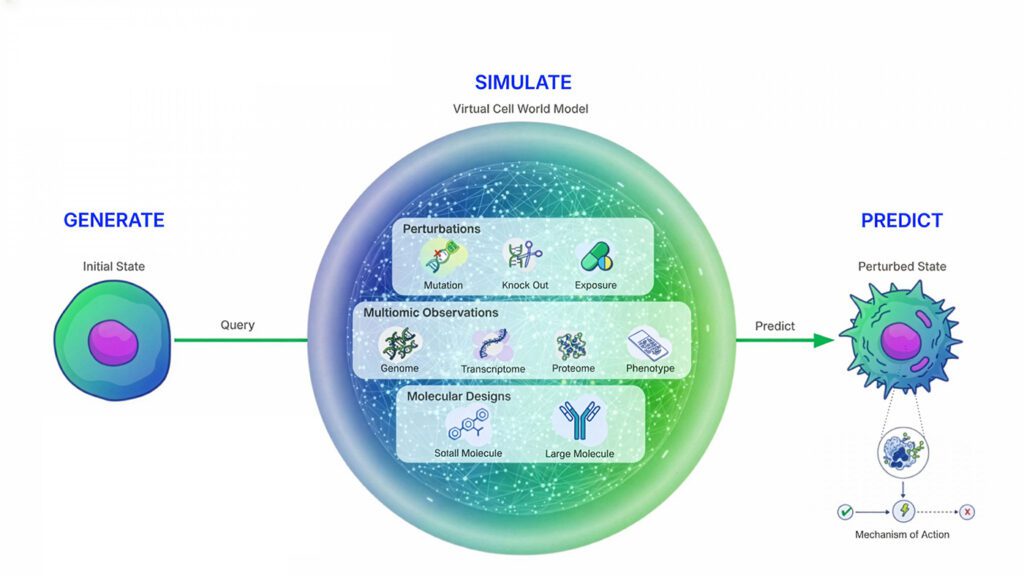
Lundberg, who is also associate professor of bioengineering and pathology at Stanford University, argues that models can guide the field to which data modalities to pursue. As an example, models that incorporate biological priors, such as protein-protein interactions, can achieve noticeable improvements in predictive performance.
Spatial and temporal data also capture critical dimensions of biological function that sequence data alone cannot resolve. According to the Human Protein Atlas, roughly 60% of human genes encode proteins that localize to multiple cellular compartments, often carrying out distinct functions depending on context.
In a May preprint posted on bioRxiv, Lundberg and colleagues introduced ProtiCelli, a deep generative model that visualizes the spatial organization of nearly the entire proteome within individual cells. By training on 1.23 million images from the Human Protein Atlas, the model simulates microscopy images for 12,800 human proteins while also generalizing to unseen cell types and drug perturbations absent from training.
Through time
Cellular Intelligence is developing a universal virtual cell signaling model designed to simulate cell-state transitions over time, with the goal of expanding the possibilities of regenerative medicine. By learning the underlying “grammar” through which sequences of signaling cues drive cell differentiation, these models aspire to enable the on-demand generation of any cell type.
Less than one percent of known human cell types can be reliably produced for downstream applications in cell therapy. As only 20 fundamental molecular signaling pathways give rise to thousands of cell states, researchers face an unfathomably large search space when engineering a particular cell type.
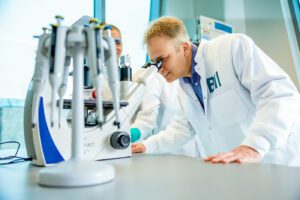
“Every cell that we discover or optimize opens a slew of potential applications,” said Micha Breakstone, CEO and co-founder of Cellular Intelligence. “One could spend a decade and tens of millions of dollars on painstaking trial-and-error to differentiate a new cell type, or solve this problem in one fell swoop, much like AlphaFold for the protein folding challenge.”
The company’s platform leverages a semi-permeable capsule technology, which selectively retains cells and large analytes while being freely accessible to media, enzymes, and reagents. The method enables high-throughput assays combining live-cell culture with genome-wide readouts. Millions of time-varying signal combinations are tested on human stem cell differentiation in parallel, providing 1,000 times higher efficiency than traditional methods.
In May, Cellular Intelligence advanced as a Phase II-ready clinical company after entering an agreement with Novo Nordisk to acquire STEM-PD, an allogeneic cell therapy program for Parkinson’s disease with Fast Track Designation. The deal comes six months after Novo announced its strategic exit from the cell therapy space. The start-up’s AI cell signaling models will address protocol development, one of the biggest obstacles preventing cell therapies from clinical impact.
“Novo selected Cellular Intelligence as the right partner because the next major challenge for complex cell therapy programs is not only the biology,” says Breakstone. “It is manufacturing scale-up, comparability, clinical logistics, and commercial readiness.”
As the diversity of virtual cell models targets new dimensions of complex biology, every approach takes another step closer toward clinical impact.
The post Virtual Cells Go Multiscale to Predict Complex Biology appeared first on GEN – Genetic Engineering and Biotechnology News.