

BackgroundDepression is a common mental disorder, and current suicidal ideation (SI) is a clinically important symptom. Sleep disturbance is common in depression, but the relationship between objective sleep architecture and current SI remains unclear. This study examined associations between objective sleep structure and current SI and explored whether sleep-clinical clustering could support exploratory SI stratification.Methods287 patients meeting DSM-5 criteria for depressive disorder underwent clinical assessment and overnight polysomnography (PSG). Current SI was assessed using item 3 of the HAMD-17. Binary logistic regression evaluated factors associated with current SI. K-Means clustering (K = 3) was performed using standardized HAMD score, PSQI score, AHI, total awakenings, N3%, R%, and sleep efficiency. Quantitative cluster validation, sensitivity analyses excluding HAMD from clustering, and ROC-based performance metrics were additionally conducted.ResultsCurrent SI was present in 50.52% (145/287) of patients. In the individual-variable regression model, only HAMD total score was independently associated with current SI (OR = 1.683, p < 0.001). Cluster analysis identified three subgroups with distinct current SI rates: Cluster 1 (deep-sleep dominant, 37.04%), Cluster 2 (high-arousal-apnea, 70.37%), and Cluster 3 (low-arousal-subjective insomnia, 60.80%). The K = 3 solution showed WSS = 1450.71, mean silhouette = 0.204, and Davies-Bouldin index = 1.679. In the demographic-adjusted model, membership in Clusters 2 + 3 was associated with current SI (OR = 3.152, 95% CI: 1.883-5.274, p < 0.001; AUC = 0.700, 95% CI: 0.639-0.760). When HAMD was excluded from clustering, the association remained (OR = 2.669, 95% CI: 1.598-4.458, p < 0.001), whereas additional adjustment for HAMD total score attenuated the primary cluster association (OR = 0.842, 95% CI: 0.411-1.725, p = 0.639).ConclusionsDepression severity was the primary factor associated with current SI. PSG-derived sleep-clinical clusters may help characterize heterogeneous presentations of current SI, but their incremental value beyond depressive severity should be interpreted as exploratory and validated in larger longitudinal samples.
Association of MAP2 gene polymorphisms and altered expression with schizophrenia risk in a Chinese Han population
BackgroundSchizophrenia (SCZ) is a highly heritable primary psychotic disorder. The microtubule-associated protein 2 (MAP2) gene is essential for dendritic integrity and synaptic plasticity, positioning it as a key candidate for bridging genetic risk and neuropathology. Nevertheless, the role of common genetic variations within MAP2 in SCZ susceptibility remains to be elucidated.MethodsWe conducted a candidate gene association study of MAP2 in a Han Chinese cohort comprising 418 SCZ patients and 418 matched healthy controls. Targeted sequencing was used to genotype single nucleotide polymorphisms (SNPs). MAP2 mRNA levels were quantified by RT-qPCR and correlated with genotypes and clinical symptoms. Bioinformatic tools (such as GTEx, BrainSeq, 3DSNP, HaploReg, RegulomeDB and SNP2TFBS database) were employed for functional annotation of risk loci.ResultsWe identified multiple MAP2 SNPs associated with SCZ risk in a Han Chinese cohort. Specifically, the AA genotype of rs288057 and the GG genotype of rs288087 were significantly associated with increased disease risk (OR = 2.393 and 2.258, respectively). Expression analysis revealed a marked reduction in peripheral MAP2 mRNA levels in patients compared to controls. This downregulation was genotype-dependent: the risk AA at rs288057 and GG at rs288087 were correlated with lower mRNA levels, a finding supported by its significant eQTL effect in the GTEx and BrainSeq database. In silico annotation suggested rs288087 resides within a putative enhancer region, while rs288057 may affect a promoter-proximal regulatory site. Clinically, MAP2 expression showed a significant positive correlation with the severity of negative symptoms (SANS score). Furthermore, ROC analysis indicated that MAP2 expression levels distinguished patients from controls with an AUC of 0.728.ConclusionThis study identifies MAP2 as a schizophrenia risk gene, wherein non-coding variants likely reduce its expression via distinct regulatory mechanisms, linking this downregulation to core negative symptoms. These findings highlight MAP2’s pathophysiological and translational relevance.
Subjective sleepiness and objective sleep propensity in adults with attention-deficit/hyperactivity disorder referred for multiple sleep latency testing
IntroductionAdults with attention-deficit/hyperactivity disorder (ADHD) often report excessive daytime sleepiness, but the relationship between subjective sleepiness and objective sleep propensity remains unclear. We examined this relationship in adults referred for Multiple Sleep Latency Test (MSLT) evaluation, using a clinical comparison group with excessive daytime sleepiness (EDS) but without ADHD.MethodsIn this retrospective cross-sectional study, we analyzed medical records of 130 adults aged 18 years or older who underwent MSLT between January and December 2021, including 68 adults in the ADHD group and 62 in the EDS-only group. Subjective sleepiness was assessed by the Epworth Sleepiness Scale (ESS) and objective sleep propensity by mean MSLT sleep latency, with MSLT positivity defined as mean sleep latency ≤ 480 s. Associations between ESS scores and mean sleep latency were assessed within each group, and correlation coefficients were compared between groups using Fisher’s r-to-z transformation.ResultsESS scores did not differ significantly between groups, with median scores of 14.0 in the ADHD group and 13.0 in the EDS-only group. In contrast, objective sleep propensity differed significantly: median mean sleep latency was longer in the ADHD group than in the EDS-only group (432.0 s vs 322.0 s, p = 0.008), and MSLT positivity was less frequent in the ADHD group (61.8% vs 87.1%, p = 0.001). Within the ADHD group, ESS scores were not significantly correlated with mean sleep latency, including among MSLT-positive cases. A significant inverse correlation was observed in the MSLT-positive EDS-only subgroup, although formal comparison of correlation coefficients did not demonstrate a statistically significant between-group difference in the ESS–MSLT relationship. SOREMP frequencies were numerically higher in the EDS-only group but did not differ significantly between groups.DiscussionThese findings suggest that subjective sleepiness complaints and objective sleep propensity may not closely align in adults with ADHD referred for sleep evaluation, and support the need for integrated psychiatric and sleep-medicine assessment when such patients present with excessive daytime sleepiness.
Perspectives on Continuous Glucose Monitoring Among Adults with Type 2 Diabetes in the United Kingdom: Cross-Sectional Survey
<strong>Background:</strong> Type 2 diabetes (T2D) is one of the most common noncommunicable diseases, requiring ongoing lifestyle changes and continuous glucose management through medication, diet, and physical activity. Traditional self-monitoring of blood glucose can be burdensome, especially with frequent finger pricks. As continuous glucose monitoring (CGM) becomes more affordable and accessible, it offers benefits such as increased glucose awareness, behavioral modifications, and reduced anxiety. However, challenges remain, including cost, discomfort, skin reactions, and privacy concerns. In the United Kingdom, perceptions of CGM among people with T2D, including both users and nonusers, are not well understood, limiting insight into factors influencing adoption and sustained use. <strong>Objective:</strong> This study aims to explore how adults with T2D perceive the benefits and challenges of using CGM, including both current users and nonusers. <strong>Methods:</strong> This study used a cross-sectional, online survey using YouGov’s nationally representative panel to explore experiences of CGM among adults with T2D in the United Kingdom. A total of 531 participants were recruited from November to December 2024. Thematic analysis of responses to 2 open-ended questions identified key perceived benefits and challenges associated with CGM use. <strong>Results:</strong> A total of 531 adults with T2D completed the YouGov online survey. Over half were male (297/531, 55.9%) and aged 65 years and older (281/531, 52.9%). Two-thirds (347/531, 65.3%) had lived with T2D for more than 5 years, and 9.6% (51/531) use or had previously used a CGM. Overall, 50.8% (270/531) responded to at least one free-text question, with 49% (260/531) commenting on benefits and 33.1% (176/531) on challenges. Thematic analysis identified five key benefit themes: (1) reduced monitoring burden, described as eliminating frequent finger prick testing and simplifying daily routines; (2) lifestyle feedback, enabling participants to better understand how diet and physical activity influence glucose levels; (3) greater control, by supporting more informed decision-making and increasing confidence in self-management; (4) feeling safer, through alerts for hypo- and hyperglycemia; and (5) sharing data with clinicians, which facilitated communication and more collaborative care. The main challenges were (1) access barriers, including restrictive eligibility criteria and the high cost of self-funding; (2) device issues, such as discomfort, inconvenience, and practical difficulties wearing the sensor; (3) technology reliance, with concerns about depending on devices rather than listening to bodily cues; (4) emotional strain, including anxiety, over-monitoring, and increased preoccupation with glucose levels; and (5) data concerns, particularly regarding accuracy, interpretation, and privacy. <strong>Conclusions:</strong> Adults with T2D, including both users and nonusers, described CGM as a practical and empowering tool that improves understanding, safety, and collaboration with health care providers. Nevertheless, access barriers, usability issues, and emotional and data-related burdens remain major obstacles to equitable adoption. Addressing these through improved affordability, digital literacy support, and customized clinical guidance may support ongoing and inclusive CGM use in routine care.
Real-World Engagement With a Generative AI Conversational Agent for Mental Health Support: Retrospective Descriptive Study
Background: Generative artificial intelligence (GenAI) conversational agents are increasingly integrated within digital mental health interventions (DMHIs). However, empirical data on real-world engagement, usage patterns, and satisfaction with GenAI conversational agents remain limited. Objective: This study examined real-world engagement among users who interacted with the GenAI conversational agent within Mental, a DMHI designed to support mental health. We aimed to (1) characterize users engaging with Mental’s GenAI conversational agent, (2) examine real-world usage patterns, (3) examine satisfaction and user feedback following sessions, and (4) explore preliminary predictors of engagement with Mental’s GenAI conversational agent. Methods: This retrospective study analyzed naturalistic user data from 5082 paid subscribers who engaged with Mental’s GenAI conversational agent between October 2024 and March 2026. Users’ onboarding characteristics (ie, sex, mindset, distress level, desire for greater discipline, and primary stressors) and session satisfaction were collected via optional app-native items; session-level engagement metrics were captured through backend app usage data. Descriptive statistics were used to characterize user demographics and usage patterns. Session satisfaction was compared across temporal engagement variables using ANOVAs and independent-samples tests. As an exploratory aim, session-level mixed-effects logistic regression was used to estimate predictors of session-to-session return, with session satisfaction as the primary predictor and moderation by self-reported mindset. Results: Among users reporting onboarding data, 78.8% (2610/3312) identified as male and 90.0% (2667/2964) reported moderate-to-high distress on an app-native item. A total of 59,602 sessions were recorded (mean 11.8 sessions per user), most frequently occurring in the evening (17,206/59,602, 28.9%) and outside traditional business hours (37,181/59,602, 62.4%). Mean session satisfaction was high (mean 4.5, SD 0.9) and did not differ by time of day or day of the week. The most commonly selected session descriptors were “Insightful” (9236/19,883, 46.5%), “Felt seen” (7974/19,883, 40.1%), and “Good advice” (7510/19,883, 37.8%). The session-to-session return rate was 92.6%, and 69.4% (3528/5082) of users returned after their first session. In an exploratory analysis, session satisfaction was a significant predictor of return (odds ratio 1.35, 95% CI 1.14-1.60; <.001), although this finding should be interpreted as hypothesis-generating. Conclusions: Users engaged with a GenAI conversational agent within the Mental app outside of traditional care hours and presented with high return rates. Objective behavioral engagement data (eg, session frequency, timing, and session-to-session return rate) provide novel evidence that GenAI conversational agents may sustain real-world engagement, including among individuals who face barriers to traditional mental health services. Future research should determine whether these engagement patterns translate into clinically meaningful outcomes.

Rhythm-Based Video Games: Exploring the Cognitive and Learning Potential
By Florencia Assaneo, PhD, Research Fellow, Stavros Niarchos Foundation (SNF) Global Center for Child and Adolescent Mental Health at the Child Mind Institute
Educational challenges for Latin American children
Primary education in Latin America has faced a steady decline over recent decades, contributing to what many organizations now describe as an educational crisis. International institutions such as the Economic Commission for Latin America and the Caribbean (ECLAC), the United Nations Educational, Scientific and Cultural Organization (UNESCO), as well as the World Bank Group have all called for urgent action to address worsening learning outcomes across the region. The situation is particularly concerning in Mexico. Results from the 2022 Programme for International Student Assessment showed that Mexico scored well below the Organization for Economic Co-operation and Development (OECD) average in reading, mathematics, and science — placing the country among the lower-performing educational systems evaluated globally.
The consequences of this crisis extend far beyond the classroom. Educational difficulties during childhood are closely linked to long-term social and mental health outcomes. Research has shown that additional years of basic education are associated with lower rates of depression and anxiety (Kondirolli & Sunder, 2022), as well as higher levels of resilience and perceived control over one’s life (Niemeyer et al. 2019). In this sense, poor academic performance in primary school can have lasting effects that continue into adulthood, limiting employment opportunities, increasing vulnerability, and negatively affecting overall well-being.
Can rhythm-based video games improve learning?
Open-access interventions that strengthen children’s cognitive and academic abilities could have enormous value in low- and middle-income countries, where educational resources are often limited. Our work explores whether the ability to coordinate movements with rhythmic sounds — such as clapping, tapping, or dancing to music — can be leveraged to support children’s learning and cognitive development through engaging digital tools.
Over the last decade, multiple studies have shown that children who are better at synchronizing their movements to rhythm also tend to perform better on a wide range of cognitive and language-related tasks. These include reading, phonological awareness, processing speed, rapid naming, and other foundational abilities linked to academic success. Researchers have assessed these rhythmic coordination skills in multiple ways, from walking to the beat of music to tapping along with a steady rhythm or coordinating movements while playing musical instruments. Across these different approaches, one result consistently emerges: children who are better at aligning movement with sound also tend to show stronger cognitive performance.
Building on these study findings, my current fellowship project, supported by the Stavros Niarchos Foundation (SNF) Global Center for Child and Adolescent Mental Health at the Child Mind Institute, seeks to better understand how these rhythm synchronization abilities develop during childhood and whether they could eventually be strengthened through interactive digital interventions. Specifically, we are studying the developmental stage at which these abilities become established in children, and whether individuals with stronger rhythmic coordination also show advantages in attention and language-related skills. Understanding when these abilities emerge is particularly important because it may help identify the developmental window during which they are most malleable and therefore most responsive to training or intervention.

In parallel, we are using functional magnetic resonance imaging (fMRI) — a non-invasive brain imaging technique that allows us to observe which brain regions become active during different tasks — to explore the relationship between rhythmic synchronization and the brain’s reward system. Importantly, these same reward-related regions are also strongly engaged during video game play. If the pathways within this reward system are similarly activated during rhythmic coordination, this could mean that children who initially struggle to synchronize movements with sound may be able to strengthen these abilities through a carefully designed video game experience. One possible future application could involve an open-access mobile game in which children synchronize taps or hand movements to musical rhythms while progressing through increasingly challenging levels and unlocking rewards or visual customizations.
Overall, the current project seeks to generate the scientific evidence necessary to determine whether rhythm-based digital interventions could become a viable tool for supporting children’s cognitive development. This work has the potential to contribute to the future development of accessible and scalable tools that can strengthen foundational cognitive skills linked to academic performance in children. These tools can be applied to children in Mexico and, more broadly, across low- and middle-income countries (LMICs), expanding access to education resources and interventions.
The power of collaboration between the SNF Global Center and UNAM
Our laboratory at Universidad Nacional Autónoma de México (UNAM) is primarily dedicated to basic neuroscience research. Based at UNAM’s campus in Querétaro, our team brings together researchers and students from different disciplines — including neuroscience, psychology, physics, engineering, and data analysis — united by a shared interest in understanding how rhythm and brain dynamics shape human cognition and behavior. Here, we have access to excellent infrastructure for fundamental research, including neuroimaging facilities and high-performance computational resources. However, translating basic scientific discoveries into interventions capable of improving people’s daily lives is often much more challenging and requires strong cross-sector collaboration.
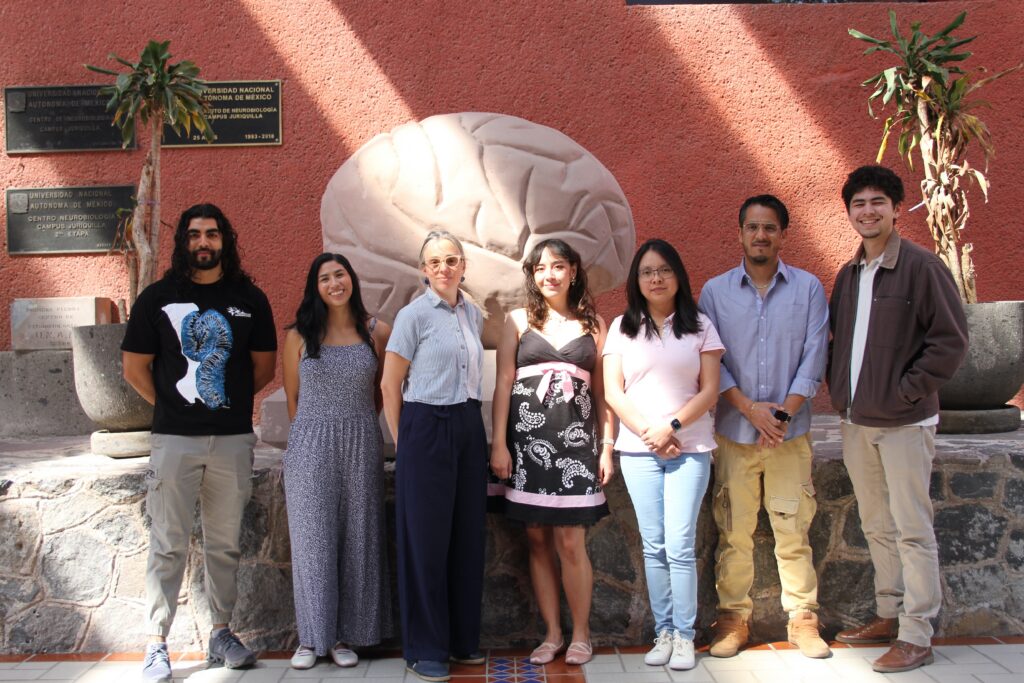
The work I’m conducting as part of the SNF Global Center Research Fellowship has encouraged us to begin thinking beyond the laboratory. This current fellowship has given us the opportunity to test the core scientific assumptions behind our proposed open-access intervention. If the pilot project proves successful, the next stages of the work will become considerably more ambitious, involving both the technological development of the intervention and its large-scale implementation and evaluation in school settings. Advancing toward those goals will likely require the support of larger international organizations and cross-sector collaborations. In this context, the opportunities provided by the SNF Global Center at the Child Mind Institute to share, disseminate, and give visibility to our work are extremely valuable, helping create the connections and momentum necessary to move from foundational research toward real-world impact.
More broadly, this kind of collaboration highlights the importance of building bridges between global institutions and local research communities. By combining international support with local expertise and close engagement with schools and communities, it becomes possible to develop solutions that are both scientifically rigorous and genuinely connected to the realities of the populations they aim to serve.
Learn more about the Research Fellowship
The post Rhythm-Based Video Games: Exploring the Cognitive and Learning Potential appeared first on Child Mind Institute.
Efficacy and predictors of cognitive stimulation therapy combined with pharmacotherapy for mild-to-moderate Alzheimer’s disease: a randomized controlled trial
IntroductionAlzheimer’s disease (AD) is associated with progressive cognitive decline, functional impairment, and reduced quality of life. Although pharmacological treatments such as cholinesterase inhibitors and memantine are commonly used, their clinical benefits remain limited and heterogeneous. Cognitive stimulation therapy (CST) may provide additional benefits when combined with standard pharmacotherapy. This randomized controlled trial (RCT) aimed to evaluate the clinical efficacy of modified CST combined with standard drug therapy on cognitive function, activities of daily living, and quality of life in patients with mild-to-moderate AD and to explore key predictors of CST efficacy using a multivariate regression model.MethodsThis evaluator-blinded randomized controlled trial enrolled 80 patients with mild-to-moderate Alzheimer’s disease (AD), who were randomly assigned in a 1:1 ratio to either the modified CST plus standard pharmacotherapy group (study group, n = 40) or the standard pharmacotherapy-alone group (control group, n = 40).The modified CST program comprised 14 weekly 45-minute sessions. The primary endpoint was the change in the Alzheimer’s Disease Assessment Scale–Cognitive Subscale (ADAS-Cog) score from baseline to post-intervention. Secondary measures included the Activities of Daily Living (ADL) scale and the Quality of Life in Alzheimer’s disease (QOL-AD) questionnaire. Data were analyzed using an intention-to-treat (ITT) approach. Independent predictors of treatment efficacy were identified using a two-stage screening strategy (univariate screening and stepwise regression).ResultsA total of 75 patients completed the study, and 80 were included in the ITT analysis. After 14 weeks of intervention, baseline-adjusted ANCOVA showed that the study group had significantly better post-intervention ADAS-Cog scores than the control group. The adjusted mean difference in ADAS-Cog score was -3.28 points (95% CI: -3.72 to -2.83; P < 0.001), favoring the study group. Significant baseline-adjusted between-group differences were also observed for ADL (adjusted mean difference = -4.93, 95% CI: -8.39 to -1.47; P = 0.006) and QOL-AD (adjusted mean difference = 2.69, 95% CI: 1.01 to 4.37; P = 0.002), both favoring the study group. Higher years of education (β = -0.54, P < 0.001), regular physical activity (β = -0.28, P = 0.003), higher baseline Mini-Mental State Examination (MMSE) scores (β = -0.22, P = 0.001), and active hobbies (β = -0.20, P = 0.002) were significant independent predictors of CST efficacy.DiscussionModified CST combined with medication significantly delays cognitive decline and improves QOL-AD in patients with mild-to-moderate AD. Educational attainment, lifestyle factors, and cognitive reserve are key determinants of CST efficacy. Relevant institutions should develop targeted enhancement protocols for patients with lower educational levels or insufficient cognitive reserves when implementing CST.Trial RegistrationChinese Clinical Trial Registry, identifier ChiCTR2600118654, https://www.chictr.org.cn.
Suicide and suicidal behavior in the gulf cooperation council countries: a Systematic Review of behavioral patterns, sociocultural determinants, and structural vulnerabilities
Suicide and suicidal behavior in the Gulf Cooperation Council (GCC) countries remain underrepresented in empirical research, largely due to cultural stigma, legal prohibitions, and systematic underreporting. The behavioral and sociocultural determinants of suicidal behavior in these contexts—where rapid modernization intersects with Islamic normative frameworks and large-scale labor migration—have received particularly limited systematic attention. This review synthesizes available evidence on the prevalence, behavioral patterns, risk factors, and structural determinants of suicidal behavior across Bahrain, Kuwait, Oman, Qatar, Saudi Arabia, and the United Arab Emirates. Following PRISMA 2020 guidelines, we searched PubMed, Scopus, ScienceDirect, Web of Science, and Google Scholar for primary research published between 2000 and 2025. Fifty studies (34 GCC-specific and 16 contextual/comparative) met the inclusion criteria. Methodological quality was appraised using the Newcastle–Ottawa Scale, JBI checklists, the Mixed Methods Appraisal Tool, and the AACODS checklist. The review protocol was registered on the Open Science Framework (DOI: 10.17605/OSF.IO/RZXY7; URL: https://osf.io/rzxy7/). The findings were organized into six dimensions: (1) suicide prevalence, risk factors, and associated behaviors; (2) cultural and religious influences; (3) mental health of specific at-risk populations; (4) healthcare and support services; (5) migrant worker vulnerabilities; and (6) research trends. Reported suicide rates in the GCC range from 1.5 to 4.2 per 100,000 but likely underestimate the true prevalence due to forensic misclassification and stigma. Migrant workers constitute a high-risk subgroup, with suicidal ideation reaching 68% among those facing acute financial distress. Islamic religiosity is associated with lower suicide mortality but simultaneously deters help-seeking by stigmatizing mental distress. Interpreted through a Durkheimian lens, these findings position suicidal behavior in the GCC as a social fact shaped by weakened social integration and normative fragmentation under rapid modernization. Effective prevention requires culturally adapted behavioral interventions that integrate labor welfare reforms with community-based mental health strategies.
Editorial: Beyond abstinence: harm reduction and its impact on addiction disorders
Heat waves mess with your brain. Scientists are trying to figure out why.
It’s been hot in London this week. Really hot. A dangerous heat wave has hit Western Europe. Yesterday, the UK recorded its highest ever June temperature at 36.1 °C (about 97 °F). But as the weather app on my phone confirmed, it felt like 39 °C.
It’s frightening that we are seeing such temperatures in the UK in June. According to the Met Office, the country’s national weather and climate service, June temperatures peaked at an average 19 °C (66 °F) in England between 1991 and 2020. Across Europe, the heat wave is likely to cause thousands of deaths. There will be other awful consequences for agriculture, infrastructure, and the health system.
But this week I want to look at what the heat does to our minds and brains. Personally, I’ve found it almost impossible to think straight. The heat is distracting and my mind is foggy. I dread to think about the conditions of people who work outdoors, in even hotter regions.
It’s not just exhaustion and confusion. The effects of heat on the brain can be deadly. And researchers are still trying to figure out why.
Studies have confirmed that as temperatures rise, people seem to get more irritable and more violent. Most of these studies are based on associations, though. It’s difficult to directly study how a heat wave might affect our thinking, says Catherine Thompson, a cognitive psychologist at Liverpool Hope University.
She has been studying the effects of extreme heat on firefighters instead. It’s easier to measure people’s cognitive skills before and after they undergo scheduled training that involves entering a burning building.
It’s early days, but the team found that firefighters found it harder to focus and control their attention immediately after heat exposure—something people in heat waves can empathize with, I’m sure.
The firefighters’ skills returned to normal after 20 minutes or so of cooling down. But they’d experienced just 15 minutes of intense heat exposure. Thompson doesn’t know what the effects of living through a days-long heat wave might be—or how long they’ll last. Figuring that out might involve shipping cognitive test kits to thousands of people during the few days’ notice of an impending heat wave. “My guess [is] that no one’s done it because it’s just so difficult to do,” says Thompson.
Still, researchers can learn about some of the impacts of heat waves through studies after the fact. And those studies suggest that the heat seems to have more disastrous outcomes for people with mental-health disorders.
Those outcomes become apparent when temperatures rise above what is considered typical for a given region. “There seems to be a correlation where the hotter it gets, especially during the hottest times of the year, the worse the mental-health outcomes,” says Joshua Wortzel, who directs the Heat-Mind Lab at Hartford HealthCare in Connecticut.
In a study published in 2023, Emma Lawrence at the University of Oxford, who studies the effect of climate change on mental health, and her colleagues reviewed the evidence linking mental-health outcomes to ambient outdoor temperatures. They found that during heat waves, there was a 9.7% increase in the rate of hospital admissions for people with such conditions.
“People who live with mental-health conditions are among the most susceptible to the physical impacts of heat,” says Lawrence. People with schizophrenia were found to have been three times more likely to die during the record-breaking heat wave that affected Canada in 2021, for example.
In order to protect people, we need a better understanding of the mechanisms underlying these effects. After all, a lot of things change when it’s very, very hot. Some people may end up stuck indoors, avoiding outdoor play and exercise, and it can be difficult to get a good night of sleep, for example. Sleep, socializing, and exercise are all really important for our mental health.
But whether unusual heat does something specific to our brains is, as Wortzel puts it, “the million-dollar question.”
Research in lab animals suggests that excessive heat can alter the way chemical signals work in our brain. The levels of neurotransmitters like serotonin, for example, seem to increase when rats and mice are exposed to high temperatures, according to multiple studies. The heat may also interfere with the way networks in our brains communicate with each other. It might affect the way oxygen reaches our brain cells.
“There are so many biological reasons why brains may be negatively affected by heat,” says Wortzel.
Emerging research suggests that for whatever reason, children and young people are among the most vulnerable. In research published earlier this week, Wortzel and his colleagues saw a 2.97% increase in the suicide rate among people in the US aged 15 to 24 for every 1 °C increase in average monthly temperature. That’s more than double the increase seen in people over the age of 24 (which is concerning in its own right).
Other work hints that heat exposure might have long-term consequences for children’s brain development. Babies who were exposed to either extreme heat or cold appeared to have altered white matter by the time they were nine to 12 years old—although it’s not clear how these impacts might affect an individual child.
“It seems that extreme temperature exposure for very young children may affect their brain development,” says Lawrence, who spoke to me from Oxford. She was meant to be in London for Climate Action Week, but her event, which focused on extreme heat, ended up being canceled … owing to the extreme heat.
We are living through the effects of climate change. And that brings a new urgency to the question of how heat affects our brains. Children born in 2020 are predicted to experience around seven times the number of heat waves their grandparents did, says Lawrance. “[We] need to be serious about adapting to a warming world.”
This article first appeared in The Checkup, MIT Technology Review’s weekly biotech newsletter. To receive it in your inbox every Thursday, and read articles like this first, sign up here.