A multi-skilled biomedical AI agent can automate biomedical research tasks, driving forward basic research into practical application.
The AI-powered “co-scientist” Biomni autonomously executes diverse research tasks, working across complex tasks across fields as diverse as genomics, immunology, pharmacology, and clinical medicine.
The large-language model (LLM), outlined in Science, mines through biomedical literature interpreting requests, both composing and executing multi-step workflows.
It can formulate hypotheses, performs complex bioinformatics analyses, and design rigorous experimental protocols, with tests showing comparable accuracy to experts while taking a fraction of the speed.
“Biomni is able to understand a simple question like, ‘Why are these patients responding differently to the drug?’” explained research Kexin Huang, who was studying for his PhD at Stanford University at the time of the research.
“Then it digs in, doing a lot of the scientific legwork.”
Initially, the researchers constructed a unified and comprehensive biomedical action space by systematically analyzing 2500 biomedical research papers spanning 25 distinct subfields, curated from literature repositories.
From this foundation, they developed an LLM-powered action discovery agent capable of reading papers and extracting key tasks, tools, and databases essential to driving biomedical discoveries.
These elements are then chosen and developed into Biomni-E1, the foundational environment that defines the biomedical action space for agentic interaction and includes 150 specialized biomedical tools, 105 software packages, and 59 databases.
The team then designed Biomni-A1, a general-purpose agent architecture capable of flexibly executing a broad spectrum of biomedical tasks by using tools and datasets provided by Biomni E1.
After a user query is entered, the agent uses a retrieval system to identify the most relevant tools, databases, and software needed.
It then applies LLM-based reasoning and domain expertise to generate a detailed, step-by-step plan. Each step is expressed through executable code, enabling precise and flexible compositions of biomedical actions—an essential 10 feature given the domain’s reliance on highly specialized tools and data resources.
This integrated system allows Biomni to efficiently generate solutions for challenging, large-scale biomedical problems, but also to generalize to tasks across previously unseen areas of biomedical research.
In this way it removes the laborious work from biomedical science, allowing researchers to focus on creating hypotheses and innovative experiments and collaborating across disciplines.
“The hurdle in biomedical science is not intelligence or ideas; it is mechanics,” said researcher Jure Leskovec, PhD, also at Stanford.
“It’s this laborious stuff that slows innovation. Biomni can do this work in minutes.”
The team tested Biomni’s practical capabilities through five case studies: analyzing wearable sensor data; performing comprehensive bioinformatics analyses on massive raw datasets such as single-cell RNA-seq and ATAC-seq data; designing laboratory protocols to assist wet-lab researchers; optimizing a protein sequence for better thermostability; and orchestrating robotics wet-lab instruments.
In one test, more than 450 files of real-world continuous glucose monitoring, food intake, and physical activity data from a single person was uploaded and Biomni asked to find interesting and plausible hypotheses.
The researchers asked a simple question: “Analyze this data, find interesting and plausible hypotheses.” In just 40 minutes, the AI-agent identified patterns relating food intake and body temperature that would have taken an estimated 60 or more hours for a human to complete.
“With Biomni, we introduce a scalable, general-purpose biomedical AI agent, pointing toward a future in which AI agents work alongside human researchers to accelerate biomedical discovery from basic research to translation,” the authors concluded.
A prototype of the AI agent is already being used by more than 10,000 labs in academia and industry, making it the most widely used AI co-scientist system in biomedicine.
Reliance of artificial intelligence (AI) has been increasing across all fields, including in the clinic. How to ensure AI is integrated practically, effectively, and ethically has been the focus of many discussions and debates, however final consensus almost always lands on the idea that however AI is integrated into clinical use, conscientious human oversight is necessary.
To test the veracity of this goal, a team of researchers in Spain put over 200 medical doctors to the test to determine if the clinicians would trust their experience and training over AI recommendations.
“It is important to investigate the errors that humans (including doctors) make when working with algorithms, in order to learn how to minimize the problems that arise from them,” said co-author of the study, Fernando Blanco, PhD, researcher at the Mind, Brain and Behavior Research Center (CIMCYC) in Granada, Spain.
“We wanted to see if professional physicians would act differently so that they would notice and correct these errors,” the authors wrote in their paper published in PLOS Digital Health.
The researchers created treatment plan options for a series of fictitious patients with a rare disease. They asked 223 physician participants whether or not to provide a treatment to a patient based on whether the patient was classified by AI as being highly or lowly sensitive to the treatment plan. The physicians were then presented with patient recovery data and asked to rate their perception on how reliable the AI classification was.
In these experiments, both groups of patients responded to treatment with similar sensitivity, resulting in ineffective AI recommendations that could be identified using the patient recovery data.
“In the first experiment, the treatment worked moderately (and equally) well for both groups. In the second, the treatment did not work at all for either group,” the authors wrote. They expected that “in both experiments, participants would administer the treatment less often to the fictitious patients classified as lowly sensitive to the treatment, consistently with the AI classification.” However, this was not the case.
“In both experiments, physicians mostly trusted the AI’s classifications and had trouble learning from the feedback,” said lead author Aranzazu Vinas, PhD, University of the Basque Country, Spain. “Furthermore, in the second experiment, professionals did not notice that the treatment was completely ineffective.”
These results present a major concern for the medical community in its use of AI in the clinic. While AI can be highly effective and useful for data collection and summary, supervision and critical thinking are still required for effective and safe patient care. This study highlights the need for physicians to take the time to critically consider all available data, regardless of recommendations by AI in their diagnostic and treatment decisions.
“People tend to say that there is always a human controlling the algorithm,” opined Helena Matute, PhD, professor, University of Deusto, Spain on the team’s findings “but our experiments show that doctors (as well as anyone else) have problems in learning from the available evidence when it contradicts the suggestions of an algorithm.”
A novel sequencing strategy that combines low-pass whole-genome sequencing with deep whole-exome sequencing in a single assay could significantly lower the cost of large-scale genomic studies without sacrificing analytical performance, according to a study published in Nature Genetics. The approach, known as blended genome–exome (BGE) sequencing, may help accelerate precision medicine initiatives by making comprehensive genomic profiling more accessible across diverse populations.
Researchers from Massachusetts General Hospital and the Broad Institute of MIT and Harvard developed BGE to overcome a persistent tradeoff in human genomics. High-coverage whole-genome sequencing offers the most comprehensive view of genetic variation but remains prohibitively expensive for many population studies. Genotyping arrays and exome sequencing are more affordable but either miss large portions of the genome or introduce bias by relying on variants selected primarily from European ancestry populations.
The BGE workflow integrates low-pass whole-genome sequencing at 1–4x coverage with deep exome sequencing at 30–40x coverage within a single library preparation and sequencing run on Illumina’s NovaSeqS4. The result is a unified dataset capable of supporting genome-wide association studies, rare variant discovery, copy number variant (CNV) detection, and polygenic analyses at approximately 28% of the cost of conventional 30x whole-genome sequencing.
The investigators validated the approach in more than 53,000 participants enrolled in the Populations Underrepresented in Mental Illness Associations Studies (PUMAS) Project, which includes African, African American, Hispanic/Latino, and Colombian cohorts. The scale and diversity of the study allowed the researchers to assess performance in populations that have historically been underrepresented in genomic research.
Imputed genotypes generated from BGE showed excellent agreement with Illumina Global Screening Array data, achieving concordance exceeding 95% for variants with minor allele frequencies above 1%. Importantly, performance remained consistent across multiple ancestry groups and local ancestry backgrounds, addressing one of the major limitations of conventional array-based genotyping.
The platform also demonstrated strong performance for clinically relevant structural variation. Using established computational pipelines, investigators achieved approximately 90% positive predictive value for protein-coding CNVs spanning three or more exons compared with deep whole-genome sequencing. In benchmarking studies, the method successfully detected all validated de novo coding CNVs in a reference autism cohort while maintaining low false-positive rates.
Beyond analytical performance, the study highlights potential operational advantages. By combining genome and exome sequencing into a single workflow, BGE simplifies laboratory processing, reduces the need for multiple assays, and minimizes sample attrition between sequencing platforms. These efficiencies could prove valuable for national biobanks, health system sequencing programs, and pharmaceutical research efforts that increasingly require genomic datasets from hundreds of thousands of participants.
The technology may also advance equity in precision medicine. Because low-pass genome sequencing does not depend on predefined variant content, it avoids many of the ascertainment biases associated with traditional genotyping arrays. The authors found that BGE captured substantially more coding and noncoding variants than array-based approaches while maintaining high-quality rare variant detection through deep exome coverage.
The researchers acknowledge that imputation performance remains influenced by the diversity of available reference panels, particularly for Indigenous American ancestry. However, as more globally representative reference datasets become available, they expect the accuracy of low-pass genome imputation to improve further.
As precision medicine increasingly depends on large, ancestrally diverse genomic datasets, technologies that balance cost, scalability, and comprehensive variant detection will be essential. BGE sequencing offers a practical alternative to deep whole-genome sequencing, enabling broader participation in genomic discovery while preserving much of the analytical power needed to identify clinically meaningful genetic variation.
A portable AI tool can estimate the age of an unborn baby from scans as well as trained sonographers, potentially extending access to vital prenatal ultrasonography where it might not otherwise be available.
The findings, in JAMA Network Open, reveal the potential of artificial intelligence to expand access to diagnostic tasks such as ultrasonography using novice operators in low-resource settings.
An AI model trained on blind sweep ultrasonography scans performed as well as traditional sonographers on estimating gestational age when used by novice operators across diverse geographical and infrastructural contexts, with minimal fine tuning.
“This system could mitigate disproportionate maternal or fetal comorbidity in low-resource areas by providing access to an essential clinical tool, serving as a template for automating and democratizing other ultrasonography-based diagnostics in future obstetric work,” reported Ryan Gomes, PhD, from Google in California, and co-workers.
Determining gestational age is a fundamental component of prenatal care, allowing obstetric care that can include life-saving interventions to prevent pre- and post-term births and manage high-risk conditions.
But while traditional ultrasonography is recommended by the World Health Organization, it requires skilled sonographers and expensive equipment that may not be available, particularly in low-resource settings.
AI using low-cost portable devices offer a potentially accessibly alternative, with blind sweep ultrasonography—a set of protocolized sweeps that does not rely on real-time imaging interpretation—emerging as a particularly promising approach.
However, clinical sites vary significantly in workflow, staffing, patient demographics, and equipment, which could affect the accuracy of AI-based assessment.
Gomes and team therefore examined the value of an AI tool to estimate gestational age from blind sweep ultrasonography scans across a variety of settings.
The AI-based system was originally trained on data from suburban North Carolina and urban Zambia and validated in a Chicago urban academic center and a Kenyan urban clinic using a different portable probe.
The broader cohort included 2043 participants—consisting of 1008 in Chicago and 1035 in Nairobi.
Fine-tuning using 180 examinations from 120 Chicago participants—approximately 6% of original training size, split evenly for training and validation—targeted generalization to new hardware and gestational-age distributions.
The primary evaluation set of 385 participants—192 in Chicago and 193 in Nairobi—had gestational ages from 16 to 36 weeks.
The researchers found that the AI model effectively generalized to new clinical environments and institutions, achieving a mean absolute error of 4.2 days that was noninferior to the clinical standard.
Its robust performance in Nairobi, with a mean absolute error of 4.3 days without local-tuning mirrored results in Chicago, where this mean error was 4.1 days and underscored the model’s inherent adaptability and transfer-learning efficacy.
These mean absolute errors with the adapted model were similar to the standard of care.
“The lower sweep rejection rate in the Nairobi setting (1.8% vs 7.9% in Chicago) may suggest that approximately six hours of formal, interactive, hands-on training improves acquisition quality compared with informal and written instruction,” the authors noted.
Nonetheless, they conclude overall: “This generalizable accuracy, achieved with low-cost probes, represents an important step toward World Health Organization–recommended scalable prenatal implementation.”
You’re reading the web edition of D.C. Diagnosis, STAT’s twice-weekly newsletter about the politics and policy of health and medicine. Sign up here to receive it in your inbox on Tuesdays and Thursdays.
I’m only just learning about the Norse soccer god Erling Haaland, who lives on copious amounts of organ meat and raw milk. Send news tips and “ancestral diets” to John.Wilkerson@statnews.com or John_Wilkerson.07 on Signal.
ACA premium spikes, and a thong-clad chicken suit
There are many reasons to care about the skyrocketing cost of ACA marketplace plans costs. One of them is the impact on small businesses.
Thanks to booming sales of blockbuster obesity and diabetes treatments, the amount that Americans spent on prescription drugs this year is on track to surpass $1 trillion, according to a report released in April by the American Society of Health-System Pharmacists (ASHP).
That would be a sharp, above-inflation 9.3% increase from the $915 billion in U.S. drug sales recorded last year, one of the fastest one-year percentage jumps ever recorded by the group. That 12.7% jump is higher than the one-year increases achieved by healthcare costs, and growth in the overall economy.
Even more eye-opening: Nearly one-third of prescription drug spending growth came from the $132 billion spent on a single category, namely glucagon-like peptide 1 (GLP-1) receptor agonists indicated for obesity/wight management and for type 2 diabetes.
“GLP-1s have fundamentally reshaped the drug-spending landscape,” Eric Tichy, PharmD, MBA, lead author of the report and division chair of supply chain management at Mayo Clinic. “And we are still on the steep part of the curve.”
According to ASHP, the 2025 and projected 2026 leaps in drug spending reflect more medications being used by more patients, with spending growth being predicted to range from 10–12% overall.
That would appear to explain the robust increases in sales by every one of the top 10 best-selling prescription drugs (based on 2025 sales) featured in this GEN A-List. Top-selling drugs are ranked based on sales or revenue reported for 2025 by biopharma companies in press announcements, annual reports, investor materials, and/or conference calls. Each drug is listed by name, sponsor(s), 2025 sales, 2024 sales, and the percentage change between those years.
The total 2025 aggregate value of the top 10 best-selling drugs was $188.136 billion, up 21.5% from $154.888 billion in 2024—and more than double (up 127.5% over 10 years from the $82.694 billion generated by 2016’s top 10 sellers, as reported by GEN.
Just missing the top 10 at #11 was Novo Nordisk’s Wegovy®, the glucagon-like peptide 1 (GLP-1) receptor agonist indicated for weight loss in obese or overweight adults. Treatments ranked number 11 through number 15 in 2025 generated between approximately $8.4 billion and $12.2 billion in revenues. In addition to Wegovy, best sellers Nos. 12-15 include:
Opdivo® and its subcutaneous injection version Opdivo Qvantig (nivolumab / nivolumab and hyaluronidase-nvhy), marketed by Bristol Myers Squibb (BMS) worldwide except Japan, South Korea, and Taiwan, where Ono Pharmaceutical markets the drug.
Trikafta® (elexacaftor/tezacaftor/ivacaftor and ivacaftor) from Vertex Pharmaceuticals, which markets the drug outside the U.S. as Kaftrio®.
Ocrevus®(ocrelizumab) from Roche and its U.S. subsidiary Genentech.
Farxiga®(dapagliflozin), from AstraZeneca, which markets the drug outside the U.S. as Forxiga®
Three drugs that ranked between #11 and #15 on last year’s A-List based on 2024 sales placed lower this year: Eylea/Eylea HD (aflibercept) from Regeneron Pharmaceuticals and Bayer, which ranked No. 17 in 2025 sales; Gardasil/Gardasil 9 (Human Papillomavirus Quadrivalent (Types 6, 11, 16, and 18) Vaccine, Recombinant/Human Papillomavirus 9-valent Vaccine, Recombinant) from Merck & Co., now No. 27; and Humira® (adalimumab) from AbbVie, which had long been the top-selling drug for years until being surpassed by Keytruda® but is now No. 32.
Eylea and Humira now face competition from biosimilars, while Merck halted Gardasil shipments to China last year, citing declining sales.
1. Keytruda® / Keytruda Qlex1
(pembrolizumab / pembrolizumab and berahyaluronidase alfa-pmph) Merck & Co.
Starting in 2025, Merck combined into a single figure the sales of Keytruda (pembrolizumab) and Keytruda Qlex, a subcutaneous injectable immunotherapy consisting of pembrolizumab and berahyaluronidase alfa, and which like Keytruda is indicated to treat multiple types of cancer.
Figure differs from the $18.655 billion reported by GEN in last year’s A-List of Top 10 Best-Selling Drugs due to currency fluctuations.
Sanofi records global net product sales of Dupixent, with each company recording its half-share of profits on global sales of the drug.
Figure differs from the $15.125 billion reported by GEN in last year’s A-List of Top 10 Best-Selling Drugs due to currency fluctuations.
All sales figures are recorded by Johnson & Johnson, with Genmab receiving royalties on worldwide sales from J&J. Genmab does not disclose specific royalty revenues for Darzalex and Darzalex Faspro but has furnished a 2025 royalty figure for the treatments of $2.443 billion, up 12.5% from DKK 13.922 billion ($2.172 billion) in 2024. Genmab changed its reporting and functional currency to U.S. dollars from Danish kroner as of 2025.
Lilly includes revenues from Glyxambi® (empagliflozin/linagliptin), Synjardy® (empagliflozin/metformin hydrochloride), and Trijardy® XR (empagliflozin, linagliptin, and metformin hydrochloride) in its revenue figures for the Jardiance family—which includes net product revenue as well as collaboration and other revenue.
Figure differs from the $12.832 billion in 2024 sales reported by GEN in last year’s A-List of Top 10 Best-Selling Drugs due to currency fluctuations.
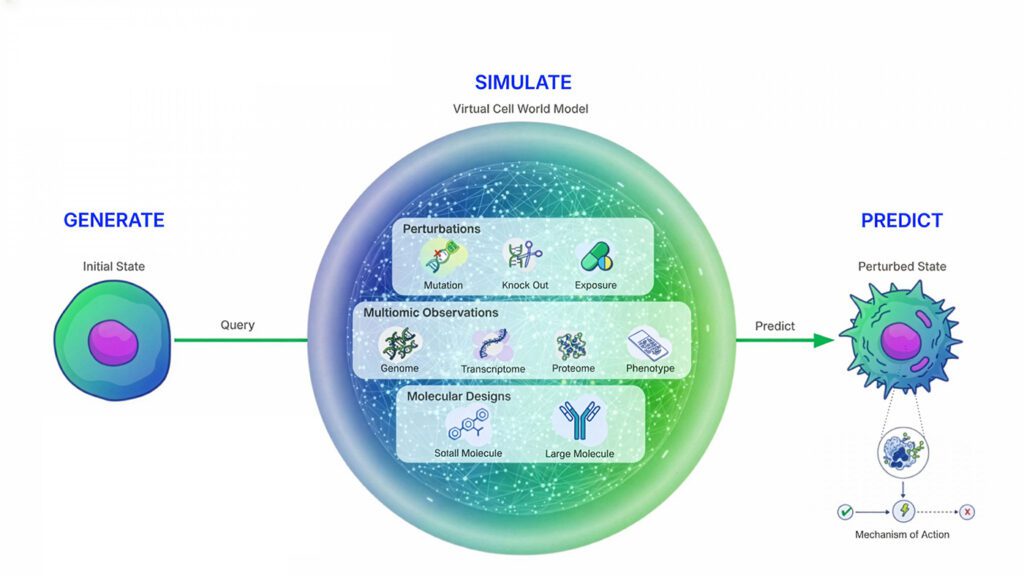
Virtual cell models that enable the prediction of cell behavior across scales and biological contexts are rapidly emerging at the forefront of drug discovery.
Tom Sercu, PhD, vice president of AI and engineering at Biohub, points to a clinician-scientist studying a rare autoimmune disease as an example of how AI models could reshape translational medicine. Starting from a patient’s genome, researchers could use virtual cells to predict how major immune cell types behave in disease versus healthy states. The result offers an invaluable tool across target and mechanism-of-action discovery, patient stratification, toxicity prediction, and therapeutic development.
Yet, building a virtual cell is not an easy feat.
“Transformative AI in biology does not come from algorithms alone, but when models are trained on large-scale, high-quality, openly accessible datasets,” says Sercu. To capture complex biology, such data must span model systems and organisms, interventional and observational methods, and diverse cellular states.
To support this mission, Biohub announced a $500 million commitment to the Virtual Biology Initiative in April. The five-year campaign will accelerate the generation of technologies and multi-modal datasets needed to power virtual cell models.
Similar to how more than 253,000 experimentally determined molecular structures in the Protein Data Bank (PDB), assembled over five decades, became foundational training data for modern AI protein-structure prediction, Sercu sees an analogous moment for cellular biology.
“We do not yet have the equivalent of the PDB for cells,” he emphasized. “The Virtual Biology Initiative seeks to change that.”
Today’s virtual cell developers reflect on what’s needed for these models to predict complex biology and overhaul drug discovery.
Single or bulk
Much of the industry has defined the virtual cell as transcriptome models that predict how perturbations alter gene expression across cellular contexts.
Among the increasingly crowded ecosystem, Arc Institute’s first-generation virtual cell model, STATE, predicts how stem cells, cancer cells, and immune cells respond to drugs, cytokines, or genetic perturbations. In March, billion-dollar-backed, Xaira Therapeutics unveiled X-Cell, the first scaling law demonstrator in the virtual cell domain, sizing up to a whopping 4.9 billion parameters. These models aim to generalize to unseen biological contexts by training on causal single-cell RNA sequencing (scRNA-seq) data.
To train X-Cell, Xaira has spent its initial years building what the company describes as “the largest genome-wide CRISPRi Perturb-seq dataset ever reported.” Named X-Atlas/Pisces, the dataset is composed of 25.6 million cells across seven screens and 16 biological contexts.
Ginkgo Datapoints, the AI platform division of Ginkgo Bioworks, looks toward bulk transcriptomics rather than a single-cell approach.
“Just like how models benefit from diversity in training data, we as an industry benefit from having diversity of approaches,” said John Androsavich, PhD, general manager at Ginkgo Datapoints. The Datapoints team applies high-throughput automation to create diverse biological datasets, including cell perturbations, antibody developability, and ADME small molecule developability data, to support AI model training for life science partners.
In March, Ginkgo Datapoints delivered the first data release of the Virtual Cell Pharmacology Initiative (VCPI). Approximately 2,280 small molecules were profiled in full dose response using DRUG-seq, a scalable arrayed transcriptomics assay measuring chemical perturbations.
In contrast to scRNA-seq, which covers approximately 1,500 genes per cell, DRUG-seq captures nearly 10,000 genes per condition with higher signal-to-noise to optimize insights for pharmacology. Notably, VCPI has exclusively focused on THP-1, a human monocytic cell line widely used across immunology, oncology, and inflammatory disease research, to understand drug action.
Across space
While the crowding around scRNA-seq has largely been driven by the pursuit of scale, “a cell is not only its RNA,” tempers Hani Goodarzi, PhD, core investigator at Arc Institute. He emphasizes that cells are complex systems shaped by multiple layers of biology beyond gene expression alone, including protein abundance, chromatin state, spatial organization, metabolism, and post-translational regulation.
A useful analogy comes from large language models (LLMs), which became powerful as text provided an exceptionally scalable substrate for training trillions of tokens. Yet, text alone is an incomplete representation of human communication.
“The lesson is not that one modality is sufficient forever,” says Goodarzi, “but that a single high-quality, scalable modality can support general representations when the training corpus is large.”
Emma Lundberg, PhD, co-founder and CSO at GenBio AI, is worried about the “streetlight effect.”
“We’re scaling what we can and not necessarily what we should,” she says.
GenBio AI seeks to develop world models that cross multiscale biology. Instead of concentrating on one data modality, the company’s so-called “AI-Driven Digital Organism” grows expertise in embedding, tokenizing, and training models across scales, from the molecular layer to regulatory networks. Rather than undergo internal data generation, GenBio AI focuses on public data and partnerships to power the company’s models.
GenBio Virtual Cell is a world model that enables biologists to explore cellular and molecular signatures, simulate how perturbations can reshape cell states across modalities and scales, and design small and large molecules for more precise targeting. [GenBio AI]
Lundberg, who is also associate professor of bioengineering and pathology at Stanford University, argues that models can guide the field to which data modalities to pursue. As an example, models that incorporate biological priors, such as protein-protein interactions, can achieve noticeable improvements in predictive performance.
Spatial and temporal data also capture critical dimensions of biological function that sequence data alone cannot resolve. According to the Human Protein Atlas, roughly 60% of human genes encode proteins that localize to multiple cellular compartments, often carrying out distinct functions depending on context.
In a May preprint posted on bioRxiv, Lundberg and colleagues introduced ProtiCelli, a deep generative model that visualizes the spatial organization of nearly the entire proteome within individual cells. By training on 1.23 million images from the Human Protein Atlas, the model simulates microscopy images for 12,800 human proteins while also generalizing to unseen cell types and drug perturbations absent from training.
Through time
Cellular Intelligence is developing a universal virtual cell signaling model designed to simulate cell-state transitions over time, with the goal of expanding the possibilities of regenerative medicine. By learning the underlying “grammar” through which sequences of signaling cues drive cell differentiation, these models aspire to enable the on-demand generation of any cell type.
Less than one percent of known human cell types can be reliably produced for downstream applications in cell therapy. As only 20 fundamental molecular signaling pathways give rise to thousands of cell states, researchers face an unfathomably large search space when engineering a particular cell type.
Cellular Intelligence CEO, Micha Breakstone, seeks to expand regenerative medicine by building a universal virtual cell signaling model to predict cell state. [Cellular Intelligence]
“Every cell that we discover or optimize opens a slew of potential applications,” said Micha Breakstone, CEO and co-founder of Cellular Intelligence. “One could spend a decade and tens of millions of dollars on painstaking trial-and-error to differentiate a new cell type, or solve this problem in one fell swoop, much like AlphaFold for the protein folding challenge.”
The company’s platform leverages a semi-permeable capsule technology, which selectively retains cells and large analytes while being freely accessible to media, enzymes, and reagents. The method enables high-throughput assays combining live-cell culture with genome-wide readouts. Millions of time-varying signal combinations are tested on human stem cell differentiation in parallel, providing 1,000 times higher efficiency than traditional methods.
In May, Cellular Intelligence advanced as a Phase II-ready clinical company after entering an agreement with Novo Nordisk to acquire STEM-PD, an allogeneic cell therapy program for Parkinson’s disease with Fast Track Designation. The deal comes six months after Novo announced its strategic exit from the cell therapy space. The start-up’s AI cell signaling models will address protocol development, one of the biggest obstacles preventing cell therapies from clinical impact.
“Novo selected Cellular Intelligence as the right partner because the next major challenge for complex cell therapy programs is not only the biology,” says Breakstone. “It is manufacturing scale-up, comparability, clinical logistics, and commercial readiness.”
As the diversity of virtual cell models targets new dimensions of complex biology, every approach takes another step closer toward clinical impact.
BackgroundSubstance use disorders (SUDs) and treatment-resistant depression (TRD) remain a major global health challenge, marked by high relapse rates and limited long-term effectiveness of existing treatments. Ketamine, a glutamatergic modulator with rapid neuroplastic effects, has emerged as a novel intervention for TRD and is increasingly investigated as an adjunctive treatment for addiction, yet concerns about its abuse liability persist.ObjectiveThis review critically evaluates ketamine’s therapeutic potential for SUDs while examining its neurobiological mechanisms, clinical efficacy, and risk of misuse within a unified risk–benefit framework.MethodsA structured narrative review conducted in accordance with the SANRA framework using the PubMed, Scopus, PsycINFO, and Web of Science databases, covering literature published until March 2026. Eligible studies included clinical trials, experimental studies, and mechanistic investigations relevant to ketamine use in addiction and depression. Evidence was synthesized thematically across the domains of efficacy, mechanisms, and safety.ResultsAcross alcohol and cocaine use disorders, ketamine combined with psychotherapy has demonstrated promising reductions in craving and increases in abstinent days in small-to moderate-sized Phase 2 trials. However, findings remain difficult to generalize due to considerable variability in dosing strategies, comparator conditions, and follow-up periods. Effects on relapse prevention have been more inconsistent and less reliably positive. Mechanistically, ketamine promotes synaptic plasticity via NMDA receptor antagonism and downstream glutamatergic signaling, potentially disrupting maladaptive reward-related memories and reversing maladaptive neurocircuitry involved in both depression and addiction. While acute adverse effects are generally transient under clinical supervision, ketamine carries a well-established risk of misuse, particularly in unsupervised or high-dose settings.ConclusionsKetamine represents a promising but still experimental intervention for both refractory depression and selected SUDs. Its clinical use depends on careful patient selection, structured delivery, and integration with psychotherapy. Although ketamine may redefine treatment paradigms for TRD and addiction, larger-scale trials and long-term safety data are essential to define its role within psychiatric and addiction treatment frameworks.
IntroductionIntravenous (IV) ketamine and intranasal esketamine are NMDA receptor antagonists used for treatment-resistant depression (TRD). Both have demonstrated efficacy in controlled trials, but observational evidence from real-world community settings is limited.MethodsWe conducted a single-center retrospective cohort study of adults aged 18 to 65 receiving induction therapy for TRD with intranasal esketamine or IV ketamine at a community psychiatric clinic from January 1 through December 31, 2025. Patients with prior exposure to either medication or to oral ketamine derivatives were excluded. The primary outcome was change in Patient Health Questionnaire-9 (PHQ-9) score from baseline to end of induction. Secondary outcomes included response (≥50% PHQ-9 reduction), remission (final PHQ-9 ≤4), clinically meaningful improvement (≥5 PHQ-9 reduction), induction completion, and adverse events. Within-group and per-protocol analyses were exploratory.ResultsSixty-three patients met inclusion criteria (esketamine n=37; IV ketamine n=26). Baseline PHQ-9 scores were similar (18.22±4.49 vs. 18.27±5.41; P = 0.967), as was mean change from baseline (-10.31±5.59 vs. -9.50±5.69; mean difference 0.81, 95% CI -2.12 to 3.75; P = 0.589). Response rates were 64.9% vs. 69.2% (RR 0.94, 95% CI 0.66 to 1.33; P = 0.790), remission 32.4% vs. 23.1% (RR 1.41, 95% CI 0.61 to 3.26; P = 0.573), and clinically meaningful improvement 83.8% vs 73.1% (RR 1.15, 95% CI 0.87 to 1.51; P = 0.353). Induction completion exceeded 90% in both groups; one patient per cohort discontinued from intolerable side effects, and no serious adverse events occurred. Within-group PHQ-9 reduction was large: 10.31±5.59 points (paired t[34]=10.91; P<0.001; Cohen’s d=1.84) for esketamine and 9.50±5.69 points (paired t[23]=8.18; P<0.001; Cohen’s d=1.67) for ketamine. Findings remained statistically significant and clinically large under a pre-specified baseline observation carried forward (BOCF) sensitivity analysis (Cohen’s d=1.65 and 1.45).ConclusionsInduction therapy with intranasal esketamine and intravenous ketamine was associated with robust antidepressant effects in a community outpatient setting, consistent with prior trial data. The modest sample size limits power to detect between-group differences and increases the risk of type II error; the absence of statistically significant between-group differences should therefore not be interpreted as evidence of equivalence. Protocol asymmetry between arms (esketamine: 12 sessions over 8 weeks; IV ketamine: 6 sessions over 3 weeks) further limits direct comparison of endpoint values between groups. Practical considerations including insurance coverage, cost, and administration logistics may help guide treatment selection. Longitudinal follow-up is planned to characterize treatment durability.
The immune-privileged environment of the inner ear permits sequential bilateral gene therapy for one form of congenital deafness, which adds to growing evidence of the feasibility, safety and efficacy of this innovative curative treatment.


 (nivolumab / nivolumab and hyaluronidase-nvhy), marketed by Bristol Myers Squibb (BMS) worldwide except Japan, South Korea, and Taiwan, where Ono Pharmaceutical markets the drug.