Why worms (and microbes) are catching on as a manure pollution solution

Anthony Agueda, a third-generation California dairy farmer, pulls a rake through a bed of dark, wet wood chips on his family’s land in Hickman, a tiny town in the state’s agricultural heartland.

He reaches down with both hands and pulls up a clump of muck, turning it over to reveal a half-dozen squirming red earthworms. There are likely hundreds of thousands more wriggling just under the surface of the three-foot mound of wood and crushed river rock before us, which stretches across the equivalent of six football fields. These natural materials form a biofilter that may dramatically cut the methane, nitrous oxide, and water pollution generated by the massive amounts of manure that hundreds of Holstein cows produce each day.

Agueda’s family business, the Alberto Dairy, was one of the first cattle operations in California to adopt this approach to manure treatment, developed and patented by the Chilean company BioFiltro. Eight more of these so-called vermifiltration systems are already operating on US dairies, according to the company, while another 16 are under construction or set to be next year, nearly all of them in California. 

Vermifiltration is just one of a variety of methods that farmers, companies, and scientists are employing to drive down manure pollution as the livestock industry faces growing pressure to address the environmental harms from one of the smelliest parts of the business. California, easily the nation’s largest milk producer, has established a handful of programs to promote their adoption, including one initiative that has funneled more than a billion dollars to farms.

Researchers stress that much more work needs to be done to determine the most effective approaches, the trade-offs between them, and their success over the long term, under actual farm conditions.

Agueda says that he and his family recognized the need to adopt new practices as environmental rules tightened. They were drawn to vermifiltration because it’s simple and relatively cheap compared with other, higher-tech options.

“California daily farmers are constantly facing more and more regulation,” says Agueda, standing alongside one of the farm’s free-stall barns. “This makes me excited, because it shows how we are part of the solution.”

The growing manure problem

Manure is responsible for a significant portion of the climate pollution from livestock operations. The World Resources Institute estimates that manure management on dairy and swine farms accounts for 1.6% of the US’s greenhouse-gas emissions. Globally, manure storage and processing makes up about 10% of the livestock industry’s contributions to climate change. 

“Farms have become larger in the past two decades or so, so there’s much more manure—and that has to be stored somewhere,” says Swati Hegde, the organization’s global manager of agricultural methane.

Typically, cattle and swine farms spray manure into lagoons or tanks, creating a foul-smelling, low-oxygen slurry in which microorganisms known as methanogens thrive. They gobble up hydrogen, carbon dioxide, and other compounds and produce methane as a by-product. Other microbes in the mix produce smaller amounts of nitrous oxide.

A pair of Holstein cows poke their heads through the rails of a free-stall barn at the Alberto Dairy.
JOE PROUDMAN/UC DAVIS

Both are particularly potent greenhouse gases, with as much as 30 to nearly 275 times the warming power of carbon dioxide, respectively, over a century.

The slurry is often spread onto fields to add nutrients to the soil. When it’s done excessively or improperly, this part of the practice can pollute soil or groundwater with drug residues, pathogens like salmonella and E. coli, and nitrates. Nitrates that leach into drinking water have been linked to a variety of human health risks. And those that flow into rivers, lakes, and coastal waters can spawn algae blooms that poison fish, block sunlight, suck up oxygen, or form large coastal dead zones devoid of marine life.

Policy drivers

A number of regions, nations, and states have passed regulations or offered subsidies designed to limit the pollution from livestock manure, but so far, most of the major initiatives have focused on water contamination rather than greenhouse-gas emissions.

The European Union, for instance, restricts the amount of manure that farmers can apply to fields and requires member nations to monitor nitrate levels in ground and surface water. The US’s Clean Water Act requires large livestock operations to obtain permits and develop manure management plans that limit pollution. 

But California has arguably done the most to use government policy specifically to drive down the methane emissions from livestock. The dairy industry accounts for about 45% of the state’s pollution from the potent greenhouse gas, and more than half of that comes from manure, according to the government’s estimates. 

In 2016, the state enacted a law that requires dairies, landfills, and other businesses to cut methane emissions 40% below 2013 levels by 2030, as part of a broader effort to reduce pollution from powerful but short-lived greenhouse gases. The measure directed the California Air Resources Board, the state’s main climate regulatory agency, to set up various incentive programs to encourage these industries to shift to cleaner practices. 

“In terms of bang for your buck, short-term benefits, methane can go a long way toward reaching climate goals,” says Tawny Mata, director of California’s Office of Agricultural Resilience and Sustainability. 

Between these various programs—and falling livestock numbers in the state—the dairy sector is on track to reduce annual methane emissions by the equivalent of 5 million metric tons of carbon dioxide by 2030, the state estimates. That would still fall about 4 million tons short of the target under the 2016 law.

The downsides of dairy digesters

Excluding the decline in herd populations—which has been driven by growing international competition and rising costs—the vast majority of California’s estimated methane reductions come from the use of what are known as anaerobic digesters. This technology entails covering the slurry lagoons to prevent methane from leaking into the air and then piping the biogas into separate vessels, where it’s cleaned and converted into natural gas. 

Under California’s Low Carbon Fuel Standard program, dairies that use digesters to produce gas delivered into pipelines can earn credits and sell them to petroleum refineries and other major polluters, as a means of helping those companies meet their own emissions reduction requirements. 

The gas can then fuel power plants, produce hydrogen, or power natural-gas vehicles. These uses still release carbon dioxide, but the state considers it a climate win because it avoids the release of methane, which traps even more heat. 

The rich revenue stream from California’s program has spurred hundreds of US farms to install anaerobic digesters over the last decade. Since 2020, it has produced more than $1 billion for farms, Cal Poly researchers noted in a paper last year.

But there are a variety of concerns about this approach.

The first is that it’s viable only for farms with about 2,000 cattle or more, because the equipment is very expensive to install, says Frank Mitloehner, a professor and chair of the Department of Animal Science at the University of California, Davis.

“For the lion’s share of dairies, digesters will not be a solution,” he says. 

Since the manure is often still spread across fields, digesters also do little to address the water pollution problems—and can even exacerbate them because of some of the chemistry that occurs during that process. 

Yet the huge subsidies flowing to digesters have steered money, energy, and attention away from other solutions that may offer better overall environmental outcomes, says Danny Cullenward, a senior fellow with the Kleinman Center for Energy Policy at the University of Pennsylvania, who has closely studied the California program.

“That is really not a solution at scale, and it’s diverting a huge fraction of precious resources to what I think is mostly not the right answer,” he says. 

Alternatives

The high up-front costs and limitations of digesters have spawned growing interest in alternative solutions—many of which work by reducing the formation of methane in the first place instead of turning that methane into a sellable fuel.

One of the cheapest, easiest, and most popular approaches, known as solid separation, uses simple machinery like a screw press to squeeze much of the water out of the manure slurry. The remaining solids are dry and exposed to open air, shifting away from the oxygen-free conditions in which methane is readily produced.

Other methods include increasing acidity in lagoons, bubbling air through them, or adding methane-eating microbes to the slurry, all of which alter the chemistry in ways that promise to reduce the amount of methane released. One company, Sedron Technologies of Sedro-Woolley, Washington, has also developed a sort of high-tech solid separation approach that extracts several marketable products from the animal waste, including a liquid organic fertilizer.  

The state of California set up a pair of additional programs to help smaller farmers adopt some of these other approaches, dubbed the Alternative Manure Management Program and the Dairy Plus Program.

The bulk of the funds have gone to solid separation systems. But the state has provided more than $18 million to support 15 vermifiltration projects. The Alberto Dairy has received nearly $2 million between the two programs.

Oreo cows

As I drove down a dusty road bordering the dairy, black-and-white bovines, affectionately known as Oreo cows, stretched their heads through the rails of an open barn, nibbling on golden silage scattered along the structure. Agueda’s grandfather Antonio Alberto founded the dairy 45 years ago in nearby Atwater, California, but eventually settled in Hickman, population 604, in 1989. 

A series of large metal contraptions separate most of the solids from the manure wastewater.
JOE PROUDMAN/UC DAVIS

It was mid-March but already above 80 °F in the Central Valley, which is walled off from the cool Pacific air by the coastal mountain range. Knee-high oat stalks swayed in fields that stretched to a line of almond trees in the distance.

Agueda, who graduated from Fresno State last year and now helps lead the operations on the farm, met me and UC Davis’s Mitloehner, who has studied the effects of vermifiltration, along the side of the barn. (UC Davis has no affiliation with the farm, but the university helped facilitate the meeting.)

He led us along dirt lanes as he explained the workings of the vermifiltration system, which they began using in October 2024.  

As before, a flush system washes manure from the floors of the barns into a large collection pit. But now a set of pumps funnels it through a series of large V-shaped metal contraptions standing on a nearby concrete pad, where mechanical screens separate most of the solids from the water.

A conveyor belt takes away the solids, which the farm composts for cow bedding or fertilizer. The remaining liquid moves through a system of pipes, first to settling ponds and then on to an irrigation system suspended above the vermifiltration beds. The long, tubular structure runs over the mounds on wheels set in gravel tracks, wetting the wood chips as it goes. The worms and various microbes residing in the biofilter then set to work consuming much of the remaining solid material, according to BioFiltro.

An irrigation system sprinkles wastewater onto the vermifiltration beds.
JOE PROUDMAN/UC DAVIS

“Once the water is sprinkled on top, it takes about four hours from beginning to end for it to percolate through and drain to the end,” Agueda says.

He then defers to Mitloehner to explain the science of what happens as it does, adding, “I’m just the dairyman.”

The science

Mitloehner says he was skeptical of BioFiltro’s claims when he first heard them, particularly the assertion that the system could nearly eliminate nitrogen and, with it, the various forms of pollution it can produce, including ammonia and nitrates. 

So he decided to study a similar setup at the Fanelli Dairy, an operation in Hilmar, California, about 20 miles to the south. He and colleagues monitored the emissions from wastewater samples that were taken from the system before and after the liquid moved through the filter. In a paper published in 2018, the researchers concluded that vermifiltration reduced ammonia emissions from the resulting water by about 90%.

BioFiltro, whose tagline is “worm-powered solutions,” states that its technology “catalyzes the digestive power of worms and microbes to remove up to 99% of wastewater contaminants.”

But Mitloehner questions how big a role the invertebrates play in the process, calling it “kind of a catchy narrative.”

His take is simpler: The rocks and wood chips form a porous filter that replaces the anaerobic environment of a manure lagoon with an aerobic one. And in that oxygen-rich environment, different types of microbes thrive. 

His study suggests that these microbes are highly effective at converting nitrogen compounds in manure into nitrogen gas—a benign gas that makes up 78% of Earth’s atmosphere—instead of ammonia. That’s notable because while ammonia in manure acts as a fertilizer when it’s applied to fields, it also converts into the nitrates that can leach into groundwater.

Several more recent studies, which were partially or fully funded by BioFiltro and one of its regional distribution partners, Organix, produced similarly promising results. For instance, a 2022 study in Bioresource Technology Reports, also conducted at the Fanelli Dairy, concluded that the filter removed nearly 85% of the nitrogen in the operation’s wastewater. 

But a befuddling wrinkle is that when it came to methane, those studies and Mitloehner’s independent one found nearly opposite results.

While both the company- and partner-supported studies concluded that the filter eliminated the vast majority of methane pollution, Mitloehner’s study found that methane emissions were nearly 85% higher than those from the lagoon. 

In a follow-up email exchange, Mitloehner stressed that it’s not appropriate to compare his results with those that emerged from the other study at the same dairy, because the teams used very different methods, instruments, and measurement periods. Moreover, the focus of his research was the effect on nitrogen.

""
Anthony Agueda pulls a rake through a vermifiltration bed at his family’s dairy.
JOE PROUDMAN/UC DAVIS

He said it’s “entirely reasonable” and “biologically plausible” that vermifiltration could substantially reduce methane emissions, simply by creating that aerobic environment.

“That said, I would be cautious about calling the magnitude of the reduction a fully settled issue,” he added. “While the available studies, including those you mentioned, point in the same general direction, the number of independent studies remains relatively limited, and results can vary.”

Patrick Beckett, BioFiltro’s vice president of quality and R&D, also stressed that there were crucial differences in the methodology of Mitloehner’s study that could have affected his methane findings.

In addition, he said the Organix funding came by way of a Washington state grant and described that study and the one BioFiltro supported as “high quality, peer reviewed” research that “has been submitted to other technical third parties for review and acceptance.”

Beckett says he agrees that additional independent reviews of BioFiltro’s systems is “fair and necessary” and notes that other studies have occurred or are underway.  

“That said,” Beckett wrote in an emailed response to questions from MIT Technology Review, “it seems unreasonable that BioFiltro would be held to a standard of not being allowed to invest in technical research by qualified third parties to learn more about the capabilities of our technology, and use the results of that research to enter new markets and to understand the value we can bring to projects or entire industries beyond water treatment.”

Milk money

BioFiltro is already building a business model around the available findings.

The company, founded in 2009, has been selling its vermifiltration systems or services to other industries around the world for years. It says there are around 225 operating in nine countries, at sites including municipal wastewater facilities, wineries, fruit processors, and other industrial operations.

But BioFiltro, whose US headquarters are in Davis, California, is seeing increasing demand among dairies as the industry faces growing pressure to address manure pollution. Late last year, it raised $35 million that the business says it will use, in large part, to accelerate its growth across the sector.

In an interview, Sarah Ploss, the company’s senior vice president of agriculture, explains the basic financial template for how it works with dairies: BioFiltro pays for, owns, installs, and operates the system. The farm, in turn, covers a share of the additional electricity, operations, and maintenance costs. 

Ploss says the dairy gets back clean water and the ability to focus on what it does best: producing milk. For its part, BioFiltro can generate carbon credits from the reduction in greenhouse gases, which it can then sell to makers of consumer packaged goods that are looking for ways to address the emissions throughout their supply chains, she says.

BioFiltro says that Verra, which sets standards for and assesses greenhouse-gas crediting projects, has registered two of its projects: the Royal Dairy and Moxee Dairy, both in Washington.

The Swiss confectionary giant Nestlé has bought more than 150,000 credits generated by the Royal Dairy’s vermifiltration system, according to an offsets database managed by CarbonPlan, which assesses the scientific integrity of climate action programs. Ploss said that BioFiltro has sold more than 200,000 credits from the project so far, and adds that it secured a different buyer for a project in California, which she said she couldn’t name. 

The vermifiltration system has cleaned up the water that circulates through various parts of the Alberto Dairy operation.
JOE PROUDMAN/UC DAVIS

Three additional projects involving BioFiltro systems took the initial steps to become registered through Verra but didn’t move forward and weren’t built, Ploss said in an email. The request for registration for the Alberto Dairy estimates that the system there will reduce emissions by the equivalent of more than 30,000 metric tons of carbon dioxide per year. 

BioFiltro could take advantage of another revenue source as well: selling what it calls vermicompost, a rich soil additive composed of the leftover materials in the biofilter, including worm castings—a combination of cocoons, excrement, and remains. At retail, worm castings can run more than $500 per ton.

Beckett says the company is still developing that market but notes that it could help the industry offset rising fertilizer costs. 

“I think we’re going to enable a larger-scale use and adoption of it that could be meaningful to agriculture,” he says, adding: “These will become basically soil production facilities.” 

Concerns

Determining how well vermifiltration and other manure management approaches work will require more time and more research, experts say. 

Katharine Dickson, an agricultural emissions scientist who recently finished a postdoctoral program at UC Davis, says there should be in-the-field accounting to ensure that any of these methods are working as well as hoped—or to the degree government policy programs assume. All of which is tricky to achieve given the dynamic biological processes playing out in live animals and microbial communities on open farms, she adds.

“Vermifiltration, for example, depends on a live earthworm population whose performance is sensitive to temperature, moisture, and toxicity, and can shift with seasonal conditions or changes in herd size and manure characteristics on a given farm,” Dickson said in an email. 

The use of carbon credits to earn money from vermifiltration projects raises a different set of potential concerns. Most notably, if the methane decreases aren’t as significant as assumed, the projects could receive more credits than they deserve. 

There are more complicated issues as well. For the carbon credit system to make any real difference in the net amount of greenhouse gas in the atmosphere, it must produce emissions reductions that wouldn’t have occurred without that financial incentive. If it was going to happen anyway—as a result, say, of rich grants, legal pressures, or looming policies—the buyer of the credits can’t legitimately claim to have made any progress on its own climate emissions, says Grayson Badgley, a research scientist at CarbonPlan.

On that point, if California agriculture doesn’t meet its looming methane reduction targets, the carrots the state offers could be replaced by sticks: The California Air Resources Board recently began discussing rules that would force, rather than nudge, the sector to meet the 40% reduction required under the 2016 law.

“If lots of dairies are cleaning up their act ahead of pending regulation, it really does seem like the regulation, not offsets, is driving that action,” Badgley wrote in an email. “Trying to collect as many offsets prior to that deadline might adhere to the rules of the market, while still raising questions about whether those rules have enabled real climate action.”

Investing in sustainability 

Beckett disagreed that the possibility of forthcoming regulations undermines the case for generating carbon credits from current projects. 

“It’s true the state has net reduction targets that it hopes to meet, but it’s clear the state of California has favored market-based solutions and tried to provide some support via grant programs,” he wrote. “I’m on the science side of our business, not the business development side, but still think I can tell you with complete transparency that we would not have systems installed on [California] dairies without the sale of voluntary carbon credits.”

Ploss also stressed that the company goes through a careful “validation and verification process” on the farms to understand how much vermifiltration reduces greenhouse gases.

“We’ve got sensors and cameras and all sorts of stuff so that we can look into any of our systems, 24-7,” Ploss says. “We know through sampling. We know through what’s going through the system, what came out of the system. We know by all the measurements on any given month: What did that system do in terms of generating carbon credits?”

Agueda also disputes the critique. 

“The installation of the vermifiltration system would not have occurred without the ability to generate carbon credits,” he said in an email. “The project required a substantial capital investment, and the anticipated carbon credit revenue was a key factor in making the investment financially feasible.”

Anthony Agueda helps to lead the operations at the Alberto Dairy.
JOE PROUDMAN/UC DAVIS

California decided to incentivize vermifiltration, along with other approaches, because it can offer multiple benefits, including cleaner water, less nitrogen, and lower greenhouse-gas emissions, while also creating economic value from manure, wrote Roberta Franco, a senior environmental scientist at the California Department of Food and Agriculture, in an emailed response to questions from MIT Technology Review.

She added that the decision was based on a number of studies as well as the 2022 recommendations from a task force composed of scientists, technical experts, and others. 

Even if California has made missteps, most notably in funneling too much money to anaerobic digesters at the expense of other methods, it’s created a test lab that’s achieved real progress and provided lessons that other regions can learn from.

One way or another, more parts of the world will need to set up similar programs, offering greater support or creating stricter rules, if we hope to really drive down the emissions from manure, says Maria Bowman, who leads the Agricultural Nitrogen Transformation Program at Spark Climate, a San Francisco nonprofit.

For his part, Agueda says that the vermifiltration system has offered a number of benefits to his family’s farm, at little additional cost to them. By cleaning up the water that cycles back through their flush and irrigation systems, the biofilter has reduced clogging, decreased odors, and improved the health of the herd.  

He says that each generation modernizes dairy farming in its own way. His father and uncle, for instance, incorporated computers and data management systems into the daily operations of the Alberto Dairy. He believes it’s the responsibility of his generation to make a similar effort to reduce the pollution that’s long plagued the sector.

“We knew that in the next generation we have to invest in environmental sustainability,” he says. “We didn’t know if it was gonna work or not, but we’re very happy with how it’s turned out.”
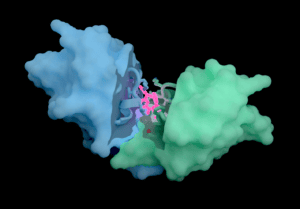
New sa‑mRNA and LNP Platform to Support Korea’s Hantavirus Vaccine Initiative

With hantavirus thrust into the public spotlight in recent months, a new effort in South Korea aims to advance vaccine development against the rodent-borne pathogen using mRNA technologies.

Korea University College of Medicine has been selected to lead a government-supported initiative focused on developing next-generation hantavirus vaccines. The program will be conducted through the institution’s Vaccine Innovation Center.

Hantaviruses are carried primarily by rodents and can infect humans through exposure to contaminated urine, droppings, or saliva. Depending on the viral strain, infection can cause hantavirus pulmonary syndrome (HPS), a severe respiratory illness, or hemorrhagic fever with renal syndrome (HFRS), a disease characterized by kidney dysfunction and bleeding complications. Although relatively rare, hantavirus infections can carry high mortality rates and remain a public health concern in parts of Asia, Europe, and the Americas.

The renewed focus on vaccine development comes amid growing interest in preparedness for emerging and re-emerging infectious diseases. While mRNA technology gained worldwide recognition during the COVID-19 pandemic, researchers have increasingly explored its application against a broader range of viral threats.

According to Korea University, the newly funded program will leverage the rapid development potential of mRNA platforms to generate vaccine candidates targeting hantavirus infection.

“The Vaccine Innovation Center is the only private-sector vaccine research and development institute in Korea established to carry forward the scientific legacy of Dr. Ho-Wang Lee, who first discovered the hantavirus,” said Hee-Jin Cheong, MD, PhD, director of the Vaccine Innovation Center. “Beginning with hantavirus vaccine development, we aim to lead infectious disease research in Korea and contribute to improving public health.”

The initiative will draw on two domestically developed technologies: self-amplifying mRNA (sa-mRNA) and a next-generation lipid nanoparticle (LNP) delivery platform. Unlike conventional mRNA vaccines, sa-mRNA contains genetic instructions that enable replication of the RNA within cells, potentially generating stronger immune responses while requiring lower doses. The platform is intended to support rapid vaccine development and manufacturing while reducing dependence on overseas intellectual property.

The project builds on research conducted over the past two years at the Vaccine Innovation Center in collaboration with Moderna. The new program will seek to translate preclinical study findings into a next-generation vaccine candidate developed in partnership with biotechnology companies.

Under the two-year project timeline, researchers will spend the first year optimizing vaccine candidates and evaluating their efficacy. The second year will focus on Good Manufacturing Practice (GMP)-compliant production and safety testing.

Researchers have increasingly viewed mRNA platforms as particularly attractive because they can be rapidly redesigned when emerging threats arise. Lessons learned from COVID-19 vaccine development have helped establish manufacturing, regulatory, and clinical frameworks that may accelerate future vaccine programs.

As concern over emerging infectious diseases continues to shape global health priorities, programs such as this one may help expand the range of vaccine technologies available to combat pathogens that have historically received limited research attention.

The post New sa‑mRNA and LNP Platform to Support Korea’s Hantavirus Vaccine Initiative appeared first on GEN – Genetic Engineering and Biotechnology News.

Fatherhood and addictive disorders: experiences and support needs – results of a qualitative interview study

ObjectivesParental addictive disorders are a major public health problem. Despite already known negative effects, the parental role of men seeking help is rarely acknowledged within addiction support services. This study aims to identify existing relations between fatherhood and addiction, and the resulting support needs of affected fathers.MethodsFor data collection 15 fathers with addictive disorders were interviewed by using qualitative, guided interviews. The data material was analyzed using qualitative content analysis.ResultsThe effects of addictive disorders on fatherhood are predominantly unfavorable. Conversely, fatherhood can have consumption-reducing as well as consumption-increasing effects. In this context, five topics were identified in which fathers expressed specific support needs. Particularly fathers with substance use disorders expressed their need for further support, while fathers with behavioral addictions expressed a lesser need.ConclusionsPaying attention to fatherhood in the context of addiction services provides a starting point for increasing the motivation to change. Individual support needs should be considered when implementing father-specific programs. Not only the fathers themselves, but also their children can benefit from successful treatment and expected changes in fatherhood.

Pharma Races to Scale AI as Billions Flow into Drug Discovery

The infrastructure moment for AI-driven drug discovery continues to accelerate, with billion-dollar investments flowing into end-to-end platforms driven by models and compute, rather than single drug assets.

Underpinning this trend is the proliferation of AI reasoning workflows that accelerate biomedical research and large integrated datasets spanning genomics, transcriptomics, proteomics, metabolomics, and more. Together, these capabilities are enabling more powerful models of biological complexity for a new era of programmable therapeutics guided by prediction and rational design.

“This isn’t about developing therapeutics for a particular indication or target,” explained Max Jaderberg, PhD, president of Isomorphic Labs, on the Training Data podcast. Instead, the Google DeepMind spinout is building a general design engine applicable to any disease area.

Investors and pharma giants have rallied behind that vision. In May, Isomorphic announced a whopping $2.1 billion raise led by Thrive Capital. The AI drug developer has also secured major partnerships with Novartis, Eli Lilly, and Johnson & Johnson to embed AI-driven discovery workflows into pharma’s R&D pipeline.

While traditional drug discovery programs can be limited to known binding pockets revealed by structural biology, Isomorphic’s platform, known as IsoDD (Isomorphic Labs Drug Design Engine), expands the druggable landscape by probing previously inaccessible biology.

The platform’s capabilities include predicting induced-fit interactions, in which proteins change shape upon ligand binding, and identifying cryptic binding pockets that remain hidden in the absence of a ligand. IsoDD is also versatile across multiple drug modalities, including de novo antibodies and other large biologics.

The Isomorphic Labs Drug Design Engine is able to predict the location of cryptic pockets at protein interfaces. A cryptic pocket is a ‘hidden’ binding site on a protein that is invisible under normal conditions but opens up when a specific molecule interacts with it. [Isomorphic Labs]

Isomorphic is only one vignette of DeepMind’s growing influence in life sciences. The AlphaFold developer is now building the AI scientist to accelerate the scientific method. In May, the team published a Nature study describing Co-Scientist, a multi-agent system built with Google’s Gemini that demonstrated an array of therapeutic applications, including drug repurposing, novel target discovery, and explaining mechanisms of anti-microbial resistance.

Decoupled from clinical proof

The industry’s investment in AI extends well beyond Isomorphic Labs. In recent months, a wave of major partnerships has emerged to train biological foundation models with proprietary datasets from leading pharma companies.

In May, Genesis Molecular AI and Incyte announced an expanded collaboration with a potential payoff that exceeds $1 billion. The partnership will apply the GEMS (Genesis Exploration of Molecular Space) platform for protein-ligand structure and property prediction across a wider set of difficult targets in Incyte’s pipeline, while incorporating Incyte’s proprietary data to improve GEMS’s performance.

Just two weeks later, AI biologics company Chai Discovery unveiled a licensing agreement with Pfizer that provides the pharmaceutical giant with early access to Chai-3, the company’s AI model for de novo antibody design, as well as a custom model trained on Pfizer’s proprietary data.

Meanwhile, Lilly has emerged as one of the industry’s most aggressive adopters of AI. In addition to securing its own AI-focused partnership with Chai in January, Lilly recently selected Tamarind Bio to host the inference infrastructure for TuneLab 2.0, a federated AI/ML drug discovery platform that gives biotech partners access to models trained on Lilly’s proprietary data.

Observing this massive investment into AI-native biotechs, commentators on social media were quick to note that few AI-designed drugs have reached the clinic.

In Isomorphic’s case, biotech and AI analyst Andrii Buvailo, PhD, posits that Thrive and Google’s parent company, Alphabet, have deep conviction in the company’s platform, AlphaFold lineage, and pharma partnerships, and are locking in ownership before clinical data resets the company’s valuation.

The alternative scenario, writes Buvailo on LinkedIn, is that the AI drug discovery valuation cycle has fully decoupled from clinical proof, and “we are watching capital chase computational promise on its own terms.”

Previously unsolvable

As the AI biology ecosystem grows increasingly crowded, some investors are explaining how they make their bets.

For Rohan Ganesh, a partner at Obvious Ventures, differentiation comes from pursuing problems that others are unable to tackle. He points to Obvious portfolio company, Inceptive, which is developing foundation models for sequence-based medicines that generalize across programs, including RNA interference (RNAi) therapies that silence disease-causing genes.

Benedetta Bernasconi, part of Inceptive Operations, observes automated RNA synthesis at the Inceptive wet lab in Palo Alto. [Inceptive]

Inceptive is led by CEO Jakob Uszkoreit, co-author of the seminal paper, “Attention Is All You Need,” which introduced the transformer architecture underpinning today’s large language models. Recently, the company announced a collaboration with Alnylam Pharmaceuticals to advance small interfering (si)RNA design by modeling target mRNAs while jointly exploring novel chemical modifications to enhance potency and efficacy. That partnership is worth up to $2 billion with upfront consideration of $30 million.

Ganesh also argues that owning business outcomes may be the most important aspect of differentiation. As an example, another Obvious-backed company, Inductive Bio, builds virtual labs that combine AI chemistry assistants, predictive ADMET (absorption, distribution, metabolism, excretion, and toxicity) and PK (pharmacokinetics) models, and human-relevant digital organ technologies to surface key risks earlier and accelerate candidate nomination timelines by months.

The platform gained external validation in February, when Inductive placed first in the OpenADMET-ExpansionRx blind challenge, a benchmarking competition in which participants predict properties of previously unseen compounds from real-world drug programs.

“A model that’s accurate but doesn’t change the pace or probability of success in the clinic is meaningless,” Ganesh told GEN.

Benedetta Bernasconi, part of Inceptive Operations, observes automated RNA synthesis at the Inceptive wet lab in Palo Alto. [Inceptive]

When Jim Tananbaum, MD, founded Foresite Capital in 2011, he believed that data, science, and machine learning were going to dominate the conversation for the foreseeable decades. Foresite was among the early investors in data generation for causal analysis and went on to back some of the leading players in the genomics space, including 10x Genomics and Element Biosciences.

A key metric of AI’s success, according to Tananbaum, is whether the technology can unlock previously intractable problems, such as neurological disease. In this vein, Foresite-backed Insitro, founded by CEO Daphne Koller, PhD, announced an expanded collaboration with Bristol Myers Squibb to advance a broadened portfolio of therapeutic programs for amyotrophic lateral sclerosis (ALS) in March.

Foresite is also among the investors of closely watched AI unicorn, Xaira Therapeutics, which launched in 2024 with more than $1 billion in funding. Xaira has spent its initial years building virtual cell models trained on scalable single-cell perturbation datasets to advance target and mechanism-of-action discovery, patient stratification, and toxicity prediction.

“Genetic, biochemical, and multiomic data go hand-in-hand in untangling the biological relationships that will be fundamental for automating discovery,” Tananbaum told GEN.

Window for innovation

Jory Bell, general partner at Playground Global, concurs that “the special sauce” is in the data, not the model. He cites portfolio company Manifold Bio, which is building an AI-driven platform that scales in vivo measurements for biologics, such as PK and biodistribution, valuable for addressing challenges in tissue-specific delivery.

“Any biotech startup these days will be using AI as a core part of workflow, so the critical question is how you actually apply the AI,” Bell told GEN.

Simon Barnett, partner at Dimension, describes an investment thesis where small, focused groups effectively using machine learning will be wildly successful, regardless of whether they pursue therapeutic assets.

Notably, Dimension led Tamarind’s $13.6 million Series A in February, betting that as biology foundation models mature, the industry will move from piecemeal adoption to large-scale deployment of integrated model ecosystems.

“Platform companies need strong, informed views on whether frontier AI labs may eventually subsume their technology,” says Barnett. “Everyone needs something uniquely valuable that confers a durable advantage, whether it’s their team, cycle time, data assets, structural positioning, or something else.”

Dimension’s early bets paid off earlier this year, when portfolio company Coefficient Bio, a roughly 10-person AI drug discovery start-up founded by former Genentech scientists, was acquired by Anthropic for $400 million.

At SynBioBeta’s annual conference in May, Eric Kauderer-Abrams, PhD, head of biology and life sciences at Anthropic, said the team has focused primarily on the technical core, training AI assistant, Claude, in scientific fundamentals spanning chemistry, structural biology, and bioinformatics.

“Our thinking with the [Coefficient] acquisition was to accelerate the other side for biotech operators,” said Kauderer-Abrams. “How do we actually plan out and manage a biotech program from start to finish and make choices along the way?”

Taken together, Dov Gertz, PhD, co-founder and CEO of Converge Bio, reiterates that modern AI, particularly deep neural networks and their derivatives, has powered a dramatic transition from predictive modeling to generative design. However, the shift is still early, having only taken hold in the past decade. “Don’t expect a generatively designed molecule to reach patients for another seven years,” he tempered on LinkedIn.

Nevertheless, now is the time to invest.

“If you wait for that first FDA approval before engaging with the technology, you’ve likely already missed the most valuable window for innovation,” wrote Gertz. “Drug discovery rewards those who can see where the field is heading, not just where it is today.”

While time will tell how these bets translate in the clinic, one belief is deepening across the industry: that AI’s most important application is to improve human health.

The post Pharma Races to Scale AI as Billions Flow into Drug Discovery appeared first on GEN – Genetic Engineering and Biotechnology News.

Targeted stool metabolomics suggests exploratory catecholamine- and tryptophan-linked metabolic features in autism spectrum disorder

BackgroundGut-brain axis dysregulation and microbiome-linked metabolic alterations have been implicated in autism spectrum disorder (ASD), but the contribution of gut-derived neuroactive metabolites remains incompletely characterized.MethodsWe conducted a cross-sectional case-control study of 59 participants (32 ASD, 27 controls) and quantified 18 stool metabolites related to catecholamine synthesis, inhibitory neurotransmission, and tryptophan-linked NAD+-precursor metabolism using targeted liquid chromatography-tandem mass spectrometry. Group differences were assessed using fold-change analysis and linear models adjusted for age and sex. Random forest models evaluated classification performance, and within-group Spearman correlations were used to examine metabolic relationships.ResultsNorepinephrine showed the largest increase in ASD, whereas dopamine and tetrahydrobiopterin exhibited nominal group differences that did not remain significant after correction for multiple testing. A three-metabolite panel comprising tetrahydrobiopterin, γ-aminobutyric acid, and kynurenine showed exploratory discrimination between groups (area under the receiver operating characteristic curve = 0.750, 95% confidence interval 0.622–0.878), but this performance requires external validation. Correlation analysis revealed conserved bile acid coupling in both groups. In controls, tryptophan was positively associated with kynurenine, whereas this relationship was not observed in ASD. Instead, ASD samples showed broader associations between tryptophan and metabolites linked to neurotransmission and NAD+-precursor metabolism.ConclusionStool metabolite profiling revealed altered organization of tryptophan- and catecholamine-linked metabolic associations in ASD and identified a small metabolite panel with exploratory discriminative potential. These findings provide a foundation for future studies examining gut-derived neuroactive metabolites in ASD and their relationship to gut-brain axis biology.

Construct Validation of a Remote Brain Health Assessment Battery to Evaluate Vocational Aptitude and Factors Associated With Cognitive Resilience in the Military: Observational Trial

<strong>Background:</strong> Vocational aptitude and cognitive resilience predict military success, yet current assessments rely on resource-intensive, in-person testing that limits scalability. A brief, self-administered, remotely deployable computerized battery offers a practical solution for large-scale screening and monitoring. <strong>Objective:</strong> This study aims to deploy a set of computerized assessments among National Guard recruits and assess their preliminary construct validity against a standardized aptitude measure and a research-based proxy for cognitive resilience. <strong>Methods:</strong> In this observational study, 267 enlisted service members from the Minnesota Army National Guard participated in 2 complementary ethics-approved observational trials: Office of Naval Research Neuropsychometrics and Advancing Research on Mechanisms of Resilience (ARMOR). National Guard soldiers in ARMOR completed the Armed Forces Qualification Test (AFQT), Penn Computerized Neurocognitive Battery (Penn CNB), and a 20-minute computerized brain health assessment battery (BrainHQ) at separate time points over the course of their military careers. BrainHQ assessments consisted of adaptive psychophysical tasks measuring the speed and accuracy of visual and auditory information processing. The battery assessed decision-making speed, emotion-processing speed, selective attention under speeded conditions, working memory capacity for speeded visual elements, verbal memory and learning of speeded speech, and problem-solving speed. The Penn CNB included nonspeeded neuropsychological assessments of executive function, verbal memory, social cognition, and reasoning. Linear regression evaluated the association between BrainHQ performance and AFQT percentiles, and partial correlations assessed associations between conceptually related BrainHQ and Penn CNB subtests. <strong>Results:</strong> Participants were predominantly young (mean age 19.1 years) and male (178/267, 66.7%). BrainHQ performance was significantly associated with enlistment eligibility and vocational aptitude, as measured by the AFQT (<i>P</i>&lt;.001), after controlling for age and education. The overall model explained 24.4% of the variance in AFQT percentiles (adjusted R2=0.227). The BrainHQ assessment composite was the strongest predictor, uniquely accounting for 19.2% of the variance and supporting the construct validity of aptitude. These associations persisted despite the temporal separation between assessment time points. Quartile analyses showed graded relationships between BrainHQ performance and AFQT eligibility thresholds, with higher BrainHQ performance associated with progressively greater probabilities of meeting higher AFQT benchmarks. Preplanned partial correlations between BrainHQ subtests and standardized neurocognitive measures from the Penn CNB showed significant positive associations (r=0.17-0.25; all <i>P</i>&lt;.001 to .02) with cognitive domains typically associated with cognitive resilience. <strong>Conclusions:</strong> A brief, self-administered, and scalable brain health battery demonstrates associations with military vocational aptitude and with neurocognitive domains associated with cognitive resilience. Future studies should evaluate whether integrating these assessments into current practices predicts success in Basic Combat Training, guides military progression, and supports long-term cognitive screening and monitoring across the Armed Forces.

Biomarkers Could Help in Antidepressant Choice

Antidepression treatment based on a person’s individual biomarkers could help determine which of the world’s most popular medications to use, a clinical trial suggests.

The SMART Trial to Predict Anhedonia Response to Antidepressant Treatment results suggest that behavioral, brain, and clinical data could together determine the optimal antidepressant to choose before a person starts treatment.

There were no significant primary endpoint differences in depression outcomes between participants who received bupropion or sertraline based on biomarkers identified in the prior Establishing Moderators and Biosignatures of Antidepressant Response in Clinical Care (EMBARC) study.

But people negative for biomarkers with both drugs had significantly worse depression symptom trajectories than those who had at least one positive biomarker, regardless of the drug they received.

Response rates among participants with both biomarkers were almost double that of those without any biomarkers, with those who had at least one biomarker having an intermediate response.

“Our results suggest that we could boost response rate by using two sets of biomarkers previously identified in the EMBARC study, making an important contribution to advancing the goals of precision psychiatry,” reported Peter Zhukovsky, PhD, from Harvard Medical School, and co-workers in Nature Mental Health.

“Ultimately, we strongly hope these advances will enable personalized treatment guidance to accelerate and boost antidepressant benefits.”

Treatment for depression is often still trial and error, with symptoms improving in only half the people taking an antidepressant. This could be due to treatments not being chosen based on people’s individual characteristics.

Finding markers that predict response to different antidepressants could therefore provide patients and clinicians with valuable information to guide treatment choice.

The trial was among the first to investigate how treatment could be guided using clinical information such as responses to questionnaires, behavioral information such as performance in computerized tasks, and brain data such as magnetic resonance imaging (MRI) scans.

It was carried out as part of the Wellcome Leap Multi-Channel Psych Program effort to double the number of people who respond to the first treatment they try for depression via the integration of multimodal biomarkers.

Firstly, the researchers investigated biomarker models that predicted response to the selective serotonin reuptake inhibitor (SSRI) sertraline or the norepinephrine-dopamine reuptake inhibitor bupropion using the EMBARC study.

The treatment-assignment algorithm that was developed generated two marker-based indications for each patient—one for bupropion and sertraline—with the predictive model achieving a cross-validated area under the curve of 0.86 and 0.66, respectively.

The team then examined whether antidepressant response could be boosted using their created biomarker combination of a functional MRI imaging marker, reward learning and sensitivity, cognitive control, the clinical variables of depression severity and neuroticism, and the demographic variable of employment status.

After analyzing these biomarkers among participants, who had major depressive disorder, the group was randomly assigned to receive a full 8-week course of an SSRI or non-SSRI.

The primary outcome was the change in depression severity from pretreatment baseline to eight weeks after the start of treatment, with no significant differences in treatment outcomes for those assigned a drug consistent versus inconsistent with their biomarkers.

This, the researchers say was possibly due to the limited power to detect moderate effects.

However, significant differences emerged in symptom reduction trajectories for those with positive markers for both medications, with a response rate of 71.4% compared with 65.4% for those with a positive biomarker for either drug and 42.9% for those with two negative markers.

The authors concluded: “We found that, relative to patients with two negative markers, those with one or two markers were characterized by significantly larger reduction in depressive symptoms, showing that biomarker-guided treatment selection can boost efficacy for two of the most widely prescribed antidepressants around the world.”

The post Biomarkers Could Help in Antidepressant Choice appeared first on Inside Precision Medicine.

Merck and Insilico Make Deals, Claude Science’s Debut, Vaccines for Neglected Diseases

More big biotech deals on the docket this week. First, Merck KGaA is buying Bio-Techne for $11.3 billion to expand its presence in high-growth life science markets. We dive into the details of this deal and then turn our attention to a $2.5 million collaboration to use artificial intelligence to find drug candidates for neuroimmune disorders. That deal involves Insilico Medicine and SK Biopharmaceuticals. Still on the theme of AI, we discuss Anthropic’s Claude Science, the latest entrant to the growing ecosystem of tech platforms specialized for biology, and a set of models for antibiotic design and vaccine target prediction. Lastly, we dig into two recent publications that discuss vaccines for Nipah virus and one of its relatives, and for treating schistosomiasis.

Listed below are links to the GEN stories referenced in this episode of Touching Base:

Merck KGaA to Acquire Bio-Techne for $11.3B, Expanding Life Science Tools Presence

By Alex Philippidis, GEN Edge, June 25, 2026

Insilico, SK Launch Up-to-$2.5B Neuroimmune AI Drug Collaboration

By Alex Philippidis, GEN Edge, June 28, 2026

Claude Science Is Here, Antibiotics Designed by Text Prompt Among Applications

By Fay Lin, PhD, GEN Edge, June 30, 2026

Schistosomiasis Vaccine Shows Strong Immune Memory in Early Clinical Trials

GEN, June 29, 2026

Nipah and Hendra Viruses: Antibody Cocktail Provides Complete Protection in Hamster Model

GEN, June 26, 2026

Touching Base Podcast

Hosted by Corinna Singleman, PhD

Behind the Breakthroughs

Hosted by Jonathan D. Grinstein, PhD

The post Merck and Insilico Make Deals, Claude Science’s Debut, Vaccines for Neglected Diseases appeared first on GEN – Genetic Engineering and Biotechnology News.