

Background: Many adolescents experience elevated stress and anxiety; yet, access to effective psychological support is limited. Brief digital mental health interventions, such as slow breathing (SB) and detached mindfulness (DM), offer a potentially scalable approach to promoting emotion regulation in daily life. Objective: This study aimed to investigate whether 1 week of daily practice with a SB or DM intervention reduced stress, anxiety, and negative metacognitive beliefs in youth, and explored participants’ experiences to inform the development of accessible, youth-tailored digital interventions. Methods: A mixed method approach was used, including quantitative and qualitative data. A total of 147 university students between 16 and 19 years old were randomly allocated to the DM (n=49), SB (n=49), or passive control group (n=49). Participants who were allocated to DM or SB practiced the intervention for 1 week. Stress, anxiety, and negative metacognitive beliefs were assessed at pre- and postintervention using self-report questionnaires. The quantitative data were analyzed with linear mixed-effects models, and we explored daily changes in intervention effect. After posttest, participants were invited to focus groups to evaluate their experience with the interventions (n=37). The qualitative data were analyzed with a content analysis. Results: Our results showed that a week-long DM intervention significantly reduced stress compared with the control condition. No other differences emerged for the main outcomes on pre- and postmeasurements. However, in the SB group, higher perceived usability was associated with greater reductions in stress. Qualitative findings showed that both interventions were viewed as calming, easy to use, and acceptable, while also highlighting challenges such as maintaining motivation and integrating the exercises into daily routines. Conclusions: This study provides early formative evidence that brief digital interventions such as SB and DM are feasible and usable, with preliminary indication that DM intervention may support short-term stress reduction. Future research should focus on enhancing motivation and sustained engagement to maximize the effectiveness of digital mental health tools for late adolescents. Trial Registration: OSF Registries osf.io/vu56y; https://osf.io/vu56y/overview
<img src="https://jmir-production.s3.us-east-2.amazonaws.com/thumbs/0a38872547dbab297133778beef6238d" />
Bone Density Linked with Brain Function
Lower bone density in the spine is linked with poorer cognitive function, in research findings that could be of particular importance for postmenopausal women.
The study, in Radiology, suggests that chest computed tomography (CT) scans could help identify people with accelerated brain aging who might be at risk of dementia.
The deep-learning analysis found that bone density in the thoracic vertebrae of the spine was associated with both functional and imaging measures of age-related brain degeneration at a later stage.
Nonetheless, the researchers caution that their results do not mean osteoporosis causes dementia.
“This study is not about cause and effect, but rather the observation of a metabolic syndrome that may cause both bone and brain degeneration,” said researcher Shadpour Demehri, MD, from Johns Hopkins university in Baltimore, Maryland.
“The co-occurrence observed in the study may reflect shared metabolic drivers of aging, including insulin resistance, dyslipidemia, and menopausal change, rather than a direct bone-to-brain effect.”
The study is the first longitudinal secondary analysis linking baseline vertebral bone mineral density to changes in white matter structure, white matter hyperintensity progression, and cognition.
It included 715 participants in the Multi-Ethnic Study of Atherosclerosis (MESA) who underwent noncontrast chest CT scans together with MRI and cognitive besting.
Longitudinal data on white matter hyperintensities and fractional anisotropy were available for 408 and 405 of these individuals, respectively.
Imaging and clinical assessments revealed that lower baseline thoracic vertebral volumetric bone mineral density (vBMD) was associated with white matter injury and faster decline in global cognition, particularly among people with diabetes.
Lower baseline vBMD was associated with a faster decline in global cognitive performance, with this link seen in specific brain regions.
Specifically, lower vBMD was associated with faster accumulation of white matter hyperintensities in the corpus callosum, which is associated with executive functioning, working memory, and attention.
It also correlated with faster fractional anisotropy decline in the anterior limb of the internal capsule, which is involved in executive function as well.
“Identifying individuals, particularly postmenopausal women, with low vBMD may help flag those at risk for parallel skeletal and neurologic decline, allowing earlier screening and shared risk-factor management,” reported lead researcher Sara Momtazmanesh, MD, also from Johns Hopkins, and co-workers.
They summarized: “These findings support the potential value of deep learning–enabled opportunistic vBMD assessment on chest CT for risk stratification beyond skeletal outcomes.”
The post Bone Density Linked with Brain Function appeared first on Inside Precision Medicine.
The Importance of Intergenerational Dialogue
By Ananya Meenakshi, 2026 Youth Mental Health Academy Intern, Child Mind Institute
How the Stavros Niarchos Foundation (SNF) Global Center’s second annual Global Summit on Youth Mental Health is advancing opportunities for young people and experts to exchange perspectives and shape priorities together.
Intergenerational dialogue is an excellent way for different generations to learn from each other’s experience; each generation can share their knowledge to develop helpful solutions.
Around the world, instances of conflict and political instability have often led to serious consequences. The potential for peace is more likely to be achieved if there is a higher level of collaboration and understanding between generations. Intergenerational dialogue, therefore, can be an effective way to address trauma and foster resilience.

To ensure intergenerational dialogue is beneficial, it is important to be respectful, mindful of everyone’s roles, adapt to changing needs, and set mutual expectations. The SNF Global Center for Child and Adolescent Mental Health at the Child Mind Institute’s Global Youth Advisory Council (GYAC) members are excited to further engage in shared learning and brainstorming during the second annual Global Summit on Youth Mental Health in New York, September 21-24.
“Young people’s lives are structured much more differently than Greece’s older generations, who may have had their path laid out for them,” explains Faidra Kaberidi, a GYAC member from Greece. “The biggest challenge today is that the unlimited opportunities available to us can be overstimulating, and older generations might not understand the difficulty of having to choose.”
These unlimited opportunities, she adds, include lifestyle choices like style, sexuality, gender, personality, and so forth.
“Though being given these opportunities is not negative, it can be challenging for young people to explore and discover themselves in a sea of endless opportunities,” says Kaberidi.
As we pull back the curtain, the summit is multigenerational exchange in action — giving youth an open space to discuss issues, develop their skills, and create solutions.
The event will take place at the Child Mind Institute’s New York headquarters under the theme, “Redefining Mental Health Care: Youth Perspectives in a Changing World.” It will feature three diverse sessions including panel discussions, breakout sessions, and a youth-moderated Q&A with global experts. The sessions will cover three categories:
- “Meeting Young People Where They Are” will focus on topics such as school systems and digital spaces.
- “What Do Young People Care About” is set to expand into climate change, economic instability, and political polarization.
- “Setting Young People Up for the Future” looks at preparing young people to take care of their mental health in our modern world.
To ensure challenges are being solved efficiently, intergenerational dialogue must therefore be established. Both parties have valuable knowledge to contribute to the bettering of our society. The youth summit successfully implements these progressive values and facilitates the inclusion of cross-generational conversations.
By laying the path for both groups to speak and listen to each other, we are supporting the advancement towards a desired, exceptional future.
Learn more about the inaugural Global Summit on Youth Mental Heath
Learn more about the Youth Mental Health Academy at the Child Mind Institute
The post The Importance of Intergenerational Dialogue appeared first on Child Mind Institute.
Pilot evaluation of an educational and lived experience training program on ketogenic metabolic therapy in mental health care for health care professionals
BackgroundSerious mental illness imposes a substantial burden. Pharmacologic treatments remain only partially effective and are associated with significant side effects, highlighting the need for novel treatment approaches. Ketogenic metabolic therapy (KMT) is emerging as an intervention for serious mental illness, with a growing evidence base and strong patient interest. A critical barrier to KMT implementation is the lack of health care professional (HCP) competence and readiness to discuss KMT with patients with serious mental illness. Existing training does not adequately address HCP competence in presenting KMT as a treatment option. This study describes the pilot-testing of “Live It, Launch It” (LI-LI), the first KMT training program designed to build self-reported competence to discuss KMT in psychiatric care for HCPs.MethodsLI-LI combines a 4-hour asynchronous educational course on KMT with a 4-week experiential group KMT intervention during which participants adhered to a ketogenic diet. LI-LI aimed to improve self-reported competence to utilize KMT and perceived ability to engage in shared decision-making with patients about incorporating KMT into their treatment plan.ResultsForty HCPs participated in the education course: 10 psychiatrists, 10 psychiatric pharmacists, 8 psychologists/therapists, and 12 other HCPs (e.g., nurse practitioners, physician assistants). Twenty-five initiated the diet intervention. Baseline competence scores (visual analog scale 0-100) were low, M(SE) = 17.40 (2.68), increasing to M(SE) = 68.08 (2.47) after education (d = 2.88, p <0.0001), and to M(SE) = 86.62 (1.82) post-diet (d = 1.08), with a very large whole-study effect (d = 3.49, p < 0.0001). Shared decision-making scores at baseline were M(SE) = 53.64 (2.89), increasing to M(SE) = 83.35 (1.83) after the educational course (d = 1.74, p <0.0001), and to M(SE) = 91.23 (2.05) after the diet phase (d = 0.73, p = 0.009), with a very large whole-study effect (d = 2.53, p < 0.0001). Feedback indicated that lived experience with KMT was helpful for implementation-readiness.DiscussionThe educational course on KMT was associated with increased self-reported competence and perceived shared decision-making in HCPs, and this was enhanced with combined education and lived experience. Implementation of this approach could accelerate KMT into clinical care. Results should be interpreted with caution as this was a small uncontrolled study with self-reported main outcomes.Clinical trial registrationhttps://clinicaltrials.gov/study/NCT07116226, identifier NCT07116226.
Neural mechanisms of uncertain decision-making in anxious adolescents: an EEG study based on the balloon analogue risk task
BackgroundAdolescence is marked by heightened vulnerability to anxiety which can impair decision-making under uncertainty. The underlying neural oscillatory network-level mechanisms in anxious adolescents require further elucidation.MethodsWe recruited 40 adolescents (20 adolescents with clinically diagnosed anxiety disorders, 20 matched controls). Participants performed a gain/loss version of the Balloon Analogue Risk Task (BART) during EEG recording. Behavioral data, time-frequency EEG power in beta (13–30 Hz) and theta (4–7 Hz) bands, and phase-based functional connectivity were analyzed.ResultsAnxious adolescents exhibited significant behavioral avoidance, reflected in fewer pump attempts and lower BART scores compared to controls. EEG analysis revealed elevated beta-band power during gain decisions and enhanced beta-band occipito-temporal connectivity in the anxious group. In loss contexts, anxious adolescents showed increased theta-band parieto-temporal connectivity.ConclusionsAdolescent anxiety is associated with a generalized avoidance pattern during uncertain decision-making, characterized by distinct neural dynamics. Beta-band changes in gain contexts may reflect heightened vigilance, while theta-band connectivity in loss contexts may indicate amplified threat monitoring. These neural signatures may represent candidate neurophysiological signatures of anxiety-related alterations in decision-making under uncertainty, warranting further validation in longitudinal and predictive studies.
Editorial: Diversity and equity in autism research
Agreement Between a Mobile Self-Administered Comprehensive Geriatric Assessment Screening Tool and Geriatrician-Administered Assessment: Cross-Sectional Feasibility Study
Background: Comprehensive geriatric assessment (CGA) is a widely recommended, multidimensional approach for guiding clinical decision-making and management in older adults. However, its implementation remains limited by a shortage of geriatric specialists, the complexity of geriatric care, and the increasing demands of an aging population. Mobile self-administered tools offer a potential strategy to expand access to multidimensional geriatric evaluation, particularly in resource-limited settings. Objective: This study aimed to evaluate the feasibility and agreement of a mobile self-administered CGA screening tool compared with geriatrician-administered assessments among inpatient and outpatient older adults in Brazil. Methods: This cross-sectional study included 80 older adults recruited from inpatient and outpatient geriatric clinics in Brasília, Brazil. Participants completed a mobile CGA, which incorporated validated instruments covering functional status (Vulnerable Elders Survey–13 [VES-13]), cognition (Cognitive Change Questionnaire–8 [CCQ-8]), depressive symptoms (5-item Geriatric Depression Scale [GDS-5]), nutritional status (Mini Nutritional Assessment [MNA]), frailty (G8 screening tool), social support (Gijón Scale), falls, and vision and hearing. Within 48 hours, a geriatrician independently performed a geriatrician-administered CGA using the same instruments. Agreement between the 2 assessment methods was evaluated using Wilcoxon signed-rank tests, Spearman correlation coefficients, intraclass correlation coefficients (ICCs), and Cohen κ coefficients for categorical variables. Results: Participants had a mean age of 70 (SD 7) years; 58.8% (47/80) were female, and 65% (52/80) had ≤8 years of education. The mean completion time for the self-administered CGA was 18.5 (SD 7.5) minutes. Most participants rated the tool as easy or very easy to use (65/80, 81.3%) and reported satisfaction with the assessment process (n=79, 98.8%). High concordance was observed between the self-administered and geriatrician-administered CGA versions for most domains. Cohen κ coefficients demonstrated strong agreement for falls (κ=0.878; <.001), hearing impairment (κ=0.826), and vision impairment (κ=0.634). No significant differences were observed between the 2 assessment methods for functional status (VES-13), frailty screening (G8), depressive symptoms (GDS-5), and cognition (CCQ-8). Nutritional status and social vulnerability showed lower concordance than other CGA domains. Among inpatients, significant discrepancies were identified in both nutritional scores and Gijón social risk scores (≤.05), with participants reporting greater perceived vulnerability. For outpatients, significant differences were observed for nutritional status (MNA; P=.02) and frailty screening (G8; P=.046). Conclusions: A mobile self-administered CGA demonstrated good feasibility, high user satisfaction, and substantial agreement with geriatrician-administered assessments across multiple geriatric domains. The tool may support geriatric screening and triage in settings with limited specialist availability, particularly when used as a complement to comprehensive clinical assessment.

STAT+: Pharmalittle: We’re reading about Novo plans to expand its pipeline, early Alkermes ADHD data, and more
Hello there and welcome to a new week. STAT reporter Andrew Joseph here in London filling in for Mr. Pharmalot for the day. Before we get to the headlines, an extra dose of encouragement to check out all the great pieces that STAT has to offer today, from Reed Jobs opining on the NIH budget to our new trust-in-science reporter Nick Florko outlining his own experience grappling with, as he puts it, “how frustrating it is to realize that modern medicine does not have all the answers.” Now to those headlines. …
Novo Nordisk is seeking to assure investors that it can regain its momentum in the coming years, outlining plans to expand its pipeline and find new products that it could sell more like consumer goods than traditional medicines, building off what’s occurring with its obesity treatments, STAT shares. At the company’s capital markets day in London, CEO Mike Doustdar said Novo would launch at least five multi-blockbusters by 2030 and deliver revenue growth on par with other major pharma firms. He also presented a strategy that involved investing more in disease areas outside diabetes and obesity and said the company “will be more active within business development,” an acknowledgment of investors’ concerns that Novo was too reliant on its landmark GLP-1 drugs and needed to develop other products.
Drugs called orexin agonists have been hailed for their ability to treat rare sleep disorders, but with new data, Alkermes is showing for the first time that the new class of therapies may benefit people with ADHD, STAT writes. In a randomized Phase 1 study, the company’s new drug, called ALKS 7290, was well tolerated and showed a signal of efficacy. Participants in the study started with a median score of 39 on a diagnostic known as the Adult ADHD Investigator Symptom Rating Scale, indicating that they had moderate to severe symptoms. After two weeks, those taking a high dose of 50 milligrams of ALKS 7290 experienced a 19-point reduction on the scale, indicating that their symptoms had become mild.
Looking Ahead to the SNF Global Center’s Second Annual Global Summit on Youth Mental Health
By Emma Beckwith, 2026 Youth Mental Health Academy Intern, Child Mind Institute
As mental health care, education, and research for youth advances, it is important to remember that in order to best serve young people, we must listen to their lived experience. They know better than anyone what conversations and changes need to happen to improve child and adolescent mental health care around the world. Therefore, they must be included in this discussion as co-creators and leaders of transformation.
Building on the momentum of last year’s inaugural Global Summit on Youth Mental Health, the Stavros Niarchos Foundation (SNF) Global Center for Child and Adolescent Mental Health at the Child Mind Institute will host the second edition of the annual event on September 21-24 in New York City.
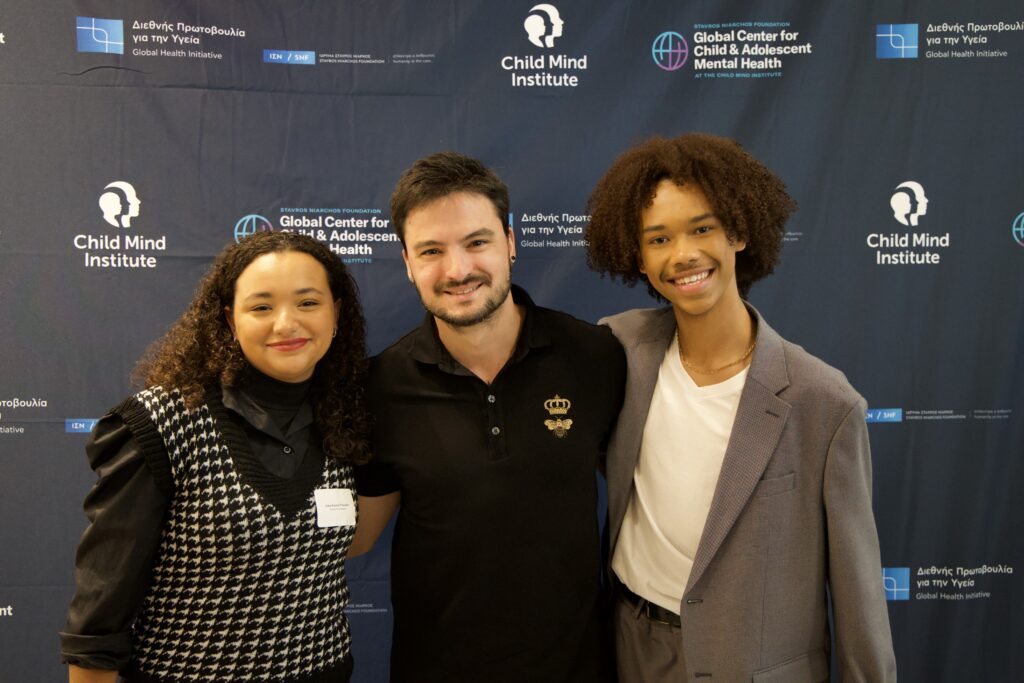
Led by the SNF Global Center’s Global Youth Advisory Council (GYAC), the event is set to unite young people from around the world to discuss the issues impacting their mental health. Additionally, clinicians, researchers, and policymakers will participate in various sessions. The hope is that youth and adult experts can work together to enact necessary changes in child and adolescent mental health care.
The GYAC, consisting of members from the Global Center’s Child and Adolescent Mental Health Initiatives (CAMHI) in Greece, Brazil, and South Africa, took on a leading role in organizing the summit. In every step of the process, they have had input on what they want the summit to look like, new features they want to include, the key topics that will be discussed, as well as the theme for this year’s summit: “Redefining Mental Health Care: Youth Perspectives in a Changing World.” They will also serve as moderators of discussion panels, with each GYAC member leading conversations on topics they feel passionate about.
“Nothing About Us Without Us”
The youth are the present and future and deserve to be the lead contributors in this work. This year, the summit aims to center their voices through three thematic sessions:
- “Meeting Young People Where They Are” will examine how to make school systems safer places for identity expression and mental health education. And they’ll discuss how to make digital spaces safer, including ways to communicate the impact online spaces have on mental wellness to young people.
- “What Young People Care About” will consist of breakout sessions where, in small groups, young people will discuss the modern youth experience in how topics such as climate change, economic instability, and political polarization affect their mental health.
- “Setting Young People Up for the Future” will include a Q&A with experts where youth can learn how to take care of their mental wellness in a changing world.
During last year’s summit, young participants came together to document key takeaways and actionable items for implementation and global change through a published youth-led report. This year, the goal is to increase youth involvement even more, with more youth attendees, speakers, and leaders. After all, this event isn’t just for the betterment of youth and adolescent mental health, but a space for people around the world who have a shared passion and care about this issue to connect and unify in order to enact positive change.
As a young person myself, what I would like to see come out of this year’s summit is action. The event is already an amazing starting point, where both young people and adults have shown their care for improving child and adolescent mental health. Now, we need to take actionable steps to implement the changes needed as voiced by youth, so that the talk doesn’t just stay within the event but becomes a reality. While there is no doubt that it will take time, I have hope that with the continuation of these annual summits, more global experts, changemakers, policymakers, clinicians, researchers, and caretakers will take what they’ve learned into their spaces of work to enact real change.
As Nelly Serdari, a member of the Youth Engagement Scheme (YES) with CAMHI in Greece, stated at last year’s summit, “The only way that we can try to break down barriers is if older generations try to get on our level.”
Now, it is up to the adults to break down the barriers that we youth cannot.
Learn more about the inaugural Global Summit on Youth Mental Heath
Learn more about the Youth Mental Health Academy at the Child Mind Institute
The post Looking Ahead to the SNF Global Center’s Second Annual Global Summit on Youth Mental Health appeared first on Child Mind Institute.
Parental depressive symptoms and shared reading practices among preschool children in western China: cross-sectional study
BackgroundShared reading supports early child development, but parental depressive symptoms may reduce its frequency and quality. Most previous studies assumed linear relationships with small samples. This large cross-sectional study examined linear and non-linear associations between parental depressive symptoms and shared reading practices in Chinese preschoolers.MethodsWe recruited 21,366 parent-child dyads (children aged 3–6 years) from 189 kindergartens in western China. Depressive symptoms were measured with the Center for Epidemiologic Studies Depression Scale (CES-D). Shared reading was assessed using the StimQ READ subscale. Multivariable linear regression, piecewise linear regression with threshold estimation, and natural spline analysis were performed, adjusting for sociodemographic covariates.ResultsHigher CES-D scores were linearly associated with lower total reading scores (adjusted β = –0.074 per point, 95% CI: –0.081 to –0.067). Piecewise regression identified a significant estimated breakpoint at CES-D score = 19.0 (95% CI: 11.9–26.1), below this threshold the slope was steeper (β = –0.085) than above (β = –0.051). Natural spline analysis confirmed non-linearity (P = 0.026) and located the point of maximum curvature at CES-D score = 10.9, indicating the most rapid change in slope occurred at subclinical symptom levels. The association was consistent across all subgroups (after Bonferroni correction).ConclusionsParental depressive symptoms are negatively associated with shared reading in a non-linear, breakpoint-dependent manner. Even subclinical symptoms (CES-D score≈ 11) are associated with steeper declines, while the association attenuates at higher levels (CES-D score ≈ 19). Interventions targeting parental mental health, especially at subclinical to moderate symptom levels, may help preserve high-quality home literacy environments.