Bryan Johnson’s chronic disease is notoriously difficult to diagnose

Longevity entrepreneur Bryan Johnson shared some bad news on social media recently. “I have an autoimmune disease. My stomach is eating itself,” he wrote on X. The good news? “I’m going to try and solve it.” 

The disease in question is autoimmune gastritis, a chronic inflammatory condition in which antibodies destroy acid-producing cells in the stomach, which prevents people from absorbing iron. It’s not in itself a fatal disease, but it is linked to an increased risk of stomach cancer and, eventually, to deficiencies in vitamin B12, which in turn causes anemia and neurological complications. 

Read the rest…

Human-Pig Interactions in Liver Xenotransplant Recipients: A Multi-Omics Study

A comprehensive multi-omics analysis published in Nature Medicine provides new mechanistic insights into extracorporeal liver cross-circulation (ELC) using gene-edited porcine liver xenografts, advancing understanding of the molecular and cellular interactions that will shape the clinical translation of xenogeneic liver support.

The study builds on a previously reported first-in-human decedent model in which blood from four brain-dead human recipients was circulated through ten-gene-edited porcine livers for up to 84 hours. While the initial work demonstrated that ELC could provide meaningful metabolic support, significant thrombocytopenia and evidence of host immune activation remained major barriers. The new study applies longitudinal, species-resolved multi-omics to dissect these biological responses at unprecedented resolution.

Researchers from NYU Langone Health, NYU Grossman School of Medicine, and the Perelman School of Medicine at the University of Pennsylvania profiled 64 serial blood samples using proteomics, metabolomics, and lipidomics alongside spatial transcriptomic analysis of 25 porcine liver biopsies and three native human liver samples. This integrated approach enabled simultaneous tracking of human and porcine molecular signatures throughout the xenoperfusion procedures.

Spatial transcriptomics revealed progressive infiltration of human innate immune cells into the porcine xenografts, dominated by inflammatory macrophages and neutrophils. These infiltrating cells expressed pro-inflammatory cytokines including IL1B, TNF, and IL6, while resident porcine Kupffer-like macrophages and T cells declined over time. Adaptive immune cell infiltration remained comparatively limited, suggesting that the extensive genetic engineering of the donor pigs may mitigate early adaptive rejection during short-term support.

One of the study’s most important findings was the distinct behavior of the human and porcine complement systems. While human complement proteins declined during ELC, the pig liver continued producing high levels of complement components C3 and C5 alongside acute-phase proteins and coagulation factors. The findings suggest that the xenograft actively drives innate immune and inflammatory responses rather than simply replacing liver function. Because currently available complement inhibitors are designed to target human proteins, they may not adequately suppress pig-derived complement activity, highlighting a potential need for species-specific therapeutics and additional genetic engineering to improve xenograft compatibility.

The investigators also identified candidate mechanisms underlying the profound thrombocytopenia consistently observed during ELC. Human platelets rapidly accumulated within the porcine liver, where they colocalized with activated sinusoidal endothelial cells expressing increasing levels of porcine von Willebrand factor (vWF), as well as infiltrating macrophages, neutrophils, and hepatocytes. Elevated expression of platelet adhesion receptors and evidence of platelet activation, aggregation, and phagocytosis point to a multifactorial process involving endothelial activation, innate immune responses, and platelet clearance pathways. These findings nominate multiple potential therapeutic targets, including porcine-specific vWF interactions and complement-mediated inflammatory signaling.

Beyond immune compatibility, the multi-omics analyses demonstrated sustained hepatic metabolic activity throughout the procedures. The xenografts supported bilirubin clearance, amino acid metabolism, detoxification, and synthesis of albumin, transferrin, apolipoproteins, and coagulation factors. In one recipient who underwent hepatectomy, the extracorporeal pig liver maintained critical metabolic functions for more than 48 hours in the absence of a native liver, although circulating lipid levels remained reduced during exclusive xenograft support.

The study also illustrates the growing value of systems biology approaches in transplantation research. By integrating longitudinal proteomic, metabolomic, lipidomic, and spatial transcriptomic datasets, investigators were able to distinguish donor- and recipient-derived biological processes while identifying dynamic molecular networks that would likely remain undetected using conventional analyses.

Although the cohort comprised only five ELC procedures in four decedents, it represents the most comprehensive molecular characterization of pig-to-human liver xenoperfusion reported to date. The findings provide a roadmap for improving xenograft biocompatibility through both genetic engineering and targeted therapeutics, while establishing species-resolved multi-omics as a powerful platform for biomarker discovery and mechanism-driven optimization of xenotransplantation strategies.

The post Human-Pig Interactions in Liver Xenotransplant Recipients: A Multi-Omics Study appeared first on Inside Precision Medicine.

High-Fat Diet Works with Gut Microbes to Benefit Cancer Treatment

A high-fat diet can result in better outcomes from cancer immunotherapy by improving the balance of microbes in the gut, early research shows.

The findings reveal how diet shapes immune states and how altering it could improve cancer treatment outcomes.

The study, reported in Nature, revealed that an obesogenic diet improved response to immune checkpoint inhibitors, with this occurring outside its impact on bodyweight or metabolism.

Instead, the benefits were linked with the creation of a favorable microbial ecosystem, which worked synergistically with the diet.

The results offer a potential explanation for the obesity paradox in cancer treatment, in which high body mass index is associated with improved immunotherapy responses to several types of cancer.

“Prolonged obesogenic diets are associated with well-established health risks and are not proposed as long-term interventions for patients with cancer,” caution researcher Lysanne Desharnais, PhD, from McGill University in Montreal, Canada, and colleagues.

“Rather, our work highlights the therapeutic potential of short-term dietary modulation, and of specific bacteria or microbial-derived metabolites, to create an optimal host ecosystem for immunotherapy responses.”

Previous research has indicated that the gut microbiota regulates immunotherapy responses, with diet shaping both the microbial and metabolic states that influence immune function.

Gut dysbiosis is a hallmark feature of obesity that links diet, the microbiome and health risk factors. Yet paradoxically, studies have shown that high BMI is associated with improved ICI responses for several types of cancer.

To investigate further, Desharnais and colleagues examined the impact of 12 mouse diets to designed to reflect variation in the human diet and also studied the impact of fecal microbiota transplants (FMTs).

In addition to traditional low fat, high fat, and Western diets, they used diverse ingredients as sources of protein, carbohydrates, fat and fiber to mimic Mediterranean, Japanese, vegan, American and ketogenic diets.

The team found that the efficacy of immune checkpoint inhibitors was dependent on the diet-gut axis rather than metabolic dysfunction, creating a favorable host ecosystem for therapy.

Lactobacillus johnsonii was as one of several key gut species associated with response against programmed cell death protein (PD-1), a protein found on T immune cells that helps keep immune responses in check.

Nonetheless, the researchers reported, “FMT, monocolonization, and diet switch experiments demonstrated that diet was more influential than microbiota composition alone, with maximal benefits observed when favorable bacteria were paired with favorable diets, due to synergistic metabolic remodeling.”

Obesogenic diets were not uniformly beneficial.

For example, the Mediterranean diet—high in fat from olive oil—retained a microbiota resembling lean, metabolically healthy mice, including low Lactobacillus, and remained insensitive to immune checkpoint inhibitors.

Conversely, a diet high in the soluble plant fiber inulin was lean and responsive to immune checkpoint inhibitors, yet had a distinct microbial composition characterized by low Lactobacillus and high Bifidobacteria.

Aromatic amino acid metabolites mediated the efficacy of immune checkpoint inhibitors. Tyrosine-derived phenylpropionate metabolism was a key pathway leading to production of desaminotyrosine and related metabolites, which enhanced T cell effector function.

There were also beneficial rises in indole-containing tryptophan metabolites, including indole-3-lactic acid, although this was not specifically dependent on Lactobacillus.

The researchers concluded: “Together, our findings identify diet–microbiome synergy as a mechanistic basis for the obesity paradox in cancer immunotherapy and a tractable target for improving therapeutic responses across diverse patient populations.”

The post High-Fat Diet Works with Gut Microbes to Benefit Cancer Treatment appeared first on Inside Precision Medicine.

Plant Expression Platforms May Be Better Option for Biopharma in the Global South

Mammalian cell-based manufacturing systems cannot meet the needs of the Global South, say researchers, who suggest that local production with plant-based expression platforms is a potential low-cost alternative. The researchers made their case in a recent paper, arguing that although mammalian systems are a good option for countries where centralized production facilities can be established, they are less suited to resource-limited regions.

“Mammalian cell lines, particularly Chinese hamster ovary cells, are the industry standard for producing complex biologics that require human-like PTMs [post-translational modifications], offering high-quality mAbs and vaccines with established regulatory approvals for pandemic applications.

“However, their high operational costs, slow doubling times, susceptibility to viral contamination, and dependence on expensive media significantly limit global equity and accessibility, particularly in resource-constrained settings such as the Global South,” the authors write.

Plant-based expression

Overcoming these constraints and increasing access to medicines in the Global South, will require the establishment of local production capacity that is both economically and environmentally sustainable, the authors say, citing plant-based systems as a potential option.

“Plants are increasingly used as platforms for producing vital biological molecules, such as pharmaceuticals and industrial biomaterials, through advanced strategies, including genetic engineering, process automation, and precision agriculture.”

The authors point to things like the Gaucher’s disease drug, Elelyso, the Ebola treatment, ZMapp, and the COVID-19 vaccine, Covifenz, as examples of current plant-made biopharmaceutical products.

And the potential advantages are significant. For one thing, plant-based systems are generally faster to produce protein and more easily scalable than mammalian platforms, according to the authors.

“Plant-based expression systems, particularly seed-based platforms such as rice, wheat, tobacco, sorghum, etc., offer scalable, field-level production regarded as safe status, low-cost PTMs, and exceptional environmental advantages.

“These systems enable decentralized, long-term stable storage of biologics and the production of animal-free, glycosylated therapeutics, significantly enhancing health security in resource-limited settings,” they write.

And the utility of plant-based expression systems is being further enhanced by new genetic modification techniques. The authors cite AI-driven genomic optimization and glyco-engineering as examples of how such systems are being improved.

“Drought-tolerant plant platforms can significantly enhance local production capacity in developing economies, addressing critical barriers such as limited investment, infrastructure constraints, and regulatory hurdles.”

Seeds not cells

Plant-based systems can also help biopharma address one of the major challenges of working in the global south—the need for extensive cold chain logistics infrastructure.

Mammalian cells are sensitive to environmental conditions and, as a result, manufacturers use temperature-controlled environments to prevent damage. These concerns are less of an issue for plant-based systems produced from seeds.

“Seed-based platforms offer a strategic advantage by enabling ambient-temperature storage of recombinant proteins for extended periods without loss of bioactivity. This capability significantly reduces cold-chain dependency and enhances logistical resilience in resource-limited settings.

“Consequently,” the authors continue, “plant-based expression systems represent a premier, cost-effective pathway for the large-scale production of biologics.”

The post Plant Expression Platforms May Be Better Option for Biopharma in the Global South appeared first on GEN – Genetic Engineering and Biotechnology News.

Perfusion Technologies Gain Momentum in Biomanufacturing

Perfusion-based manufacturing is gaining traction across the biopharmaceutical industry as companies seek to boost biologics output, improve product quality, and increase manufacturing flexibility without expanding facility footprints. Long viewed as a promising but operationally complex alternative to fed-batch production, perfusion is benefiting from a wave of technological advances that are making the approach more practical and economically attractive for commercial-scale manufacturing.

“Perfusion helps maintain cells at very high viable cell densities,” said Charles Solanke, senior scientist of upstream process development at Cytovance Biologics. “This produces significantly more product per unit bioreactor volume compared to traditional fed-batch processes.”

One of perfusion’s key advantages is its ability to continuously harvest product while maintaining healthy cell cultures. “Continuous removal of toxic metabolites creates a more stable environment,” Solanke notes. “This supports prolonged culture duration and high cell viability.”

Product-quality improvements are emerging as another major driver of adoption. Because biologics are harvested continuously, manufacturers can reduce variability in critical quality attributes, such as glycosylation patterns and aggregation profiles.

Technological developments are further expanding the performance ceiling of perfusion operations. High-intensity perfusion media can now support cell densities reaching 100–200 million cells per milliliter, enabling substantially greater productivity than previous generations of processes. At the same time, advances in alternating tangential flow (ATF) and tangential flow filtration (TFF) technologies improve cell-retention performance and reduce filter fouling, which is one of the most persistent challenges in long-duration perfusion runs.

Automation is also reshaping the field. Real-time monitoring technologies—including Raman spectroscopy, capacitance probes, soft sensors, and advanced process-analytical technology—are increasingly being integrated into commercial processes to provide continuous insight into culture conditions. “Real-time monitoring and process control help maintain stable culture conditions,” Solanke said. “The advances have also helped improve process robustness and manufacturing reliability.”

Despite the progress, challenges remain. Perfusion systems typically require higher media consumption, more sophisticated process controls, and additional equipment investments than conventional fed-batch operations. Extended run durations can also increase contamination risks if robust aseptic controls are not maintained.

Looking ahead, industry efforts are increasingly focused on developing cell lines specifically optimized for ultra-high-density perfusion cultures, reducing media consumption through concentrated formulations, and deploying fully autonomous process control systems. “The integration of fully automated perfusion control systems represents a promising opportunity,” Solanke said. “Together, these advancements have the potential to make perfusion processes more productive, cost-effective, and easier to operate.”

The post Perfusion Technologies Gain Momentum in Biomanufacturing appeared first on GEN – Genetic Engineering and Biotechnology News.

Oligonucleotide Therapeutic Industry Readies Itself to Move to the Next Phase

Synthetic oligonucleotide therapeutics are now validated for treating a wider range of diseases and, as companies move to larger-scale development, they should become familiar with the Chemistry, Manufacturing, and Control (CMC) aspects of their workflow.

That’s the view of Bao Zhang Cai, PhD, vice president of oligonucleotide CMC at GondolaBio. Cai will be giving a talk about CMC strategies for oligonucleotide therapies at the upcoming Bioprocessing Summit in Boston.

“The trend is very clear. Oligonucleotide therapies are becoming increasingly popular, as they tackle the root causes of diseases, not just the symptoms, and I can confidently say they’re now a validated therapeutic modality,” he says.

“But to achieve their potential, you need the right development strategy at the right time—you don’t want to apply late commercial staging to early development.”

According to Cai, synthetic oligonucleotide therapeutics have seen significant development over the last decade. They started as therapies for rare or ultra-rare diseases, but their applications have now widened.

With more patients needing treatment, a growing number of drugs are reaching the later phases of clinical trials and, as a result, CMC is increasingly important.

Cai suggests that product purification is important to consider, as it is often [genetic] sequence-dependent.

“You need to think about it upfront or as early as possible,” he says. “This is why, in general, it helps to identify and take advantage of an existing platform.”

An oligo-specific challenge, he explains, is that these products consist of a hydrophobic element conjugated to a water-soluble section.

“These two extremes put together generate unique challenges during purification, and you need to find the best route—do you want to perform the conjugation in solution or on a solid support?” he explains.

Finally, he says, as synthetic oligonucleotides are a relatively new product type, the critical quality attributes and product specifications can typically start quite broad. A focus on CMC can help manufacturers collect the data to narrow these specifications over time.

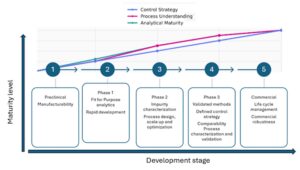
Technology maturity and development stage [Bao Zhang Cai, PhD, GondolaBio]

“Better process understanding can mean that, in the early phase, you have a poorly resolved method, and you get, say, 90% purity. But, later, you have a better method, and the purity will drop, and that’s a tough case to explain to the regulator,” he says.

“But, if you have process knowledge and understanding, you can demonstrate the product quality remains the same, and the purity level only looks lower because your methods have improved.”

The post Oligonucleotide Therapeutic Industry Readies Itself to Move to the Next Phase appeared first on GEN – Genetic Engineering and Biotechnology News.

Non-Invasive Brush Biopsy Test Detects Cancer Within an Hour

In the largest of its kind, involving over 1000 samples from 545 patients, a non-invasive, brush biopsy test detected oral cancer within one hour in a validation test. It is hoped the test will greatly advance oral cancer detection and prevent perhaps over 90% of unnecessary harmful scalpel biopsy procedures, which can be difficult to carry out and may damage underlying tooth and bone structure. 

“We were genuinely astonished by the fact that the brush swab test performance is comparable to a microbiopsy,” said lead author Muy-Teck Teh, PhD. “It suggests that the biological signal captured by these four genes is sufficiently strong and consistent that it can be detected even from the superficial exfoliated cells collected by a brush biopsy.”

The work was published in the Nature journal Biomarker Research by a cross-University team led by Queen Mary University of London researchers. Teh is a professor of molecular oral oncology at Queen Mary of The Centre for Oral Immunobiology & Regenerative Medicine, Institute of Dentistry, Barts and The London School of Medicine and Dentistry, Queen Mary University of London.

Oral cancer is a growing global killer. According to Global Burden of Disease data, lip and oral cancer is among the world’s most rapidly increasing causes of early death. Over ten thousand people in the U.K. were diagnosed with oral cancer last year, according to the charity Mouth Cancer, and 3637 people lost their lives. Almost 650,000 people in America are estimated to get the disease each year and more than 13,000 die from it. Worldwide, it affects 650,000 a year. Risk factors include tobacco use/smoking, alcohol, infection with the HPV virus, and sun damage. Unfortunately, more than half (53%) of all mouth cancers are diagnosed in stage IV, where the cancer is at its most advanced.

Cases Human of Papillomavirus (HPV)—specifically HPV type 16 is thought to cause a large proportion of this disease. While the HPV vaccine is having tremendous effect protecting young girls and women from HPV-related cervical cancer, there has been less pick-up of the vaccine among boys.

Oral squamous cell carcinoma (OSCCs) are usually diagnosed early using scalpel biopsies. Early diagnosis is critical for the greatest chance of survival, yet most oral potentially malignant disorders (OPMDs) are benign, and patients frequently undergo unnecessary invasive scalpel biopsies, creating diagnostic delays and harms. A scalpel oral biopsy can be extremely painful—especially the tongue (the most common cancer site)—essentially because part of the tongue is removed. But the overwhelming likelihood is that the growth is benign.”

These circumstances discourage both patients and clinicians from doing biopsies repeatedly and in a timely fashion. This study aimed to find out if a successful microbiopsy-based multigene assay (qMIDS-V2) could be adapted into a rapid, non-invasive brush biopsy test (qMIDS-V3) for accurate OSCC detection. This new test could potentially spare over 90% of low-risk OPMD patients from unnecessary invasive tissue biopsies. 

The prospective diagnostic case-control study validated a multigene mRNA test (qMIDSV3) for OSCC detection using 1090 oral brush biopsies from 545 patients. Each patient provided paired brush biopsies from oral lesion and contralateral non-lesion mucosa, including OSCC (n = 443), oral leukoplakia (OL; n = 63), and oral lichen planus (OLP; n = 39). qPCR quantified mRNA levels of four genes (INHBA, S100A16, YAP1, POLR2A) from each brush biopsy, and an algorithm generated a malignancy index for cancer risk stratification.

qMIDSV3 distinguished OSCC from OL and OLP with AUC 0.975, sensitivity 95.7%, specificity 95.1%, and overall accuracy 95.5%. False-positive and false-negative rates were 4.9% and 4.3%, showing the test has high specificity for detecting malignant cells rather than premalignant or inflammatory lesions.

The test could thus give clinicians a rapid, accurate, and non-invasive way to triage patients. It can also be repeatedly administered. “That means doctors can now monitor patients with persistent pre-malignant lesions regularly and systematically—and pick up cancers much earlier than we would have been able to before,” said Teh.

Overtesting is also a problem. In the U.K., a current 10 year audit reported a 450% rise in two week wait referrals alongside a 50% drop in cancer detection rate. Subsequent audits showed that 92.5–99.5% of referred patients were cancer free, with most (96–98%) remaining cancer free at 5-year follow up. This latest study builds on substantial of prior clinical validation. 

The team included researchers from Queen Mary University of London’s Centre for Oral Immunobiology & Regenerative Medicine, King George’s Medical University in India, Modern Dental College & Research Centre in India, and the All India Institute of Medical Sciences.


The post Non-Invasive Brush Biopsy Test Detects Cancer Within an Hour appeared first on Inside Precision Medicine.

Predicting Cancer Immunotherapy Response Better with COMPASS AI Model

COMPASS, a novel AI model that combines transcriptomic data with tumor-immune information, predicts immunotherapy response more accurately than existing biomarkers across different cancer types, shows data published in Nature Medicine.

The model also offers insight into why a patient may or may not respond to treatment, giving clinicians a better understanding of why responses might not be as expected.

To date, predicting response to immune checkpoint inhibitors (ICIs) has largely relied on tumor mutational burden (TMB) and PD-L1 immunohistochemistry. In addition, researchers have developed transcriptomic signatures that capture T cell dysfunction or score immune checkpoint activity, while network based and machine learning approaches have tried to incorporate gene interaction data, but each of these approaches has limitations because people undergoing ICI treatment often respond in unexpected ways.

“In our benchmarking against 22 of these methods, previous approaches showed inconsistent performance once tested across different cancer types and treatments, which is the core problem COMPASS addresses,” said study senior author Marinka Zitnik, PhD, associate professor of biomedical informatics in the Blavatnik Institute at Harvard Medical School.

She told Inside Precision Medicine that “most AI models for predicting immunotherapy response are validated within a single cancer type or a single drug class, which limits how much they generalize once you move to a new tumor type, a new therapy, or a different hospital’s data. This is significant because it means we can have a model that predicts response in one population of cancer patients, but fails when applied to a different population, a different tumor type, or a different treatment regimen, which is exactly the kind of gap that keeps promising biomarkers from ever reaching routine clinical use.”

Zitnik explained that “COMPASS is different because it is pretrained on transcriptomic data from over 10,000 tumors spanning 33 cancer types before it ever sees a clinical outcome, so it learns broad, biologically grounded patterns of tumor immune biology.”

The model uses a “concept bottleneck architecture” which means that rather than going straight from gene expression data to a prediction, it forces the information through an intermediate layer, or bottleneck, before making the final prediction. In this case, the bottleneck is biologically defined immune concepts, like T cell exhaustion, macrophage activity, or transforming growth factor (TGF)-β signaling. This means clinicians and researchers can see which biological programs are driving a given patient’s predicted response or resistance.

Zitnik and team tested the performance of COMPASS in 1133 patients from 16 clinical cohorts spanning seven cancers and six ICI regimens. The found that, compared with the second-best performing biomarkers of the 22 tested (these varied by cohort), COMPASS improved accuracy by 8.5 percentage points and area under the precision-recall curve by 15.7 percentage points, on average.

“In a setting where response rates to immunotherapy are already low, a meaningful jump in prediction accuracy translates directly into better patient selection,” said Zitnik. “The improvements we saw mean fewer patients would be steered toward a treatment unlikely to help them, and more responders would be correctly identified for therapies that could extend their lives. This is important in cancer where checkpoint inhibitors carry toxicity risks and cost, so gains in identifying who is likely to benefit can meaningfully change treatment decisions and clinical trial design at scale.”

In survival analyses, the team found that individuals with a COMPASS response probability (PR) of 0.5 or higher had a 1-year overall survival rate of 86% compared with 40% for those with a PR below 0.5, yielding a hazard ratio for survival of 4.7.

Performance varied by cancer type and cohort size, but the researchers note that COMPASS was still able to accurately predict response for cancer types it had never seen.

“When we excluded lung adenocarcinoma entirely from training and tested only on that held out cohort, COMPASS still achieved 76.5% accuracy,” said Zitnik. “We saw similarly strong cross cancer generalization for urothelial carcinoma, melanoma, and other tumor types.”

Furthermore, COMPASS achieved 85.3% accuracy for predicting a response to combination therapies (ipilimumab plus pembrolizumab) when trained only on monotherapy cohorts.

In addition to predicting treatment response, the tool also generates a personalized response map for each patient that traces exactly which genes and immune programs are shaping their prediction.

“This explainable AI feature means a clinician is not just given a predicted ‘yes’ or ‘no’, they can see whether a patient’s tumor looks inflamed but is failing due to TGF-β driven suppression or whether it looks immune desert but still shows residual cytotoxic activity that could respond to treatment,” said Zitnik.

“This kind of mechanistic insight could help with patient stratification in clinical trials, indication selection when a drug is being tested in a new cancer type and generating hypotheses about resistance mechanisms that could point toward combination therapies.”

The investigators are now planning to move from using bulk RNA sequencing data for training to single cell and spatial transcriptomic data. They are also exploring how to connect COMPASS with AI agent systems, to help translate the mechanistic insights into more autonomous research workflows.

The post Predicting Cancer Immunotherapy Response Better with COMPASS AI Model appeared first on Inside Precision Medicine.


Astrocytes Preserve Memory Persistence Through Ankyrin-2 Protein in Mice

Although scientists have long studied how memories are formed in the brain, how certain memories persist over time for learning and cognitive function remains unclear. 

A new study published in Nature Communications titled, “Astrocytic ankyrin-2 enables memory persistence in the mouse hippocampus,” suggests that astrocytes play a critical role in long-term memory through the regulatory protein ankyrin-2 (Ank2). 

Removing Ank2 function led to significantly impaired memory in mice after after two weeks. Under normal conditions, these mice showed standard locomotion, sociability, and recent memory immediately after learning.  

Astrocytes lacking Ank2 formed significantly less physical contacts with nearby engram neurons, the specialized neurons for memory storage. Additionally, the maintenance of long-term potentiation (LTP) was impaired while normal synaptic transmission remained intact. The findings suggest that astrocytes stabilize the neural circuits required for preserving memories long after they are formed. 

On the molecular level, researchers found that Ank2 is required for brain-derived neurotrophic factor (BDNF) signaling through the astrocytic TrkB.T1 receptor and IP3R2-mediated calcium signaling. In the absence of Ank2, calcium signaling weakened, astrocytes failed to undergo normal structural remodeling, and showed reduced ability to maintain contacts with memory-encoding neurons. 

The researchers further demonstrated that hippocampal BDNF infusion normally strengthens long-term memory persistence, but this effect disappeared when astrocytic Ank2 was deleted, showing that Ank2 is essential for BDNF-dependent memory stabilization. 

To determine whether astrocytic BDNF signaling alone is sufficient to enhance memory, the team developed an optogenetic tool called Opto-T1. Activation of this pathway promoted astrocyte remodeling, maintained long-term potentiation, and significantly enhanced remote memory without affecting recent memory.  

“Our findings show that astrocytes are not passive support cells, but active regulators that determine how long memories last,” said Wuhyun Koh, PhD, senior research fellow at Institute for Basic Science (IBS) and corresponding author of the study. “By identifying Ank2 as a key regulator of astrocyte remodeling and BDNF signaling, we have uncovered a new mechanism that helps stabilize long-term memories and opens new avenues for understanding and potentially treating memory disorders.” 

The researchers indicate the study provides a new framework for understanding how astrocytes contribute to neurological diseases. 

The post Astrocytes Preserve Memory Persistence Through Ankyrin-2 Protein in Mice appeared first on GEN – Genetic Engineering and Biotechnology News.

<![CDATA[Psychiatrists unpack parental leave anxiety, FMLA gaps, and how smarter time-off planning can reduce postpartum depression and support working families.]]>