Summer is peak tick season, and with it comes familiar threats like Lyme disease and Rocky Mountain spotted fever. But scientists say another group of tick‑borne pathogens is quietly gaining ground: nairoviruses, a diverse family of negative‑sense RNA viruses carried by ticks across Asia, Europe, Africa—and now the western United States. Several nairoviruses can infect humans, causing high fevers, severe headaches, and, in some cases, organ dysfunction. One member of the family, Crimean‑Congo hemorrhagic fever virus (CCHFV), is often fatal and considered a global‑level threat.
Nairoviruses are found in ticks that feed on wildlife, livestock, and people. Recent human infections have been documented in China and Japan, including Songling virus (SGLV), Tacheng tick virus 1 (TTV1), and Yezo virus (YEZV). A related virus, Beiji virus (BJNV), caused an outbreak involving more than 100 patients in northeastern China. And on the U.S. West Coast, researchers recently identified Pacific Coast Tick nairovirus (PCTNV) in Dermacentor occidentalis, a tick already known to transmit Rocky Mountain spotted fever. As the paper noted, “Pacific Coast Tick nairovirus… was recently identified in Mendocino, California, from tick species known to harbor human pathogens and having a large presence across the state.”
The new study, titled “Insights into the Structure and Function of the OTU Protease Virulence Factors from Emerging Human Nairoviruses,” was published in ACS Infectious Diseases and reveals how these emerging viruses may slip past human immune defenses. All orthonairoviruses encode a specialized enzyme called ovarian tumor protease (OTU), which can remove small protein tags—ubiquitin and ISG15—from human proteins. Those tags normally act as alarm signals that activate immune responses, and removing them effectively evades the immune system. As the paper explained, “OTUs exhibit varying levels of deubiquitinating (DUB) and deISGylating activities that facilitate viral immune evasion, establishing them as key virulence factors.”
In the work, researchers isolated OTU proteases from four emerging nairoviruses—SGLV, TTV1, YEZV, and PCTNV—and compared their ability to strip immune‑signaling proteins. The standout was PCTNV, whose enzyme showed the strongest ability to remove both ubiquitin and ISG15. That suggests PCTNV may be unusually adept at evading human immunity, raising concerns because the virus is carried by a human‑biting tick common along the Pacific Coast.
The team also resolved high‑resolution crystal structures of several OTU proteases. These structural insights allowed the researchers to train computational models that begin to predict which nairoviruses may pose the greatest threat. “The biochemical and structural insights provide a path forward for predicting OTU activity among current and emerging nairoviruses,” the authors wrote.
Such predictive tools could help public‑health agencies monitor new tick‑borne viruses before they spread widely. As corresponding author Scott D. Pegan, PhD, of the University of California, Riverside, noted, “This study reinforces the need to be vigilant about not just tick bites but the type of ticks that an individual has been bitten by, as they may carry diseases beyond what we have been used to looking for.”
Background: Smartphone-based digital phenotyping has emerged as a promising approach for monitoring mental health using passive behavioral data. Prior studies have linked smartphone-derived features to depression and anxiety severity; however, knowledge regarding whether short-term changes in symptoms can be captured using passive smartphone data in general population samples remains limited, as does the understanding of how such findings should be interpreted vis-à-vis behavioral patterns and demographic variability. Objective: This study aimed to model short-term changes in depression and anxiety severity using passive smartphone data, examine model performance across demographic subgroups, and identify behavioral patterns associated with symptom changes. Methods: We collected 2 weeks of smartphone usage data from 95 adults in the general population and assessed depressive and anxiety symptoms using the clinician-rated Hamilton Depression Rating Scale and Hamilton Anxiety Rating Scale, respectively. Behavioral features—including physical activity, app use, and screen usage metrics—were extracted and compressed using an autoencoder and principal component analysis. The resulting features—along with age, sex, and baseline Hamilton scores—were used to train random forest classifiers predicting symptom score changes (increase, decrease, or unchanged). Additionally, we examined whether model performance differed across demographic subgroups and whether models excluding baseline scores retained predictive performance, as baseline severity was expected to be a strong predictor. To add explanatory value beyond prediction, behavioral subtypes associated with symptom changes were identified by applying unsupervised clustering. Results: The model exhibited moderate performance in predicting changes in the Hamilton Depression Rating Scale (mean accuracy=0.70, mean area under the receiver operating characteristic curve=0.74) and Hamilton Anxiety Rating Scale (mean accuracy=0.65, mean area under the receiver operating characteristic curve=0.69) scores. Performance varied according to demographics, with reduced accuracy among younger adults and females, although these differences were not significant in permutation tests. Excluding baseline Hamilton scores diminished performance substantially, suggesting that baseline symptom severity accounted for a substantial proportion of the predictive performance. Clustering revealed 4 distinct behavioral subtypes according to smartphone usage patterns. A cluster characterized by structured, daytime-focused smartphone use and lower temporal entropy demonstrated greater improvement in depressive symptoms, whereas clusters with lower and irregular usage patterns exhibited minimal improvement or worsening. Conclusions: Passive smartphone-derived behavioral data demonstrated moderate ability to model short-term symptom changes in this predominantly nonclinical sample. However, a substantial proportion of the predictive performance was attributable to baseline symptom severity, underscoring that passive smartphone data may provide modest supplementary information rather than robust stand-alone predictive value. Nevertheless, clustering analyses indicated that passive data may still assist in identifying behaviorally distinct subtypes associated with different depressive symptom trajectories. These findings reflect a practical contribution to digital phenotyping research by elucidating both the potential and constraints of passive smartphone data for short-term symptom monitoring in small general population samples.
<img src="https://jmir-production.s3.us-east-2.amazonaws.com/thumbs/2b5b9064697224d28bcc61cc4b38c531" />
Background: Medical and welfare facilities in the Noto region of Japan were severely affected by the 2024 Noto Peninsula earthquake and subsequent torrential rains. Staff working in these facilities were disaster survivors and frontline caregivers with limited psychological support. Nonverbal social robots may provide companionship and emotional comfort; however, their effects on the health-related quality of life (QoL) and well-being of care staff in disaster-affected settings remain unclear. Objective: This study explored whether introducing a nonverbal artificial intelligence communication robot was associated with changes in health-related QoL and well-being among care facility staff working under disaster conditions. Secondary objectives were to evaluate safety, acceptability, and intention to continue use. Methods: This pragmatic, exploratory pilot study used an ABAB design conducted between February 2025 and June 2025. After a 2-week baseline period, staff in dementia care, general care, and short-stay units underwent 2-week intervention, withdrawal, reintervention, and withdrawal phases. Questionnaires were administered at each phase end. The primary outcomes were health-related QoL (EQ-5D-5L), well-being (World Health Organization–5 Well‑Being Index), and positive mental health (Mental Health Continuum–Short Form). Friedman tests compared outcomes across the 5 phases, and effect sizes were expressed as Kendall . Safety, acceptability, and intention to continue use were compared between the first and second intervention phases using Wilcoxon signed rank tests with Bonferroni adjustment and rank-biserial correlations as effect sizes. Results: Of the 58 staff who completed the baseline assessment, 49 (84.5%) were included in the analytic sample (25 in dementia care, 12 in general care, and 12 in short-stay units). Among these participants, 40 (81.6%) were women, and 38 (77.6%) reported disaster-related damage to their homes or families. In the pooled analysis, no phase effect was observed for the EQ-5D-5L (=.10; Kendall =0.032, negligible), the World Health Organization–5 Well‑Being Index (=.70; Kendall =0.016, negligible), or the Mental Health Continuum–Short Form (=.44; Kendall =0.022, negligible). No robot-related adverse events were reported. In the dementia care unit, nominal unadjusted differences were observed for “made me feel calm” (=.045; rank-biserial correlation =0.571, large), “like” (=.03; =0.559, large), and “felt at peace” (=.02; =0.718, large); however, none remained statistically significant after Bonferroni correction. Conclusions: The short-term use of a nonverbal artificial intelligence communication robot did not measurably improve health-related QoL or well-being among staff in disaster-affected care facilities. Deployment appeared feasible and was not associated with reported adverse events, but efficacy as a mental health support intervention remains unproven. Exploratory acceptability and interaction signals may inform future adequately powered studies.
<img src="https://jmir-production.s3.us-east-2.amazonaws.com/thumbs/a037e458b68d3356be9c234b136ec18f" />
Background: Psychological distress is common among patients with cancer, and it negatively impacts treatment adherence and quality of life. Radiotherapy, with its unique procedures, such as daily sessions and physical immobilization, may induce distress distinct from general cancer anxiety. However, existing screening tools cannot differentiate these distress sources. This study leverages online patient narratives and natural language processing to distinguish radiotherapy-specific distress from general cancer distress. Objective: This study aimed to systematically identify, differentiate, and compare the composition, structure, and emotional characteristics of general cancer distress and radiotherapy-specific distress through the analysis of large-scale online patient narratives. Methods: Using a retrospective observational design, we screened 52,831 relevant posts published between 2015 and 2025 on the online health community Reddit, ultimately including 9860 first-person patient narratives meeting the inclusion criteria. Content-based extraction revealed that the most frequently represented cancer types were head and neck (1576/6625, 23.8%), breast (1418/6625, 21.4%), and prostate (1000/6625, 15.1%), with the majority of posts written during active treatment (3587/5748, 62.4% of phase-identifiable posts). We used latent Dirichlet allocation thematic modeling for topic identification, supplemented by manual qualitative coding for thematic classification. Structural relationships between topics were analyzed via correlation heatmaps, while emotional polarity and discrete sentiments for both distress categories were quantitatively compared using VADER (Valence Aware Dictionary and Sentiment Reasoner) and RoBERTa models. Results: Radiotherapy-specific distress formed a thematically distinct and substantial domain, accounting for 50.4% (4969/9860) of all narratives, comparable to the proportion of 49.0% (4831/9860) attributed to general cancer distress. The remaining 0.6% (60/9860) was unclassifiable into either category. Thematic correlation analysis revealed that both categories exhibited high internal cohesion but weak intercategory associations, a pattern consistent with thematic differentiability between the 2 domains rather than a single undifferentiated construct. Sentiment analysis further revealed that radiotherapy-specific distress carried significantly stronger negative emotional intensity (Mann-Whitney test, <.001; rank-biserial correlation=0.34), with core emotions dominated by “fear” (2773/4969, 55.8%) and “anger/frustration” (1262/4969, 25.4%), whereas general cancer distress was more frequently expressed as “anxiety” (2183/4831, 45.2%) and “sadness” (1599/4831, 33.1%; ² test, <.001; Cramér V=0.22). Conclusions: This study provides exploratory evidence that radiotherapy-specific distress is thematically and emotionally differentiable from general cancer distress, suggesting it may constitute a distinct domain warranting targeted assessment and intervention strategies. Developing targeted assessment and care strategies addressing radiotherapy-specific challenges is essential for achieving truly patient-centered, individualized psychosocial support in oncology.
Digital cognitive interventions (DCIs) have emerged as scalable approaches for treating cognitive dysfunction across psychiatric, neurological, and aging populations. Despite growing evidence of efficacy, little is known about which intervention components drive therapeutic effects or through which neurocognitive mechanisms they operate. As a result, null findings are often difficult to interpret, making it unclear whether interventions failed to engage their intended targets, or whether the targets themselves are not causally related to meaningful outcomes. This limits intervention refinement, comparative evaluation, and precision personalization. Here, we argue that DCI research should shift from broad efficacy testing toward mechanistic trials designed to identify active ingredients—the intervention components responsible for engaging prespecified neurocognitive targets and producing clinically meaningful benefits. We propose adapting dismantling design methodology from psychotherapy research in order to integrate Research Domain Criteria constructs, mechanistic neuroscience, and high-resolution digital behavioral data to identify factors driving cognitive and functional outcomes. This approach aligns with the National Institute of Mental Health experimental therapeutics framework by explicitly linking target specification and target engagement with downstream clinical and functional outcomes. Mechanistic dismantling trials can determine whether specific DCI features, including adaptive difficulty, reward schedules, feedback contingencies, task variability, cognitive targets, and human support, are necessary, sufficient, or synergistic for engaging neural circuitry and producing durable and clinically meaningful transfer. Beyond optimizing intervention design, such studies may transform null or negative trials into mechanistically interpretable findings, while clarifying disease mechanisms and supporting the development of personalized, optimized, and usable DCIs.
<img src="https://jmir-production.s3.us-east-2.amazonaws.com/thumbs/ca6685d4aa7d56b62cc2597cdd5b1826" />
The Federal Trade Commission settled a lawsuit against CVS Caremark, one of the largest pharmacy benefit managers in the U.S., over allegations that the company artificially inflated the price of insulin and impeded access to the lifesaving diabetes treatment.
As part of the deal, which the agency maintained will save Americans up to $8.5 billion in out-of-pocket costs over 10 years, CVS Caremark, which is owned by CVS Health, must make several changes to its dealings with employers, health plans, and pharmacies. The FTC also estimated the deal will unlock up to $4.5 billion in further savings for patients through pharmacy counter rebates.
In its complaint, the FTC alleged that CVS Caremark — as well as Cigna’s Express Scripts and UnitedHealth’s Optum Rx — created a “perverse” system of rebates that favored insulin, which was then sold at higher list prices in order to “line their pockets” at the expense of patients who were forced to pay more for the medication.
Prescription medicines purchased in the U.S. under a controversial government discount program amounted to $100 billion in 2025, a 22.8% increase from the previous year, according to the Health Resources and Services Administration, which oversees the program.
Expensive medicines represented an increasing proportion of spending in the 340B Drug Discount Program, accounting for $61.9 billion, or nearly 62% of all prescription drugs purchased through the program. Nearly $8.9 billion was spent on Merck’s Keytruda immunotherapy treatment, followed by more than $4.47 billion on Biktarvy, an HIV medicine sold by Gilead Sciences.
The data mark a steady rise in sales under the 340B program, which requires drugmakers to offer discounts that are typically estimated to be 25% to 50% — but could be higher — off all outpatient drugs to hospitals and clinics that primarily serve lower-income patients.
NEW YORK — Infections from the diarrhea-causing parasite cyclospora are surging, with state-level data suggesting that 2026 is already the nation’s worst year for reported cases.
More than 30 states have reported infections this year, and current data from them shows the number of infections surpassing the record U.S. mark of about 4,700 set in 2019. The illness is not usually life-threatening and is typically treated with antibiotics.
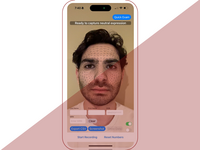
<strong>Background:</strong> Patients with facial paralysis require detailed clinical assessment and long-term follow-up to monitor facial function. The current standard of care for evaluating facial symmetry and movement uses validated clinician scoring tools such as the House-Brackmann facial paralysis score or the Electronic Clinician-Graded Facial Function Scale (eFACE). Existing tools are difficult to use in normal clinic workflows and do not provide real-time facial movement tracking, representing an unmet need. Therefore, we developed FaceADE, a novel iOS app leveraging native 3D image acquisition capabilities on the iPhone to rapidly quantify facial movement in patients with facial paralysis. <strong>Objective:</strong> This study aimed to benchmark FaceADE against 2D image analysis and establish the feasibility of measuring oral commissure movement in patients with facial paralysis and healthy controls. <strong>Methods:</strong> Patients were enrolled in a tertiary care clinic focused on facial paralysis treatment. Patients underwent image capture using the FaceADE app assisted by study team personnel. Measurements of lip commissure position and movement were obtained from 20 patients with facial paralysis and 10 healthy volunteers without facial paralysis. Measurements of lip movement and symmetry gathered from FaceADE were benchmarked against 2D measurements using open-source image analysis software (ImageJ). <strong>Results:</strong> FaceADE measurements of lip commissure position and movement showed strong agreement with 2D measurements in both healthy volunteer and facial paralysis cohorts. The intraclass correlation coefficient was 0.96 (95% CI 0.90-0.98; <i>P</i><.001) in the healthy volunteer cohort and 0.82 (95% CI 0.72-0.88; <i>P</i><.001) in the facial paralysis cohort. Bland-Altman analysis found strong agreement between the 2 methods for these measurements. The 95% CI contained 97.5% (39/40) of data points in the healthy cohort and 91.2% (73/80) of data points in the facial paralysis cohort. <strong>Conclusions:</strong> Our proposed mobile method of measuring clinically important lip commissure position and movement is feasible for use at the time of care delivery. In the future, this technology may be useful for a quantitative assessment of facial paralysis severity.
“I have this idea of a communal brain.” David Baker, PhD, told me as I sat in his office at the University of Washington (UW) surrounded by colorful and complex figurines of protein structures. It was the one-year anniversary of his Nobel Prize in Chemistry win.
Just outside his doors, a lab of more than 100 researchers was united by the shared ambition to design proteins from scratch (or de novo) for powerful applications across pharmaceuticals, vaccines, biosensors, and more. This “communal brain” housed at the UW Institute for Protein Design (IPD), where Baker led as director, was hard at work developing deep learning methods that could achieve atomic precision.
A small protein composed of 100 amino acids had an astronomical 20¹⁰⁰ possible sequences. Yet, only a vanishingly tiny fraction could fold into stable, functional structures.Misplacing a residue by an angstromcould mean the difference between a drug binding tightly to its target or complete failure.
For the antibody drug market worth hundreds of billions of dollars, Nathaniel Bennett, PhD, former postdoctoral researcher in the Baker lab, says AI-guided antibody design that bypasses the need for time-consuming experimental screens has long been a “holy grail” for a breadth of indications, including cancer and autoimmune disease.
Last November, Bennett and colleagues published a Nature paper demonstrating that full length de novo antibodies could bind user-specified epitopes. AI models could now construct antibody loops, the key region involved in binding that has been historically challenging to design due to its flexible nature.
Despite this technological leap, AI-designed proteins that were manufacturable, remained stable in the body, and avoided unwanted side effects, were still a step away. The gap fueled an industry debate over whethergenerating de novo medicines was even possible.
When I asked Baker to separate the hype from reality, he didn’t hesitate.
“The reality is that we can now design proteins on a computer,” Baker explained in our video interview.“The hype is that for therapeutics, there’s a lot more than the basic activity of a protein binding or catalyzing a reaction. Whether de novo proteins will revolutionize medicine will require improving our understanding of the biology.”
Nobel guests
Bennett is continuing molecular design research as a co-founder at Xaira Therapeutics. The AI-focused biotech launched in 2024 with over $1 billion in total funding and a star-studded leadership team, including Baker, as a scientific advisor, and Marc Tessier-Lavigne, PhD, former president of Stanford and CSO of Genentech, as CEO. Carolyn Bertozzi, PhD, Nobel laureate in chemistry, Scott Gottlieb, MD, former FDA head, and Alex Gorsky, former CEO of Johnson & Johnson,are among the board of directors.
“Science all becomes obsolete quickly because the field’s moving!” Baker told me. “The people that you mentor are more important than any science you do. They all go on and do great things.”
2024 Nobel Week was a testament to Baker’s scientific reach. Nearly 200 current and former members of his lab gathered in the Grand Hôtel in Stockholm to celebrate the newly named laureate, who was among a cohort of renowned AI experts who swept the awards ceremony.
Baker shared the Nobel Prize in Chemistry with Google DeepMind duo, CEO Demis Hassabis, PhD, and then-senior research scientist, John Jumper, PhD, whose AI model, AlphaFold, solved the protein structure prediction problem and has become one of the most widely adopted computational tools for drug discovery.
Meanwhile, the Nobel Prize in Physics was jointly awarded to Geoffrey Hinton, PhD, professor emeritus at University of Toronto, and John Hopfield, PhD, professor emeritus at Princeton University, for foundational discoveries that enabled machine learning with neural networks.
Together, the prizes represented a pivotal moment. AI was no longer confined to computer science but had become a transformative force across disciplines, earning recognition as a breakthrough deemed to confer the “greatest benefit to humankind.”
Back at the IPD, Baker’s research group spanned multiple floors. Yet, he knew everyone’s name, where they sat, and moved easily between conversations, bringing together researchers whose expertise might unlock a new direction. In the weeks after receiving the historic Nobel call, Baker chose to remain fully present for his team, implementing a strict “no travel rule,” despite the avalanche of invitations and media attention that accompanied the prize.
“David’s really good at forcing you to break the ice with people,” said Seth Woodbury, a graduate student who is designing metallohydrolases, enzymes that cleave some of the strongest bonds in biology for sustainability applications, including degrading pollutants. “Once you talk to your colleagues at happy hour, it’s not so scary to go ask them a question.”
Woody Ahern, graduate student and co-author of the metallohydrolase Nature paper, adds that Baker has a “very reasonable disdain for hierarchy.”
“Anyone can speak up in meetings. Anyone can question the work. It breeds this culture of staying focused on what matters in an interdisciplinary way,” said Ahern.
When Ria Sonigra was applying to graduate schools in the U.S., every option felt equally far from her home in India. She recalled sending Baker a cold email with questions about the lab. He quickly replied and offered to connect her with another international student who could help her navigate the application process. Today, Sonigra is an IPD graduate student, designing programmable nanopores for molecular sensing and sequencing.
“People outside the lab may think that David can’t pay attention to everyone, which is not true,” Sonigra said. “He knows your project and what he expects of you before the next meeting, even if he has a hundred trainees.”
At one point, Baker waved me over with a smile. “You’re missing chocolate hour!” he said, inviting me to one of many small weekly rituals that embodied the collaborative culture he had built.
“My group was not the first to do protein design,” he said humbly.
The field’s early innings trace back to 1988, when William DeGrado, PhD, demonstrated that sequences not found in nature could achieve stable 3D folds.The work challenged the long-held belief that functional proteins could only arise through evolution.
Steps toward computational design came a decade later, when for the first time, an in silico predicted protein was experimentally validated to adopt a target structure. The work was published in a Science study led by Steve Mayo, PhD.
Baker, alongside then-postdoctoral researcher, Brian Kuhlman, PhD, went a step further in 2003, expanding the design scope to include flexible backbones that represented entirely new folds, making it possible to not only modify natural proteins, but to create new ones from scratch.
“The prize was given because protein design has so much promise now, and that reflects the work of the whole community,” Baker continued.
Today, Degrado, Mayo, and Kuhlman are continuing to advance structural biology as prominent faculty members across University of California, San Francisco (UCSF), California Institute for Technology, and University of North Carolina (UNC) Chapel Hill, respectively.
Top7 was the first protein created on a computer with a custom amino acid sequence that folds into a never-before-seen structure. When viewed at an angle, the transparent partition allows the two forms to become superimposed, illustrating the beauty of uniting sequence and structure. [UW Institute for Protein Design]
Decades before OpenAI co-founder, Andrej Karpathy, coined the term “vibe coding,” Baker’s team was writing a program in FORTRAN. NamedRosetta, the molecular modeling suite simulated proteins atom-by-atom based on biophysical properties, from hydrogen bonds to backbone torsion angles.By calculating free energy, Rosetta could estimate which sequences were most likely to achieve a desired structure: the lower the energy, the more stable the predicted fold.
Yet, a protein’s energy landscape is rugged, with countless local minima among an astronomical number of conformations. Success was rare. Researchers were searching for a single grain of sand across the desert.
Still, “Rosetta was impressive,” said Sierin Lim, PhD, an associate professor at Nanyang Technological University, who is among a group of researchers engineering self-assembling nanoscale containers, known as protein cages, for applications across drug discovery, imaging, and materials science. She recalled watching molecules move on her screen in Singapore in the early 2000s. At the time, Rosetta was the only program that could model proteins.
Over the next twenty years, Baker adamantly pushed Rosetta to be openly available, inviting collaborators to not only use the software, but to improve it.
PyRosetta, a user-friendly Python-based implementation developed by Johns Hopkins University researchers led by Jeffrey Gray, PhD, broadened Rosetta’s access for structural biologists without a strong computational background. Meanwhile, progress in generating high affinity and selective ligand binders and epitope scaffolds for vaccine development were bringing computational proteins closer to real-world medicines.
What started as a single lab project grew into the Rosetta Commons, an international collaboration spanning more than 100 laboratories.
“It was a great move making Rosetta open, seeing what it can do now,” Lim said.
Researchers from Google introduced the transformer, a neural network architecture that enabled machines to analyze entire sequences at once. By using a “self-attention” mechanism, AI models could now uncover patterns across massive datasets at unprecedented scale. Soon, large language models (LLMs) trained on internet-scale text could not only understand, but converse in eloquent dialogue with humans.
The generative AI era had begun.
While the rest of the world was captivated by chatbots, structural biologists were sitting on a treasure trove of biological data pristine for machine learning.
For over fifty years, researchers had painstakingly deposited hundreds of thousands of experimentally determined structures in the Protein Data Bank (PDB) for public use. This molecular atlas now offered AI a window into the rules of biology.
In 2020, Baker received a phone call from one of the organizers of the Critical Assessment of protein Structure Prediction (CASP) competition, the biannual experiment that assesses the field’s latest state-of-the-art models.
“The first thing he said was, ’David somebody has done amazingly well this year, and it isn’t you!’” Baker recalled during his Nobel banquet speech. “That was how I first learned about the work of Demis and John.”
Instead of relying on human-defined biophysical rules, AlphaFold quickly learned decades of biochemistry from the PDB, uncovering the hidden instructions governing an amino acid sequence to fold into its 3D shape. At CASP14, the model remarkably predicted structures that were indistinguishable from real-world proteins. Months of laboratory work turned into a computational task completed in minutes.
Hassabis was quick to translate the breakthrough into medicine, taking the helm of DeepMind’s drug discovery spinout, Isomorphic Labs, as CEO a year later.
Today, the company’s IsoDD (Isomorphic Labs Drug Design Engine) platform, expands the druggable landscape by probing previously inaccessible biology, including predicting induced-fit interactions, where proteins change shape upon ligand binding, and identifying hidden binding pockets for drug targeting.
Isomorphic was betting, not on single therapeutic assets, but on a general discovery engine applicable across any disease area. That vision has since secured major pharma partnerships with Novartis, Eli Lilly, and Johnson & Johnson.
“I’ve always believed the No.1 application of AI should be to improve human health,” wrote Hassabis on LinkedIn when announcing Isomorphic’s whopping $2.1 billion funding raise in May.
Diffusion evolution
Concurrently, Baker’s team began applying deep learning to de novo design, drawing inspiration from AI’s emerging ability to generate realistic images. These diffusion models could operate on atomic coordinates and create entirely new protein backbones. Designs were conditioned for desired structural and functional constraints, opening the door to programmable biology.
When Baker’s team presented de novo design model, RFdiffusion (RoseTTAFold diffusion), in Nature in 2023, Mohammed AlQuraishi, PhD, assistant professor of systems biology at Columbia University, described the advanceas “a really big deal.”
‘‘Prior to the ‘diffusion evolution’, the success rates were probably on the order of 1 to 10,000, if you’re lucky,’’ AlQuraishi told me shortly after RFdiffusion’s publication. ‘‘With diffusion models, the success rates are closer to the single percentages when you get into the laboratory. It’s a huge magnitude improvement of what it used to be.”
Donald Hilvert, PhD, professor emeritus at ETH Zurich, met Baker twenty years ago while working on enzyme design with Defense Advanced Research Projects Agency (DARPA). Traditional Rosetta methods would carve out binding pockets in existing proteins and install a new catalytic apparatus.
“But the activities were not very good,” Hilvert recalled. Designing catalysis, where success depended on precisely positioning chemical groups to stabilize fleeting transition states, proved far more difficult than engineering a stable protein fold.Rosetta struggled to achieve that level of accuracy, prompting much of the field, including Baker, to turn attention elsewhere.
“Two years ago, David called me and said, ‘Why don’t you come and visit? All these new AI-driven techniques are really changing the game!’” Hilvert told me.
Hilvert has spent the past two summers at the IPD, collaborating with Woodbury, Ahern, and IPD postdoctoral researcher, Donghyo Kim, PhD, to design metallohydrolases using RFdiffusion. He “hardly knew how to turn on a computer,” yet was reading Python scripts and generating his first computational designs within weeks. To his amazement, experiments quickly yielded five or six promising hits.
“There is this common purpose of people helping one another,” Hilvert said. “David sets the tone from the top.”
Application generalist
As I walked through the halls of the IPD, I saw the extraordinary reach of protein design applications firsthand. Desks were intermingled across fields. The proximity was deliberate for ideas to travel as far as possible.
Florence Hardy, PhD, is a postdoctoral researcher tackling a new enzyme design project for global health applications, including streamlining the manufacturing process for therapeutics.
“I always say that I can only think in a ten angstrom sphere at a time,” she chuckled. “That’s just as big as the active site.”
“Most medicines focus on inhibitors,” Xinru Wang, PhD, explained when describing her postdoctoral research developing insulin agonists, or binders that lead to activation, to address metabolic disease. In contrast to blocking activity, “turning on” a signaling complex required precise structural tuning that was a natural fit for the IPD’s expertise.
Last November, Wang and colleagues published a study in Molecular Cell, demonstrating that de novo designed insulin receptor (IR) agonists could extend glucose-lowering effects. The findings offered a therapeutic alternative to escalating insulin doses, which is a known contributor to resistance. Notably, these engineered agonists avoided triggering cancer proliferation that is often associated with excessive insulin activation. Wang is currently an assistant professor at Northeastern University.
Tabitha Tcheau designs DNA binding proteins inducible with small molecules that can recognize novel pathogens and trigger the plant immune system. The highlight of her project, she says, is the ability to span interdisciplinary subgroups, from conformational dynamics, small molecules, and nucleic acids.
“One thing that blew me away here is that people are extremely supportive,” Tcheau told me. “Everyone you ask is super eager to help.”
Enisha Sehgal is among a team of researchers designing sequence specific DNA binding proteins that can power programmable transcription factors, targeted gene regulation, and new genome engineering tools.
“Being in this lab allows you to be a specialist in protein design, but a generalist in all the applications,” Sehgal said. “You get answers faster. You can iterate faster. Science moves faster.”
Visiting researcher and machine learning scientist, Kieran Didi, reiterates how the IPD’s interdisciplinary team enables rapid experimental validation of models. “I’m not going to spend two months in this fantasy world of computational benchmarks,” he said. “In the next week, I know if the model is actually working. Someone will quickly put it to the reality test.”
Postdoctoral researcher and chemist, Declan Evans, PhD, concurs and sees himself as the Alpha tester.
“I can go straight to the developer and say, ‘this is not how computational chemists would use this software,’” Evans said. “You can see changes being made in real time.”
Back in Baker’s office, he told me about his regular weekend escape to the mountains, one of the benefits of living in Seattle. Skiing and hiking were activities he valued highly. When asked to contribute an item to the Nobel Prize Museum, Baker chose a broken ski pole as a symbol that progress often comes through overcoming setbacks.
“But I don’t think people get ideas on top of mountains,” Baker tempered. “If you’re going to be a [principal investigator], you have to really like mentoring. For me, it’s super fun!”
Baker’s most enduring creation may not be any single protein, but rather the network he built—the diverse, inviting, and interconnected communal brain.



![Top7 was the first protein created on a computer with a custom amino acid sequence that folds into a never-before-seen structure. When viewed at an angle, the transparent partition allows the two forms to become superimposed, illustrating the beauty of uniting sequence and structure. [UW Institute for Protein Design]](https://www.genengnews.com/wp-content/uploads/2026/07/3D-printed-proteins-IPD-04.jpg)