

Regenerative Medicine: Promise, Hype, and What Actually Works

From stem cells to platelet-rich plasma, regenerative medicine is often positioned as the future of healthcare. But not all approaches deliver on that promise. As interest grows, so do questions regarding what actually works. GEN’s Editor in Chief John Sterling spoke with Thomas Buchheit, MD, founder and medical director of the Triangle Regen Medicine and Biologics Center in Chapel Hill, NC, in relation to the science, the hype, and the realities shaping the field today.


GEN: How do you define regenerative medicine?

Buchheit: Many people think of regenerative medicine as growing new organs, but I define it more broadly as any therapy that improves tissue health or function. With that definition, we can include platelet-rich plasma (PRP), stem cells, and autologous conditioned serum (ACS). These approaches aim to enhance tissue health and improve function.

GEN: The field is promising, but also sometimes criticized as overhyped. Which areas deserve that criticism, and which have gained credibility through clinical validation?

Buchheit: Some criticism is valid, especially around stem cells. We’ve all seen claims over “miracle” stem cells that regrow cartilage. In reality, while these cells can be therapeutic, they typically don’t survive long after injection. Instead, they work by activating the body’s immune-based healing mechanisms. They can improve tissue health, but they’re not the miracle cures they were once portrayed to be.

On the other hand, therapies like PRP and ACS have gained credibility when properly applied and studied, particularly in musculoskeletal conditions.

GEN: How do you incorporate regenerative medicine into your practice?

Buchheit: I focus on patient function—what people can do now and what they want to achieve. Then tailor therapies accordingly. I prioritize treatments with strong evidence. One example is ACS, also known as the Regenokine* program. It’s highly standardized and supported by over 20 years of research in osteoarthritis, sciatica, and radiculopathy.
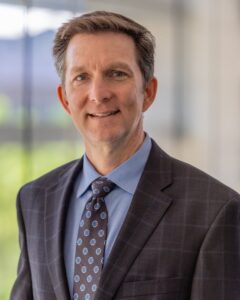
Thomas Buchheit, MD
Thomas Buchheit, MD

I also use PRP, which can be effective, but only when properly dosed. That’s been a major challenge since there are many ways to prepare PRP. We now know that dose matters. For example, treating knee osteoarthritis typically requires close to 10 billion platelets. At our clinic, we measure platelet counts before and after preparation to ensure accuracy, something often not done enough or at all.

GEN: Where did these approaches originate, and how widely are they used?

Buchheit: ACS originated in Germany in the 1990s with Dr. Peter Wehling. It was initially developed as an alternative to steroids for treating sciatica. The process involves incubating whole blood under controlled conditions, which stimulates the release of anti-inflammatory proteins, growth factors, and exosomes.

It became popular as patients, including athletes, traveled to Germany for treatment. Today, it’s available in the United States, though still more common in Europe. We now better understand how it works. Our research shows that exosomes play a key role in long-term benefits. If you remove them, effectiveness drops significantly.

GEN: Your new book Healing Joints and Nerves—who is it for?

Buchheit: It’s written for patients and a broad audience. I focused on authoring a book on regenerative medicine based on scientific accuracy and depth. I wanted to create a resource that explains these therapies clearly and truthfully—what they can and cannot do. It took over six years to complete. The book covers the history of stem cells and concludes with ACS, including both research and my personal experience with it as an avid runner and bicycle rider.

GEN: You often mention “good” vs. “bad” inflammation. What’s the difference?

Buchheit: Chronic inflammation is harmful. It damages tissue, drives pain, and contributes to diseases like osteoarthritis. But acute, controlled inflammation is essential for healing. It triggers the body’s repair processes. Exercise is a good example. It creates cycles of inflammation and recovery that make us stronger. Regenerative therapies aim to harness this same mechanism.

Interestingly, suppressing inflammation too aggressively can backfire. Studies show that patients who take anti-inflammatories after acute injuries may have a higher risk of chronic pain. Repeated steroid injections can also worsen joint damage over time.

GEN: Does all PRP work for osteoarthritis?

Buchheit: No. PRP must contain a sufficient platelet dose to be effective. Research shows that below approximately three billion platelets, it’s unlikely to work. Above four billion, effectiveness improves, and near 10 billion provides optimal results.

A practical tip: patients should ask how much blood is drawn. If only 10 mL is used to produce PRP, it’s mathematically impossible to achieve a high dose. Proper preparation typically requires 60–120 mL. Patients should also ask whether platelet counts are measured.

GEN: Please talk a bit more about Regenokine.

Buchheit: The program is based on ACS, enhanced through a controlled incubation process. This stimulates cells to release anti-inflammatory proteins, growth factors, and exosomes. Treatment typically takes roughly a week. Patients often come to the clinic for that duration. We’ve seen strong results in osteoarthritis and spine conditions, especially in patients who haven’t responded to other treatments, including stem cells.

GEN: What about safety, efficacy, and durability of results?

Buchheit: Outcomes vary by patient, but the primary goal is restoring function—whether that’s walking a dog or running a marathon. My approach is to stay as evidence-based as possible. That’s critical in a field where there is some overpromise or poorly validated treatments.

There are real concerns regarding product quality, sourcing, and transparency in some parts of the market. We need to know exactly what we’re using, how it works, and what evidence supports it. That’s how regenerative medicine will continue to advance responsibly.

Thomas Buchheit, MD, founded the Triangle Regen Medicine and Biologics Center in Chapel Hill, NC, to bring a range of regenerative therapies to patients. He now serves as an adjunct associate professor at Duke and continues to work with scientists at the Center for Translational Pain Medicine.

Buchheit began studying nerve injury pain and served as chief of pain medicine at Duke University Medical Center. He investigated the immune basis of pain relief following injury and the mechanisms behind regenerative therapies, including platelet-rich plasma, stem cells, and autologous conditioned serum. He has led several studies funded by the NIH and the Department of Defense.

*Regenokine was developed by Peter Wehling, MD, in Germany, originally in the 1990s. It utilizes a patient’s own blood to create a serum rich in anti-inflammatory proteins, particularly the interleukin 1 receptor antagonist (IL-1Ra), which helps reduce inflammation and promote healing in joints and tendons. The treatment is used for conditions like osteoarthritis and has gained popularity among athletes seeking pain relief. While it has shown promise in small studies, it is not yet FDA-approved and is not covered by insurance in the United States.


The post Regenerative Medicine: Promise, Hype, and What Actually Works appeared first on GEN – Genetic Engineering and Biotechnology News.

How digitizers power next-generation SS-OCT systems

NEWS RELEASE: Enabling high-speed swept-source OCT with advanced data acquisition Optical coherence tomography (OCT) has become an essential tool in modern medical imaging, with swept-source OCT (SS-OCT) emerging as a leading modality because of its superior imaging speed, depth penetration, and sensitivity. By employing swept laser sources, SS-OCT enables high-resolution, real-time visualization of tissue microstructures, making…

The post How digitizers power next-generation SS-OCT systems appeared first on Medical Design and Outsourcing.

FDA warns device manufacturers of nitrosamine impurities that could cause cancer

The FDA Center for Devices and Radiological Health (CDRH) is warning manufacturers of drug-device combination products of the potential for nitrosamine impurities, which are classified as probable carcinogens associated with forms of cancer. The FDA did not name specific devices or kinds of devices that could be at risk in the letter it sent to…

The post FDA warns device manufacturers of nitrosamine impurities that could cause cancer appeared first on Medical Design and Outsourcing.

Trelleborg Costa Rica site earns ISO 13485 certification

NEWS RELEASE: Trelleborg strengthens quality compliance with ISO certification in Costa Rica Plymouth, Minnesota — Trelleborg Medical Solutions’ manufacturing site in Costa Rica earns its ISO 13485:2016 certification helping ensure product consistency and compliance. ISO 13485:2016 is a process-focused quality framework that ensures medical devices are designed and manufactured under controlled conditions, risks to patients and…

The post Trelleborg Costa Rica site earns ISO 13485 certification appeared first on Medical Design and Outsourcing.

PSN Manufacturing earns ISO 9001 and 13485 certifications

NEWS RELEASE: PSN Manufacturing achieves ISO 9001:2015 and ISO 13485:2016 certifications, strengthening quality and advancing CDMO vision Erie, PA — PSN Manufacturing, a contract manufacturer specializing in precision components and sub-assemblies, has successfully achieved ISO 9001:2015 and ISO 13485:2016 certifications. These internationally recognized standards highlight the company’s dedication to exceptional quality management and regulatory compliance, particularly…

The post PSN Manufacturing earns ISO 9001 and 13485 certifications appeared first on Medical Design and Outsourcing.

Stryker pay drops for top executives and the median employee

Stryker has disclosed lower compensation for its top executives and median employee in a recent filing with the U.S. Securities and Exchange Commission. Median employee pay dropped for the second consecutive year, while executive compensation decreased due to lower cash performance bonuses and option awards. Stryker was the world’s fifth-largest medical device company in our…

The post Stryker pay drops for top executives and the median employee appeared first on Medical Design and Outsourcing.

STAT+: Legislatures in Colorado and Virginia resist moves to constrain drug affordability boards

Legislators in two states have resisted efforts to restrict prescription drug affordability boards, the controversial panels that are designed to function as rate-setting authorities and place limits on the cost of prescription medicines.

In Virginia, the General Assembly unanimously rejected a move by Gov. Abigail Spanberger (D) to delay a key provision of two bills that would create a board and allow it to place price caps that mirror the negotiated prices paid by Medicare. Spanberger must now either accept or veto the legislation as originally intended.

In Colorado, the House Health and Human Services Committee postponed consideration of a bill that would exempt orphan drugs, which are used to treat rare diseases, from pricing caps that might be pursued by the state board. By delaying action until the end of the legislative session, the bill is effectively dead.

Continue to STAT+ to read the full story…

How Geospatial Science is Reshaping Cancer Epidemiology: Three Perspectives from the Front Lines

The intersection of geography and oncology is no longer a speculative frontier—it is rapidly becoming the new standard in understanding who gets cancer, who survives it, and why. At a recent session at AACR 2026 bringing together leading researchers from the Fred Hutch Cancer Center, Harvard, and UCSF, the consensus was clear: geospatial methods are fundamentally altering how epidemiologists interrogate the cancer continuum, from incidence to mortality, from prevention to palliative care.

Trang VoPham, PhD, from Fred Hutch opened proceedings with a sweeping overview of how location data is being weaponized against cancer disparities. Her team’s work exemplifies the field’s evolution beyond crude ecological fallacies toward granular, individual-level exposure assessment. “We linked geospatial data on agricultural pesticide operations with all death certificates in the U.S. from 1989 to 2023,” she explained, detailing their findings that higher linuron use correlated with a 16% increased risk of colorectal cancer mortality among under-50s—higher than the 11% seen in older populations. The precision matters: “It is absolutely critical… can you access or generate residential address histories, not just baseline, not just at diagnosis, to consider life course exposures, timing of exposures, during relevant and critical time periods?”

Trang VoPham, PhD, Fred Hutch Cancer Center

VoPham’s lab is already translating these insights into population health interventions. Their GeoXMap web application—developed with community advisory boards across Washington State—enables neighborhood-level mapping of over 175 health variables, each paired with actionable mitigation strategies. “When you map radon, you can click on the tips button and see strategies for exposure mitigation, like where to get free radon test kits,” she noted. During 2023’s wildfire season, her team used Epic electronic health records to identify and contact 64,000 high-risk patients, resulting in over 4,000 same-day virtual primary care appointments. “This approach could absolutely be scaled to target other populations… to empower high-risk patients with information to help protect themselves from environmental hazards.”

Jaime Hart, ScD, from Harvard, shifted focus to the atmospheric dimensions of cancer risk, tracing how air pollution research has matured since IARC’s 2013 carcinogen declaration. She noted that evidence at the time was largely restricted to lung cancer data. Today, the picture has broadened considerably. Hart highlighted recent consortium work linking traffic-related nitrogen dioxide with premenopausal and Black women’s breast cancer risk—”mostly being driven by premenopausal breast cancer and breast cancer among Black women and non-Hispanic white women”—while PM2.5 associations remain more equivocal for this site.

Jaime Hart, ScD, Harvard T.H. Chan School of Public Health

The mechanistic sophistication has advanced in parallel. Hart detailed how particulate matter can “translocate across your lungs, get into your circulation and deposit in every tissue in your body,” even ascending the nasal pathway to breach the blood-brain barrier. Her collaboration with VoPham on wildfire-specific PM2.5 revealed that “even for the same increase in air pollution exposure… if that PM2.5 is coming more from wildfires than not, you saw an elevated risk,” suggesting source-specific toxicity profiles that carry profound regulatory implications.

Iona Cheng, PhD, from University of California, San Francisco, anchored the session in the structural determinants that underlie these spatial patterns. Her work on redlining—historical mortgage discrimination encoded into contemporary health disparities—demonstrates how geospatial tools can excavate systemic injustice. “In Detroit… about 70% [of non-Hispanic white men with prostate cancer] do live in an area that has not been redlined, in contrast to about 30%,” she reported, whereas “almost 60%” of African American patients resided in the most heavily denied neighborhoods. The mortality gradient was stark: “Higher prostate cancer mortality, or lower survival, associated with living in neighborhoods with more redlining, for both Black and white men.”

Iona Cheng, PhD, University of California, San Francisco

Cheng emphasized that these are not proxy measures for individual behavior but independent contextual effects. “We do see that the neighborhood itself has contributions,” she said, describing how her team is developing racially-ethnic-specific composite indices of structural racism across housing, education, employment, and judicial domains. The community-engaged methodology proved essential: working with Hawaiian advisory boards revealed that non-Hispanic white reference groups made little demographic sense for the islands, prompting recalibration.

The session closed with a palpable sense of acceleration. From Google’s nascent geospatial reasoning AI to wearable sensor validation of satellite models; from street-view imagery classifying 350 million U.S. locations to ecological momentary assessment tracking real-time exposures, the toolkit is expanding exponentially. As Hart observed: “The places where we live, work, and play influence our risk of cancer, impose diagnostic outcomes. There are robust biological mechanisms that underlie this.” The geospatial revolution in cancer epidemiology, it seems, is only getting started.

The post How Geospatial Science is Reshaping Cancer Epidemiology: Three Perspectives from the Front Lines appeared first on Inside Precision Medicine.

AACR 2026 Video Update: Cancer Research Edges Toward an AI-Driven Era

SAN DIEGO – At the American Association for Cancer Research (AACR) Annual Meeting 2026, the conversation around AI-driven cancer research has moved decisively past theory. Now the focus is on what’s being deployed and how to gain researchers’ and clinicians’ trust.

Fay Lin, PhD, senior editor, technology at GEN, and Jonathan D. Grinstein, PhD, North American editor at Inside Precision Medicine, discuss how AI is increasingly embedded across cancer research areas, from organoid models to pathology. Yet challenges such as data integration, longitudinal patient tracking, and clinician confidence continue to hinder its impact on patient outcomes.

Watch the full discussion below for a clearer view of the trends, tensions, and inflection points in AI shaping the future of cancer research:


The post AACR 2026 Video Update: Cancer Research Edges Toward an AI-Driven Era appeared first on GEN – Genetic Engineering and Biotechnology News.

<![CDATA[How do estrogen, testosterone, and aromatase shape binge eating and bulimia risk? Let’s explore brain biomarkers and future hormone-aware treatments.]]>