

Background: An increasing amount of digital health data are being collected across rehabilitation settings, but their integration into routine clinical practice remains limited, despite its potential to motivate patients or inform clinical decision-making. Specifically, effective visualization and communication of assessment outcomes to both patients and health care practitioners (HCPs) represent a key gap in the neurorehabilitation practice. Objective: This study describes the development and evaluation of RehaLink (author ND, ETH Zürich), a proof-of-concept mobile app that delivers structured, interpretable feedback from conventional and technology-based assessments to neurorehabilitation patients and HCPs. Methods: The app was developed through a 3-step iterative co-design process involving 17 inpatients with multiple sclerosis and 15 HCPs from a single rehabilitation center. The app integrates a full battery of conventional assessments routinely conducted at the clinic, as well as digital health metrics from the Virtual Peg Insertion Test, a validated technology-based assessment of upper limb function, as a proof of concept for integrating technology-based assessment data into clinical workflows. Three structured feedback sessions were conducted, in which participants evaluated feedback types, visualization formats, and app usability using Likert-scale ratings, preference rankings, open-ended questions, and the System Usability Scale. Data were analyzed using descriptive statistics and directed content analysis. Results: Across all 3 sessions, progress bars and color-coded indicators were consistently preferred over text-heavy or abstract formats by both patients and HCPs. A persistent set of competing demands was observed, with participants requesting both visual simplicity and access to absolute values and normative comparisons. HCPs tended to underestimate patients’ preference for informative visualizations. The perceived value of structured feedback increased over the course of the study; patients’ median ratings rose from 4.0 to 5.0 and HCPs’ from 4.0 to 4.5 on a 5-point Likert scale. The resulting mobile app prototype demonstrated high usability, with patients achieving a mean System Usability Scale score of 93.6 (mean 6.4; best imaginable) and HCPs 80.9 (SD 8.1; good), according to established benchmarks. Conclusions: These findings demonstrate the feasibility and value of a co-designed digital feedback tool for neurorehabilitation. By combining conventional and technology-based assessment outcomes in an accessible, user-centered format, the app has the potential to enhance patient engagement, support clinical decision-making, and advance the implementation of value-based, personalized care.
<img src="https://jmir-production.s3.us-east-2.amazonaws.com/thumbs/c7bcf5f0f9b2f37adf8c6780da2e2e4b" />
Introducing the 2026 IOCDF Award Winners of the 31st Annual OCD Conference
The mission of the International OCD Foundation — to ensure that no one affected by OCD or related disorders suffers alone — requires the collaboration and dedication of countless individuals and professionals around the world. Each year, the IOCDF is honored to recognize a few of these contributors who have gone above and beyond to inspire hope, build community, and move us closer to a world where everyone has access to effective support and care.
These awards will be presented at the 31st Annual OCD Conference, sponsored by OCD Institute Texas, on Saturday, July 11, 2026.
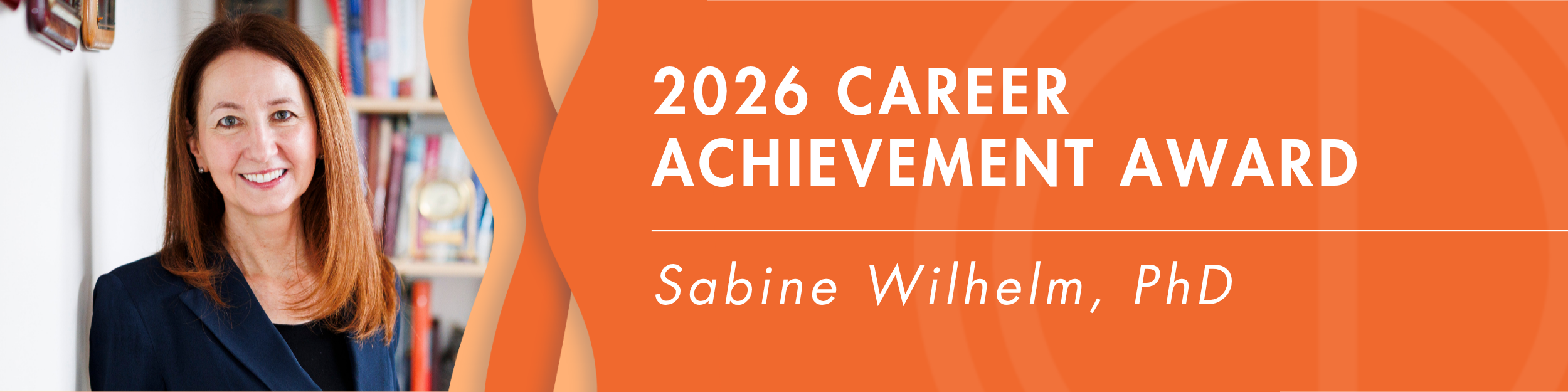
2026 Career Achievement Award Winner: Sabine Wilhelm, PhD
Highlighting the significant and notable contributions of a professional in the field of OCD and related disorders.
Sabine Wilhelm, PhD, is the Donovan-Chien Family Endowed Professor at Harvard Medical School and Chief of Psychology at Mass General Brigham. She directs both the Center for OCD and Related Disorders and the Center for Digital Mental Health at Massachusetts General Hospital. Dr. Wilhelm’s work leverages AI and technology to improve mental health care globally, focusing on developing personalized, scalable digital treatments. She has authored 375 publications and nine books. She has received major awards, including the NAMI Scientific Research Award and the Peter Ranney Innovation Award from the World Medical Innovation Forum. Dr. Wilhelm is the outgoing Chair of the IOCDF Scientific & Clinical Advisory Council after serving since 2023, and she has served on numerous committees to support the Foundation’s work to advance research and resources for OCD and related disorders.
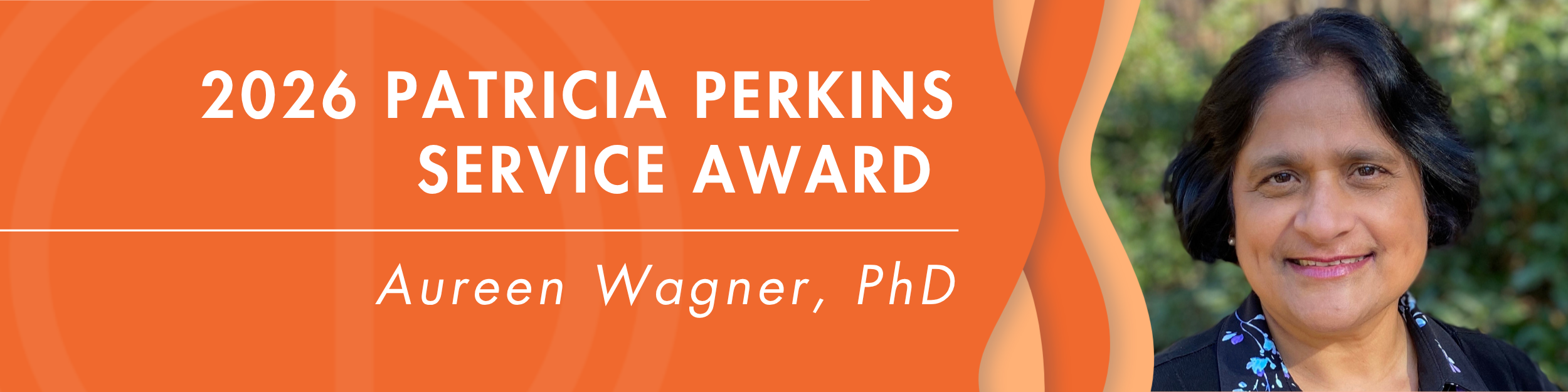
2026 Patricia Perkins Service Award Winner: Aureen Wagner, PhD
Honors any professional or IOCDF member who has stood out as a long-time (10+ years) and active contributor to the IOCDF in multiple ways. This award is named after Patricia Perkins, IOCDF co-founder, past president of the Board of Directors, and previous executive director.
Winner Bio: Aureen Pinto Wagner, Ph.D., joined the IOCDF in 1992 as a newly-minted clinical psychologist. She presented a workshop for parents at her first conference in 2000, and has been a regular presenter at most conferences since then. Dr. Wagner has contributed to several IOCDF livestreams and presented at the annual Online OCD Camp for youth and parents since its inception in 2021. She serves on the Scientific and Clinical Advisory Board of the IOCDF and has been on the faculty of the Behavior Therapy Training Institute since 2001.
Dr. Wagner is dedicated to bringing hope and help to families experiencing OCD via evidence-based, developmentally-tailored treatment, and to increasing access to treatment by training clinicians to treat OCD. With the goal of disseminating evidence-based treatment, Dr. Wagner provides workshops and consultation to clinicians and has published a treatment manual focused on child-friendly treatment titled, “Treatment of OCD in Children and Adolescents: A Professional’s Kit.”
At The Anxiety Wellness Center in Cary, North Carolina, Dr. Wagner provides in-person and telehealth treatment for youth and adults with OCD, anxiety and related conditions, as well as parenting support for families. In keeping with her mission of empowering youth and families, Dr. Wagner wrote the award-winning books “Up and Down the Worry Hill: A Children’s Book about Obsessive-Compulsive Disorder and its Treatment,” “What to do when your Child has Obsessive-Compulsive Disorder: Strategies and Solutions” and “Worried No More: Help and Hope for Anxious Children.”
2026 Hero Award Winner: Stephen Smith
Recognizes any individual that has stood out as a particularly effective advocate for OCD and related disorders or who helped raise awareness of these disorders.
Stephen Smith is the Co-founder and Chief Executive Officer of NOCD, the world’s largest OCD-specialty treatment provider for both adults and children. After emerging from a personal struggle with undiagnosed OCD and experiencing the success of Exposure & Response Prevention (ERP) therapy first-hand, Stephen made it his mission to transform the behavioral health treatment system for people with OCD and related conditions. Under his leadership, NOCD has done that. NOCD drives OCD awareness campaigns that reach millions of people each year, cares for hundreds of thousands of people with OCD, and is contracted to serve more than 140 million commercial lives nationally.

2026 Youth Hero Award Winner: Gabriella Lee
Recognizes any youth (under 18) that has stood out as a particularly effective advocate for OCD and related disorders or who helped raise awareness of these disorders. This award is presented by UNSTUCK: an OCD kids movie.
Gabriella Chaeyoon Lee is a junior at Great Oak High School in California who is dedicated to promoting mental health awareness, particularly surrounding OCD. Inspired by her personal connection to OCD through her mother’s diagnosis, she actively works to reduce stigma and support others through her school club and independent initiatives. She is passionate about creating safe and inclusive spaces where individuals feel understood and supported. She hopes to continue her advocacy and contribute to meaningful change in mental health communities.

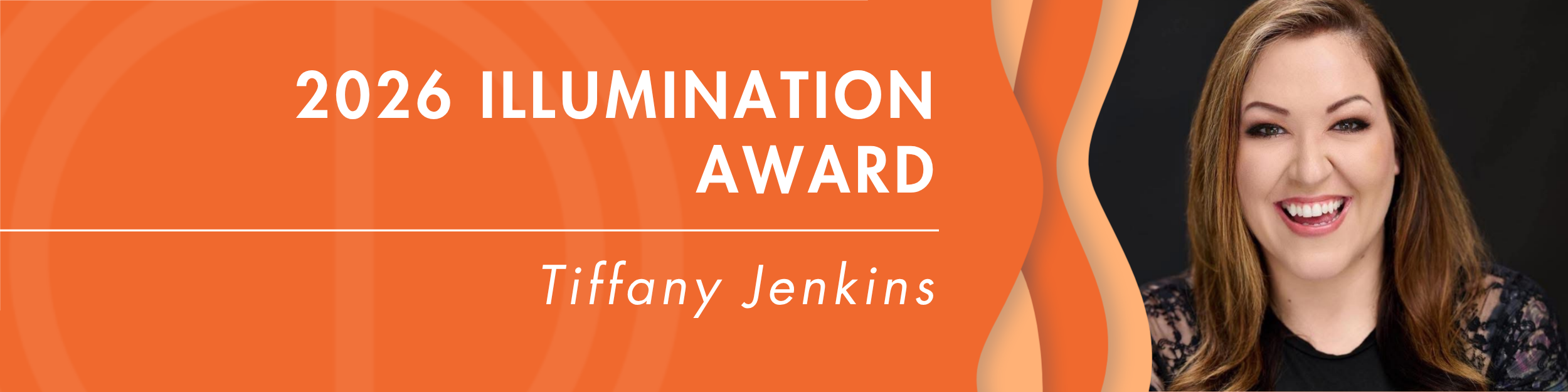
2026 Illumination Award Winner: Tiffany Jenkins
Honors media personalities who have represented OCD or related disorders in a respectful, accurate, and appropriate way, or who have challenged stereotypes and helped to fight stigma around mental health issues.
Tiffany Jenkins is a comedian, New York Times bestselling author, speaker, and podcast host with a combined social media following of over 9 million and more than one billion video views worldwide.
While widely recognized for her relatable and candid comedy, Tiffany is deeply committed to raising awareness around mental health and addiction. Drawing from her own lived experience in recovery, she travels across the United States speaking at high schools, correctional facilities, treatment centers, and conferences, where she delivers impactful, honest conversations that resonate with diverse audiences.
Above all, Tiffany is a devoted mother, bringing authenticity, resilience, and humor into both her work and her everyday life.
The post Introducing the 2026 IOCDF Award Winners of the 31st Annual OCD Conference appeared first on International OCD Foundation.
Turning Rejection Into a Roadmap: Advice for the Next Generation of Mental Health Leaders
A Conversation with Tom Osborn, Founder of Africa’s Largest Mental Health Provider Shamiri Institute
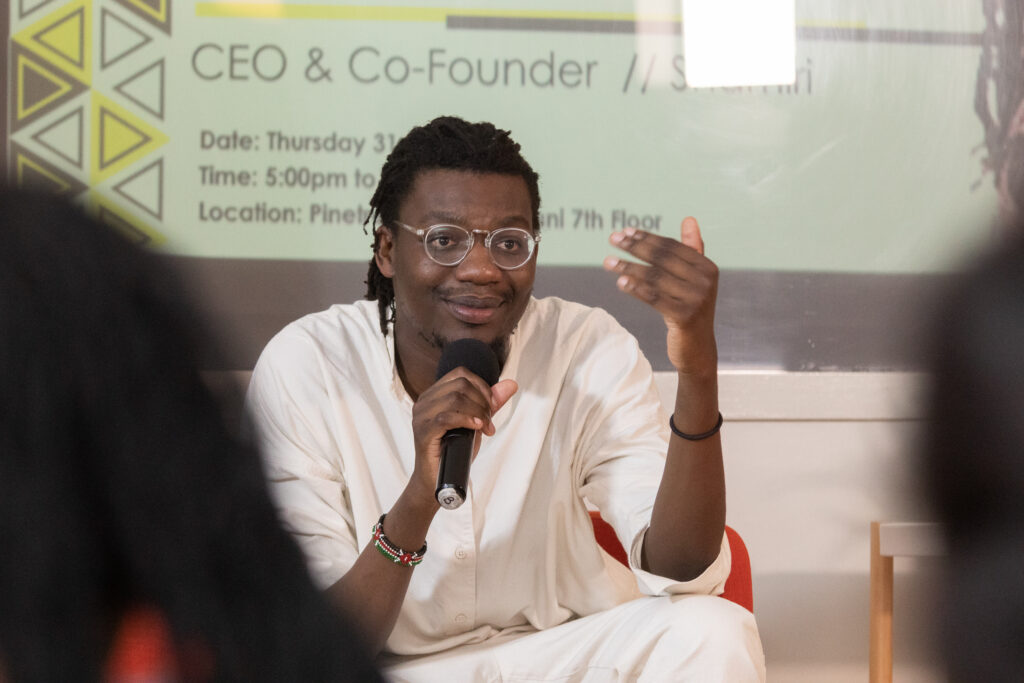
Aaliyah Nadirah Madyun, program director at the Stavros Niarchos Foundation (SNF) Global Center for Child and Adolescent Mental Health at the Child Mind Institute, recently sat down with Tom Osborn, founder of the Shamiri Institute and an International Advisory Board member at the SNF Global Center. They discussed Osborn’s remarkable journey as a young entrepreneur.
At just 18, while studying at Harvard University, Osborn founded the Shamiri Institute, which has since grown into Africa’s largest youth mental health provider — now reaching over 100,000 young people annually and having trained and employed more than 3,000 providers. In this candid conversation, Osborn shares hard-won lessons on resilience, mentorship, and well-being. He offers advice to the SNF Global Center’s Youth Council members — many of whom are launching their own mental health initiatives in communities across Greece, Brazil, South Africa, and beyond.
AM: You founded Shamiri when you were just 18. Many members of our SNF Global Center Youth Councils are now launching their own mental health organizations. What advice would you give them?
TO: I think these past three to five years post-COVID have been quite good for mental health. There’s just more dialogue, more conversation. It’s maybe one of the best times to start working in mental health. There is a big space for young people to be leaders. On the other hand, it’s also very difficult.
AM: What kind of difficulties can young people expect to encounter?
TO: It’s very difficult for a few reasons. We normally start this work because we have a lot of passion, enthusiasm, and commitment to the cause. But that is not the day-to-day of being a social entrepreneur. It’s convincing people to partner with you, to fund you, etc., which is a completely different skill set to learn. And the second part is getting a level of comfort with failure. Because the reality is, on average, nine out of ten doors that you try to open will not open; especially when you are starting. For example, if you’re in Brazil and there are 100 other young people trying to start something, there is a finite pool of opportunities and resources. So, when you are starting, part of the initial process requires you to develop resilience and a growth mindset.
AM: Could you speak about the role mentorship has played in your journey, and how young entrepreneurs can leverage mentorship to navigate the challenges of building something from the ground up?
TO: Mentorship is really crucial. Finding folks — researchers, practitioners, or just folks in the community — who can help provide guidance as you build the skills you need to be an effective entrepreneur.
AM: How would you recommend young people go about finding a mentor? It seems like that ability, identifying and cultivating a mentoring relationship, might be a skill set in itself.
TO: In my experience, there are three pathways. In many countries we have what we call accelerators, which look for young people who literally have an idea and enthusiasm, and then take them through 10–16 weeks of bootcamp where they can learn the skills to develop their idea. So, that’s one pathway. The second pathway, which really worked for me but may sound intimidating, is direct outreach to folks who have done something similar. So, you can do some research. It doesn’t have to even be related to mental health. It can be education or some broader thing. But find someone who has built something that you admire. You will be surprised how many people are willing to support and pay it forward, because we all have benefited from the help of someone else. I created an Excel spreadsheet with a list of people who I looked up to, and I reached out to them on LinkedIn. Sometimes you can even find their email. Some people said “no”, but if you reach out to 10 or 20 people, some people will talk to you. And the third pathway is . . . increasingly we have a lot of resources like the SNF Global Center Youth Councils and international organizations that deal with mental health. You can join these organizations to expand your network.
AM: Could you share your story with us and tell us how you got started?
TO: I started when I was in University as part of a research project I was doing when I was studying psychology. I needed to do something for my thesis and in the process of doing that I applied to an accelerator. I also went to my professor and asked him, ‘Do you know anyone who could connect me with?’ In fact, he helped me write my first grant and gave me the opportunity to learn those entrepreneurial skills.
AM: Starting at such a young age, one can imagine that you must have encountered many challenges and setbacks. What were the key lessons you took away from that growth period?
TO: The reality of this work, and not to discourage people but to give a factual picture, is that there are more setbacks than there are wins. Part of the process is that you learn from the setbacks. I can give you an example of some of my own setbacks. In my first year of doing this, we tried to raise money. We applied for grants, sent out proposals, etc.; but we couldn’t raise any money. So, what I did after getting the rejection is I would email and ask, “Do you have any feedback for us about why we didn’t get the funding?” or “Can we jump on a call so you can explain what we can do better?” What I learned from that was the way I was communicating what we were doing made sense in my mind, but I wasn’t putting myself in the shoes of the person who was reviewing the proposal. I only have five to ten minutes of someone’s time. So, how can I really simplify my message? For example, my first proposal was, “Shamiri does task-shifting mental health interventions for adolescent depression, anxiety, etc.” If you are in the field, you maybe get it. But if you are somebody who is just reading grants on mental health education, you don’t really get it. Now we say, “Shamiri means thrive and we enable young people to thrive.” So that invites people to ask how we’re helping people to thrive.
AM: What is another setback that surprised you?
A second example of a failure is getting buy-in from the beneficiaries that we were trying to work with. I thought, “We have this great idea, we’ve done this research, and it works. We’re going to go to schools and they’re going to be like, ‘This is great! Come work with us.’ Teachers are going to want to work with us.” But actually, in our first three years we were trying to work with 25,000 students and we ended up working with only 1,000 students. We really struggled with getting people to sign up. The lesson from that was we were thinking more from the idea this was our product, rather than thinking, “What is the problem that I am trying to solve for this person?” To give a concrete example, there are three people we need to get buy-in from: young people in schools, teachers, and parents. Just having a great product does not mean that people are going to use it. You need to figure out what the problem is. How can I solve it? How do I communicate this to users?
AM: I can imagine that dealing with failures and setbacks is extremely hard, especially for a young person. What would you say to a young person who is currently experiencing this?
TO: Finding ways to stay grounded and healthy from a well-being perspective is really crucial. Identify what matters to you and connect with those things. And ideally if you can find a way to build a routine around that, it could help. Doing this work takes a big toll. If you don’t find ways to ground yourself and get the energy to continue with this, you may burn out.
AM: Do you have some final words for our Youth Council members and other young people reading this?
TO: Those closest to the problem are those closest to the solution. I am from Kenya, which is a really young country. The median age is 19 and 70 percent of the population is under 30. If we are to solve some of these pressing problems, including mental health, those solutions are going to have to come from young people.
The post Turning Rejection Into a Roadmap: Advice for the Next Generation of Mental Health Leaders appeared first on Child Mind Institute.
EEG Biomarkers for ADHD Stimulant Treatment
Conditions: ADHD
Interventions: Drug: methylphenidate HCl; Drug: Mixed amphetamine salts extended release
Sponsors: Boston Children’s Hospital; Seattle Children’s Hospital; Tris Pharma, Inc.
Not yet recruiting
Interventions: Drug: methylphenidate HCl; Drug: Mixed amphetamine salts extended release
Sponsors: Boston Children’s Hospital; Seattle Children’s Hospital; Tris Pharma, Inc.
Not yet recruiting
The Effectiveness of Dialectical Behavior Therapy on Rumination and Cognitive Avoidance in Teachers
Conditions: Rumination; Cognitive Avoidance
Interventions: Behavioral: Dialectical Behavior Therapy Skills Training
Sponsors: Islamic Azad University, Sanandaj
Completed
Interventions: Behavioral: Dialectical Behavior Therapy Skills Training
Sponsors: Islamic Azad University, Sanandaj
Completed
Comparison of Day Hospitalization Versus Full-Time Hospitalization in the Treatment of Severe Adolescent Obesity
Conditions: Severe Adolescent Obesity; Adolescent Obesity; Pediatric Obesity
Interventions: Other: Day Hospital Multidisciplinary Care; Other: Full-Time Inpatient Multidisciplinary Care
Sponsors: Fondation Santé des Étudiants de France
Not yet recruiting
Interventions: Other: Day Hospital Multidisciplinary Care; Other: Full-Time Inpatient Multidisciplinary Care
Sponsors: Fondation Santé des Étudiants de France
Not yet recruiting
Using AI to Detect Psychosis Relapse: Scoping Review
Background: Psychotic disorder represents a leading cause of disability worldwide, and relapse in psychosis is common. Artificial intelligence (AI) is increasingly recognized as a method that could aid clinical monitoring for individuals experiencing psychosis. Objective: This review aims to map the existing literature on AI-based approaches—including machine learning, deep learning, and natural language processing—used to detect relapse in individuals with psychotic disorders. Methods: A systematic search strategy was conducted on PubMed, PsycINFO, and Embase up to January 7, 2026. Observational studies, randomized controlled trials, and quasi-experimental studies that used AI methods to detect relapse in psychosis were eligible for inclusion. Screening and data extraction procedures were conducted by at least 2 reviewers working independently. Findings were extracted, charted, and described using narrative synthesis based on data extraction and consensus meetings with the research team. The scoping review was prospectively registered with the Open Science Framework. Results: Relevant studies identified (N=10) included the use of digital tools such as smartphone- and smartwatch-based monitoring, ecological momentary assessment tools, social media activity, and internet searches. Digital phenotyping via smartphones and wearables emerged as the most common method for data collection. The efficacy of AI models varied with sensitivity (or recall) ranging from 0.25 to 0.77 and specificity (or precision) ranging from 0.06 to 0.88. The reported area under the receiver operating characteristic curve for models ranged from 0.63 to 0.78. AI models were heterogeneous across studies, and most study findings were not replicated. Conclusions: This scoping review highlights both the promise and the current limitations of AI in psychosis relapse detection. Passive digital phenotyping research in the detection of psychosis relapse has progressed, and personalized approaches with individual-level modeling show promise; however, further studies need to include larger numbers of participants and should incorporate methods such as large language models. Future studies will require large collaborations aimed at delivering AI methods for use in real-world clinical practice.
<img src="https://jmir-production.s3.us-east-2.amazonaws.com/thumbs/56322bc1f7dff8563d736e70b885fd6c" />
Learning Gain and User Experience of AI Avatar–Based and Human-Presented Explainer Videos: Prospective Randomized Crossover Feasibility Study
<strong>Background:</strong> Explainer videos are widely used in higher education. With the increasing availability of artificial intelligence (AI)–generated avatars, it remains unclear whether the presentation format—human presenter vs AI avatar—affects learning outcomes and user experience, especially in technologically complex fields. <strong>Objective:</strong> This study aimed to assess the feasibility of a randomized crossover design to investigate learning gain and user experience associated with content-identical explainer videos delivered by either an AI-generated avatar or a human presenter. Exploratory analyses examined the potential differences between the presentation formats. <strong>Methods:</strong> An observer-blinded, prospective randomized crossover feasibility study was conducted with 13 undergraduate engineering students. Participants viewed 2 content-identical explainer videos on fuel cell technology presented by either an AI-generated avatar or a human presenter in a randomized sequence. Learning gains were recorded using a 7-item knowledge test administered at baseline and after the first and second video presentations. User experience was assessed after each video by using the AttrakDiff2 questionnaire. Because there was no washout period and the instructional material was identical in both videos, the second learning phase was vulnerable to carryover and test-retest effects. Consequently, analyses of learning outcomes focused on the initial phase, whereas user experience was examined through pooled comparisons across both conditions. <strong>Results:</strong> Both presentation formats were associated with substantial short-term learning gains. The difference in the learning gain between the AI avatar and human presenter videos was not statistically significant (median newly correct items 5, IQR 3-5.5 vs 4.5, IQR 2.5-5; <i>P</i>=.51; <i>Z</i>=0.66; <i>r</i>=0.183). In contrast, user experience ratings were consistently higher for the human-presented video across all AttrakDiff2 dimensions, with small to medium effect sizes. The AI avatar presentation was generally perceived as neutral. <strong>Conclusions:</strong> This study shows that investigating AI-based explainer videos vs those using a human presenter in classroom settings is feasible and highlights methodological challenges, particularly those related to crossover designs involving content-identical materials. In this small exploratory sample, no significant differences in short-term learning gains were detected between different presentation formats. Nonetheless, participants clearly preferred human presenters in terms of user experience. These results should not be seen as proof of equivalence but rather as a foundation for future research with larger sample sizes, improved study designs, and more sensitive outcome measures.

Digital Technologies for Children With Hearing Impairments to Support Language Learning: Scoping Review
Background: Children with hearing impairments (HIs) have traditionally faced difficulties with language acquisition due to various factors, such as difficulties in accessing early intervention and therapy, among others. There is an opportunity for digital technology to address this problem; however, how different technologies can facilitate language acquisition, as well as the level of evidence, is not well understood. Objective: This study aimed to explore the types, roles, and outcomes of different digital technologies in supporting language development in children with HIs. Methods: Following Arksey and O’Malley’s framework for conducting a scoping review and the PRISMA-ScR (Preferred Reporting Items for Systematic Reviews and Meta-Analyses Extension for Scoping Reviews), we systematically searched 6 online databases from 2014 to September 2024 for relevant studies on the role of digital technologies in supporting language learning among children with HIs (aged <18 years). Results: A total of 45 studies met the inclusion criteria. Mobile apps were the most frequently reported technologies, followed by digital books, extended reality, computer-based programs, and tangible or robotic tools. The most commonly used signed-language apps focus on vocabulary development and visual communication. Spoken language tools were less common but included augmentative and alternative communication (AAC) systems and auditory training apps. The efficacy outcomes of 12 studies included in this review showed that AAC-based apps had stronger effects on expressive language, pragmatic communication skills, and vocabulary development. These outcomes occurred when AAC-based apps were used in structured contexts with a therapist or parent. In contrast, signed language apps often reported narrower, word-level outcomes. Notably, relatively few interventions targeted early spoken language development, despite early childhood being a critical period for language acquisition. In addition, limited attention was given to visual design considerations related to user comfort, cultural relevance, and contextual adaptation. Conclusions: The evidence base reveals 3 structural patterns: the dominance of accessibility-driven mobile technologies; an imbalance between signed and spoken-language interventions, characterized by a greater number of signed-language tools but stronger and more consistent evidence for spoken-language outcomes, particularly in AAC-based interventions; and limited integration of digital technologies across home, school, and clinical contexts. Future research should prioritize the co-design and evaluation of culturally responsive, integrated, developmentally appropriate digital systems that support early spoken-language development and sustained, family-mediated language learning across contexts.

Red-shifted GRAB acetylcholine sensors for multiplex imaging in vivo
Nature Neuroscience, Published online: 16 June 2026; doi:10.1038/s41593-026-02325-w
The authors develop red fluorescent GRAB acetylcholine (ACh) sensors and highlight rACh1h as a robust tool for multiplex recording together with various green sensors. Using fiber photometry, mesoscopic imaging and two-photon imaging, rACh1h is shown to reliably report ACh dynamics in vivo.